

Why Painting Costs Vary So Much in South Africa
Surface condition, prep intensity, paint quality, access, province, and project scale all shape the budget
Quick answer
Why painting quotes vary so much in South Africa – surface condition, prep intensity, paint grade, access, province and project scale explained.
12 min read
On this page
Understanding a fair painting price in South Africa starts with a clear estimate of scope, preparation and labour.
Can one written estimate really tell the full story? Many homeowners assume a low price means good value. That is seldom true.
Years of repainting homes show that quality materials and sound prep lead to lasting results. Consumer guidance advises getting several written quotes to find a fair cost for the work.
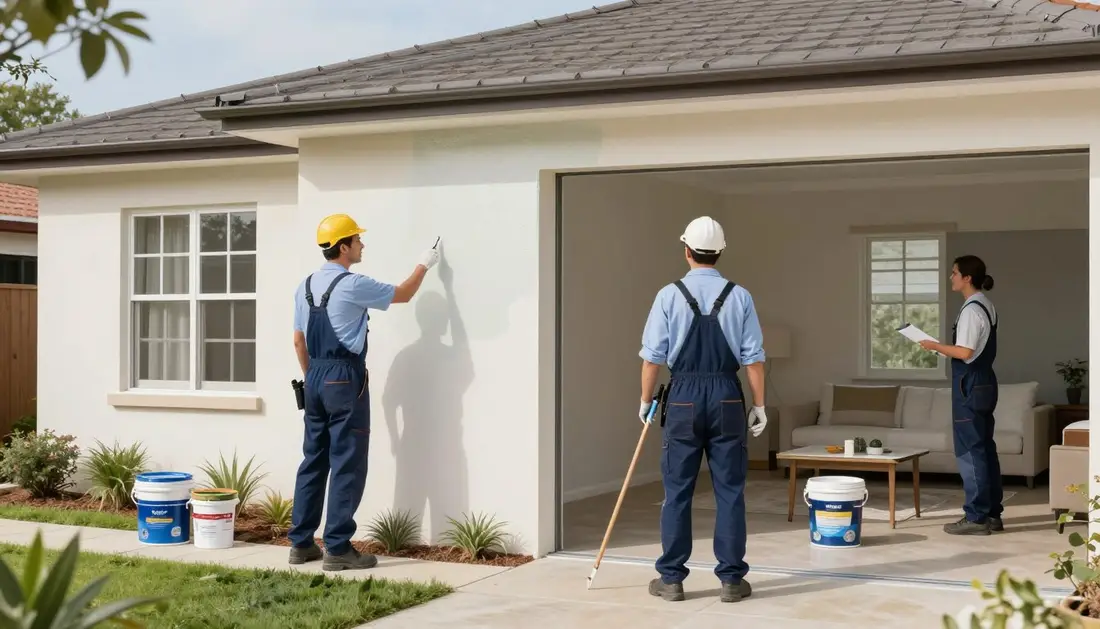
At paintingpricepersquaremeter.co.za we help you request up to 3 quotes and compare each written scope of work side by side. A proper painting quote should list prep, paint type, access issues and expected timelines.
Start with clear pricing and you avoid surprises. Visit paintingpricepersquaremeter.co.za to request estimates and learn what separates a low-cost job from a quality finish for your interior house project.
Why do painting quotes vary across South Africa
A single house can attract widely different bids because each estimator interprets the brief with unique priorities.
Site visit notes matter. One painter may price full surface preparation and repairs. Another may only quote the final coats. That difference alone can add thousands to the final price.
Compare scopes, not just numbers. Ask for a line-by-line breakdown so you can match materials, prep and timelines across each offer; how to read a painting quote walks through it.
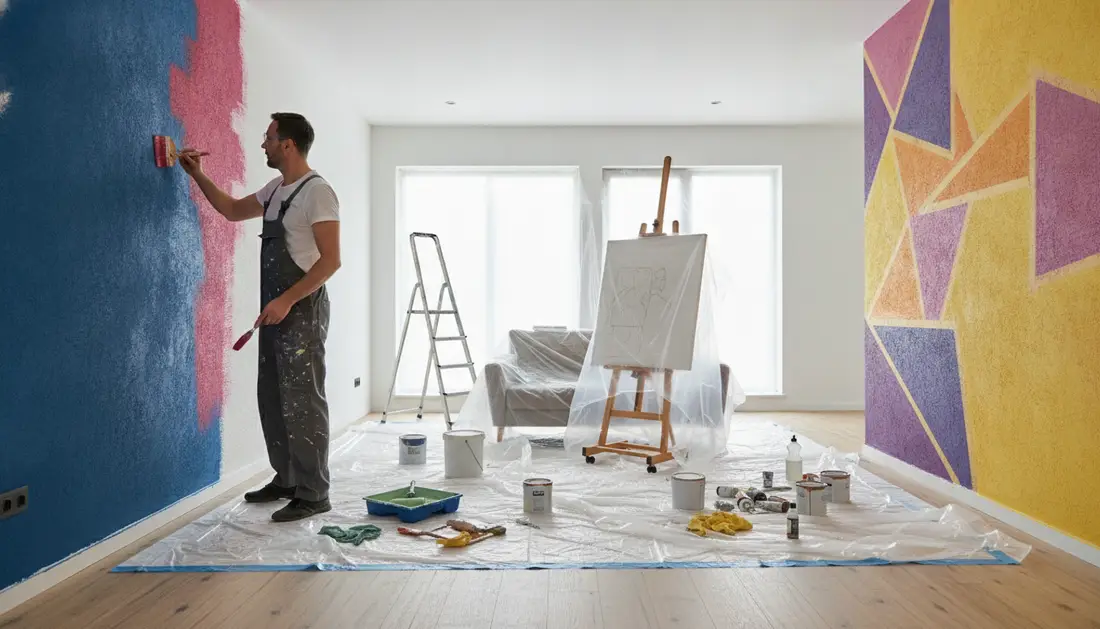
- Different assessment of surface condition and access affects labour and material costs.
- Some contractors include warranty and cleanup; others list a simple lump sum.
- Regional labour rates and travel add variation in final pricing.
| Item | Basic quote | Comprehensive quote | What to check |
|---|---|---|---|
| Prep work | Minimal | Full repairs & priming | Look for listed tasks |
| Paint type | Standard | High-performance | Confirm brand and sheen |
| Labour | Lower hour estimate | Skilled team allowance | Ask about crew size |
| Extras | Often excluded | Included (scaffolding, cleaning) | Check exclusions |
Request up to three estimates using an identical brief. That is the best way to see how different painters approach the same interior or exterior house project.
The hidden cost of cutting corners on preparation
Surface condition and preparation drive most differences between a low and sensible painting quote. A fair price reflects the time needed to make walls and trim ready for paint; more about the platform shows how we weigh these factors.
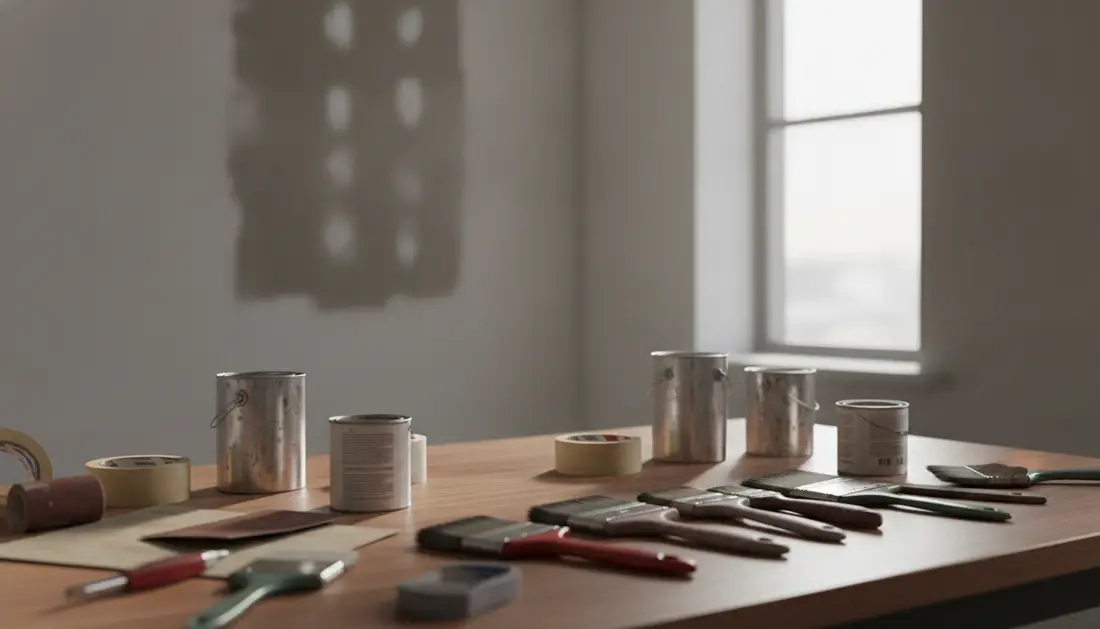
Small defects take big time. Preparation includes filling nail holes, cracks and dents, then sanding them flush so the paint adheres to the surface.
The impact of surface condition
Poor walls need more prep. Cracked plaster, mould or uneven surfaces add hours of labour and extra materials.
If a painter skips this stage, the finish can peel within two to three years and you face an early repaint of the house or room.
Why paint quality matters
Premium washable products cost more but give better coverage and durability than builder-grade alternatives.
Ask for the number of coats and the brand in your painting quote. A quality interior job usually requires at least two coats for even colour and long life; our painting price guides put figures to each option.
- Prep (sanding, caulking, patching) explains most price variance.
- Cheap quotes often exclude filling, priming or sanding the trim.
- Confirm scope in writing to protect your cost and finish quality.
Key drivers influencing your final project estimate
Your final project estimate depends on a handful of measurable factors that drive price swings across South African homes, and how provincial cost differences work explains the regional ones.
Ranked variance drivers
Six factors explain most variation in a painting quote. Below they are ranked with typical swing ranges you can expect.
| Driver | Typical swing range | Why it affects price |
|---|---|---|
| Prep scope | ±15–35% | Surface repair, sanding and priming add labour and materials. |
| Paint grade | ±10–25% | High-performance products cost more but last longer. |
| Coat count | ±5–15% | Each additional coat raises time and paint usage. |
| Access | ±5–20% | Scaffolding, ceilings and hard-to-reach walls add hours. |
| Region | ±5–18% | Provincial labour rates and coastal exposure affect materials and systems. |
| Job size | ±3–12% | Smaller rooms have higher unit costs; large house jobs gain efficiency. |
Provincial and coastal weightings
Coastal homes often need specialised paint systems to resist salt and sun. That raises material and labour costs compared with inland projects.
Regional rates also change pricing: metropolitan labour rates differ from rural provincial rates. Check the local pricing and weather exposure when you compare estimates.

Labour and overhead considerations
Labour makes up most of the cost. Expect labour to represent about 60–70% of a residential painting quote, materials 25–30% and overheads 5–10%.
Choose a company that lists insurance and public liability. A well-insured contractor carries substantial public liability cover to protect your home during the work.
- Confirm the number of coats and scope for ceilings, doors and trim.
- Ask for a line item for sanding and preparation so you can compare price and quality.
- Experienced painters estimate real world time and include realistic rates for complex surfaces.
Comparing quotes for identical scopes of work
Start by asking each contractor to price the identical wall with the same written brief and you will see real cost differences clearly.
A worked example of scope differences
Scenario: three painters price one interior wall in a South African house after a single site visit.

Painter A lists full sanding, two coats plus a third coat for deep colour, and ceiling and trim included. Painter B quotes two coats, minimal prep and no ceiling work. Painter C offers three coats but skips sanding.
| Item | Painter A | Painter B | Painter C |
|---|---|---|---|
| Prep (sanding) | Full | Minimal | None |
| Number of coats | Three | Two | Three |
| Ceilings & trim | Included | Excluded | Excluded |
| Estimated labour impact | Highest (+⅓ with ceiling) | Lowest | Medium |
Result: the final price showed a 2–3× spread. A ceiling adds roughly a third to room labour, and a third coat on deep colours raises both time and paint costs significantly.
- Check line items: prep, coats, ceilings, doors and trim.
- Provide the same brief for up to three painting estimates to compare fairly.
Why the cheapest quote is rarely the best value
A bargain painting estimate often hides the work you will later pay to repair.
Cheap bids almost always cut preparation. Contractors who undercut others commonly skip caulking, filling cracks, sanding and priming. That saves time on site but shortens the life of your paint and harms finish quality.
A quality-focused contractor would rather lose a job to a lowball price than skip prep that makes paint last. We prioritise thorough prep, the right number of coats and premium paint so walls and trim perform for years.
- The lowest price often uses builder‑grade paint and fewer coats.
- Shortened time on site reduces labour but raises repaint risk within 2–3 years.
- Ask specific questions about the number of coats, brand and listed prep tasks.
- Request an itemised painting quote so scope, materials and warranty are clear.
Compare at least three quotes for the same written scope. The best value for your house or interior project is a balanced price that includes proper preparation, quality materials and a clear estimate of labour and time.
Securing professional results through our platform
Use paintingpricepersquaremeter.co.za to compare realistic job pricing and find trusted contractors for your house or interior project.
Request up to three quotes and assess each written scope for prep, paint brand, labour rates and materials. This helps you compare true cost, not just headline numbers.
Always get the terms in writing. Confirm the warranty, the exact scope of work and the paint specified. Reputable contractors provide warranties such as 5 years interior and 3 years exterior on completed jobs.
Choose a reputable company that lists pricing, rates and exclusions. Visit paintingpricepersquaremeter.co.za today to request your quotes and start your house job with confidence.
FAQ
Why do painting quotes vary so much in South Africa?
Multiple factors affect the price you’ll see across the country. Size of the job, number of coats, surface condition and the amount of preparation all change labour and material needs. Paint brand and quality (trade versus retail) alter material cost. Access, scaffolding or equipment for high walls or ceilings adds to time and overheads. Regional labour rates and transport to your location also push prices up or down. Always ask contractors for a per square metre rate and a breakdown of labour, paint and prep so you can compare like for like.
What causes quote differences between regions and provinces?
Provincial and coastal weightings matter. Coastal homes often need corrosion-resistant primers and higher-spec topcoats because of salt air, which raises material cost; broader price movements are tracked by Statistics South Africa. Labour rates vary between major cities and small towns. Travel time, tolls and availability of experienced painters influence final estimates. Ask whether the quote includes travel, accommodation for teams or local levies.
How does surface condition affect the estimate?
The impact of surface condition is huge. Cracked plaster, peeling old paint, damp, rust on metalwork or rotten timber all require repairs before painting. That means filling, sanding, plastering, waterproofing or replacing sections — each task adds labour and materials. Quotes should list prep items and time allocated for sanding, patching and priming. If a contractor skips prep to lower price, the finish and longevity will suffer.
Why does paint quality change the cost so much?
Paint quality drives both upfront cost and durability. Trade-grade acrylics, alkyd primers or specialist mould-resistant paints cost more than basic retail cans but need fewer coats and last longer. Higher-quality paint often covers better, so you may need fewer litres and recoat less frequently. Good-quality systems matched to the surface are usually more cost-effective over five to ten years.
What are the ranked drivers that influence a final project estimate?
Ranked variance drivers typically are: surface condition and prep, scope and number of coats, paint system and brand, access and height (scaffold/boom), labour rates and team size, and additional works (timber repair, rust treatment, waterproofing). Insist on a written scope that ranks these items so you can see where most cost comes from.
How should I compare two quotes that look the same on paper?
Compare the scope line-by-line. Check surface prep details, number of coats specified, brand and sheen of paint, primer type, inclusion of masking and drop sheets, handling of doors and trims, sand-and-seal steps, and whether ceilings are included. Confirm warranty or maintenance terms, start and finish dates, and payment schedule. If one quote is much cheaper, ask which prep steps were omitted.
Can you give a worked example of scope differences?
Yes. For a 20 m² lounge: Quote A lists sanding, two coats of a trade primer and two coats of interior acrylic, full trim work, and a one-year workmanship warranty. Quote B lists only washing, one coat of mid-range paint and no trim work. Although B looks cheaper, A uses better primer and more coats, so it will look better and last longer. Ask contractors to price per square metre and per coat to see true value.
Why is the cheapest quote often not the best value?
Low bids commonly cut prep, use cheaper paint or reduce coats. That saves money short term but leads to faster failure — flaking, discolouration or premature rework — which costs more later. Cheaper quotes may not include proper warranties, site protection, or neat finishing on doors and skirting. Value is measured by lifespan and finish quality, not just initial spend.
What should be included in writing before work starts?
Insist on a written estimate that lists scope, surfaces, number of coats, paint brands and colours, primer type, preparation steps, start and completion dates, payment terms, warranty details and clean-up. Also confirm who supplies materials, who is responsible for moveable furniture, and whether the price includes repairs revealed during prep. Written clarity reduces disputes.
How do labour and overhead affect pricing on larger projects?
For large homes or blocks, labour becomes the biggest cost. Skilled teams charge higher hourly rates; longer projects increase overheads like site management, insurance, equipment hire and supervision. Contractors may offer volume discounts on materials but will factor in project complexity and logistic management. Request a breakdown of labour hours and daily crew size.
Does the number of painters on site change the estimate?
Yes. More painters shorten the schedule but raise daily labour costs. A smaller team takes longer, which can increase access or scaffold hire time. The optimal crew size balances time, disruption and total labour cost. Ask contractors for expected team size and how they schedule stages (prep, priming, topcoats).
How do I ensure the contractor uses the right paint system for my home?
Ask for brand and product names — for example, premium trade ranges — and specification of primer plus topcoat. Request data sheets or product codes and confirmation the products suit interior, exterior, coastal or high-moisture areas. A professional quote will match product type to surface condition and location.
Can body corporates or landlords get different pricing from homeowners?
Yes. Body corporates and landlords often have larger, recurring projects and may negotiate lower unit rates or service agreements. However, contractors will still price for access, staging and after-hours work as needed. For multiple units, request a schedule of rates per unit and per square metre so you can compare long-term costs.
What hidden costs should I watch for when comparing estimates?
Watch for costs not shown: scaffolding or boom hire, travel and tolls, specialised primers for damp or rust, timber repairs, plaster patching, waterproofing, disposal of hazardous paint, and extensions to the job discovered during prep. Ask contractors to flag likely extras and provide provisional sums for uncertain repairs.
How can this platform help me secure better quotes?
Our platform helps you request up to three comparable contractor quotes, with an option for up to five where available. We encourage independent contractors to list square metre rates, paint brands, prep steps and warranties so you can make cost-aware comparisons. Contractors still handle site visits, final quotes, timelines and guarantees directly.
Related painting cost guides
Ready to compare?