

Chalky, Powdery Exterior Walls: Why Paint Rubs Off
UV-degraded coatings that leave white dust on your hand – test it, stabilise it, and repaint it properly
Quick answer
Chalky paint on exterior walls – why old coatings turn to powder in SA sun, the hand-rub test, and the bonding-liquid step that makes repaints stick.
9 min read
On this page
Looking for the best price for chalky paint exterior walls in South Africa? You want value that protects your property’s look and resale prospects, and paintingpricepersquaremeter.co.za helps you compare clear costs fast.
Why does white residue form and ruin a fresh coat? Chalking happens when the paint binder breaks down over time, leaving a powdery residue that stops new paint from sticking.
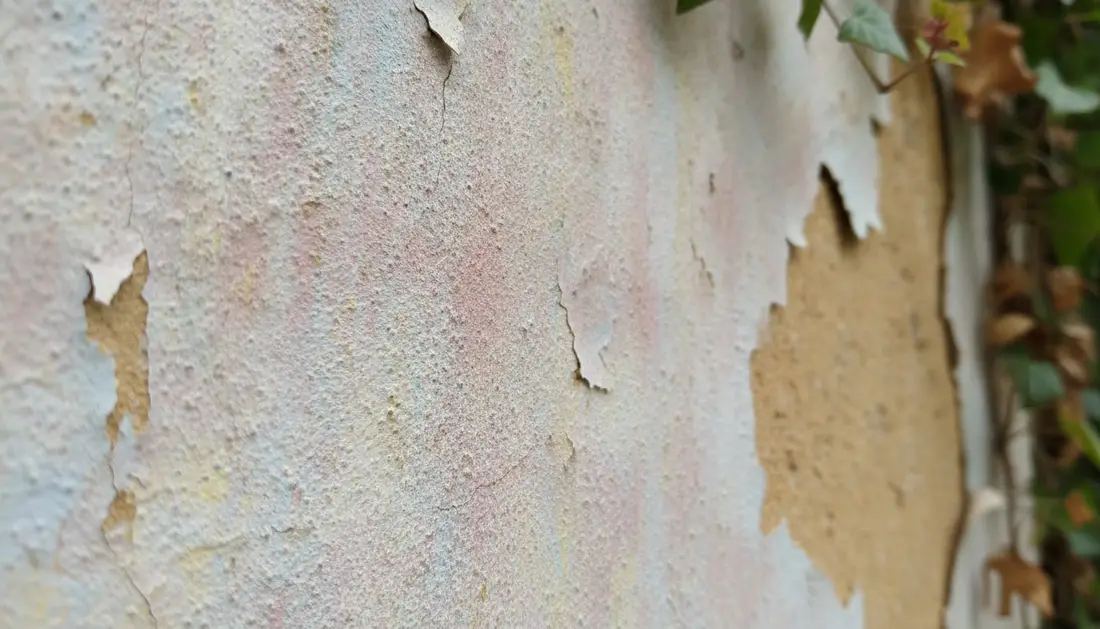
Use a recognised stabilising primer to key the surface before you apply a new coat. That step gives a durable finish and reduces repeat work.
Paintingpricepersquaremeter.co.za connects you with independent contractors who quote transparently for your specific restoration. This short guide will show you how to spot the problem, prepare the wall and budget for lasting results without pushy sales pressure.
What causes chalky, flaking exterior walls?
Over many years, UV and moisture can break the binder and leave a visible white residue on the surface. Industry guidance describes chalking as a white, chalky powder forming on the paint film.
Why it matters: the finish fades, colour lightens and the overall finish quality drops. This affects your home’s look and can increase restoration costs later; see our paint-problem guides for related faults.
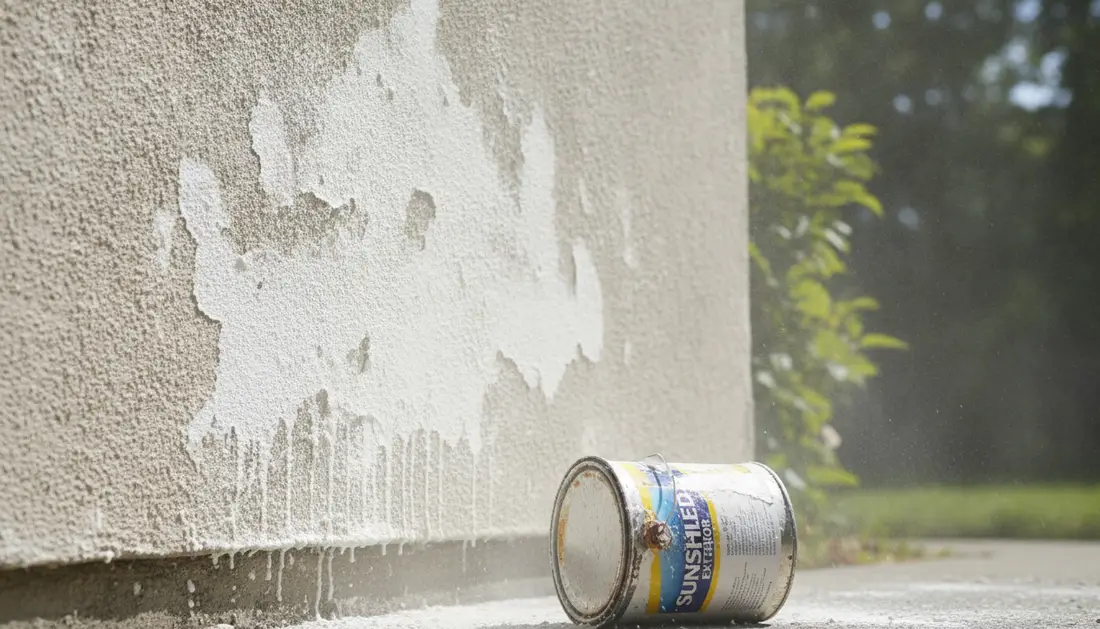
“Nearly all paints will show some chalking when they are subject to outdoor exposure over many years.” — industry guidance
- Chalking happens when binder degrades from sun and moisture, releasing pigment from the surface.
- Rub the surface with your finger: a white dust is a clear sign.
- Flat and light-coloured products with lots of titanium dioxide often show this faster.
- An expert can confirm whether the issue is only surface-level or needs product replacement.
| Sign | Likely cause | Immediate action |
|---|---|---|
| White residue when rubbed | Binder breakdown from exposure | Wash and test adhesion |
| Faded finish | Years of weathering | Consult an expert for product choice |
| Rapid re-chalking after job | Poor product or insufficient prep | Consider full strip and correct primer |
The Science Behind Surface Degradation
Constant UV and moisture attack the chemical bonds in a coating, leaving loose pigment on the surface. Over years, sunlight acts as a catalyst that thins the resin layer and exposes the pigments beneath; exterior paint lifespan depends on the product.

The Role of UV Exposure
Sunlight delivers ultraviolet energy that breaks molecular links in the binder. South-facing faces often show more rapid disintegration because of prolonged sun exposure; the choice between smooth vs textured exterior coatings affects durability.
Quick points:
- The sun’s UV is the main driver of binder breakdown and the resulting chalking problem.
- Intense, repeated sunlight weakens the resin so pigment becomes loose over time.
- Weather and seasonal extremes speed the process, especially where surfaces stay hot and dry.
Binder Breakdown
When the binder fails, pigment particles no longer bond and a powdery residue forms. Moisture trapped under the film can accelerate this chemical failure.
What you need to know: proper surface preparation is vital. If loose residue remains, any new finish will fail faster; what exterior repainting costs covers stripping and recoating. An expert can test adhesion and advise the right product and prep to restore a durable finish.
Identifying Chalking Through Physical Testing
A quick hand-rub on a sunlit portion of the house is the fastest way to check if the surface has loose dust from paint chalking.
Rub a clean finger across a 10cm square of the finish. If a noticeable white residue or dust transfers, that is a clear sign of chalking, which can progress to flaking and what causes peeling paint if left.

An expert will use the same physical test to judge how deep the problem runs and what cleaning step to recommend.
Why this matters: loose residue prevents new coatings from bonding. Industry guidance advises removing pigment residue and dirt before you apply any new layer to the wall.
- Check several areas to see if the problem is uniform across the surface.
- Remove all dust and chalk before repainting; otherwise the new finish will fail sooner.
- Early detection saves time and lowers the cost of full restoration later.
Essential Preparation Before Repainting
Before you open a tin, make sure the surface is clean, dry and free of loose residue. Proper prep is the cheapest way to avoid rework and to make your new coat last.
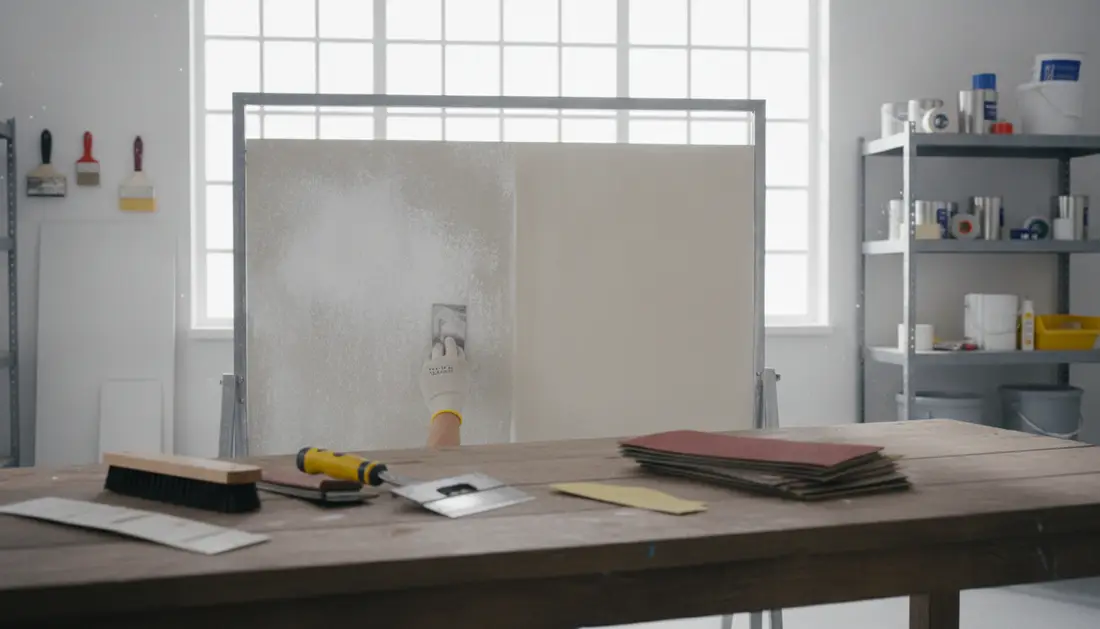
Cleaning and Washing Techniques
Begin with a full wash using a detergent made for repainting. We recommend a paint-prep house wash to remove dust, dirt and loose residue surface.
For weatherboards, scrub with a soft-bristled brush or broom rather than waterblasting. This avoids damage and removes more loose dust from joins and gaps.
The Importance of Bonding Liquid
Applying a bonding liquid seals degraded areas and gives a consistent base for the new coat. It reduces the chance of failure caused by moisture or poor adhesion.
Use a recognised bonding product and follow the manufacturer’s drying times before you continue to painting.
Removing Loose Residue
Scrub until no loose chalk or dust transfers to your cloth. If residue remains, your new paints will not stick and the job will fail quickly.
Allow surfaces to dry fully for several days in dry weather. Moisture trapped under a fresh coat is a common cause of early failure.
| Step | Action | Why it matters |
|---|---|---|
| Wash | Use a paint-prep house wash; scrub with soft brush | Removes dirt and loose residue surface for better adhesion |
| Bond | Apply a bonding liquid per instructions | Seals the surface and creates a stable base for the coat |
| Dry | Wait until fully dry—usually a few days in dry weather | Prevents moisture-related failure of the new finish |
“Proper preparation involves a wash, bind, and coat sequence to ensure the new paint adheres.”
Environmental Factors Affecting South African Homes
South African sun and sudden weather swings make regular inspections essential for any home’s outer finish.
The intense sunlight and UV exposure here speed up binder breakdown and increase the risk of chalking on exposed surfaces. North-facing areas usually show the earliest signs because they get the most direct sun across the year.
Coastal humidity and inland heat both cause problems. Moisture in seaside areas can swell fibres and trap damp under the film, while Pretoria- or Kimberley-style heat cycles stress the product and cause faster degradation.
Watch for signs such as powder transfer, faded colour and rapid failure after a recent job. Dirt and road grime often hide early chalking, so a close inspection and a wash are sensible first steps.
“Understanding local conditions helps you choose paints and primers built for South African weather.”
- Inspect north-facing and high-exposure areas first.
- Consider high-quality products designed for local sun and moisture.
- If the home is over ten years old, plan for more extensive surface prep and testing.
When should you call a professional?
Our quote request process connects you with independent contractors who inspect your home and advise on the best way to restore the surface.
Our platform lets you request up to three painting quotes, or up to five where available. Contractors visit the site, test adhesion, then provide a final quote with timelines and warranty terms.
Utilising Our Platform for Quote Comparisons
Industry experts remind users that chalk paint is not a miracle for outdoor use, so expect realistic, practical recommendations.
What to expect:
- Compare quotes that itemise access, labour, prep, product and coat application.
- Independent contractors manage the work, including cleaning, bonding and final coats.
- Confirm warranties and the written scope before any work starts.
Use comparisons to judge value, not just the lowest price. An experienced contractor will advise on the best brush or roller techniques to get a durable finish in sun‑exposed areas.
Securing Long-Term Protection for Your Property
Regular maintenance and timely recoats keep minor surface problems from becoming costly repairs. Tackle the root causes of paint failure, such as chalking and binder loss, before they spread.
Stay ahead of sun exposure and harsh weather conditions by scheduling regular cleaning and quick touch-ups. This approach helps the surface resist the effects of sunlight and seasonal change.
An expert-led plan — including prompt washing, correct bonding and a professional coat — preserves your home’s value and cut future costs. Use quality materials and consistent care to prevent recurrence.
Ready to start? Visit paintingpricepersquaremeter.co.za to request a quote and begin your restoration with confidence.
FAQ
Why does paint rub off as a powder on my house?
Paint can form a fine powder when the film breaks down. Sunlight, moisture and poor-quality products speed up binder breakdown so the coating loses adhesion and leaves a residue on the surface. In South Africa, strong UV and coastal salt can make the problem show sooner.
How can I tell if a surface is degraded and needs attention?
Do a simple rub test with a white cloth. If you get a dusty mark, the surface is losing pigment and binder. Check for flaking, loss of sheen and uneven colour. Those signs mean you should prepare the area before recoating rather than simply applying more product.
What cleaning steps should I follow before repainting?
Start with a low-pressure wash to remove dust, loose residue and mildew. Use a masonry cleaner or diluted household bleach for mould, then rinse thoroughly. Allow the substrate to dry fully before any further preparation or coating.
Is a bonding liquid necessary on powdery surfaces?
Yes. Bonding liquid, also called acrylic primer or stabiliser, penetrates the degraded layer and improves adhesion for the new coating. It’s especially important where the rubbing test shows significant powdering.
How do I remove loose residue safely?
Use a stiff brush or a medium-grit sanding block to remove flaky material, followed by washing. For large areas, a mechanical sander or shot-blasting may be needed, but that is best handled by contractors to avoid damage.
Which paint types resist future powdering better?
Quality 100% acrylic masonry paints offer stronger binders and UV resistance than older vinyl or low-grade emulsions. Look for reputable brands with warranties and specific exterior, high-UV formulations for South African conditions.
How much extra prep affects cost in a quote?
Surface stabilising, scraping, sanding, cleaning and priming add to labour and material costs. Quotes usually itemise prep per square metre. Expect higher fees where extensive removal or repairs are required; ask contractors to list these items in writing.
Can I paint over a slightly powdery area without primer?
No. Painting over an unstable, dusty layer will reduce the new finish’s lifespan. Apply a stabiliser or primer designed for degraded surfaces to ensure a durable topcoat and avoid early failure.
How do environmental factors in South Africa change my maintenance plan?
Inland sun, coastal salt and summer thunderstorms all influence longevity. Coastal properties need more frequent cleaning and corrosion-resistant systems. Include local exposure and access in quotes so contractors account for expected maintenance intervals.
When should I get a professional site visit?
If rubbing covers broad areas, if there is blistering, or when repair involves heights or special access. Use our platform to request up to three quotes from independent contractors who can assess prep work, recommend products and provide written pricing.
What warranties should I insist on for a repaint after stabilising?
Ask for a written workmanship warranty and product guarantee. Confirm what the contractor covers, duration of the warranty, and any exclusions for environmental damage. Ensure the quote names the materials to be used.
Related painting cost guides
Ready to compare?