
Door, Window and Trim Painting Costs in South Africa
Enamel work on doors, frames, skirtings, fascias, and pergolas – priced per item and per metre
Quick answer
R4 570–R6 310 trim total4 doors · 6 windows · 40 m
Door, window frame and trim painting costs in South Africa – enamel on wood and steel priced per item and per metre, with prep and undercoat notes.
Instant estimate
Door, window & trim painting calculator
Trim is priced per item and per metre, not by wall area — count doors, window frames and skirting.
14 min read
On this page
Curious which budget will give you a lasting finish? If you are planning a refresh, knowing the likely price per square metre makes the choice easier.
Interior work typically ranges from R60 to R200 per square metre, while exterior jobs commonly fall between R80 and R250 per square metre in 2026. These figures reflect typical material and labour blends across the country.
Our platform, paintingpricepersquaremeter.co.za, gathers real quotes so you can compare realistic estimates. We break down how surface prep, paint quality and access affect final costs.
Read on to learn how to balance price with durability and the key questions to ask before you hire. Armed with clear figures, you can choose a solution that protects your home and matches your budget.
How much does it cost to paint doors, windows and trim in South Africa?
The South African paints market is evolving quickly, and that shift affects what you pay for interior and exterior work.
Market forecasts put the industry at about R34 billion by south africa 2026, with steady growth. This growth brings more premium paints and higher service standards.
Professional contractors now factor in labour complexity, surface preparation and paint quality when they set a price per square metre. These elements explain why quotes can vary between providers; browse all our cost guides for other surfaces.
- Homeowners should check surface condition and required finishes before requesting quotes.
- We provide data to compare prices and service options across major cities.
- High-performance paints raise upfront costs but give better long-term protection.
| Factor | Typical impact | What to confirm |
|---|---|---|
| Surface prep | Medium–High | Extent of sanding and repairs |
| Paint quality | High | Brand and warranty |
| Labour & access | Variable | Site access and scaffolding needs |
Use clear quotes and compare per square metre pricing, and run through our painter-vetting questions, to choose the best value for your project.
Essential Factors Influencing Your Painting Budget
Surface condition and worker access are the two biggest variables that shape your project budget. These factors affect how much time, labour and materials you need for a good finish.
Surface Condition and Preparation
Poor or glossy surfaces need sanding, filling and priming. That preparation can add 10–20% to overall expenses.
Proper prep improves adhesion and long-term durability. Use a universal undercoat on interior and exterior areas to avoid premature failures; on metal, our rust-priming guide is essential.
Labour and Access Requirements
Labour is a primary driver of price. Professional rates in south africa range from about R450 to R900 per hour, with specialised teams reaching R900 per hour for complex work.
Working at height, awkward areas or restricted access raises rates and extends time on site, increasing the per square metre figure.
- Check that quotes list prep, coats and materials.
- Confirm warranties and terms in writing with your contractor.
- Factor in high-quality paint for exposed areas to safeguard against weather and wear.
| Factor | Typical impact | What to confirm |
|---|---|---|
| Surface condition | Medium–High | Extent of sanding and priming |
| Labour & access | High | Hourly rates (R450–R900) and scaffolding needs |
| Paint quality | High | Brand, coats and expected durability |
Should you paint doors and trim yourself or hire a pro?
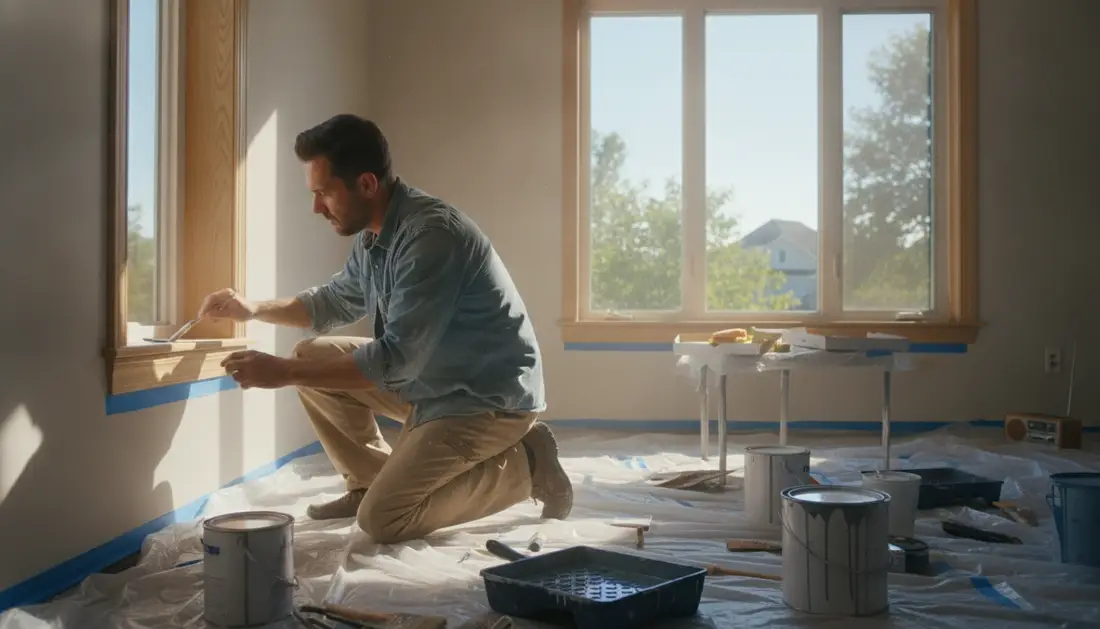
A clear choice between pro teams and DIY comes down to expertise, available hours and the finish you expect.
Professional teams in South Africa often achieve consistently high customer satisfaction by using precise application techniques and high-quality paints. They work faster and deliver a consistent surface, which reduces long-term repair needs; peeling paint repair cost guide shows what failures cost to fix.
DIY can save 30–50% on labour, but projects take 2–5 times longer and require R500–R2000 for supplies. Mistakes can add 10–25% to your total costs if you need corrective work.
- Pros: professionals charge R150–R500 per square metre and bring speed, warranty and matched paints for interior surfaces.
- Cons: DIY gives control and lower upfront fees, but it costs more time and can compromise quality.
- Use our platform to compare quotes and check if pro options fit your renovation budget.
Decide by balancing time, expected quality and the likely long-term prices of rework — often peeling paint, explained.
| Approach | Typical per square metre range | Time | Risk to quality |
|---|---|---|---|
| Professional | R150–R500 | Fast (days) | Low; includes warranty |
| DIY | Labour saved; supplies R500–R2000 | Slow (weeks) | Medium–High; errors can add 10–25% to final prices |
| Decision tip | Compare quotes per square metre | Assess your available time | Confirm surface prep and paint type in writing |
What does it cost to paint doors and trim?
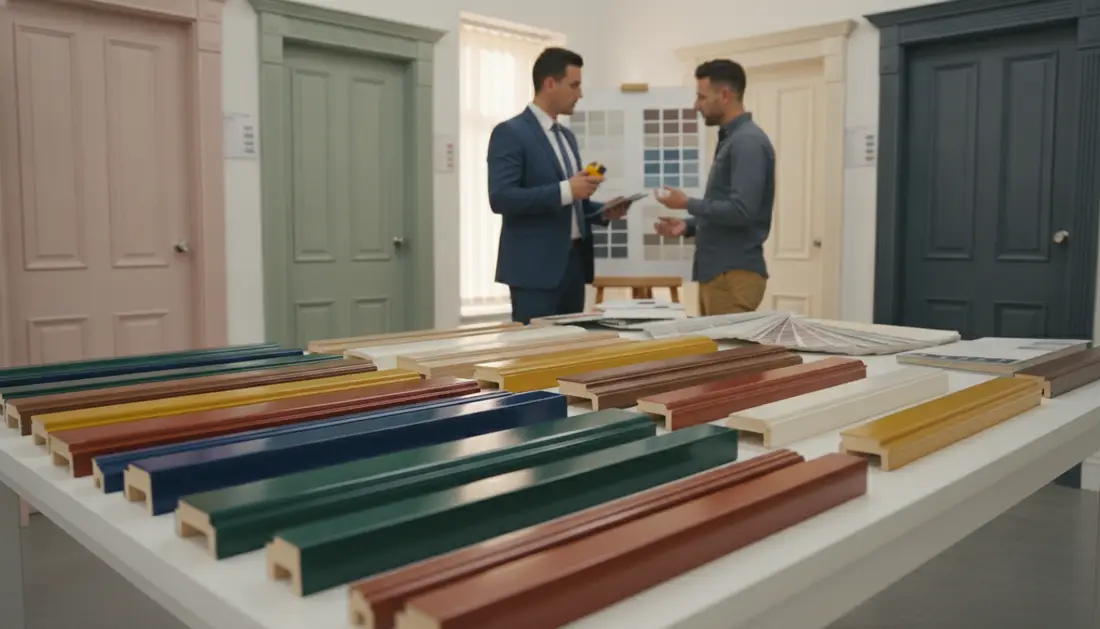
Trim and architectural elements often attract higher per-item and per-metre prices because of extra preparation and access needs.
Interior Door and Skirting Rates
Interior door finishes typically range from R200 to R500 per item depending on size and prep. Skirting boards are priced per metre; expect bands that reflect sanding and number of coats.
Steel Window Frame Costs
Steel frames need specialised preparation to remove corrosion and promote adhesion; what metalwork painting costs covers them in full. Typical charges sit between R300 and R700 per unit based on size and surface condition.
Fascia and Pergola Beam Pricing
Fascia boards and pergola beams are priced per metre. Rates rise when access is difficult or when multiple coats are required for a durable finish.
- Labour: complex trim work can reach R900 per hour for meticulous prep and high-quality paint application.
- Preparation—sanding old gloss and using a universal undercoat—remains essential for lasting results.
- Request quotes that specify enamel type and expected coverage in writing.
| Item | Typical price band | Unit | Key factors |
|---|---|---|---|
| Interior doors | R200–R500 | per item | Size, prep, number of coats |
| Skirting boards | R40–R120 | per metre | Length, surface condition, finish |
| Steel window frames | R300–R700 | per unit | Rust prep, primer, access |
| Fascia / pergola beams | R150–R350 | per metre | Height, access, number of coats |
Use our quote request process to receive up to three independent estimates that reflect materials, labour costs and the exact preparation requirements for your project.
Technical Requirements for Enamel Systems
A correct enamel system starts with surface prep, not the final coat. That decision usually determines how long a finish lasts on interior wood and metal surfaces.
Over‑coating old enamel with PVA is a common failure in South Africa. This mistake often causes widespread peeling and forces costly remedial work.
Proper preparation follows a clear sequence: sand glossy film back, apply a high‑quality universal undercoat, then finish with a quick‑dry (QD) or water‑based enamel. Each step affects adhesion and durability.
The risks of over-coating old enamel
- Peeling: PVA over enamel can separate and lift whole layers within a few years.
- Hidden defects: Poor prep hides issues that later show through the new finish.
- Higher long‑term costs: Rework raises labour and materials per square metre.
Tip: Ask contractors to list prep, primer brand and enamel type in writing. Skilled teams account for these technical steps when they set a project price and timeline.
Comparing Oil-Based and Water-Based Enamel Finishes
Choosing an enamel type affects durability, drying time and indoor air quality for your interior surfaces.
Oil‑based enamel gives a harder, more durable film and a very smooth finish. It usually takes longer to dry and has higher VOC levels, which means more ventilation and longer labour time on site.
Water‑based enamel is now popular with many south african homeowners. It dries quickly, smells less and resists yellowing over time. That makes it a common choice for busy households and faster project turnaround.
- Durability: oil typically scores higher; water‑based still offers strong wear resistance.
- Application: water‑based needs fewer downtime hours; oil requires longer drying and more skilled labour.
- Preparation: sanding and priming remain essential for both types to secure adhesion and long life.
Our pricing guidance shows that your choice of paint type influences total costs and the price per square metre. Discuss the trade‑offs with your contractor to match finish, quality and materials to your project and budget.
Regional Price Variations Across Major Cities
Prices for painting jobs vary notably between Johannesburg, Pretoria and Cape Town because local labour and living expenses differ.
Johannesburg typically shows rates 10–20% higher than Pretoria. Higher demand and living costs push up labour rates and materials prices.
Pretoria often offers lower rates for the same interior work, especially on small projects where access and size reduce time on site.
Cape Town reflects its own market: tourist and coastal factors affect availability of certain paints and the labour pool.
_Use localised data_to compare quotes. Ask contractors to itemise labour, materials and prep so you can compare like‑for‑like.
“Regional variations are driven by labour rates, material availability and project size—get at least two quotes to see the gap.”
- Confirm hourly rates and expected coverage per coat.
- Check material brands and accessibility issues that change timelines.
- Request three independent quotes via our platform for fair comparisons.
| City | Typical variation vs Pretoria | Key influencing factors |
|---|---|---|
| Johannesburg | +10–20% | Higher living costs, stronger demand, higher labour rates |
| Pretoria | Baseline | Lower labour rates, good material access for local projects |
| Cape Town | ±0–15% | Coastal supplies, seasonal demand, access and project size |
Quality Standards and Warranty Expectations
Quality standards tie directly to preparation time, materials and the guarantees contractors provide. You should expect clear, measurable steps that protect the finish and the long‑term durability of your surfaces.
Documenting Terms and Warranties
Ask for written warranties. Reputable south african contractors typically offer warranties from one to five years, depending on paint type and surface condition.
Confirm in writing what is covered and what voids the warranty, such as incorrect care or unauthorised DIY repairs.
- Ensure the quote itemises preparation, primer and final coat materials.
- Check whether peeling, fading or adhesion failures are included.
- Note exact timeframes and any maintenance requirements to keep the warranty valid.
“Documenting terms prevents disputes and clarifies the expected finish and longevity.”
Use our platform to request detailed quotes that state the quality of paints, the preparation process and the specific warranty cover. Investing in written guarantees gives you peace of mind and protects your property for years to come.
Navigating Our Quote Request Process
Getting multiple estimates quickly gives you control over quality, materials and per square metre rates.
Our quote request process helps you assess local rates and the main factors that affect price: surface preparation, paint type and labour time.
How it works for your home
- Tell us the size of the areas and the type of paint you prefer for interior or exterior sections.
- Provide details on surface condition and any prep you expect us to include.
- Request up to three quotes so you can compare prices, quality and timelines from independent contractors.
Our quote request process is designed to make this simple and transparent. Independent contractors use your details to estimate materials, labour and time so you see a clear picture of the investment.
| Step | What you provide | What you get |
|---|---|---|
| 1 | Project size, areas, prep notes | Up to 3 independent quotes |
| 2 | Preferred paint type and finish | Material and labour breakdown |
| 3 | Schedule and access notes | Estimated timelines and rates per square metre |
Visit paintingpricepersquaremeter.co.za to begin and make informed choices that match your budget and quality expectations.
Final Thoughts on Investing in Your Property
A professional finish can raise resale value and shield surfaces from local weather. Consider long‑term gains when you choose materials and labour. Our pricing data on costs south africa helps you weigh upfront spend against years of protection.
While some initial estimates may seem higher, quality paint and proper prep reduce maintenance and rework. Compare rates, confirm prep and primer in writing, and match the finish to your property’s size and exposure.
Use our platform to request quotes, compare variations in rates and make a choice that balances price with durable, attractive finishes for your living space.
FAQ
What influences door, window & trim painting prices in South Africa?
Several factors change the final price. The condition of the timber or metal, how much preparatory work is needed (sanding, filling, rust treatment), the type of enamel or topcoat, access and scaffolding requirements, number of coats, and the contractor’s labour rate all matter. Expect higher rates for heritage profiles, custom finishes, or areas requiring specialist primers.
How do surface condition and preparation affect the budget?
Poor surfaces require more work and materials. Peeling enamel, rot, rust or deep gouges need stripping, repairs and priming before topcoats can be applied. That raises labour hours and product use. Good preparation improves durability and reduces rework, so confirm what prep is included in any quote.
How much should I budget for labour and access requirements?
Labour is often the largest line item. Rates vary by city and complexity; some contractors charge hourly (for example, around R900 per hour in higher-cost areas) while others price per item or per square metre. Add costs for scaffolding, elevated work platforms or traffic management if access is difficult. Always ask whether travel, set-up and clean-up are included.
When is DIY a viable option versus hiring a professional?
DIY can save money on simple, small interior jobs if you have the right tools and skill. Professionals are recommended for exterior timber, metalwork, high-traffic areas or where warranties and compliance are required. Professionals deliver consistent finishes and manage technical enamel systems and corrosion protection.
What are typical rates for interior doors and skirtings?
Prices depend on size, profile and finish. A basic single-panel interior door with standard preparation and two topcoats will cost less than a flush, moulded or glazed door. Skirtings and architraves are usually priced per linear metre. Ask for per-item and per-square-metre breakdowns to compare quotes fairly.
How much do steel window frames usually cost to refurbish?
Steel frames need careful rust treatment, etching primer and an appropriate enamel. Costs rise with frame quantity, removal/replacement of glazing, and access. Expect higher labour input and specialist primers compared with timber, so request a written specification of surface preparation and products.
What should I expect for fascias and pergola beam pricing?
Exposed fascias and pergola beams require weatherproof coatings and possibly preservative treatment. Large beams and high fascias may need scaffolding. Pricing reflects size, exposure, number of coats, and whether timber repair or replacement is necessary. Clarify whether gutters and flashing are included in the scope.
What are the technical requirements for enamel systems?
Enamel systems demand correct primers, undercoats and topcoats suited to substrate and exposure. Follow manufacturer instructions for dry film thickness and intercoat times. Proper surface preparation and compatibility testing avoid adhesion failure. Ask contractors which brands and product data sheets they will use.
What are the risks of over-coating old enamel?
Over-coating without stripping or adequate preparation can cause cracking, blistering or flaking. Old, brittle enamel may hide underlying rot or corrosion. A test patch and adhesion test should form part of any quote so you know whether full strip-and-recoat is necessary.
How do oil-based and water-based enamel finishes compare?
Oil-based enamel gives a hard, durable finish but takes longer to dry and has stronger odour. Water-based (acrylic) enamel dries faster, has less odour and is easier to clean up, with improved long-term flexibility. Choose based on substrate, desired sheen, environmental considerations and warranty terms.
Do prices vary across major cities and regions?
Yes. Metropolitan areas usually show higher labour and material mark-ups than smaller towns. Cape Town, Johannesburg and Durban often have different rates due to demand and access. Obtain quotes from local contractors to capture regional variations.
What quality standards and warranty expectations should I request?
Ask for a clear written scope, paint brand and product codes, number of coats, surface prep details, and expected longevity. Reasonable workmanship warranties run from 1–5 years depending on the contractor and the system used. Confirm what voids a warranty (e.g. neglect or water intrusion).
How should I document terms and warranties?
Get everything in writing: itemised costs, preparation details, paint brands, coat counts, start and completion dates, and warranty wording. Keep invoices and product data sheets. This protects you and makes it easier to compare quotes.
How does your quote request process work?
You may request up to 3 quotes, or up to 5 where available, from independent contractors. Site visits by contractors are recommended for accurate bids. The contractors handle final pricing, timelines, permits and warranties. Use the written quotes to compare unit rates, material spec and inclusions.
What should homeowners confirm before accepting a quote?
Confirm scope details (preparation, number of coats), product brands, lead times, whether primer and undercoats are included, access and protection of surrounding areas, warranty terms, and payment schedule. Ask for references or recent job photos for similar work.
Related painting cost guides
Ready to compare?