
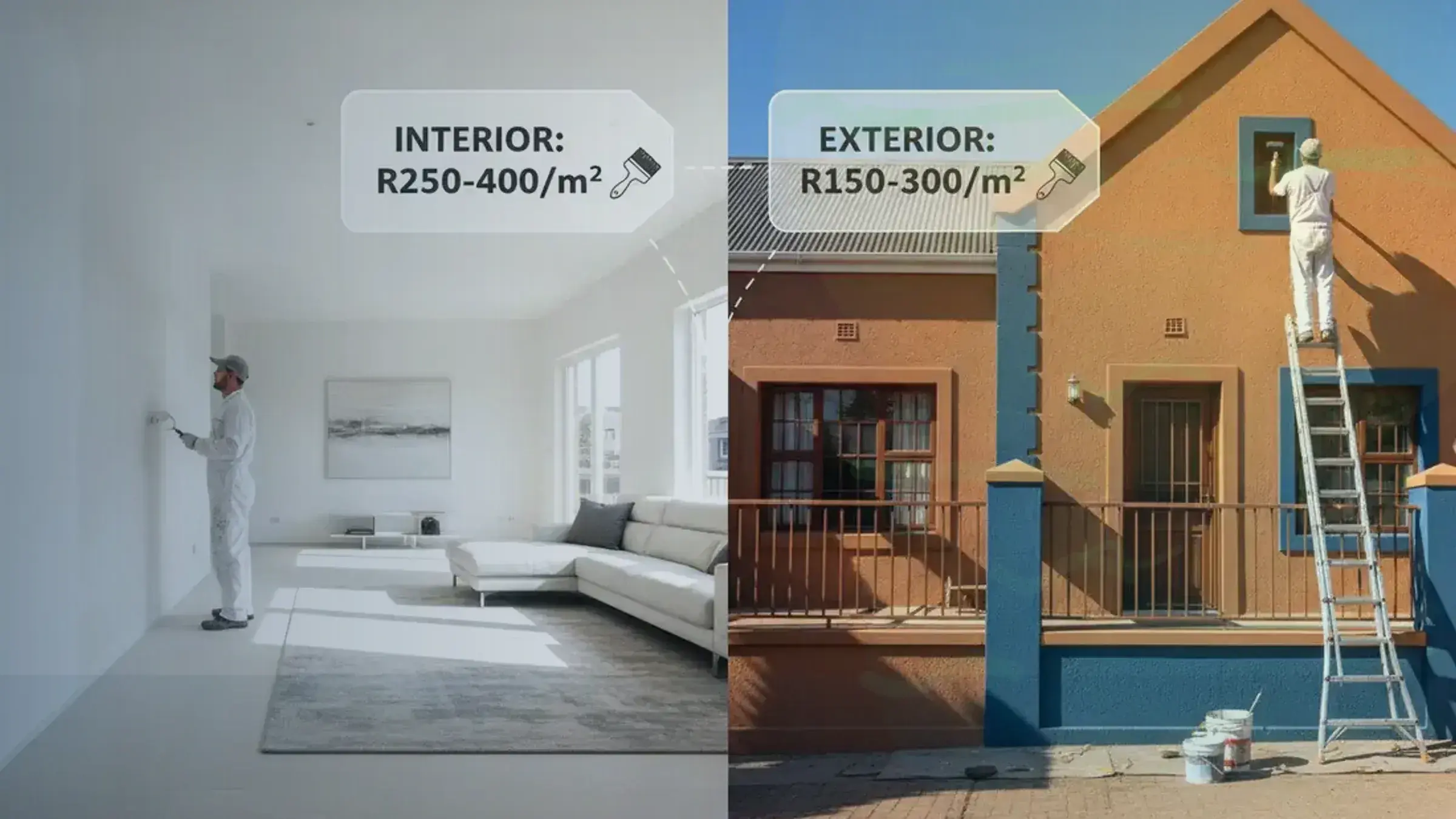
Interior vs Exterior Painting Costs: Why Outside Costs More
Weather exposure, prep depth, access, and coating systems – the structural reasons behind the price gap
Quick answer
Interior vs exterior painting costs compared – why outside work costs more through weather prep, access, coating systems and seasonal scheduling.
15 min read
On this page
Which hidden factors make one job far pricier than the other? That question matters if you want sensible budgeting for your house or a single room refresh.
Experienced local contractors show how preparation, access and quality paints change the final figure.
Our platform, paintingpricepersquaremeter.co.za, offers clear pricing guidance so you can compare price per square metre and request quotes.
Surface condition, number of coats and the type of finish all raise or lower the invoice. External jobs often need stronger materials and special access gear, which adds labour and time.
Before you pick a contractor, check how they quote for surface preparation and materials. That is where long‑term value is decided.
Understanding the Interior vs Exterior Painting Cost South Africa
Knowing what drives price per square metre lets you compare quotes and pick the right contractor.
Typical pricing for inside work runs from R35 to R50 per square metre — interior painting rates per m² goes deeper. A standard room project with two coats of quality paint commonly falls between R1,800 and R2,500.
The market in south africa is competitive. Regional variation and contractor expertise affect final prices. Contractors inspect wall condition to set an accurate quote.
- Surface preparation is key: filling, sanding and priming add time and materials.
- Higher-quality paints and more coats increase durability in high-traffic living areas.
- DIY saves labour but often sacrifices a long-lasting finish.
Compare at least three quotes through our platform to see how pricing changes with size, materials and workmanship; our other our painting cost comparisons help you decide. Confirm in writing what surface prep and number of coats the price includes.
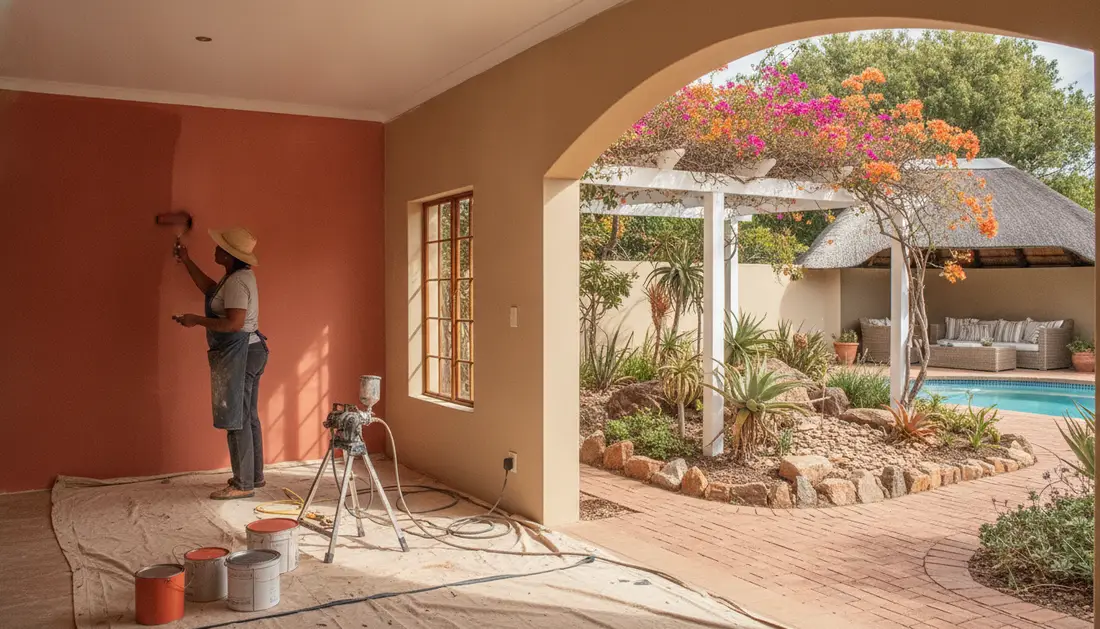
| Item | Typical range | Notes |
| Per square metre | R35 – R50 | Depends on wall condition and access |
| Standard room (2 coats) | R1,800 – R2,500 | Includes quality paint and basic prep |
| Extra prep / repairs | Variable | Quoted after inspection |
Why Exterior Projects Command Higher Prices
Protecting a home’s outside surfaces requires premium products and access solutions, which raises overall pricing. In south africa, typical exterior painting costs sit between R40 and R60 per square metre — see exterior painting rates per m² — because materials and labour must resist sun, wind and damp.
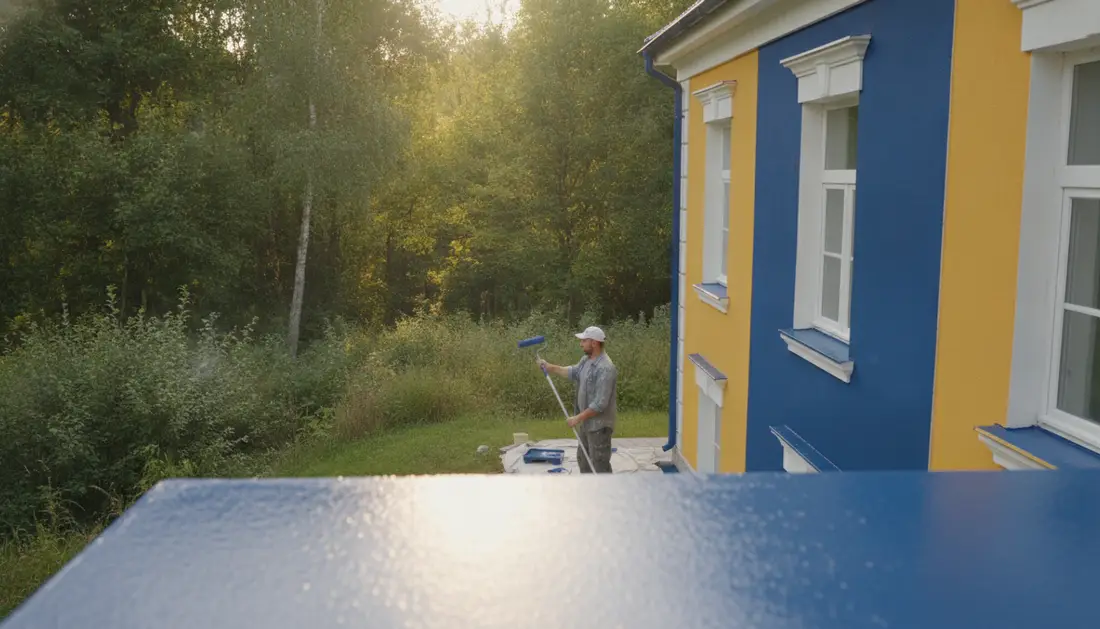
Weather-resistant requirements
High UV and changing humidity force contractors to choose specialised paints and primers; when to paint outside in South Africa also affects exterior results. These products reduce chalking, peeling and moisture ingress and so cost more per square metre.
Preparation matters: pressure washing, waterproofing and repair of weathered surfaces add time and materials. If walls are damaged, the quote will reflect extra surface work before any coats go on.
Access and scaffolding needs
Tall or complex rooflines often need scaffolding, lifts or safety harnesses. That rental and the additional labour raise the final price of the job.
- Premium paints and sealants increase material spend.
- Scaffolding and safety equipment raise labour and time charges.
- Architectural details or large areas push prices higher.
| Driver | Impact on price | What to confirm in a quote |
|---|---|---|
| Weather‑resistant materials | Higher per square pricing (R40–R60) | Brand and warranty of paints |
| Access / scaffolding | Extra rental and labour | Itemised scaffold and safety costs |
| Surface preparation | Time and material add‑ons | Pressure wash, repairs, priming included? |
Compare at least three quotes and ask contractors to itemise materials, access and prep. That way you see exactly what drives the price and choose the best value for your home.
The Role of Surface Condition in Your Quote
Contractors price work by what they see on your walls, not by the room’s size alone. A thorough inspection notes cracks, hollows, texture and any signs of damp.
What changes the per square price are repairs, sealing and priming. Extensive surface preparation can add around R10–R20 per square to standard rates. Ceiling work is typically higher: expect R25–R35 per square metre for overhead surfaces because they take more time and care.
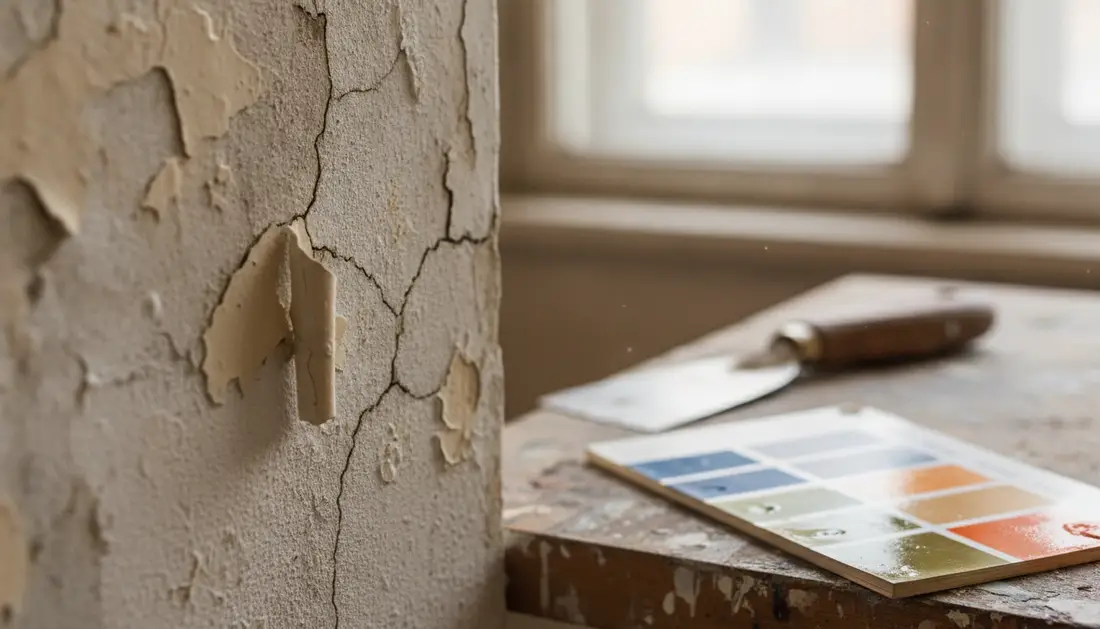
Assessing wall damage and damp
When you request a quote, a professional will check for salt, blistering or active damp. If waterproofing is needed, that becomes a separate line in the quote.
- Textured walls often use 20–25% more paint and more labour.
- Repair size matters: large patches raise the total project price more than small touch-ups.
- Photos of affected areas help contractors give a more accurate written quote.
Using quality paint is worthwhile, but only when the substrate is clean and primed. Skipping prep to save now usually leads to peeling and higher maintenance bills later.
| Issue | Typical per square impact | What to confirm |
|---|---|---|
| Minor cracks & filler | R5–R10 | Number of coats, filler type |
| Damp repairs / waterproofing | R10–R20 | Guarantee, method and drying time |
| Textured wall labour | 20–25% more paint use | Extra labour hours and material listed |
Mechanical and Labour Drivers of Price Gaps
In south africa, mechanical needs and skilled labour explain much of the variance between simple room work and a full house project.
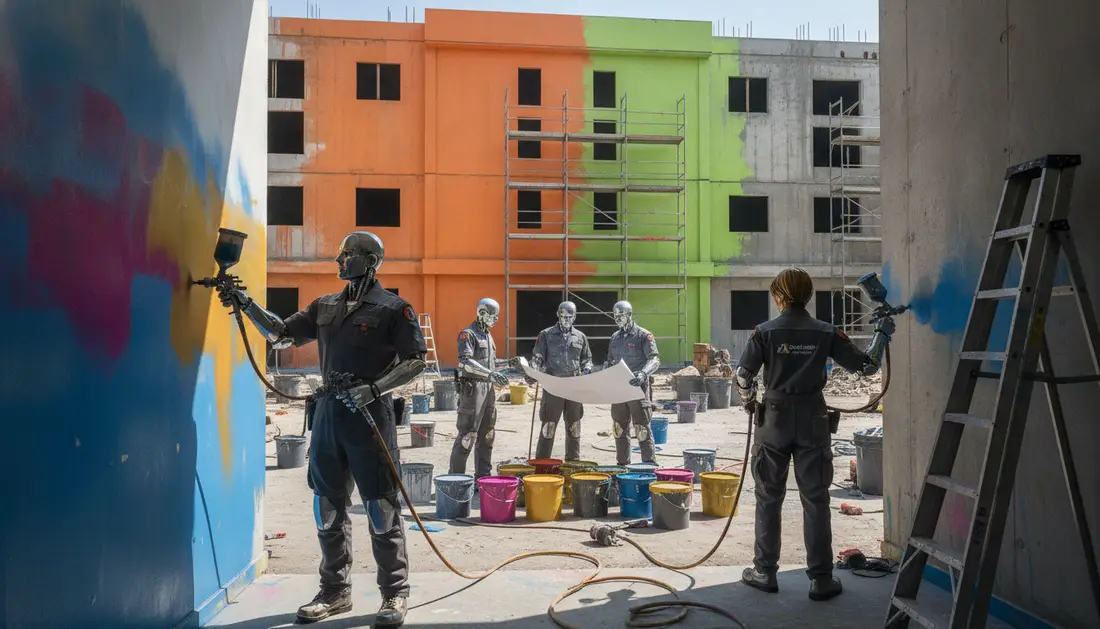
Labour is the single largest line on most quotes. Professional painters in the market charge roughly R450–R900 per hour depending on skill and task complexity.
Mechanical factors add to that total. Scaffolding, lifts or industrial sprayers raise the bill quickly for tall walls or complex rooflines.
Preparation and multiple coats require time and discipline. Contractors include professional‑grade tools and consumables in their pricing to ensure a lasting finish.
- Size and height of the home determine how many hours a team will need.
- Complex trim, high ceilings or hard access increase labour time and precision requirements.
- Experienced crews charge more, but reduce the risk of rework.
| Driver | Typical effect | What to confirm in your quote |
|---|---|---|
| Hourly labour | R450 – R900 per hour | Hours estimated, team size |
| Access / equipment | Scaffolding / sprayer rental | Itemised equipment and rental days |
| Surface preparation & coats | Extra labour & materials | Number of coats, priming, clean‑up included? |
Always get the scope in writing. That helps you compare prices and understand why one quote is higher than another.
Environmental Impacts on South African Painting Schedules
Local climate shifts can force contractors to reschedule a job to protect the finish and the substrate.
Seasonal inversion effects
Temperature inversions trap polluted air and moisture close to the ground. That slows drying and reduces adhesion for exterior paint systems.
Contractors avoid work during strong inversions to prevent poor bonding and surface defects. This can change the timing and the price you pay for labour and materials.
Managing humidity levels
High humidity increases the risk of trapping moisture beneath new coats. That leads to bubbling and early failure of the finish.
Good surface preparation and controlled scheduling reduce those risks. Professionals will delay work, use suitable primers, and allow longer drying between coats.
- Peak summer and deep winter often bring less-than-ideal conditions for quality work.
- Some contractors offer off-season discounts to keep teams working, but confirm warranties.
- Discuss weather contingency plans in writing to keep your project on track.
| Condition | Effect on work | What to confirm in the quote |
|---|---|---|
| Temperature inversion | Slower drying; possible adhesion issues | Delay policy; dry-time allowance between coats |
| High humidity | Risk of bubbling and trapped moisture | Primer type; extended curing times |
| Off-season scheduling | Possible discounts; weather delays | Warranty terms; weather contingency plan |
Strategic Budgeting and Property Sequencing
Budget for repairs first, then plan the repainting phases. Prioritising damp fixes and cracks prevents further structure damage and saves money over time.
Complete the project in stages to manage cash flow and keep quality paint and materials in every phase. Ask your contractor to break down the price per room or section so you can sequence the work logically.
- Phase 1: Fix damp, repair walls and address leaks.
- Phase 2: Protect roofline and external walls to stop water ingress.
- Phase 3: Apply agreed coats and finish work with quality products.
“Get a written quote that lists paint brands, number of coats and labour days for each phase.”
| Phase | Typical per-room price | Priority |
|---|---|---|
| Repairs & waterproofing | R500 – R1,500 | Highest — prevents further damage |
| Protective coats (roof/walls) | R1,200 – R3,000 | High — secures exterior surfaces |
| Aesthetic repaint (rooms) | R800 – R2,500 | Medium — finish and appearance |
Note: A full exterior package for a typical three‑bedroom house usually ranges between R25,000 and R45,000. Professional services may offer discounts for multi‑phase work, reducing overall labour and materials prices.
Always confirm scope, brands and the number of coats in writing before the job starts. That keeps your project on budget and protects your home value.
Comparing Paint Quality and Material Specifications
Specifying the correct paint type for each wall and surface is a decisive step in getting lasting results. Your choice affects durability, the number of coats and the per square price you will pay.
Oil-based versus water-based options
Water-based acrylics are often chosen for exterior walls in south africa because they flex and resist UV damage. They dry faster and clean up with water.
Oil-based options work well in high-traffic interior rooms such as hallways and kitchens. They give a hard, washable finish but need careful application and solvent cleanup.
Finish durability
The finish you pick — matte, satin or gloss — changes how easy the surface is to clean and how well it hides flaws.
Higher-quality paints usually need fewer coats and give longer protection, which can lower long-term prices despite a higher per-litre spend.
Colour matching challenges
Touch-ups to older walls often reveal slight colour shifts. For a seamless result, painters commonly recommend repainting a full wall rather than patching.
| Use | Recommended | Effect on price |
|---|---|---|
| High-traffic room | Oil-based enamel | Higher upfront; fewer repairs |
| External wall | Water-based acrylic | Moderate; better UV life |
| Feature wall | Premium gloss/satin | Higher per square; aesthetic pay-off |
When you compare quotes, confirm the exact brand and type of paint to be used and what finishes are included in writing. That protects your budget and ensures the result lasts.
Navigating the Quote Request Process
Begin with a clear brief. Use our platform to connect with verified independent contractors near you. You may request up to three painting quotes so you can compare prices and services.
Ask each contractor to visit your home and inspect the walls. A site visit lets them note damp, repairs and exact area measurements for an accurate price per square metre.
Our pricing guidance recommends you supply room sizes, photos and any known problems when you request quotes. That reduces guesswork and prevents surprise add‑ons.
- A professional quote should list the cost per square, labour hours and the specific materials to be used.
- Confirm how surface preparation is priced and whether primers and repairs are included.
- Ask for warranty terms in writing before you sign any agreement.
“Get a written quote that lists paint brands, number of coats and labour days.”
| What to confirm | Typical note | Why it matters |
|---|---|---|
| Cost per square | R35–R60 (estimate) | Allows direct comparison of pricing |
| Surface preparation | Pressure wash, repairs, priming | Prevents premature failure |
| Materials & brand | Specify paint type and warranty | Quality affects long‑term prices |
| Labour & schedule | Team size, days, access needs | Clarifies time and total labour charges |
Essential Considerations for Long-Term Maintenance
A planned maintenance cycle keeps your home protected and avoids large repair bills later.
Most properties need repainting every five to ten years depending on exposure and surface wear.
Regular checks of your walls will reveal chalking, flaking or early damp. Fix small defects quickly to avoid major work.
- Use quality paint at the outset — it extends time between repaints and lowers long‑term prices.
- Ask for maintenance advice in your quote so you know how to clean and care for the finish.
- Keep a written record of brands and colours to speed future touch‑ups for the house.
- Address damp, cracks or loose plaster immediately to prevent expensive restoration later.
| Item | Typical cycle | Why it matters |
|---|---|---|
| Internal walls | 5–8 years | High‑traffic areas wear faster; quality paint pays off |
| Exterior surfaces | 6–10 years | Weather exposure shortens life; timely repair saves costs |
| Plaster & repairs | As needed | Early action prevents full restoration |
View routine work as investment: the small cost of maintenance beats the higher expense of full restoration. When you request a quote, confirm maintenance guidance and any warranty terms in writing.
Taking the Next Step Toward Your Property Transformation
Ready to move from planning to a finished home upgrade that fits your budget? Start by using paintingpricepersquaremeter.co.za to plan your expenses and compare realistic painting costs for your property in South Africa.
Whether you aim for a small interior refresh or a full exterior overhaul, our platform helps you request up to three independent quotes. Contractors inspect walls, list required prep work and confirm materials so the final cost reflects real needs.
Always confirm warranties, brands and the number of coats in writing. That protects your house and gives clear expectations for the work to be completed.
Visit paintingpricepersquaremeter.co.za to request quotes and begin your project with confidence.
FAQ
What makes interior and exterior painting prices different in South Africa?
The main drivers are surface exposure and required protection. Outdoor work needs weather‑resistant systems, more preparation and access equipment, which raises labour and material bills. Indoor jobs usually need less heavy‑duty coatings and simpler access, so per square metre rates are lower.
How much should I budget per square metre for indoor work and for outdoor work?
Budget ranges vary by city, surface condition and paint quality. Expect lower per square metre prices for rooms with sound plaster and standard emulsion, and higher figures for façades needing repairs, primer, sealer and specialised exterior paint. Ask tradespeople for itemised rates so you can compare materials, labour and surface preparation separately.
Why do weather‑resistant coatings increase the price on external jobs?
Coatings that resist UV, rain and mildew use higher‑grade binders and additives. They often require primers and multiple topcoats. Those product costs, plus longer drying and inspection times, add to the overall quote compared with standard interior emulsions.
How does access and scaffolding affect my quote?
If your property needs scaffolding, cherry pickers, or harnessed abseiling, expect significant additions to the labour and hire costs. Single‑storey homes are cheaper to access than double‑storey or complex rooflines. Get the contractor to show access plans and separate the access charge in writing.
What role does surface condition play in the final price?
Poor plaster, rust, flaking, or damp require repair, re‑rendering, rust treatment or damp proofing before any topcoat. These preparation steps can be the largest single cost on a quote. An on‑site inspection is essential to avoid surprises.
How will damp or wall damage affect the job schedule and price?
Damp treatment may include identifying source leaks, injecting or installing damp‑proof courses, and allowing extended cure times. Repairs add materials, specialist labour and time, so they push up both the quote and the project duration.
Which mechanical and labour factors drive price differences between inside and outside jobs?
Labour rates, crew size, productivity rates and specialised trades (roofers, scaffolders) influence price. External jobs often require larger teams and safety supervision, while internal work may be slower where fine cutting‑in and careful finishes are needed.
How do seasonal changes and local climate affect scheduling and cost?
Painting during wet or very humid seasons risks poor adhesion and longer cure times. Contractors may charge more for off‑season work or postpone until conditions improve. Plan work for drier months to keep timelines and recoat windows predictable.
What is a seasonal inversion and why should I care?
A seasonal inversion traps moisture and pollutants near the ground, increasing drying time and contamination risk for coatings. It can lead to film faults or premature failure on facades, so contractors factor this risk into timing and sometimes pricing.
How do humidity levels change paint performance and cost?
High humidity slows drying and can cause blistering or poor cure for both primers and topcoats. To manage this, tradespeople allow longer intervals between coats or use specialised fast‑dry products — both of which affect schedule and expense.
Should I prioritise which areas to paint first to save money?
Yes. Sequence work to tackle the worst surfaces first, address damp or structural repairs, then do external protection before attractive interior finishes. Prioritising helps spread costs and reduces the chance of rework if issues arise later.
How do paint types affect price and longevity?
Oil‑based products and high‑end acrylics have different costs and performance. Oil‑based primers or enamels can be pricier and need solvent handling, while modern water‑based acrylics often offer long life with lower VOCs. Choose based on the substrate and expected wear.
What finish choices influence the final quote?
High‑gloss and satin finishes require smoother preparation and more skilled application, increasing labour time. Textured or speciality coatings can add material costs. Confirm the finish level in writing to ensure the quote matches your expectations.
How difficult is accurate colour matching and what does it cost?
Exact colour matching, especially on weathered exteriors, may need test panels, multiple coats or tinted primers. Specialist tinting and additional trial work add to the quote. Ask for sample areas before full application.
What should I expect when requesting quotes from contractors?
Request up to three quotes, or up to five where available, from independent contractors. Ensure each quote itemises materials, primer and topcoat brands, labour hours, access costs and preparation work. Ask for written warranties and a clear start‑to‑finish timeline.
What maintenance considerations affect long‑term cost?
Regular cleaning, timely touch‑ups and prompt roof or gutter repairs extend coating life. Investing in higher‑quality materials and correct preparation often reduces total lifetime spend compared with cheaper initial options.
What must be included in the written quote to avoid surprises?
The quote should list the surface area, number of coats, paint brands and product codes, primer type, preparation tasks, access and scaffolding costs, warranty terms, start date, projected duration and payment milestones. Compare these points across quotes.
How do I take the next step after receiving quotes?
Check references, confirm contractor insurance and request a site inspection if not already done. Accept the quote that balances price, materials and clear workmanship guarantees. Schedule a start date and get the final agreement in writing before work begins.
Related painting cost guides
Ready to compare?