
Peeling Paint Repair Costs in South Africa
Scraping, stripping, priming, and repainting failed coatings – priced by how far the failure has spread
Quick answer
R2 153–R3 098 project total15 m² · R95/m² repair
Peeling paint repair costs in South Africa – scraping, stripping, priming and repainting failed coatings, priced by how far the peeling has spread.
Instant estimate
Peeling paint repair calculator
Estimate stripping, sanding and priming flaking areas, then a fresh repaint.
12 min read
On this page
Want to know how much you should budget per square metre for local touch-ups and lasting finishes?
Paintingpricepersquaremeter.co.za helps you compare prices and get realistic figures fast.
Experienced local contractors have offered expert service for decades, so you can rely on practical, time‑tested guidance.
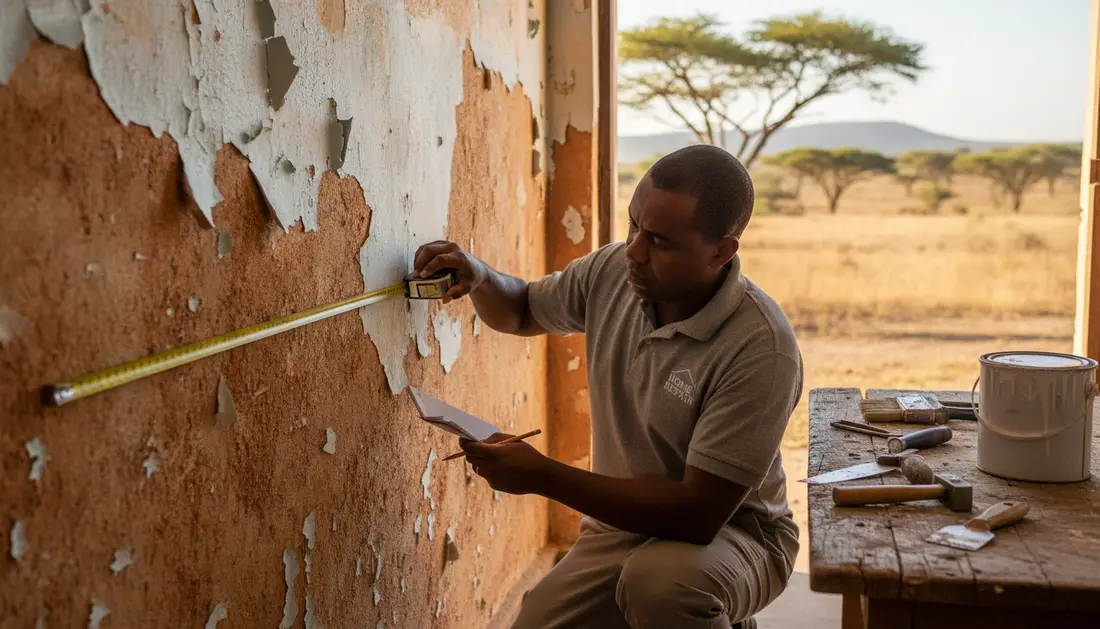
Homeowners often see surface damage and underestimate what comes next. The final figure depends on surface prep, materials, labour and access; what prep work and painting costs covers the prep side.
Whether it is a small chip or widespread wall decay, you should identify the root cause before accepting any quote.
Use our platform to request up to three comparisons and confirm warranties in writing. We link you to independent contractors who assess your property and provide a fair quote.
Start with a clear brief and compare offers at paintingpricepersquaremeter.co.za to find the right balance of quality and value.
How much does peeling paint repair cost in South Africa?
Estimate the repair band before you accept any quote. A compact table below shows common ranges for minor touch-ups up to multi-panel work. This helps you compare offers quickly when assessing property surface work.

A thorough on-site assessment is the starting point. It confirms whether the issue is only the topcoat or if it reaches the substrate. That diagnosis saves you time and prevents unnecessary work, much like why paint peels on walls.
- The total area needing attention sets most repair prices.
- Proper cleaning and primer application add to labour and time.
- Minor repairs are far cheaper than multi-panel restoration.
- Always request a written breakdown so the final repair cost is clear.
| Extent | Example | Typical range (per panel) |
|---|---|---|
| Minor touch-up | Small chip or mark | Low — spot colour match, quick blend |
| Single section | Door or wall section | Medium — sand, prime, repaint |
| Multi-panel | Roof and two panels | High — full prep, colour reblend |
| Structural concern | Corrosion under finish | Very high — requires panel repair |
Compare quotes and confirm scope in writing to avoid surprises. This ensures the contractor addresses the actual cause of the paint damage and gives you fair paint repairs for your property; how long exterior paint lasts shows when a repaint is due.
What affects peeling paint repair costs?
Understanding labour, access and material choices lets you compare quotes fairly. Prices for a wall section or spot job vary with scope, surface condition and the contractor you choose.

Labour and Access Requirements
Where the damage sits on the building influences time and labour. A wall or door that is easy to reach costs less than a high gable or recessed trim.
Controlled, prepared work costs more than quick on-site touch-ups. Expect higher rates where a full section needs extensive sanding, priming and repainting, and lower rates for minor chips and scratches handled on site.
Material and Paint Quality
Higher‑grade materials give a longer‑lasting finish, and what primer and undercoat cost is part of that. Systems like Dr. Colorchip or OEM‑matched colour mixes outperform off‑the‑shelf products.
Deep scratches, gouges or damaged trim need special primers and prep. Often a full wall repaint is the only way to achieve a seamless colour match.
“Always confirm that quotes include surface preparation, sanding and feather‑edging.”
- Confirm whether the quote covers sanding, primer and any specialised primers for plastic or metal trim.
- Ask if scaffolding or extra access equipment is required for the job; this increases the final figure.
- Prefer contractors who control dust and overspray to protect adjacent surfaces.
What causes paint to peel?
Start every quote by tracing the cause of surface failure rather than assuming a quick spot job will fix it.
Diagnosing Moisture and Structural Issues
Moisture trapped behind layers is a common trigger for bubbling and lifting. If moisture is present, the surface must be dried and sealed — our plaster-primer guide covers wall sealers — before any new coat is applied.
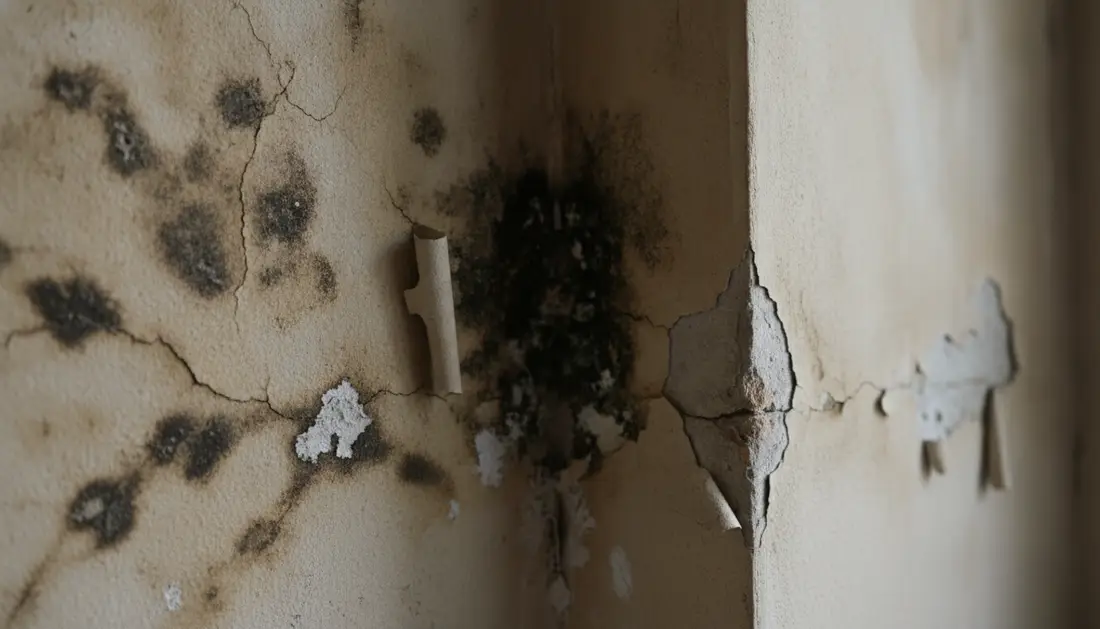
Structural faults such as hairline cracks, rusted metalwork or failing plaster will force new work to fail early. A contractor should confirm whether the damaged area needs a simple touch-up or a full repaint.
- Check for previous poor-quality work and wrong colour or code matches.
- Ensure rust or substrate cracks are repaired before any spray or coat is applied.
- Ask for a written report that explains cause and recommended remedial steps.
“Proper diagnosis ensures the correct bonding liquid and primer are selected for the surface condition.”
Addressing the root cause prevents recurring damage and protects your investment over time.
Essential Surface Preparation Techniques
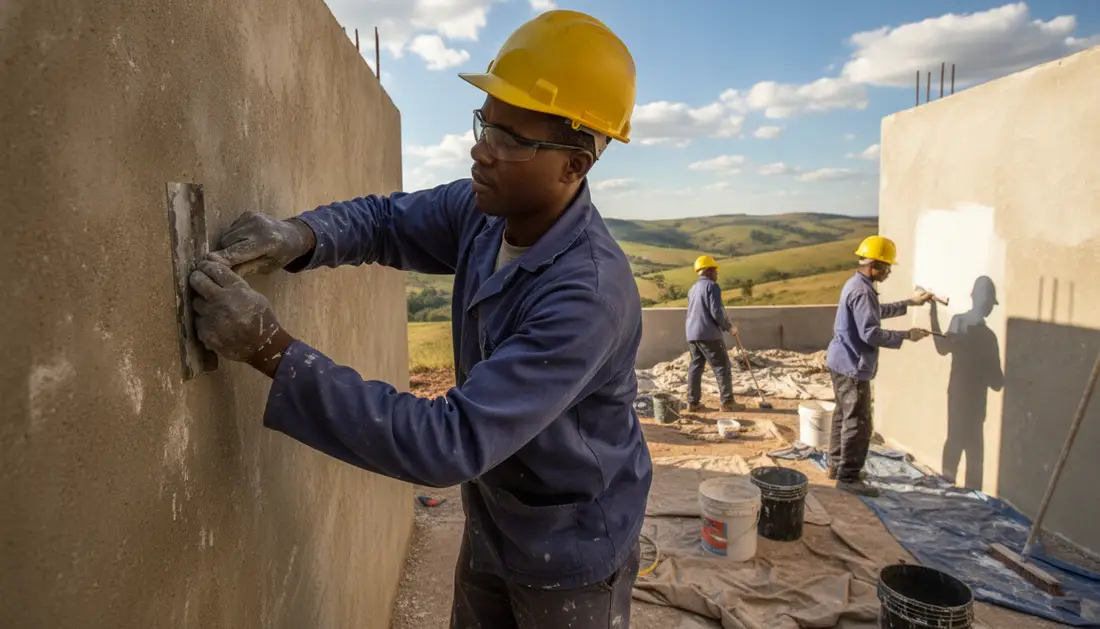
Start every job with methods that lock new layers to the old substrate. Good prep makes the colour and gloss last; on exterior walls, choosing between smooth and textured finishes matters too. It also saves time and repeat visits.
Feather-edging techniques
Feather-edging sands the edges of a scratch or chip to create a smooth transition. That prevents a visible ridge after the final coat.
Use the correct grit and sanding block. Work until the edge blends into the surrounding finish.
Bonding liquid application
Bonding liquid stabilises porous areas so primer and topcoat adhere without lifting. Apply thin, even coats and allow flash-off time between layers.
Priming for adhesion
Priming provides the foundation for a consistent repaint or spot job. Choose primers made for the substrate — plaster, metal or timber — and match the colour for accuracy.
- Feather-edging blends scratch repair and chips for a smooth finish.
- High-quality bonding liquid prevents future failures on older surfaces.
- Professional detailing removes dust, grease and contamination before spray.
- Ask contractors to explain their sanding, primer and wet-sanding sequence.
“Proper surface preparation is the most time-consuming part of the job, but it is the most important factor in achieving a professional result.”
Environmental Impacts on Paint Longevity
Direct sun and coastal spray are the silent accelerants of surface failure on exterior walls and metalwork.
Intense UV shortens the life of an exterior topcoat and fades colour. That makes scratches, chips and dull areas appear sooner.
High humidity and steam in kitchens or bathrooms create hotspots where coating can lose adhesion. Use moisture‑resistant and anti‑fungal finishes in these rooms.
If your property sits near the coast, salt spray speeds metal corrosion and makes panels need attention faster.
“Regular washing and maintenance protect the topcoat and slow environmental damage.”
| Environment | Effect | What to ask your contractor |
|---|---|---|
| Direct sun | UV fade, topcoat breakdown | Use UV‑stable topcoats and regular maintenance |
| High humidity / steam | Blistering, mould in wet areas | Select anti‑fungal, moisture‑resistant products |
| Coastal salt | Accelerated corrosion on metal | Choose rust inhibitors and regular rinse cycles |
Tip: Identify hotspots on your home, and ask for a targeted paint repair strategy and suitable repaint or spot solutions to extend service life.
Professional Assessment and Contractor Selection
A realistic quote starts with a hands‑on assessment, not a quick photo or verbal estimate.
When you request a quote, insist the assessor inspects the affected wall on site. They should test adhesion, note cracks, chips and any underlying substrate issues.
Recognised industry accreditation is a clear mark that a contractor follows recognised standards. Use this when shortlisting contractors.
- Check experience and a recent portfolio showing colour matches, trim work and scratch fixes.
- Ask for a step‑by‑step plan that explains sanding, primer, bonding coats and the final coat.
- Prefer written warranties and a transparent quote that lists labour, materials and any extra services.
- Consider location: travel and transport often affect the final price and turnaround time.
“A good contractor explains the diagnosis, lists the work, and backs it with a written warranty.”
| What to verify | Why it matters | Red flag |
|---|---|---|
| Recognised trade accreditation | Shows industry standards and training | No proof of accreditation |
| Portfolio and references | Confirms colour match and prior services | Reluctance to share past work |
| Detailed written quote | Prevents surprise charges during the job | Vague or verbal estimates only |
Comparing Quotes for Your Project
Compare written estimates from local professionals to spot real value and avoid surprises. Use our platform to request up to three painting quotes from independent contractors in your area.
Get each quote in writing and check that the scope matches. Confirm whether the job covers wall blending, crack or trim work, primer and final topcoat.
Utilising Our Quote Request Process
Request up to three estimates and place them side‑by‑side. Comparing multiple offers makes it easier to judge service, materials and the total time to finish the repairs.
“The cheapest quote is not always the best option; insist on material details and a clear timeline.”
- Ensure each quote lists labour, paint grade and any warranties.
- Ask about expected time on site and any access requirements.
- Confirm whether shown prices include sanding, primer and reblend work.
- Always finalise terms and conditions in writing before authorising work.
| What to check | Why it matters | Red flag |
|---|---|---|
| Detailed scope (wall, crack, trim) | Allows like‑for‑like comparison | Vague descriptions or missing line items |
| Paint quality and warranty | Predicts longevity and protection | No paint spec or short warranty period |
| Labour hours and timeline | Shows actual time on site and finish date | Unrealistically short timeframes for complex jobs |
| Transport or access fees | Affects final total and scheduling | Hidden extras disclosed only after start |
Securing Your Property Restoration Plan
Before any panel work starts, confirm the full scope, finish standard and timeline on the quote. Ask the contractor to attach materials, sequence and expected completion date.
Always request a written warranty for the repairs to protect your investment from premature failure. Keep the warranty with the original quote and all correspondence.
A clear restoration plan should list surface preparation steps through to the final coat. This makes it easier to check that wall or crack repair meets the agreed standard.
- Get a signed scope and timeline.
- Insist on a warranty in writing.
- Keep all quotes and messages for records.
Use our platform to find and compare professionals so you can manage the job with confidence and achieve a lasting finish.
FAQ
What affects peeling paint repair costs per m²?
Labour, access to the area, surface condition and the amount of preparation work drive the price. If the substrate needs stripping, sanding, filling or moisture remediation the rate per square metre rises. Higher-quality primers and topcoats increase material spend. Confirm in writing whether the quote covers primer, undercoat, topcoat, colour matching, repairs to render or timber and any guarantee period.
How do I get an accurate quote for a peeling surface?
Book a site visit so a contractor can inspect the full elevation and measure affected panels. Ask for a written itemised quote that lists prep work, patching, number of coats, paint brand and labour hours. Use our platform to request up to three independent quotes where available to compare scope, timeline and warranty terms.
Will colour matching add to the expense?
Yes. Small spot repairs may need custom tinting and blending to hide feathered edges. A full wall repaint is often cheaper per square metre than extensive blending on patch repairs. Ask whether they match to the original colour or take a sample for precise tinting.
What is included in surface preparation?
Proper preparation typically includes cleaning, sanding back loose coating, feather-edging, applying a bonding liquid where required, filling chips or small cracks, priming for adhesion and sealing porous areas. Quality preparation prevents re-failure and is a non-negotiable line item on a reliable quote.
How do moisture and structural issues change the scope?
If damp, rising moisture or substrate movement caused the peeling, contractors must fix the source before repainting. That can mean replastering, replacing timber, improving drainage or remediation work, which increases labour and materials and may require specialist trades.
Can I get a spot repair on a wall, or do I need a full repaint?
Minor chips and shallow scratches can be spot-repaired; deeper damage or faded walls usually need a full repaint to ensure uniform finish. Your contractor will advise based on extent, access and the surrounding coat condition.
How long will a typical repair job take?
Small spot repairs or single-panel jobs often take a day or two, including drying times. Larger jobs or those needing substrate repairs, multiple coats and weather-dependent drying can take several days to a week. Confirm the timeline in the quote.
Which paint types and brands should I expect on a quote?
Reputable quotes list specific brands and product lines — reputable paint brands plus the right primer and topcoat — where applicable. Higher-grade systems cost more but last longer and often carry manufacturer warranties.
Do quotes include warranty and aftercare?
Ask for written warranty details: length, what is covered and any maintenance required. Warranties vary by contractor and product; ensure paint manufacturer guarantees are separate from workmanship guarantees.
How does access and site location affect price?
High-access areas, scaffolding or restricted parking increase labour and equipment costs. Urban sites with limited truck access or body corporate rules may add to the project time and price, and these should be itemised on the quote.
Should I choose remediation or total replacement of the affected panels?
Choose remediation when the substrate is sound and failure is surface-level. Replace panels when structural damage, extensive rot or recurring failure is present. A professional assessment will recommend the most cost-effective long-term option.
How can I compare multiple quotes effectively?
Compare like-for-like: scope of prep, number of coats, brands specified, labour hours, access charges, warranty terms and clean-up. Do not pick solely on price; a low quote that omits key prep can cost more in the long run.
Are there seasonal factors I should consider when scheduling repairs?
Yes. Cooler, damper months slow drying and may extend completion times. Plan exterior work for drier months where possible and confirm whether the contractor guarantees re-coating times and protection against weather delays.
Can I DIY small surface touch-ups to save money?
DIY is feasible for tiny chips if you use correct primers, matching tins and follow manufacturer instructions. However, poor preparation or incorrect products often lead to repeat failure. For larger areas, professional preparation and spraying deliver durable results.
What documents should I get before work starts?
Obtain a written, itemised quote, accepted terms, schedule, payment milestones, warranty details and confirmation of paint brands and product codes. Ensure the contractor is insured and registered where required.
Which additional services might appear on a quote?
Quotes may include scaffold hire, protective masking, topcoat application, sanding, filler work for cracks, render repair, rust treatment on metal substrates, and final detailing or cleaning. Check each line so there are no surprise extras on completion.
Related painting cost guides
Ready to compare?