
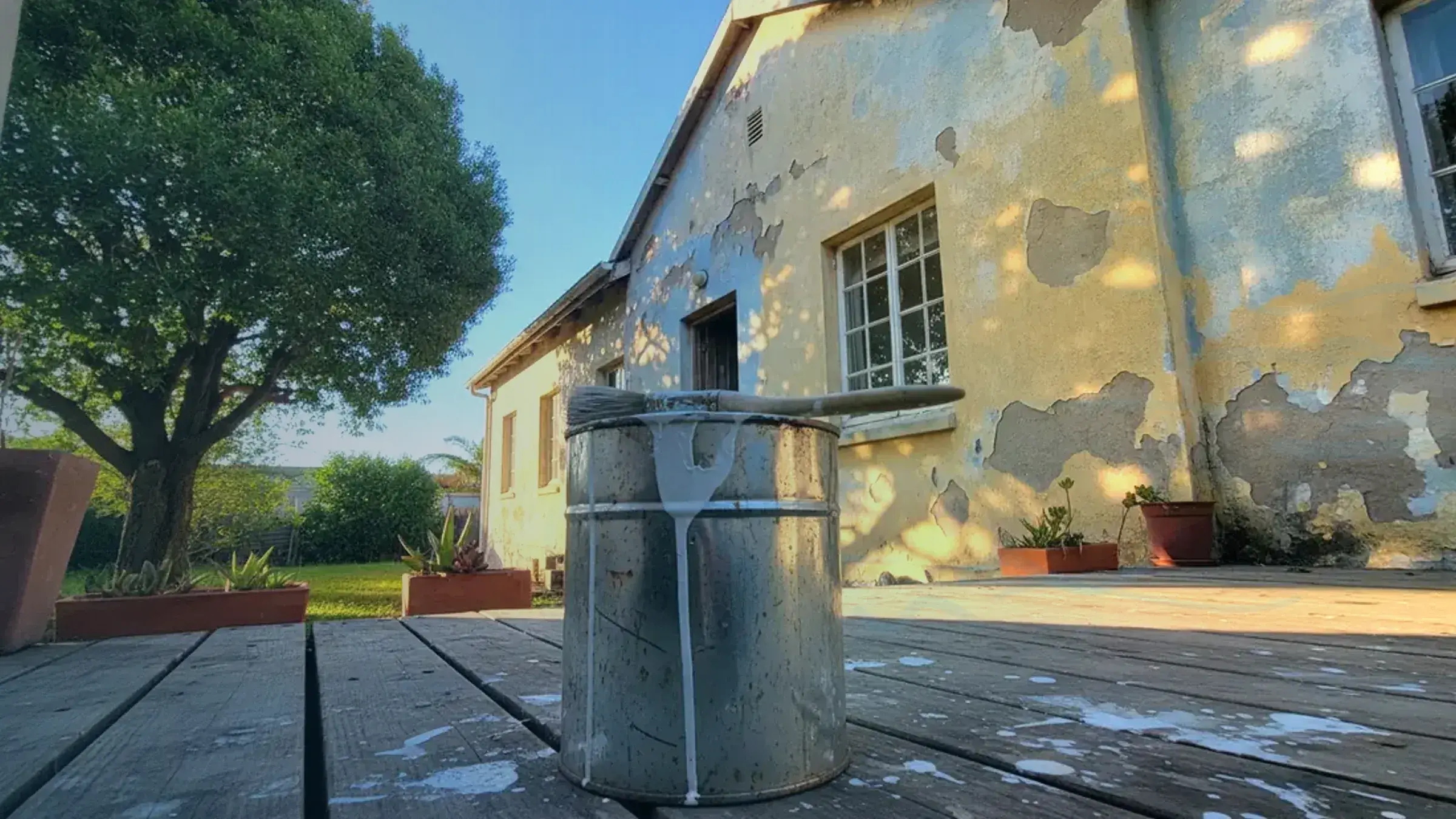
How Long Does Exterior Paint Last in South Africa?
Five to fifteen years – UV, coast, colour choice, and prep quality set your repaint cycle
Quick answer
How long exterior paint lasts in South Africa – realistic repaint cycles by region and colour, and the prep habits that buy your walls extra years.
8 min read
On this page
Curious whether your next coat will protect your home for a decade? Understanding the lifespan of an exterior paint job helps you plan repairs and set a realistic maintenance budget.
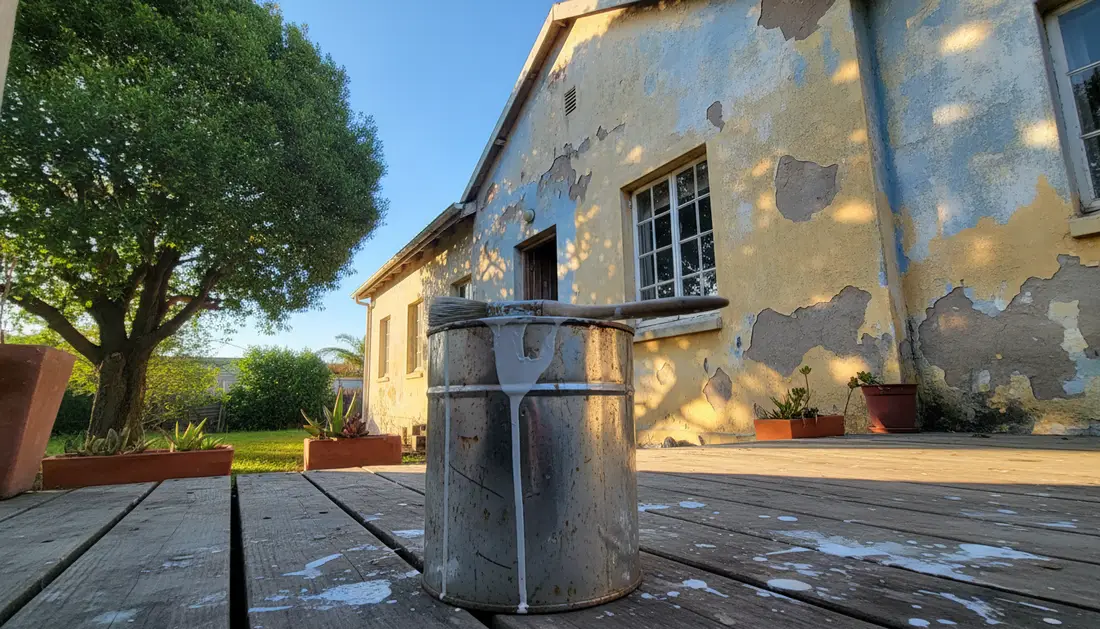
On average, a standard exterior paint job in South Africa endures between five and ten years, depending on sun, wind and coastal salts. Surface preparation matters most; proper cleaning and priming give your job the best chance against harsh weather.
Our platform and our pricing guidance explain cost drivers such as paint type, prep work, labour and access. We connect you with independent contractors who assess your house and provide site-specific estimates.
You can request up to 3 painting quotes to compare local market rates, and use paintingpricepersquaremeter.co.za for clearer per-square-metre context. A professional paint job is an investment that should give durable protection for many years when done correctly.
Understanding how long does exterior paint last in South Africa
A quality paint job in South Africa commonly protects siding for five to ten years. Material choice, surface prep and location decide whether you hit the lower or upper end.
Interior work faces gentler conditions, so a comparable job often lasts longer indoors. On a house exposed to strong sun, wind and coastal salt — local conditions you can check against South African Weather Service climate data — life expectancy drops unless you choose specialised coatings.
Professional assessments often show that premium systems and careful application can reach ten years or more under optimal conditions. Regular inspections help you plan redecoration before small issues grow, and exterior repainting costs help you budget the next cycle.
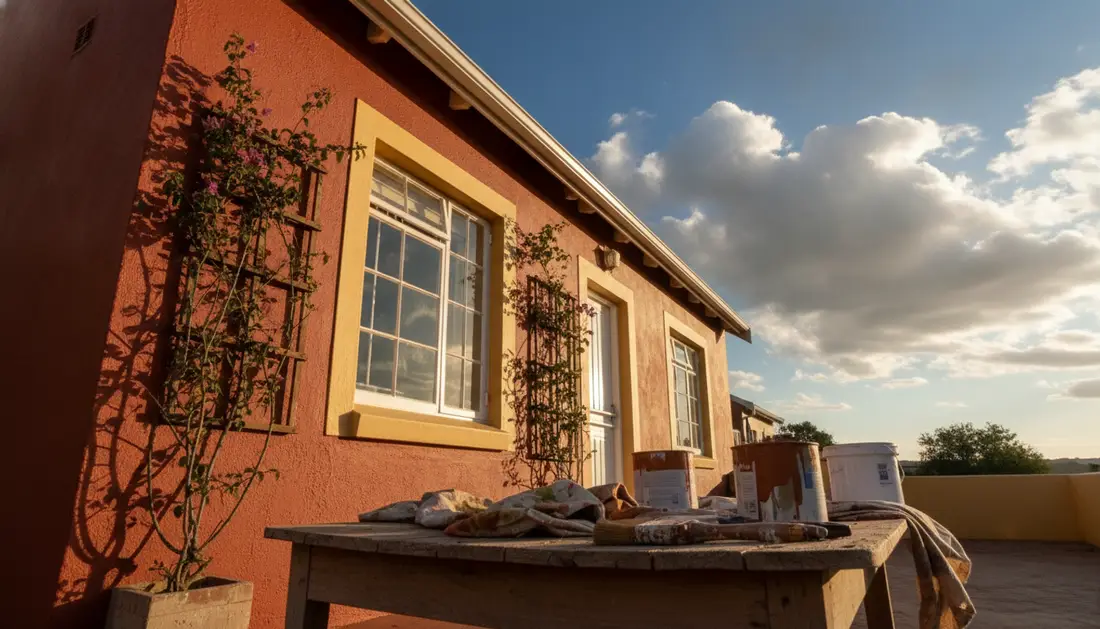
| Factor | Typical effect | What to check |
|---|---|---|
| Material quality | Higher-grade systems extend protection | Manufacturer specs, UV and salt resistance |
| Climate exposure | Sun and salt shorten life | Local weather patterns, coastal proximity |
| Preparation & application | Good prep greatly improves durability | Priming, surface repair, professional Labour |
- Inspect your home annually for blistering, cracking or chalking.
- Ask contractors about product warranties and expected job last estimates.
Key factors influencing the durability of your paintwork
The main influences on a durable paint job are surface prep, paint quality and correct application. These three steps decide whether your work weathers well in harsh sun or shows what causes chalky exterior paint on a coastal house.

Surface preparation
Thorough cleaning removes dirt, moss and loose material; painting guides and resources cover prep steps. Make sure you repair cracks and replace rotted timber before any coating goes on.
Use the correct primer for wood, masonry or metal to create a stable surface that resists moisture and peeling.
Quality of paint materials
Choose 100% acrylic latex paints for elasticity and UV resistance. These latex paints handle thermal movement and reduce cracking over years.
High-quality products cost more up front but cut repaint frequency and repair bills over time.
Application techniques
A three-coat system—one primer and two top coats—gives the best barrier against weather and sun. Back rolling helps textured surfaces like stucco or weathered wood get full coverage.
Apply coatings in mild temperatures and avoid direct sunlight on hot days so the film cures evenly.
| Factor | Recommended approach | Benefit |
|---|---|---|
| Surface prep | Clean, repair, use specific primer | Stops peeling and moisture damage |
| Material choice | 100% acrylic latex paints | Elasticity, UV and water resistance |
| Application | Primer + two coats; back rolling on rough areas | Better adhesion and longer protection |
Environmental impacts on exterior surfaces across the country
South Africa’s varied climate—from salty sea air to sharp inland temperature shifts—shapes how exterior coatings perform.
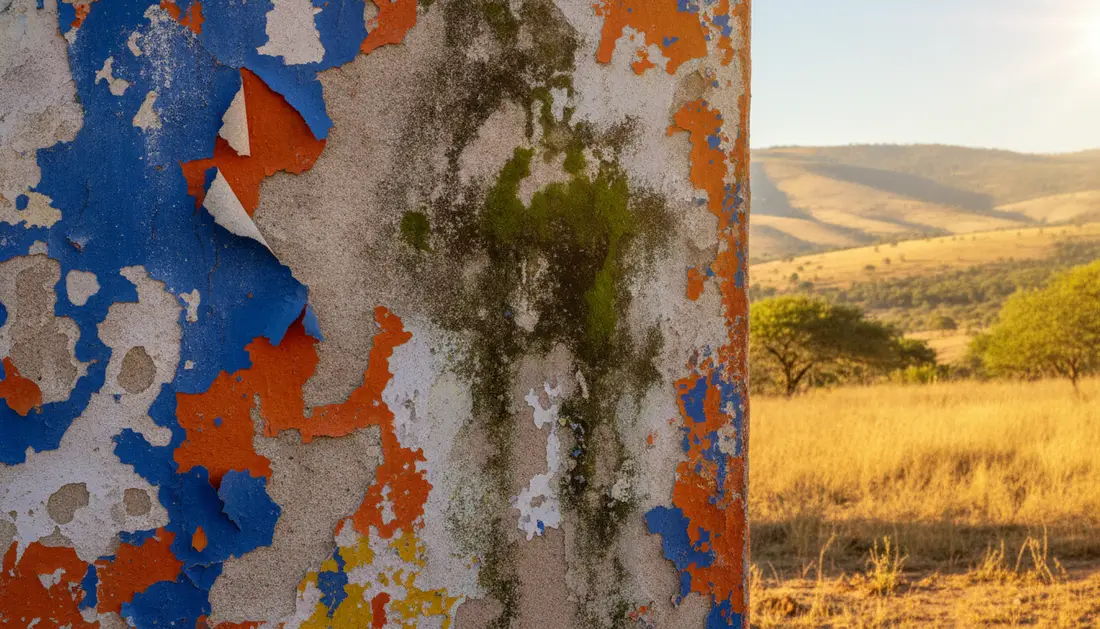
Coastal versus inland climate challenges
Coastal homes face salt spray and persistent moisture. Salt accelerates corrosion and causes faster surface breakdown. That raises maintenance and material costs for a paint job.
Inland areas endure wide temperature swings. Surfaces expand and contract, so flexibility matters. Without the right acrylic latex paint, cracking and blistering become common.
Practical considerations for your area
- Intense UV leads to fading and chalking; choose UV-resistant acrylic latex paints for colour retention.
- High humidity can stop coatings from curing properly and invite mildew; good drying time and primer choice help.
- Wood surfaces need more checks than stucco because timber moves with moisture and heat.
“Pick the right product for your local weather and you cut repaint cycles and repair bills.”
Tip: Our pricing guidance shows the cost difference between standard paints and premium, weather-resistant systems. Regular upkeep will make any job last longer and protect your home investment.
Essential maintenance routines for long-lasting protection
Small, regular checks stop minor faults turning into major work for your painting job.
Simple routines keep your house looking smart and reduce repaint costs over time.
Regular cleaning and inspection
Use a soft-bristled brush and mild detergent to wash the surface once or twice a year. This removes dust, salt and pollutants that weaken the coating.
Inspect the whole home annually for hairline cracks, chips and peeling. Early detection saves time and money.
Remember that full curing can take up to 30 days; avoid heavy washing during this period to protect the film.
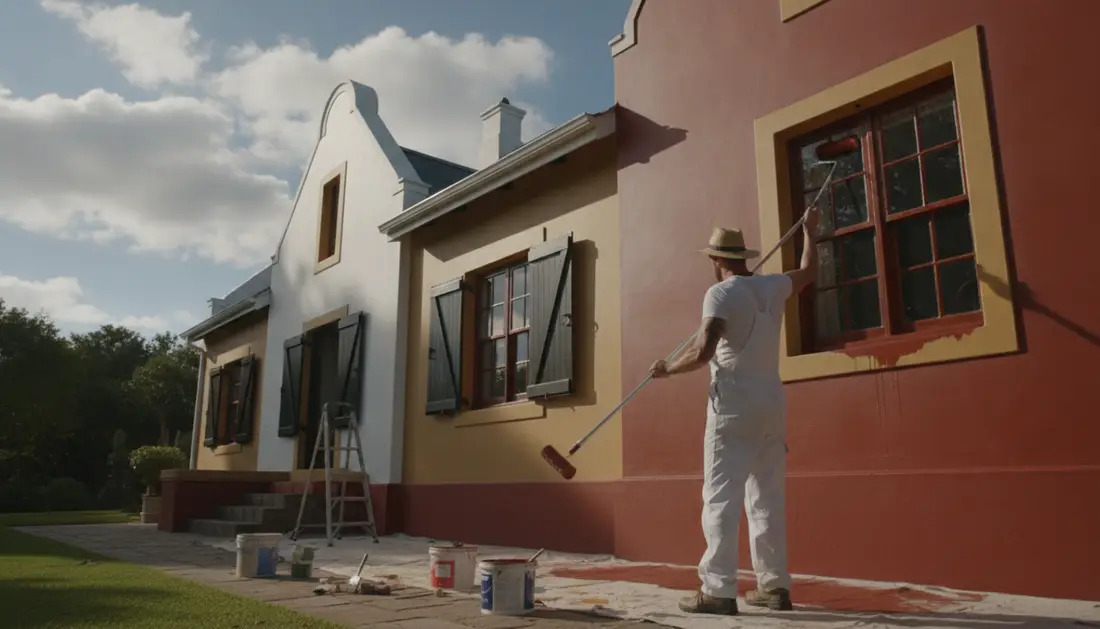
Addressing cracks and chips
Touch up small areas immediately. This stops water penetration and limits spread of damage to wood, masonry or metal.
Use a quality primer on bare patches so new paint bonds to the existing surface. For best results, match the original system — for example, a latex top coat over a latex primer.
Keep gutters clear and remove vines or plants that trap moisture against walls. These simple tasks protect the whole job.
Tip: If you prefer a tradesperson, request quotes through our platform to compare local maintenance rates before you commit.
| Routine | Frequency | Why it matters |
|---|---|---|
| Soft wash with brush | 1–2 times a year | Removes salts and grime that speed degradation |
| Full inspection | Annually | Find chips and hairline cracks early |
| Touch-ups with primer | As needed | Prevents water ingress and extends job life |
Securing professional guidance for your next painting project
Securing professional guidance brings clarity and value to every paint job for your house in South Africa.
Professional painters with over 30 years’ experience know which systems suit local weather and sunlight. They choose the right acrylic latex and primer so the work protects surfaces and looks good for years.
Our platform connects you with independent contractors who carry out site assessments, confirm timelines and put warranties in writing.
Use our pricing guidance at paintingpricepersquaremeter.co.za and start with a clear budget. Through our quote request process you can request up to 3 painting quotes to compare services and secure the best value.
Choose experienced teams to ensure your exterior painting job lasts and reduces future repair costs.
FAQ
What is a realistic expectation for exterior paint lifespan in South Africa?
Expect good-quality acrylic latex coatings on a well-prepared brick or cement surface to perform for about 7–12 years in many parts of South Africa. Softer or porous substrates such as timber or badly prepared stucco may need repainting every 4–8 years. Coastal exposure, strong UV, and heavy rain can shorten these intervals.
Which factors most influence how long a paint job will hold up?
Major factors are surface preparation, paint quality and type, number of coats, correct primer use, application technique, and ongoing maintenance. Labour standards and access (scaffolding or harness work) also affect finish longevity — poor prep or thin coats reduce lifespan significantly.
How does surface preparation affect durability?
Proper preparation removes loose material, mould and salts, and repairs cracks. Applying a suitable primer on bare wood, new plaster or metal ensures adhesion. Skipping these steps leads to peeling, flaking and early repainting.
Do acrylic latex paints perform well in South African conditions?
Yes. Acrylic latex paints offer good UV resistance, flexibility and breathability, making them suitable for local walls. Choose reputable brands with specific exterior formulations and UV inhibitors for longer performance.
How does climate — coastal versus inland — change maintenance needs?
Coastal homes face salt spray and higher humidity, which accelerate corrosion and mould growth; use anti-corrosive primers and mould-resistant topcoats. Inland properties with strong sun and heat need UV-stable pigments and reflective light colours to reduce fading and thermal stress.
What routine maintenance keeps a paint job lasting longer?
Regular cleaning with a soft brush and mild detergent removes dirt and salts. Inspect yearly for hairline cracks, blistering or flaking and touch up small areas. Repointing, gutter repairs and managing vegetation near walls prevent moisture damage.
How should I address cracks and chips to avoid bigger repairs?
Fill cracks with suitable exterior filler, sand smooth and prime before repainting. For hairline cracks, flexible primers and topcoats help. Treating small defects early prevents water ingress and substrate decay that would require full redecoration.
What should I confirm in writing with a contractor before they start?
Ask for the surface preparation plan, paint brand and product codes, number of coats, primer use, estimated timeframe, warranty period and exclusions, and a clear labour cost or price per square metre. Confirm access arrangements and who supplies materials.
How do labour and access influence the final cost and outcome?
Difficult access (height, steep rooflines or confined yards) requires scaffolding or specialised equipment, increasing costs but improving quality. Skilled application reduces wasted paint and delivers correct film thickness, extending service life.
Where can I get quotes and how many should I request?
Request up to three quotes from independent contractors, or up to five quote options where available. Compare itemised prices per square metre, specified products, prep work and warranties. Site visits are essential for accurate quotes.
Related painting cost guides
Ready to compare?