
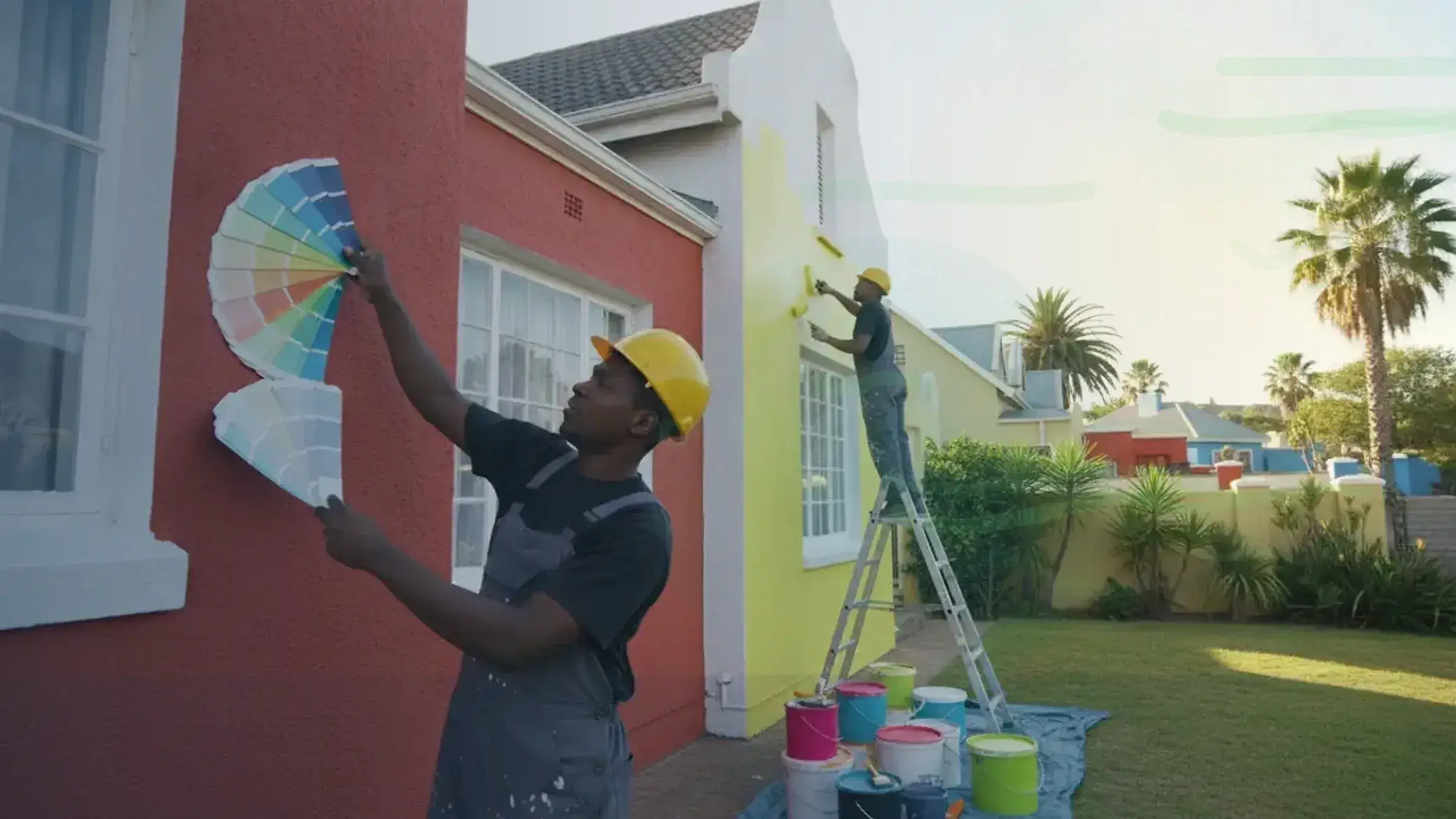
Exterior Repainting Costs in South Africa
Faded, chalking, and weathered walls – what honest exterior refresh work costs once prep is priced
Quick answer
R13 770–R18 630 project totalR90/m² · 180 m²
Exterior repainting costs in South Africa – faded, chalking and weathered walls priced honestly, with washing, sealing and prep shown as line items.
Instant estimate
Exterior repainting calculator
Repaints are prep-heavy — estimate exterior repainting by area, coats and prep.
14 min read
On this page
Curious which factors will decide the final price of your paint job? You might think paint and labour are the only items that matter, but the truth is richer and more practical.
We draw on a hands-on, local perspective to guide you. The South African painting market is set to reach R34 billion by 2026, so knowing how to compare prices matters more than ever.
Our platform, paintingpricepersquaremeter.co.za, helps you request up to three painting quotes and compare local contractors. Accurate estimates hinge on wall condition, surface preparation, paint type and access around roofs and high areas.
Whether you plan a single room or a full house project, we give clear per square guidance so you can set a sensible budget and choose quality finishes that last.
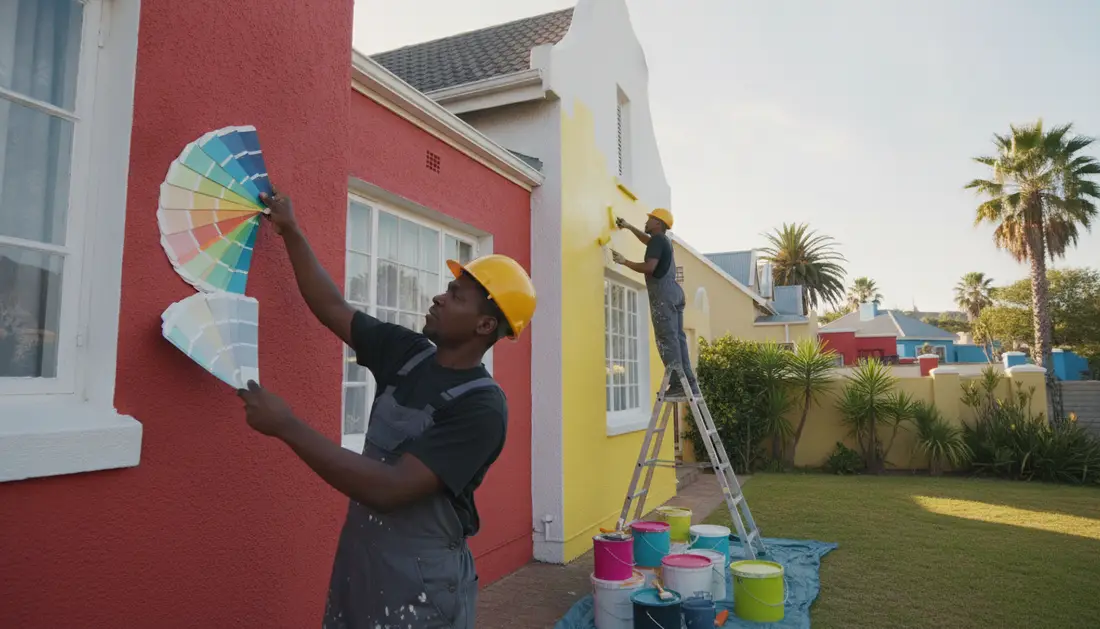
How much does exterior repainting cost in South Africa?
Get a clear picture of painting prices before you ask for quotes. Market growth to R34 billion by 2026 (CAGR 5.6%) underlines rising demand and regional variance.
Pricing depends on the walls’ condition, access to high areas and the paint type you choose. Per square rates give quick comparisons, but they hide prep work and scaffolding needs; all our painting price guides put exterior repaints in context.
Exterior painting requires weather‑resistant products and tougher surface preparation. That usually raises the price compared with interior work.
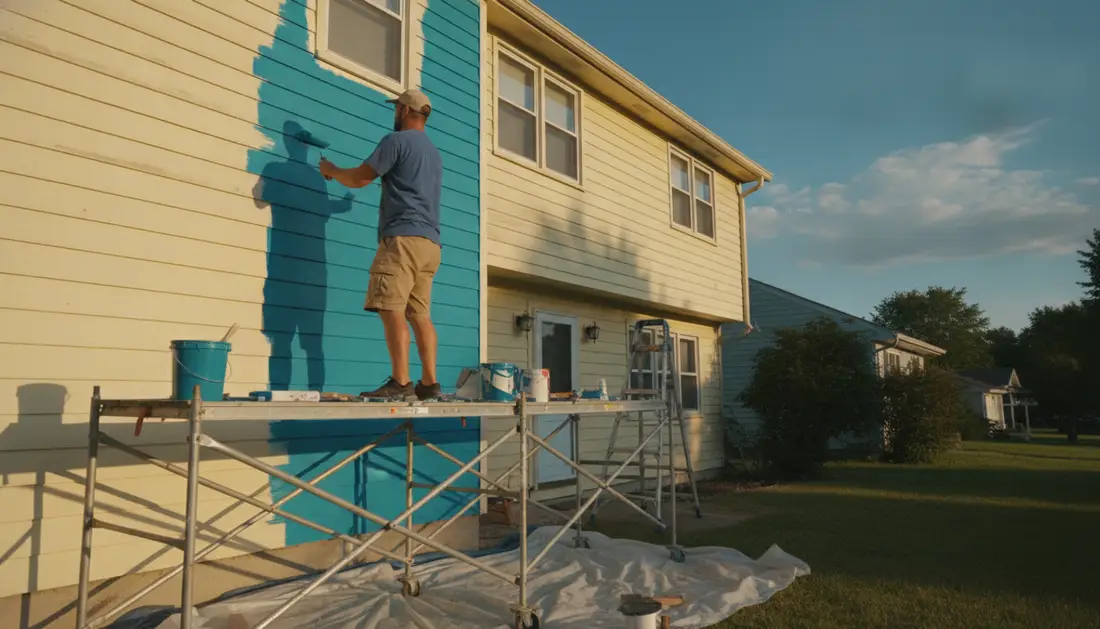
Use a platform to request multiple quotes so you can spot standard versus premium pricing — exterior per-square-metre price guide sets the base rate. A professional paint job protects the house and improves resale appeal.
- Compare per square rates and confirm what prep is included.
- Check paint brand, warranty and expected lifespan.
- Ask for written scope to avoid surprise additions after the visit.
| Factor | Effect on Price | What to confirm |
|---|---|---|
| Surface condition | High impact — repairs increase labour | Scope of repairs and replacement materials |
| Access and height | Moderate to high — scaffolding or lifts add expense | Inclusion of access equipment in quote |
| Paint quality | Direct — premium paint lowers long‑term maintenance | Brand, sheen and warranty details |
| Labour and expertise | Varies — experienced teams may charge more | References, insurance and workmanship guarantee |
What affects exterior repainting costs?
Deciding a realistic budget starts with knowing which parts of the job drive price. Break the estimate into material quality, labour and preparation so you can compare quotes clearly.
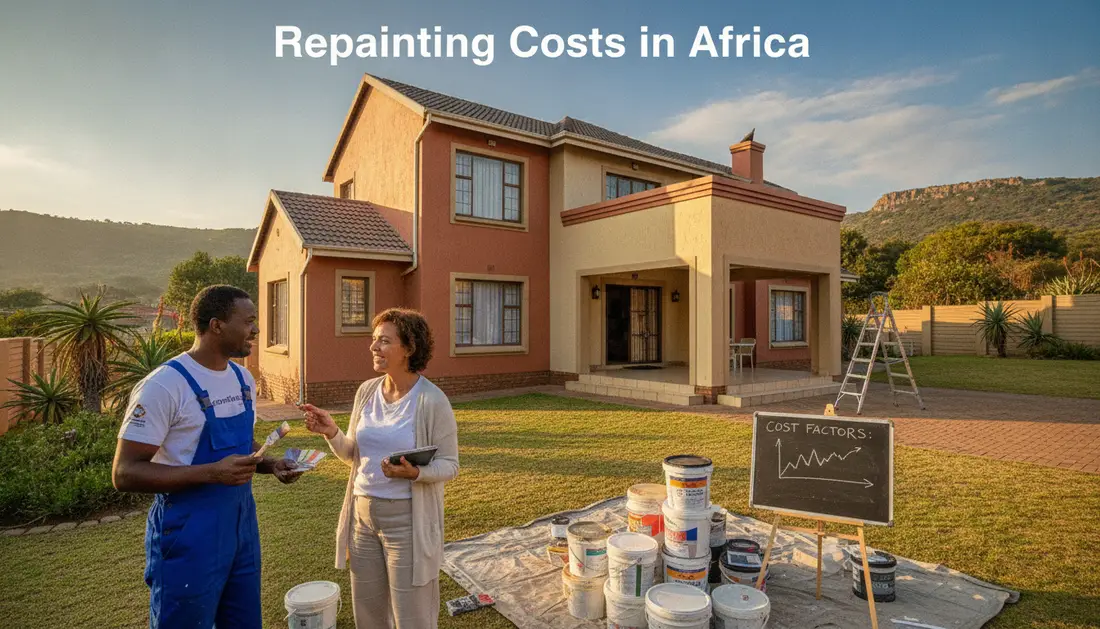
Material Quality
Premium paints cover more and last longer. High-quality products typically give 10–12 m² per litre versus 6–8 m² for budget options. That difference lowers the effective painting cost per square and improves the finish lifespan; how long does exterior paint last in South Africa shows what to expect.
Choose acrylic or oil-based types based on the surface and expected weathering. Our platform helps you compare how paint type affects the per square price for your house painting project.
Labour and Expertise
Skilled labour in south africa usually charges between R450 and R900 per hour, excluding materials. A more experienced team may charge a premium, but they work faster and reduce rework.
“Investing in quality labour saves time and money over the life of the finish.”
- Size and architectural detail (trim, cornices) raise the time and price.
- Proper surface preparation prevents premature failure and added expense.
- Confirm warranties and written terms before you accept any quote.
The Importance of Surface Preparation
Good surface preparation makes the difference between a short‑lived paint job and a durable finish. Proper prep ensures the new paint adheres to the walls and gives you the protection you expect.
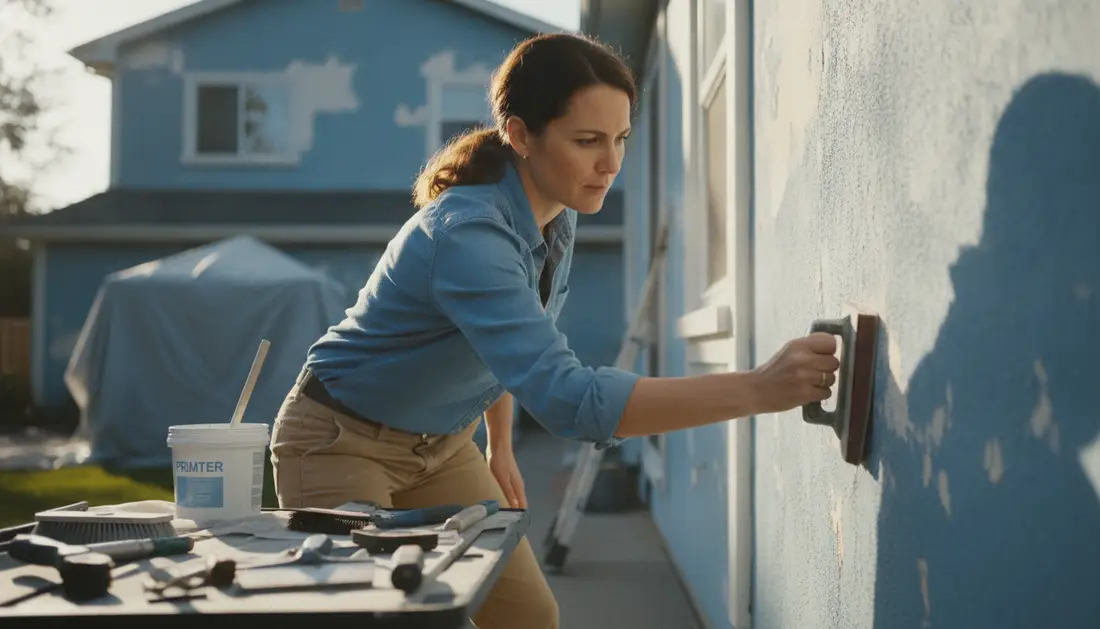
Addressing damp and structural faults first saves money later. Rising damp, water ingress and salty marks cause bubbling and peeling. Professional leak detection and waterproofing must be completed before any painting begins.
Addressing Damp and Structural Damage
Inspect the wall condition for hairline cracks, flaking or chalking — flaking and chalky walls explains the cause. These issues determine the scope of cleaning, patching and priming required.
- Surface preparation is critical for long‑term performance.
- Deal with damp and leaks before you apply any paint.
- Thorough prep can add 10–20% to the total cost but protects the quality of the job.
“Proper preparation prevents structural damage and helps high‑quality paint perform as promised.”
| Issue | Action | Effect on outcome |
|---|---|---|
| Rising damp | Leak detection, waterproofing | Prevents peeling and salt stains |
| Flaking paint | Strip, patch, prime | Improves adhesion and finish |
| Chalking | Clean and prime | Restores paint life and colour |
We connect you with contractors who understand how surface preparation affects painting costs per square and the long‑term value of your home; our exterior-coatings guide helps you choose a system.
Environmental Impacts and Repaint Cycles
Sunlight, salt and rain decide how long your walls keep looking good; the best time of year to paint outside helps you avoid the worst of it. In much of south africa the combination of intense UV and seasonal humidity accelerates paint breakdown.
Chalking is the most common early sign: a dusty residue shows the binder is degrading and protection is failing. That signals you should plan a refresh soon.
Typical repaint cycles range from 5 to 10 years. Higher-quality paints and proper surface preparation push the interval toward the upper end.
Exterior painting exposed to weather needs more frequent attention than interior surfaces. Regular inspections spot early moisture or UV damage and save you money long term.

“Plan maintenance around local exposure and choose weather-resistant paints to reduce long‑term painting costs.”
| Factor | Effect on lifespan | What to check |
|---|---|---|
| UV exposure | High — fades and weakens binder | Use UV-stable, high-quality paints |
| Humidity and salt | Moderate to high — promotes blistering | Inspect for mould and damp before painting |
| Initial preparation | Direct — proper prep extends life | Ensure repairs, priming and sealing are done |
We help you estimate painting prices per square metre with these factors in mind. Planning maintenance budgets around these cycles prevents surprise repairs and protects your home’s value.
What are typical exterior repainting price bands?
Knowing typical per‑square rates helps you set a realistic budget before any contractor visits.
Low‑end painting projects with minimal preparation typically sit between R60 and R80 per square metre. These suits simple wall repairs and basic acrylic paints.
Mid‑range jobs add better preparation, improved paints and modest detail work. Expect higher labour and material input here.
High‑end finishes — premium paints and extensive preparation — can exceed R200 per square metre. That band covers full repairs, sealing, and long‑life paint systems.
Labour alone commonly ranges from R40 to R100 per square metre, depending on complexity and access. Size of the house and wall condition remain major drivers of the final price.
- Compare per square bands to check value.
- Ask contractors what preparation and warranty they include.
- Request up to 3 quotes via our platform to compare estimates for roof painting, wall repairs and surface coatings.
“Understanding price bands helps you avoid surprise additions and pick the right quality for your budget.”
The Sequence of Professional Application
A proper painting sequence starts long before the brush touches the wall. Professionals follow an ordered workflow to protect the finish and limit unexpected expense.
Cleaning and Sealing
Clean surfaces provide the best adhesion. Teams remove dust, chalk, mould and loose flakes so primers bond correctly.
Sealing follows cleaning; it blocks stains and evens porosity on porous walls and prevents bleed-through from old patches.
Repairing Surfaces
Repair work fills cracks and holes, replaces rotten timber and attends to flashing around the roof and windows. That step prevents bubbling and peeling.
Skilled labour charges reflect this work. Expect labour and material breakdowns in your quote so you know what you pay per square for repairs.
Final Coating
The final system is usually multi-coat. A three-coat approach—primer, undercoat and topcoat—gives the best warranties from paint suppliers.
Allow adequate drying time between coats to avoid common faults. Proper timing reduces rework and improves overall finish quality.
- Clean → seal → repair → three-coat finish is the industry sequence.
- Ask contractors for a staged timeline and what each stage includes.
- Our platform connects you with painters who document labour, materials and per square pricing for each stage.
| Stage | What happens | Why it matters |
|---|---|---|
| Cleaning & sealing | Wash, degrease, treat mould, apply sealer | Ensures adhesion and even coverage |
| Repairs | Fill cracks, replace rotten trim, waterproof | Prevents failure and extends life |
| Multi-coat finish | Primer, undercoat, topcoat with drying time | Provides warranty compliance and durability |
Efficiency Gains Through Trim and Scaffolding
Using the right access gear speeds a multi-storey painting job and protects your team and property.
Scaffolding is often essential for two-storey homes or double‑volume interiors. It lets contractors work safely and reach high walls without repeated set-ups.
Painting trim, doors and gutters needs specialist brushes and techniques. Expect an extra R200–R500 per item for detailed doors or ornate frames, depending on size and finish.
Good planning reduces total labour hours. When teams bring scaffolding and the right tools they complete the job faster and with fewer interruptions.
- Specialist skills for trim and window frames lift quality and affect the overall price.
- Professional contractors manage access, protect surfaces and limit disruption to your home.
- Efficient project management can lower your final painting bill by cutting rework and idle time.
“Ask for a quote that lists scaffold time, per-item trim charges and labour by the hour.”
Our platform helps you factor these items into quotes so you can compare prices per square and choose the best value for your house and roof painting needs.
Comparing Professional Services and DIY Approaches
Choosing a pro or doing a DIY paint job hinges on your available time, skill and tolerance for risk. You should compare the true painting cost, not just the headline price.
Weighing Time and Skill Requirements
Professionals in south africa typically deliver a high-quality finish and speed. Many teams reach a room in 1 to 3 days and report consistently high customer satisfaction.
DIY can save 30–50% on labour, but it often takes two to five times longer. Mistakes can add 10–25% to your total and negate initial savings.
- Time: pros finish faster; DIY uses spare hours over weeks.
- Skill: complex wall repairs and high access work need trade experience.
- Value: contractors offer warranties and trade discounts that improve long‑term value.
“Compare three written quotes and check what prep, warranty and per square pricing each includes.”
Use our platform to request up to 3 quotes so you can compare prices and decide whether hiring a contractor or tackling the job yourself is the right project for your home.
Ensuring Long Term Value and Warranties
A clear workmanship guarantee and product warranty protect your investment long after the final coat dries. Reputable contractors typically offer a one‑year workmanship guarantee, while paint manufacturers publish product guarantees from 5 to 12 years.
Always confirm warranty terms and the full project scope in writing before any work starts on your house. Written terms prevent disputes over what preparation and repairs were included.
- Choose quality paints and the correct paint type for your walls and roof to extend the finish life.
- Verify contractors’ credentials, references and supplier links — the market in south africa is competitive.
- Ask for documented product guarantees and a written workmanship clause for the whole project.
Our platform helps you compare quotes per square and find contractors who back their work. Investing in proper preparation and proven paints reduces future maintenance and preserves your home’s value.
“Confirm all product and workmanship guarantees in writing to protect your investment.”
Final Thoughts on Your Property Transformation
A fresh coat of paint can rapidly lift a home’s curb appeal and protect walls from further wear.
Transforming your house with painting is a cost‑effective way to improve market value and everyday comfort. By understanding key factors — surface prep, paint type, labour and access — you make clearer choices about prices and per square planning.
Use paintingpricepersquaremeter.co.za to request up to three quotes and compare independent contractors quickly. Prioritise quality materials and professional surface preparation to ensure a durable finish for both interior and exterior walls.
Start now: request your quotes, check warranties and pick the team that best matches your budget and quality goals. The right prep and paint deliver lasting results for every room and wall in your home.
FAQ
What is a typical price range for exterior painting in South Africa per square metre?
Typical price bands vary by quality and preparation. Expect basic work from about R80–R120/m², mid-range R130–R220/m², and premium finishes R230–R400/m². These ranges include paint, labour and standard prep but exclude major repairs, scaffolding or specialist coatings. Ask contractors for a written breakdown per m².
How much does surface preparation add to the final bill?
Preparation can add 10–50% to the project depending on condition. Simple cleaning and sanding is low-cost, but treating damp, repairing render or replacing rotten timber increases labour, materials and time. Always confirm scope: pressure-wash, scrape, prime, seal and repairs should be listed separately on the quote.
Which paint types cost more and which give better longevity?
100% acrylic and elastomeric coatings cost more but resist UV and moisture, giving longer service life. Premium weatherproof and elastomeric coatings provide better coverage and warranties. cheaper emulsion or low-quality binders save upfront but require repainting sooner.
How do labour rates and contractor choice affect the price?
Labour is often the largest line item. Experienced teams charge higher hourly or per m² rates but work faster and reduce rework. Insist on trained painters with references, written timelines, and details on workmanship warranty. Compare up to three written quotes to balance price and reliability.
Will scaffolding or access requirements change my quote?
Yes. Scaffolding, elevated access platforms or special safety equipment add significant cost, from a few hundred rand per day up to R5 000+ depending on height and duration. Hard-to-reach areas increase time and therefore labour charges. Request access-costs separately on the quote.
How should I budget for roof and trim work alongside wall painting?
Roof and trim require different materials and prep. Metal roofs, fascias and timber trim often need rust treatment, priming and specialist coatings. Expect an additional 10–25% over wall painting if included. Get line-item pricing for roof, gutters and woodwork so you can choose staged work if needed.
What common hidden costs should I confirm before accepting a quote?
Ask about patch repairs, damp proofing, replacement of rotten timber, primer coats, paint quantity, scaffold hire, site cleanup, protection of landscaping, and disposal of waste. Clarify VAT, deposit requirements and payment schedule to avoid surprises.
How long does a typical house painting job take?
Duration depends on size, prep and access. A small single-storey house with minimal repairs can take 3–5 days. Larger homes with scaffolding or major repairs can take 2–3 weeks. Ask contractors for a start date and realistic completion window in writing.
Can I reduce costs by doing some prep work myself?
You can lower costs by clearing gardens, removing loose items, or doing basic cleaning. However, leave structural repairs, high-access work and specialised preparation to professionals to avoid costly rework or warranty voids. Confirm what prep the contractor expects you to do before they start.
How often should I repaint to protect my investment?
Repaint cycles depend on exposure, paint quality and substrate. Well-applied premium acrylic on good preparation lasts 7–12 years on walls. Coastal or high-UV areas may need repainting every 5–7 years. Regular maintenance and spot repairs extend service life and reduce long-term cost.
What warranty or guarantee should I expect from a painter?
Expect a written workmanship warranty of at least 1–2 years for standard projects, longer for premium systems. Warranty should state scope, exclusions (e.g. underlying structural issues, rising damp) and remedial steps. Verify whether paint manufacturer warranties apply and ask for product and batch details.
How do I compare quotes to choose the best value?
Compare written quotes line-by-line: surface prep, primer/coats, paint brand and litreage, labour hours, access costs, repairs, clean-up and warranty. Cheaper quotes aren’t always better if they skimp on prep or use low-quality paint. Aim to receive up to three written quotes before deciding.
Are there environmental or safety considerations that change pricing?
Low-VOC and eco-friendly paints often cost slightly more. Proper disposal of old paint, lead testing on very old buildings, and safety measures for high work add to price. These measures protect occupants and the environment and should be itemised on the quote.
What should I check on the day of the site visit prior to a quote?
Show contractors all areas to be painted, point out problem spots (damp, cracks, blistering), and ask about access and protection for gardens. Request a written scope, itemised pricing, proposed timeline and sample paint codes. This ensures quotes are comparable and realistic.
Can body corporates or landlords expect different pricing?
Larger contracts for complexes or rental portfolios can attract trade or volume discounts but may require staged access, compliance certificates and stricter safety measures. Provide contractors with detailed scope and timelines to get accurate bulk pricing.
How does seasonality affect painting prices and timing?
Dry, mild weather is best—prices can rise in peak seasons due to demand. Avoid painting during heavy rain or extreme heat. Book site visits and work windows early to lock in supply and competitive rates.
Related painting cost guides
Ready to compare?