
Smooth vs Textured Exterior Coatings
Plain acrylic vs Micatex-type textures – crack-bridging, paint use, and repaint implications
Quick answer
Smooth vs textured exterior coatings in South Africa – crack-bridging, hiding patchy plaster, higher paint use, and what each means at repaint time.
15 min read
On this page
Smooth vs textured exterior paint in South Africa offers varying levels of price and value depending on your specific property needs. paintingpricepersquaremeter.co.za provides clear pricing guidance and lets you request up to three quotes from independent contractors.
Choosing the right masonry paint for your home means weighing look against local weather and long‑term cost. Our guidance explains how surface condition, prep work, access, labour and region shape final quotes. Always confirm terms and warranties in writing with your chosen professional.
We help you compare costs for common exterior projects and connect you with contractors who can assess your masonry and give tailored estimates. You will learn which finishes reduce maintenance and which add value when budgets are tight.
Ask yourself: which choice protects your building best against South African sun and rain, and which gives the best return on investment? Read on to make an informed decision.
Understanding Smooth vs Textured Exterior Paint in South Africa
Your choice of masonry finish affects how well walls resist rain, sun and dirt across South African climates; helpful painting guides compare finishes. Consider condition, local weather and future maintenance when you compare options.
Defining Smooth Finishes
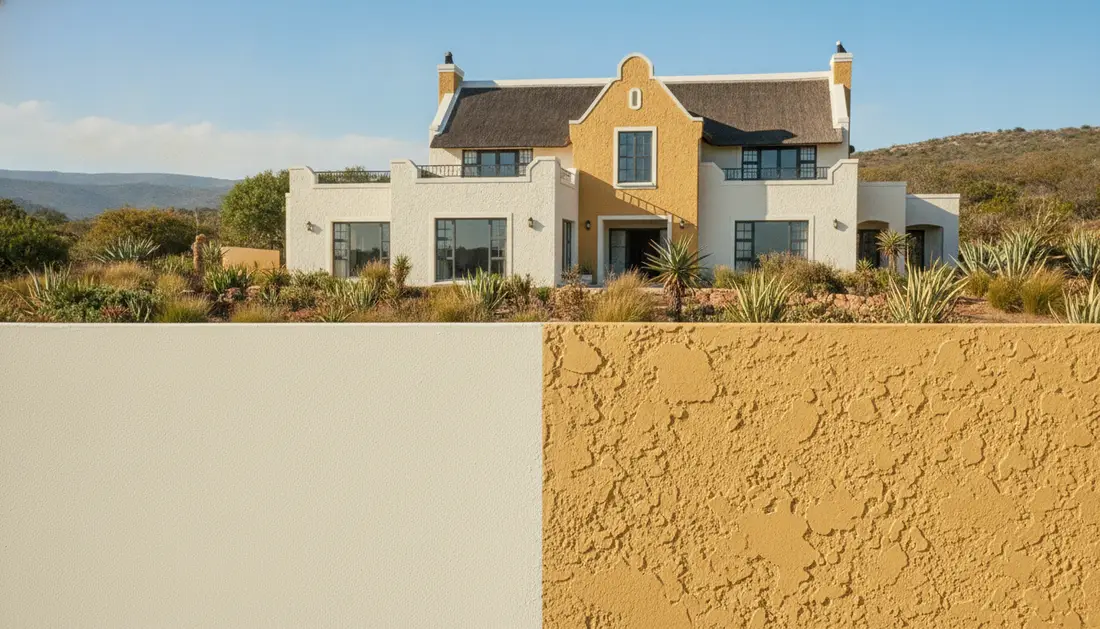
Smooth masonry paint creates a sleek, modern look, priced within exterior painting cost per square metre. It has low porosity and repels water, so exterior walls stay cleaner and need less regular upkeep.
Defining Textured Finishes
Textured masonry paint adds depth and character to surfaces; textured wall painting costs set the price. It is more porous, so in high‑rain areas you must check for potential moisture absorption and more frequent cleaning.
- Pick a finish to match architectural style and wall condition.
- Both options come in a wide range of colours to suit your design.
- High‑quality masonry paints protect the building; correct surface prep is vital.
| Feature | Suitable For | Maintenance | Weather Response |
|---|---|---|---|
| Sleek finish | Modern homes | Easy cleaning | High water repellence |
| Tactile finish | Traditional styles | Holds dirt more | Higher porosity in rain |
| Colour range | All styles | Wide choice | Depends on coating quality |
The Aesthetic Impact of Your Finish Choice
The finish you choose defines how visitors perceive your property from the kerb. This single decision shapes first impressions of care, value and style.
Masonry paint and the underlying masonry determine whether a home reads as crisp and modern or warm and traditional. A clean, low‑profile finish suits contemporary homes and highlights straight lines and window frames.
Conversely, a more tactile surface adds depth and can hide minor irregularities. Older buildings benefit from this character, which emphasises architectural detail and gives facades more presence.
Try tester pots on small areas of your walls at different times of day. Light changes colour and shadow; what looks good at noon may flatten at dusk. Use samples to judge maintenance needs as well as colour.
- First impressions: your render and coating signal upkeep.
- Style match: pick a finish that complements the building era.
- Practical test: apply samples and inspect for a week.
Choosing the right masonry paint is both an aesthetic and a practical decision. Match your personal taste with reasonable upkeep expectations to get the best long‑term result for South African homes.

Technical Realities of Texture Consumption
Estimating how much product you need is the first practical step in any masonry coating project in South Africa. Accurate coverage limits waste and helps you compare quotes from contractors.
Calculating Coverage Requirements
Textured masonry paint often uses more litres per square metre than smooth masonry paint because texture holds extra material in its depths. Some branded products, such as a premium weatherproof exterior paint Textured Masonry Paint, offer strong coverage and can cut the number of coats needed.

- When you use a roller, low‑viscosity paints flow faster; textured options need techniques to fill hollows evenly.
- DIYers will find textured masonry paints harder to apply and more time‑consuming than standard masonry paints.
- Durability depends on product quality and local weather conditions; factor this into your coverage estimate.
- For large areas, smooth masonry coatings are often more economical because they cover more quickly and evenly.
Managing Dust and Mould Retention
Areas with heavy pollution or shade demand careful selection to limit dirt and mould on wall surfaces.
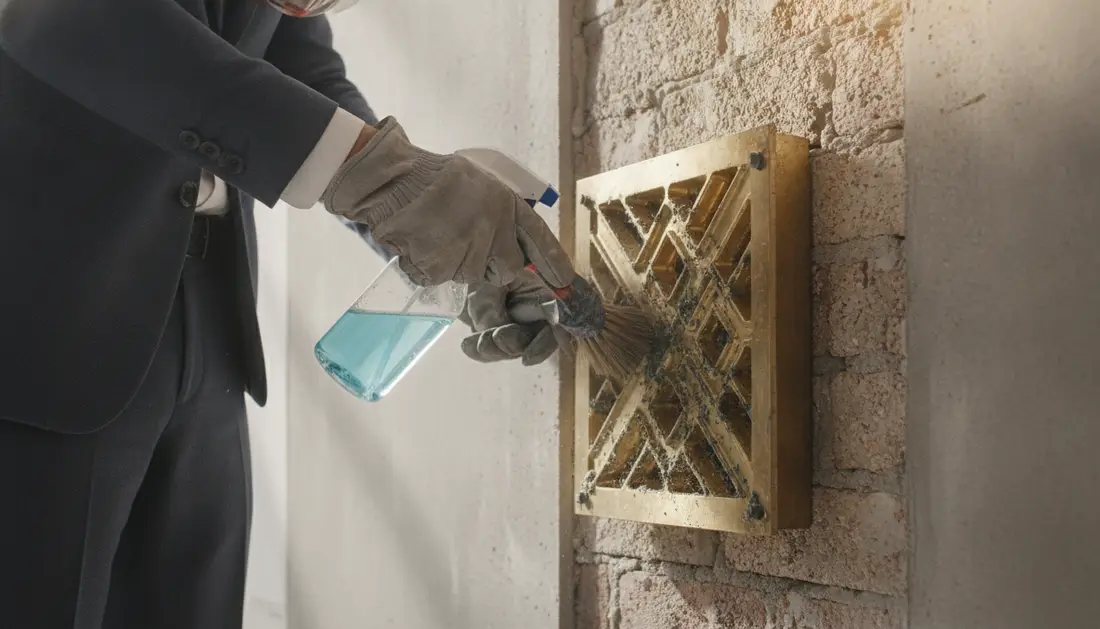
Textured masonry paint has higher porosity and so will trap airborne particles more readily. That pitted surface holds dust and organic matter, which encourages mould growth in damp climates.
A premium weatherproof exterior paint Smooth Masonry Paint is formulated to resist mould and algae on exterior walls. In high‑rain regions its water‑repellent properties reduce how often you need cleaning and remedial work.
Consider your local environment when choosing a coating. Urban areas with soot and allergens favour low‑porosity masonry that sheds grime and reduces maintenance.
- Inspect shaded or north‑facing walls more often for mould indicators.
- Choose a product with biocide properties for vulnerable areas.
- Plan routine gentle cleaning rather than harsh scrubbing to protect the substrate.
| Issue | High‑porosity finish | Low‑porosity finish | Action |
|---|---|---|---|
| Dirt accumulation | High — traps particles | Low — sheds grime | Choose low‑porosity masonry where pollution is high |
| Mould and algae | Likely in damp areas | Less likely with treated coatings | Use products with anti‑mould additives |
| Maintenance frequency | Higher — frequent cleaning | Lower — occasional washing | Factor labour costs into estimates |
| Cost impact | More long‑term upkeep | Lower upkeep costs | Balance initial cost with lifecycle savings |
When to Prioritise Smooth Masonry Coatings
For contemporary homes, a sleek masonry coating saves time and reduces long‑term maintenance.
Modern Architectural Styles
Modern Architectural Styles
Modern façades need clean lines and even colour. Sandtex Ultra Smooth Masonry Paint is highly recommended for these builds.
It highlights geometry, reflects light cleanly and keeps the look minimal. That makes it ideal for new homes and renovated townhouses across South Africa.
Ease of Maintenance
Ease of Maintenance
Most professional decorators—about 90%—prefer smooth masonry paint because it flows better from rollers and sprayers.
This option does not trap dust and requires less frequent washing. The durability helps walls resist harsh weather and reduces repaint cycles.
| Reason to choose | Benefit | Practical note |
|---|---|---|
| Modern look | Clean, architectural finish | Use on new builds and contemporary renovations |
| Low maintenance | Less cleaning and fewer repairs | Saves time and ongoing costs |
| Application | Flows well from tools | Preferred by decorators for speed and consistency |
The Role of Texture in Hiding Surface Cracks
A textured finish can mask small surface faults, letting older masonry look renewed without large works. This approach suits South African houses where minor hairline cracks are common after years of sun and rain exposure.
Textured masonry paint acts like a light filler. It evens out shallow imperfections so your walls read as uniform at normal viewing distance. That reduces the need for costly structural repair before you redecorate.
Sandtex Fine Textured Masonry Paint is designed to give a consistent finish while disguising surface damage. If you have visible hairline cracks, this product can improve appearance quickly and affordably.
- Great for older or weathered masonry walls where cosmetic repair is the priority.
- Works as a filler for minor imperfections and simplifies surface prep.
- Can save time and money compared with full crack repair before applying masonry paint.
Note: For structural cracks or ongoing movement, consult a contractor. Texture helps cosmetic issues but does not replace proper repairs where the substrate is unstable.
Assessing Your Property for Complex Colour Schemes
Start your scheme by surveying each façade to see how light, rooflines and brickwork change across the day. Note which areas you want to highlight and which should recede.
Consider the a premium weatherproof exterior paint range — it offers many colours suited to masonry. That breadth helps when you blend different finishes across a large area or on varied wall surfaces.
Blending Texture with Architectural Detail
Match your choice of coating to the natural grain of brick or render. Where you wish to emphasise a cornice or window reveal, a slightly different texture or shade can add depth without costing much extra.
Use a consistent colour strategy across connected walls and areas to unify the look of your homes. Small contrasts work better than many competing tones.
“Test samples on each material and inspect them at morning and late afternoon light to be sure the chosen colour reads as expected.”
- Plan to photograph façades in varying light before final selection.
- Consider how textured masonry behaves on uneven brickwork and where it may hide imperfections.
- Seek professional advice to confirm that the selected masonry paint will keep your colours vibrant and durable in South African conditions.
Environmental Factors Influencing Your Selection
Consider local rainfall and sun exposure first when choosing a masonry coating for South African homes.
High‑rain areas often suit textured masonry paint because its porosity helps manage water and prevents run‑off from forming visible streaks. This option can reduce blistering where walls see frequent wetting and drying.
Dry or low‑rain regions favour a water‑repellent option that keeps surfaces cleaner and lowers maintenance. In those areas, a low‑porosity masonry paint may extend the life of the finish and cut cleaning costs.
Harsh weather conditions — strong UV, coastal salt or heavy storms — accelerate fade and degradation. Choose a higher‑grade masonry product and confirm protective additives where relevant.
“Match your coating to the climate: the right product saves on repairs and recoating over time.”
| Environmental factor | Recommended option | Key benefit |
|---|---|---|
| High rainfall | Textured masonry paint | Manages moisture, hides streaking |
| Low rainfall / high sun | Low‑porosity masonry paint | Water repellent, easier cleaning |
| Coastal or high UV | High‑grade masonry paint with UV stabilisers | Reduced fading and salt damage |
Tip: Check local weather patterns and choose a product that suits both seasonal and long‑term conditions to protect walls and reduce lifetime costs.
Preparing Your Exterior Walls for Application
Good surface preparation decides how long your masonry coating will last and how it performs in South African weather.
Cleaning and Surface Prep
Remove all loose material, dirt and algae before you begin. Use a pressure wash or stiff brush and a mild detergent on brick and render.
Scrape off flaking areas and repair hairline cracks. Let surfaces dry fully; trapped moisture ruins coverage and adhesion.
Tip: Test a small area for adhesion after cleaning to confirm the substrate is ready for painting.
The Importance of Priming
Priming creates a stable base and improves the quality of the finish you will get from higher‑grade products.
Granocryl Smooth Masonry Paint requires a primer coat to achieve a long‑lasting, even finish on exterior walls.
Whether you use a roller or a sprayer, a clean primed surface gives better coverage and reduces wasted material.
- Preparing your exterior walls is the most important step for both smooth and more tactile coatings.
- Remove dirt, algae and loose layers to ensure correct coverage from your chosen masonry paint.
- Follow manufacturer instructions closely to avoid peeling or uneven application, especially for DIY work.
| Stage | Action | Benefit |
|---|---|---|
| Cleaning | Pressure wash, brush, remove loose material | Better adhesion and true coverage |
| Repairs | Fill cracks, replace failed mortar | Prevents future movement and blistering |
| Priming | Apply recommended primer for the product | Ensures uniform finish and longer life |
| Application | Use roller or sprayer per instructions | Consistent coverage and professional result |
Professional Guidance for Your Painting Project
Getting professional advice early saves time and prevents costly rework on South African masonry projects.
Mike Cupit, a decorator with over 20 years’ experience, recommends trade‑quality masonry paint for the best results. He says these products give superior opacity, adhesion and durability compared with retail cans.
Consider high‑end options such as Emperor Masonry Paint. This silicone‑based product offers strong water repellency and a quoted 25‑year life expectancy when applied correctly.
Seek a site visit so a contractor can test your walls and confirm which products suit your substrate and local climate. Our platform connects you with independent contractors who offer this service.
- Ask contractors which masonry paints they plan to use for the project.
- Confirm in writing the brand, product and warranty before work starts.
- Use trade‑grade paints to reduce future maintenance and improve finish quality.
“Professional decorators understand the nuances of application and can help you achieve a high‑quality finish that lasts for many years.”
Final Considerations for Long-Term Exterior Protection
Long-term protection for your walls starts with a realistic plan for product selection and maintenance.
Choose a high‑quality masonry paint that matches local weather conditions. Consider premium options such as Emperor Textured Basecoat when you need to blend and repair render before the final coat.
Durability depends on the product and the care taken during application. If you have visible cracks, fix them before the top coat is applied to avoid trapped moisture and future repairs.
Seek professional advice to confirm the best option for your project and the expected lifespan. Always get warranty terms in writing with your contractor so the guarantee and maintenance responsibilities are clear.
Choice matters: invest in trade‑grade products and proper prep to protect against water, weather and costly reworks over time.
FAQ
What are the main differences between smooth and textured masonry coatings for South African homes?
Smooth masonry coatings give a flat, refined finish that suits modern architecture and is easier to clean. Textured masonry coatings add visual depth, hide minor surface imperfections and are better at disguising uneven brick or cement finishes. Texture generally requires more product and may trap dirt, while smooth coatings need more careful surface prep to hide flaws.
How does texture affect paint coverage and cost per square metre in South Africa?
Textured coatings use more material and often cost more per square metre than flat finishes. Coverage drops because the product fills valleys and creates peaks, so expect higher paint consumption and longer application time. When budgeting, include extra litres for textured ranges and higher labour for thicker application and longer drying times.
Will a textured finish hide cracks better than a smooth finish?
Yes. Textured masonry coatings can mask hairline cracks and small surface irregularities more effectively than flat surfaces. For structural or larger cracks, repair with a suitable filler and flexible sealant before applying any finish. Always confirm repairs in writing with your contractor.
Which finish is easier to maintain in dusty or coastal conditions common in South Africa?
Smooth finishes are generally easier to clean and wash down, so they perform better where dust and salt spray are common. Textured coatings can trap dirt and mould in humidity, increasing maintenance. Choose mould-resistant, water-repellent products and factor regular cleaning into long-term costs.
How should I prepare exterior walls for either finish?
Clean surfaces thoroughly to remove dirt, algae and loose material. Repair cracks and spalling with appropriate mortar or filler. Prime with a masonry primer recommended for the chosen product—priming improves adhesion and coverage for both finishes. Proper prep reduces repaint frequency and overall lifecycle cost.
Do textured coatings require special tools or application methods?
Yes. Textured masonry coatings often need thicker rollers, trowels or spray rigs and trained applicators to achieve a consistent look. Contractors may charge more for equipment and labour. Smooth coatings use standard rollers and brushes but require skill for an even, blemish-free surface.
What paint types should I consider for long-term protection in South African climates?
Choose high-quality masonry paints with UV stabilisers, water repellents and anti-fungal additives. Acrylic-based masonry paints are common for durability and breathability. For coastal or high-rainfall areas, consider elastomeric or specialised exterior masonry ranges for better crack-bridging and moisture protection.
How does colour choice interact with texture and visibility of imperfections?
Dark, glossy colours reveal imperfections more readily on smooth surfaces. Textured finishes diffuse light and hide minor blemishes, so darker or bolder colours work better. Test sample panels in the actual light and on the same substrate before committing to a full repaint.
What should I confirm in writing with a contractor before work begins?
Confirm scope of work, product brand and range, number of coats, surface prep steps, warranty terms, lead times and total price per square metre. Ask whether site visits are included and if up to three written quotes will be provided. Ensure access and scaffold requirements and payment milestones are specified.
Can I DIY both finish types, and what are realistic cost-saving tips?
You can DIY smooth finishes if surfaces are sound and you have painting experience. Textured coatings are tougher to apply evenly and often need professional spray or trowel work. To save costs, price materials carefully, prepare surfaces thoroughly yourself, and request up to three contractor quotes to compare labour and guarantee options.
How long do masonry coatings typically last in South Africa?
Lifespan depends on product quality, surface prep, exposure and maintenance. High-quality acrylic masonry paints typically last 7–10 years; premium elastomeric or textured systems can last longer if correctly applied. Regular cleaning and timely minor repairs extend life and reduce full repaint frequency.
Are there specific products or brands recommended locally for textured or smooth finishes?
Look for reputable South African brands and ranges with clear technical data sheets—products from reputable paint brands are widely used and supported. Check labelled coverage rates, UV and mould resistance, and warranty terms. Always request product names and specifications in your written quote.
How do weather conditions affect application and drying times?
Avoid painting in high humidity, heavy wind or extreme heat. Ideal conditions are mild temperatures and low wind to ensure proper drying and film formation. Textured systems often need longer cure times; plan around seasonal weather and confirm acceptable application windows with your contractor.
Related painting cost guides
Ready to compare?