
Painting Cost Per Square Metre in Gauteng
Johannesburg, Pretoria, Ekurhuleni, and Midrand – Highveld prep loads and metro labour rates priced in
Quick answer
Painting cost per square metre in Gauteng – Joburg, Pretoria, Ekurhuleni and Midrand rates, with Highveld UV, hail and dust prep loads priced in.
Cities & areas


11 min read
On this page
Want to know how much you should budget for a house refresh in 2026? This guide gives clear numbers and practical steps so you can plan with confidence.
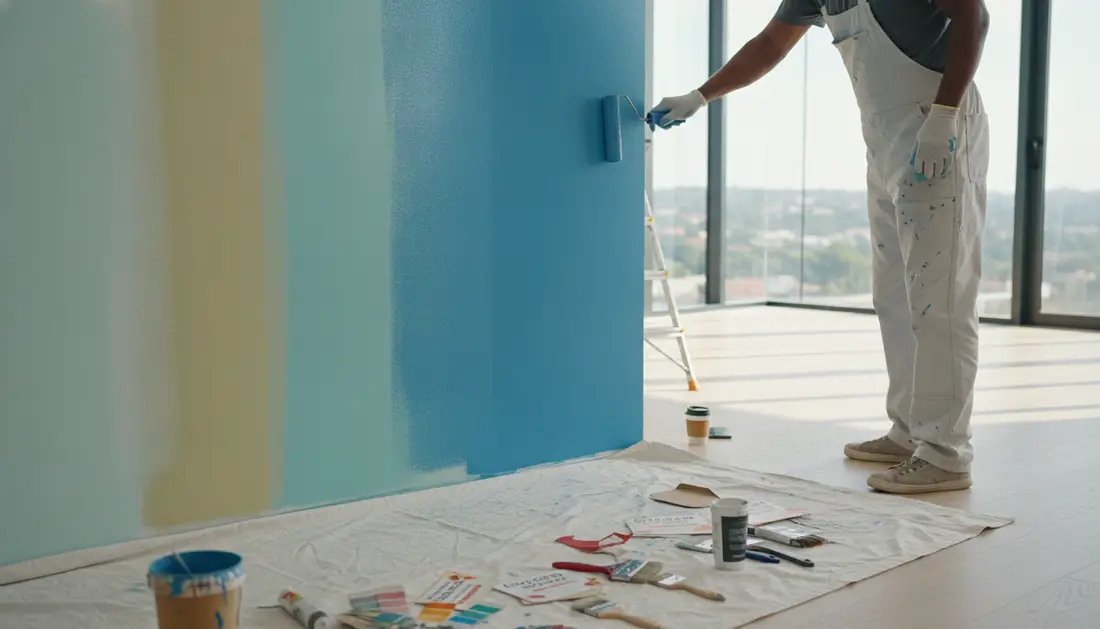
Interior work typically ranges from R63–R100/sqm and exterior jobs sit between R50–R100/sqm. Use these figures as a starting point when you request quotes.
Our platform, paintingpricepersquaremeter.co.za, and our pricing guidance help you compare local services and identify likely labour and material needs.
Check surface preparation, warranties and timelines in writing before any contractor starts. That step often has the biggest influence on final price and long‑term quality.
Follow this guide to get up to three competitive quotes, select reliable painters, and set realistic expectations for your home project.
How much does painting cost per square metre in Gauteng?
Typical pricing in this region shows interior rates from about R63 up to R100, depending on finish and prep needs.
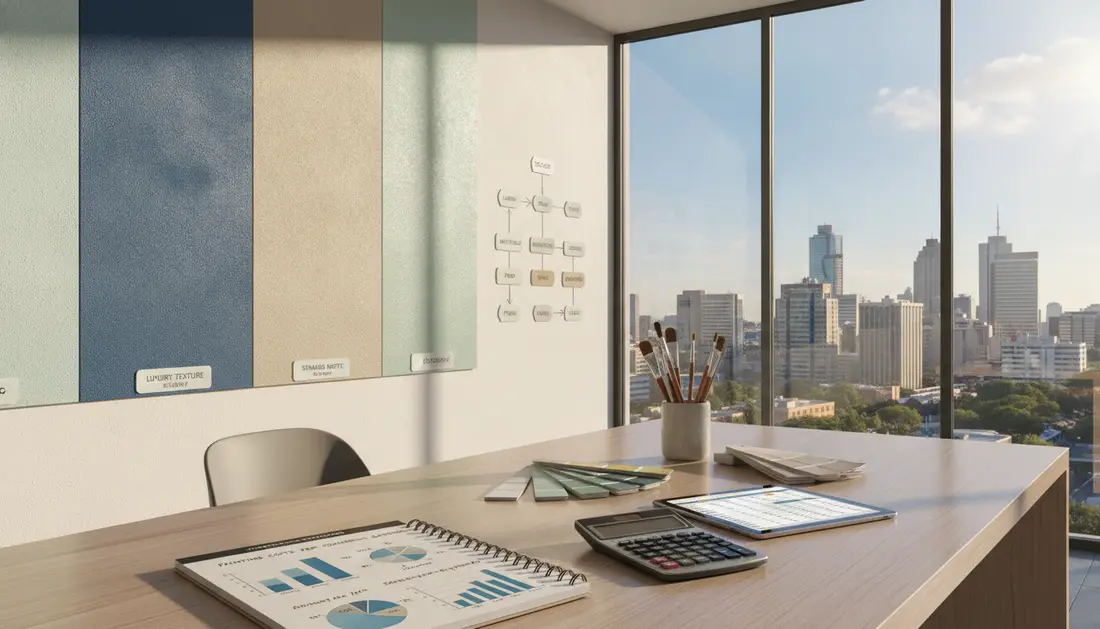
Our pricing guidance sets out clear bands: interior work usually lies between R63–R100, while exterior painting commonly falls in the R50–R100 range; compare these against province-by-province painting prices elsewhere.
When you plan a job, measure the wall area accurately. The size of the room and the number of coats needed change the final price. Also check the type of surface and how much preparation is required.
- Have painters quote a per hour rate and a total project estimate.
- Factor in preparation: sanding, filling and primer will raise prices but improve longevity.
- Compare DIY savings against professional quality and warranty terms.
Measure carefully, confirm the finish and coatings in writing, and use our platform to request competitive quotes for your home or property.
What affects painting costs in Gauteng?
Two factors dominate final pricing: the hours skilled painters need and the litres of quality paint required; what painting costs per square metre sets the national baseline. These determine the bulk of your outlay for any house or room update on the Highveld.
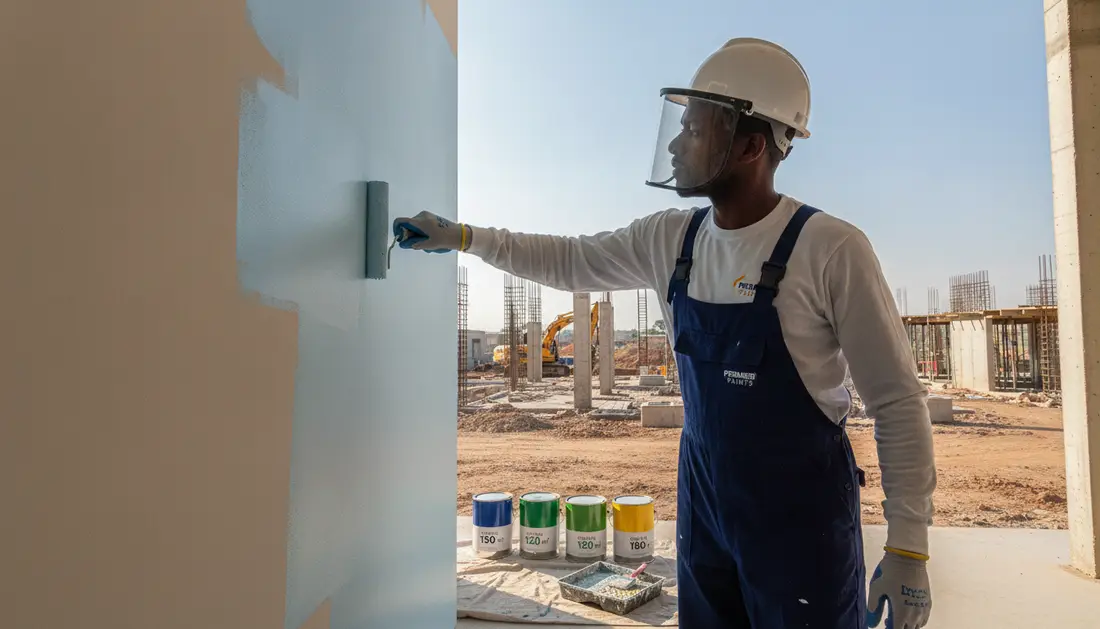
Labour and Skill Requirements
Labour usually makes up about 60% of the total project. Skilled teams charge for access difficulties, high ceilings and the time taken to prepare walls correctly.
Ask for a clear per hour rate and an overall project estimate. That avoids surprises and helps you compare prices between painters and services.
Paint Quality and Coverage
The Highveld brings intense UV, hail and dust, so higher‑grade paint pays off for longevity, and the best time of year to paint outside matters here. One litre of premium paint covers roughly 12 square metres — use this when calculating material needs.
Good preparation matters. Fixing cracks, addressing damp and selecting the right finish protect your surfaces and reduce future repainting. If you’re DIY, remember professionals include tools and safety gear in their price.
- Confirm the cost per unit for labour and materials in writing.
- Size, surface type and the number of coats affect hours and paint required.
- Quality paint and proper prep reduce long‑term prices and rework.
Regional Pricing Variations Across the Highveld
In Johannesburg and Pretoria, hourly rates fluctuate more than in smaller towns; see painting prices in Johannesburg for city-level detail. That movement reflects higher living expenses and denser demand for skilled labour.

Johannesburg and Pretoria Market Dynamics
Professional painters typically charge between R280 and R600 per hour for expert services in these cities. Expect the top end where access, height and specialised equipment are required.
Regional variations are driven by the type of property and the overall size of the project. A larger home or complex exterior job raises the amount of work and the final price; painting prices in Pretoria breaks down the capital’s rates.
- Exterior work in affluent suburbs often costs more due to complexity and risk, especially in areas like Sandton.
- Preparation of walls is standard across South Africa — contractors will include sanding, filling and priming.
- DIY jobs can save money but face material availability problems; professionals include quality paint and procurement.
“Request multiple quotes to compare pricing and workmanship before you commit.”
The average cost for a 100 square metre project varies considerably by location and surface condition; why location changes the price explains the forces at work. Use our platform to request up to three local quotes and compare services, prices and guarantees in writing.
Navigating Our Quote Request Process
Tell us about the room, the surface and the finish you want, and we’ll fetch up to three independent quotes from local contractors. This keeps the process quick and focused so you get realistic prices for your project.

How it works:
- You submit location, interior or exterior type, and a short description of the work.
- Contractors review the details and, where needed, arrange a site visit to assess preparation and access.
- Receive competitive prices based on house size, wall condition and chosen paint brand.
Ask contractors about brand quality, expected timeline and any prep work they include before you decide. Our guide helps you compare service levels, pricing transparency and warranties so budgeting for your project is straightforward.
Comparing Professional Services Against DIY Methods
A clear side‑by‑side look at professional teams versus DIY helps you balance upfront savings against lasting results. Use this to decide whether a room or whole house project suits your skills and schedule.
Professionals deliver a higher quality finish, faster turnaround and standard warranties. They charge per hour and include wall preparation, tools and safe access in the service. That reduces risk of peeling and rework.
DIY saves on labour but often adds hidden prices: premium paint, brushes, scaffolding hires and time. If the surface needs major repair, a DIY job can take much longer and lower long‑term value.
The bitterness of poor quality remains long after the sweetness of a low price is forgotten.
| Factor | Professional services | DIY |
|---|---|---|
| Quality | High finish, consistent coverage | Variable; depends on skill |
| Time | Faster; team works efficiently | Slower; one person or family effort |
| Warranty & prep | Usually offered; prep included | No warranty; prep extra work |
Essential Surface Preparation and Material Quality
Good surface prep and the right materials extend the life of any room refresh; exterior paint lifespan shows what to expect outdoors. Addressing damp, repairing walls and finishing trims properly reduces future work and keeps prices predictable.
Addressing Mould and Damp
Treat mould and damp before any finishing coats are applied. Untreated damp will lift coatings and cause peeling later.
Tip: Ask contractors to list remediation steps and the recommended primer. Roof work often uses specific products and the roof range sits around R50-R100 for coverage estimates.
Wall Repair Techniques
Minor repairs give a smooth base and save time on top coats. Expect small filler and sanding works to run at about R500 per room for typical fixes.
Get a written scope that shows the materials, number of coats and how many coats the painters will apply.
Ceiling and Trim Detailing
Ceilings and trim need steady hands and specialist tools. Professionals include masking, crisp edges and even coats as part of their services.
Confirm in writing which surfaces are prepared and how many coats are included so your final finish meets expectations.
Managing Additional Costs for Specialised Finishes
Special finishes such as textured or decorative surfaces often add a notable premium to your final quote.
These works need extra labour and finer materials, so the price will rise above standard rates. Ask contractors to show a line‑by‑line breakdown for any roof painting, intricate trim or decorative wall effects.
Preparation matters more with specialty work. Any flaw in the surface shows through the finish, so include damp treatment, filling and primer in the scope and the total figures.
| Finish type | Labour intensity | Material quality | What to confirm in writing |
|---|---|---|---|
| Textured walls | High | Premium | Number of coats; texture method |
| Decorative effects | Very high | Premium | Sample panel; lead time |
| Roof or trim detailing | Medium–high | Durable exterior grade | Access plan; coats listed |
Compare quotes on our platform to find best value and avoid DIY attempts unless you have the right skillset and tools.
Final Steps to Secure Your Painting Project
Make sure all expectations—timeline, materials and guarantees—are written into the contract before work starts. Confirm the contractor meets NHBRC standards for South Africa and carries relevant references.
Use our quote request process at paintingpricepersquaremeter.co.za to collect up to three competitive quotes from trusted, independent painters in your area. Ask each supplier to show final price, material brands and the expected timeline in writing.
Discuss property preparation and surface repair in detail. Check previous work and confirm who is responsible for cleanup and warranties. Clear communication keeps pricing transparent and helps your home project finish on time and to the quality you expect.
FAQ
What is the typical price I should expect for painting in Gauteng in 2026?
Typical local pricing varies by job size, finish and access. For a basic interior emulsion job on well-prepared plaster walls expect a mid-range hourly labour rate plus material charges. Always ask contractors for a written breakdown of labour, primer and top coat, number of coats, and any surface repairs. Request up to 3 quotes, or up to 5 where available, to compare.
Which factors most influence how much my project will run?
Key drivers are surface condition, number of coats, product quality (trade vs premium), extent of preparation (filling, sanding, mould treatment), access (scaffolding or high-reach work), and how skilled the team is. Projects needing repair, metal or timber prep, or specialised finishes add labour and materials.
How does paint quality affect the overall price and outcome?
Higher-grade paint usually costs more per litre but covers better and lasts longer, reducing repaint frequency. Premium products also give improved opacity, fewer coats, and stronger warranties. Confirm brand names and sheen levels in writing — reputable paint brands — and check recommended spread rates on the tin.
Do regional differences across the Highveld change the price?
Yes. Urban centres like Johannesburg and Pretoria often have more contractors and competitive pricing, but higher demand can raise rates for rush jobs. Outlying suburbs may include travel or delivery surcharges. Always clarify any travel, standby or access fees before accepting a quote.
What should I expect from your quote request process?
Provide basic details: room sizes, ceiling height, surface type, and photos if possible. Independent contractors will confirm visit times, inspect surfaces and issue a written quote listing labour, primer, paint, number of coats, and warranty terms. You may request up to 3 quotes, or up to 5 where available.
Is it cheaper to DIY rather than hire professional painters?
DIY saves on direct labour but adds risk: longer timelines, potential rework, and incorrect prep that shortens lifespan. Professionals bring speed, correct product selection and guarantees. Compare total projected lifespan and indirect costs when deciding.
How should mould and damp be handled before painting?
Mould must be treated and the underlying damp issue fixed before any paint is applied. Treatment might include biocidal washes, replastering or improved ventilation. Contractors should list remedial steps and separate costs for treatment versus painting.
What wall repair work is commonly needed and how does it affect price?
Common repairs include filling cracks, re-skimming sections, replacing damaged plasterboard, and sanding. Repairs increase labour time and may require extra drying or primer coats. Quotes should itemise repair work and predicted cure times.
Are ceilings and trim priced differently from walls?
Yes. Ceilings often need a specific ceiling paint and different access equipment. Trim, skirtings and cornices require careful cutting-in and possibly a higher-sheen product. Many contractors quote walls, ceilings and joinery separately so you can compare line items.
What extra costs arise for specialised finishes or high-traffic areas?
Specialised finishes (textured, metallics, faux or mural work), anti-graffiti coatings, or hard-wearing commercial coatings for high-traffic areas add material and labour. They may also require specialist applicators. Confirm surface warranties and maintenance recommendations in writing.
How long should I allow for a typical home repaint project?
Small rooms might take 1–2 days. A whole-house interior repaint can take several days to a couple of weeks depending on preparation, drying times and number of coats. Exterior work can be weather-dependent; expect longer lead times in the rainy season.
What should be included in the written quote and contract?
Ensure the quote lists scope of work, brand and litres of paint, number of coats, surface preparation, scaffolding or access charges, start and completion dates, payment terms, and warranty details. Check who is responsible for site clean-up and final inspections.
How do I compare quotes to choose the best value?
Compare line-by-line: labour hours, product brands and quantities, prep work, number of coats and warranty. The cheapest price is not always best value. Look for experienced teams, clear timelines and product warranties. Use up to 3 quotes, or up to 5 where offered, to make a fair comparison.
Can contractors provide guarantees or warranties for their work?
Many reputable contractors offer workmanship warranties and paint manufacturers provide product warranties. Ask for the warranty terms in writing, including what is covered and for how long, and whether callbacks are charged.
Start with certainty