

Bedroom Painting Costs in South Africa
Standard and main-bedroom repaint rates with ceiling inclusion, furniture moving, and prep spelled out
Quick answer
R1 966–R2 714 per room~30 m² paintable · R78/m²
Bedroom painting costs in South Africa – standard and main bedroom rates, with ceiling inclusion, furniture moving and prep work spelled out.
Instant estimate
Bedroom painting cost calculator
Estimate a bedroom repaint by room size, coats and paint grade.
12 min read
On this page
Want to know what a quick refresh will really set you back? Many homeowners assume a single number covers every project, but the truth depends on size, surface condition and material choice.
For a standard room you can expect a typical range of R1,500 to R3,500. A full three-room house, covering interior and exterior work, often sits between R25,000 and R50,000. These are national averages to help you plan.
Our platform at paintingpricepersquaremeter.co.za offers clear insight into these price drivers. Use our pricing guidance to see how labour, surface prep and paint quality change the final invoice.
When you prepare your home improvement project, remember to get written details and to compare up to three independent quotes via our quote request process. That way you avoid surprises and secure a fair market price for the job.

How much does it cost to paint a bedroom in South Africa?
Regional trends shape how much you’ll pay to update walls and trim, part of broader room painting costs. Labour, materials and access all influence final prices. Use our pricing guidance to separate low-end offers from premium service levels.
Who provides local work: reputable, established local contractors. Independent contractors listed on our platform will visit your home and give written quotes.
Professional painters typically charge R450–R900 per hour for labour, excluding paint and materials; interior painting rates per m² give an area view. In Cape Town, expect slightly higher labour rates than in rural areas. Getting multiple quotes helps you compare value for interior and exterior work.
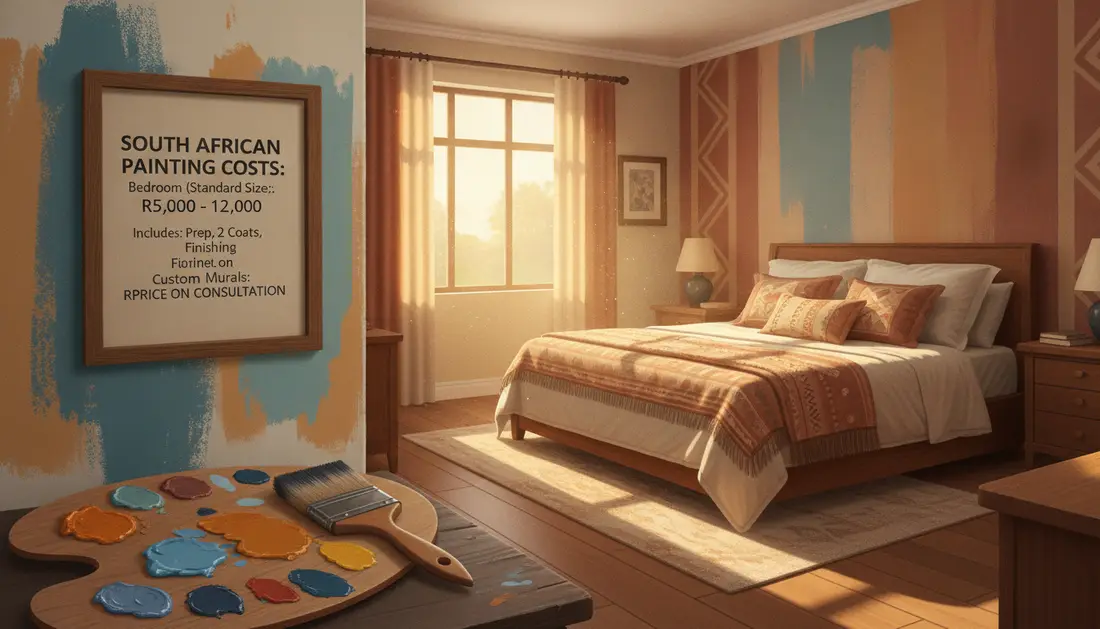
| Item | Typical Range | What it covers | When it varies |
|---|---|---|---|
| Labour | R450–R900/hr | Skilled painters, prep, application | Access, height, complexity |
| Paint & materials | Variable | Primer, topcoat, fillers | Brand and durability |
| Quotes | 3 recommended | Site visit, written scope | Region and contractor demand |
- Our pricing guidance helps you judge low vs premium service levels.
- Professional painters bring expertise that reduces rework and delays.
- Compare contractors’ written quotes to confirm scope, timelines and warranties.
What affects the cost of painting a bedroom?
The main drivers of a sensible budget are surface condition and the type of paint you choose. These two areas often explain most differences between low and high quotes.
Surface Condition and Repairs
The condition of your walls determines how much repair and preparation work is required; preparing a room for painting lists the steps. Older plaster with cracks, peeling or damp needs more filling, sanding and sealing.
More repairs mean higher labour and materials. A three‑bedroom house with about 350–400 m² of paintable surface will need extra time and supplies when surfaces are poor.
Paint Quality and Durability
Choosing higher‑quality paints raises upfront price but reduces repainting frequency; our paint sheen and finish guide helps you pick. Durable paints resist UV and moisture, protecting your home and roof edges longer.
Tip: For interior work use paints with good coverage; for exterior areas pick UV‑stable, wash‑able formulations to cut long‑term costs.
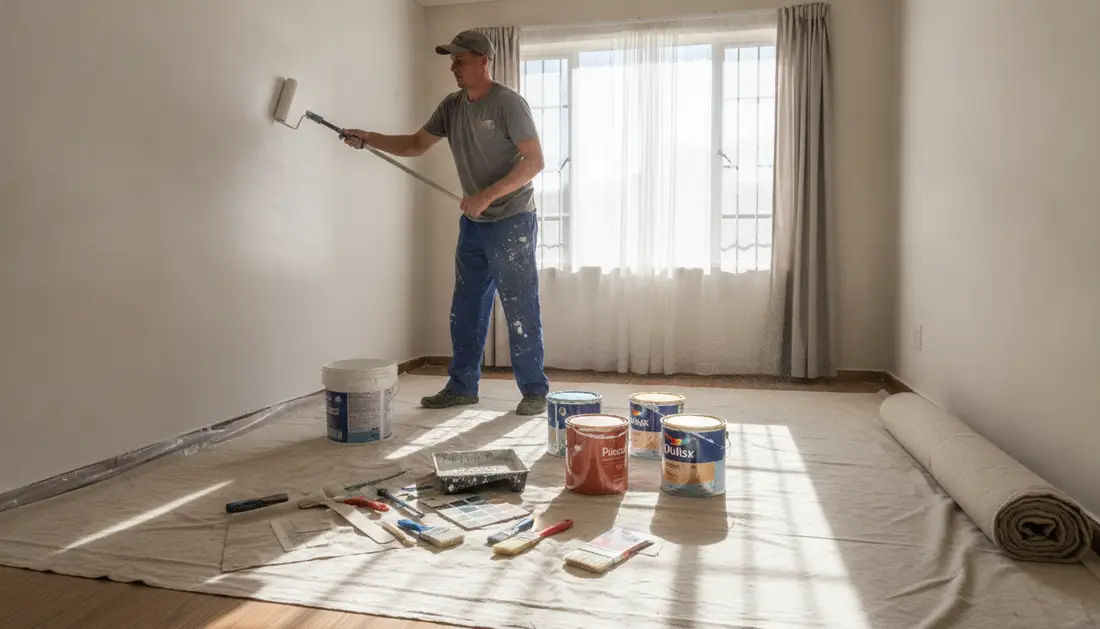
- Proper surface preparation ensures paint adheres and lasts.
- Labour costs increase when surfaces need major repairs or extra coats.
- Compare per square pricing and confirm surface preparation in writing.
What is the typical price to paint a bedroom?
Size and access shape most estimates — so measure walls and note ceiling height before you request a quote.
Typical examples: A 10 m² room commonly falls between R1,800 and R3,500 for a standard two‑coat finish. That range varies with ceiling height, number of windows and how much surface preparation is needed.
Interior prices per square metre usually sit between R60 and R120 for walls. Exterior walls generally range from R50 to R100 per square metre because weather‑resistant paints and safety equipment add labour and materials.

Size and Cost Variations
Smaller rooms often need more meticulous brushwork and masking, which can raise the cost per square metre — much like bathroom painting costs. Larger areas tend to benefit from rolling, so the price per square drops.
For a 185 m² house expect roughly 90–110 litres of paint to complete two coats on walls and ceilings. Always ask painters for an itemised quote that lists area, number of coats, labour and materials so you can compare prices fairly.
- Confirm the cost per square metre and any extra for surface repairs.
- Expect higher rates in Cape Town and other metro areas for labour and access.
- Request a written scope that shows coats, prep work and materials.
Essential Surface Preparation and Operational Timeframes
Good surface preparation reduces rework and sets realistic timelines for any home refresh. Cleaning, sanding and sealing create a stable base so finishes adhere and last.
Interior finishes typically remain in good condition for 3–5 years when surfaces are prepared properly. Newly plastered walls should receive a quality primer to improve adhesion and coverage.
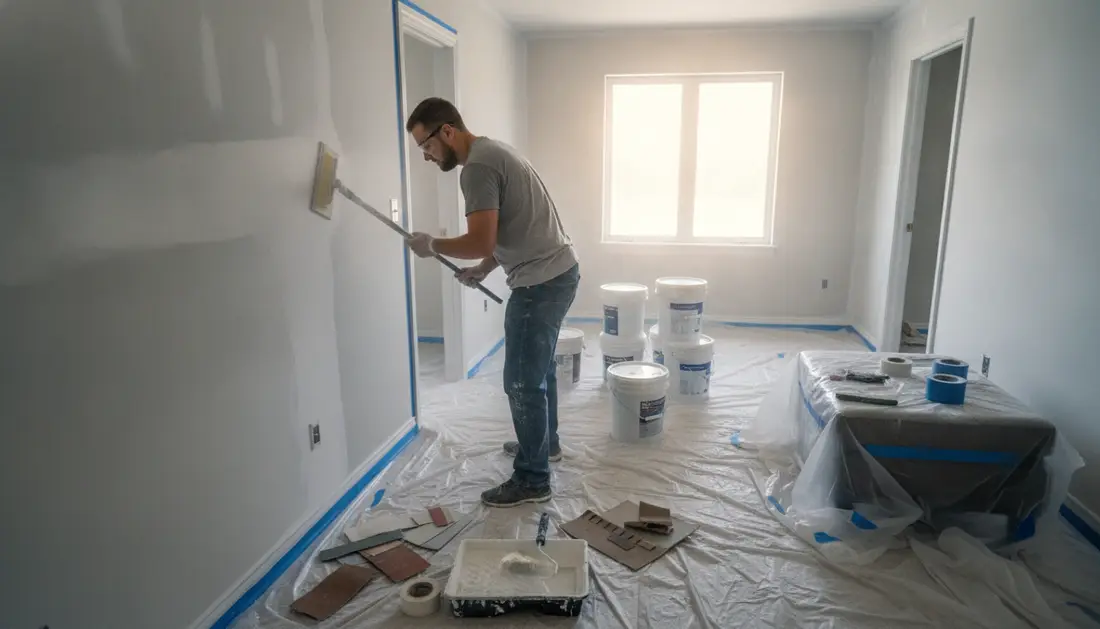
For a standard flat or apartment most professional teams complete the job within 3–5 days with minimal disruption. The actual timeframe depends on room size, number of coats and the extent of repairs required.
- Effective prep: cleaning, sanding, filling and priming prolongs the finish and reduces future repairs.
- Transparent pricing: contractors often show a cost per square metre for labour and materials in written quotes.
- Drying and coats: allow proper drying times between coats when using premium paints to achieve durable results.
Confirm the scope in writing. List repairs, number of coats, materials and operational timeframe so you can compare prices and labour reliably.
Managing Feature Walls and Room Specifics
Feature walls change a room’s character, but they also change labour and material needs; getting clean coverage over dark walls matters for bold accents. A single accent can raise the price per square metre because painters spend extra time masking and cutting in. For a dining room, expect a typical range of R2,000–R5,000 depending on design and prep required.
Feature Wall Coverage
Coverage and coats: A feature wall often needs additional coats or specialised paints to reach the desired colour depth. That increases the amount of paint and materials listed in your quote.
Size and complexity matter. Cornices, trims and built-in units add time and influence the final labour costs and overall prices.
Masking Techniques for Clean Edges
Meticulous masking around sockets, doors and windows prevents bleed and creates crisp lines. Professional teams use specialist tape and careful cutting-in to protect surfaces.
- The cost per square metre can be higher for feature walls due to extra masking and precision work.
- High-quality paints keep colours vibrant and reduce early touch-ups in high-traffic areas.
- Always confirm labour, number of coats and materials in writing so your final quote reflects the room requirements.
Environmental Considerations for Long-Lasting Finishes
Coastal sun and humid air make material choice and application technique decisive for long-lasting finishes.
Choose weatherproof, UV-resistant paint for exterior work. In coastal areas salt spray and strong sunlight accelerate wear. High-quality paints and correct surface preparation help finishes last longer and reduce future repainting costs.
Managing Condensation and Wash-and-Seal
Bathrooms and other damp rooms need mould-resistant paints to protect walls and maintain a healthy home. Proper ventilation plus the right paint prevents staining and flaking.
For roofs, wash-and-seal procedures protect metal and tiles from rust and salt. Expect roof work to run about R40–R100 per square metre depending on material and condition.
- Environmental factors like sun and humidity affect paint lifespan and labour required.
- Use a primer and weather-resistant topcoat on exterior surfaces to prevent premature peeling.
- Multiple coats, correct materials and careful application create durable finishes that save money long term.
How to Secure Reliable Quotes from Independent Contractors
Start by requesting detailed quotes that name the paint brand, the number of coats and the surface preparation required. Use our quote request process to obtain up to three written proposals from independent contractors in South Africa.
Always insist on an itemised breakdown showing labour, materials and the price per square metre for the room or area. That helps you compare real prices and spot hidden extras.
Confirm warranties in writing. Reputable companies often offer 1–3 year guarantees; have the length and what it covers in the final quote.
Check previous work and ask for references before you hire. Verify the painters’ quality on similar interior or exterior jobs and on roof painting where applicable.
- Use our quote request process to compare painting costs and service in one place.
- Confirm scope, coats and materials in writing so the job matches the quote.
- Obtain up to three quotes to judge expertise, prices and reliability.
Final Thoughts on Achieving a Professional Home Refresh
A well-planned refresh gives your home lasting appeal and better resale value. In south africa, clear choices on paint quality and surface prep control both immediate costs and long-term maintenance.
Use our platform to compare options and avoid surprises. The right materials, careful prep and skilled labour produce durable finishes on walls, trims and ceilings. Request detailed quotes so you know what coats and repairs are included.
- Achieving a professional home refresh increases value and enhances comfort.
- By using paintingpricepersquaremeter.co.za, you can plan budgets and connect with skilled professional painters.
- The final quality depends on paints, prep work and the expertise of contractors you hire.
- Use our quote request process to secure up to 3 written quotes and compare real costs.
- Whether updating a single room or an entire house, good planning yields durable, vibrant finishes.
FAQ
What typical price range should I expect for a room refresh per square metre in South Africa?
Prices vary by region and scope. For an interior room expect a range from about R60 to R180 per m² for labour and basic materials. Higher-end paint brands, extensive repairs, or difficult access can push the total to R200–R300 per m² or more. Always get local quotes and compare what’s included.
How does surface condition affect the final quote?
The condition of walls changes the work required. Clean, sound plaster only needs light sanding and two coats. Damaged surfaces need filling, sanding, priming or re-plastering, which increases labour and material time. Ask contractors for a line-item price for repairs and for any extra coats recommended.
What paint types influence price and durability?
Emulsion, acrylic, washable and low-VOC paints differ in price. Budget emulsions cost less; premium acrylic or washable products last longer and hide defects better. Expect higher per-litre costs for reputable paint brands but fewer reworks over time. Confirm brand, sheen and number of coats in the quote.
How much should I budget for surface preparation and masking?
Basic preparation (cleaning, sanding, minor filling) is usually 10–20% of the total price. More extensive sealing, priming or masking of skirtings, architraves and feature areas adds time and cost. Good preparation prevents premature peeling and is worth the investment.
Do feature walls or special finishes cost more?
Yes. Feature walls using different colours, textures or wallpaper require additional masking, edge work and sometimes specialist products. Expect a premium for precise joins and clean edges. Contractors often charge per feature rather than per m² — get the exact method and price in writing.
How long will a typical room job take from start to finish?
A single average-sized room typically takes 1–3 days: one day for prep, one day for priming and first coat, another for second coat and touch-ups. Larger rooms, repairs, or multiple colours extend the timetable. Confirm the estimated start date, daily working hours and completion day with the painter.
What should I check in a contractor quote before accepting?
Check these items: scope of work, brand and product codes, number of coats, surface repairs included, access or scaffolding needs, waste removal, expected start and finish dates, payment terms, and any workmanship warranty. Make sure all verbal agreements appear in the written quote.
How many quotes should I request and from whom?
Request up to three independent quotes, more where available up to five, from experienced professional painters or small contractors. Compare like-for-like: same products, same prep level and same number of coats. Site visits provide the most accurate estimates, so prefer contractors who inspect the room.
Will painting the ceiling or trim change the price much?
Adding ceilings and trims increases cost because of additional masking, ladders and different paints. Ceilings often use flat white and take extra time. Trims require careful brushing or spraying for a neat finish. Expect a separate line item for these in your quote.
How do environmental issues like condensation affect the job?
Condensation and damp require treatment before decorating. Wash-and-seal systems or anti-condensation paints, plus moisture remediation, add to costs but prevent recurring problems. Contractors should inspect for mould or salt efflorescence and quote remediation separately.
Can I save money by doing some prep work myself?
Yes — clearing furniture, light sanding and masking can reduce labour time. Do not attempt extensive filling, plastering or cutting in if you lack experience; poor prep leads to higher rework costs. Confirm with the contractor which tasks are acceptable for you to handle.
What payment terms and warranties are common for professional painters?
Typical terms are a small deposit on acceptance and the balance on completion. Some contractors request staged payments for large jobs. Ask for a written workmanship warranty (commonly 6–24 months) and ensure product guarantees from reputable paint brands are documented.
How should I compare quotes that use different brands or quantities of paint?
Compare by coverage (m² per litre), number of coats and the specified product code. A cheaper paint may need more coats and still underperform. Request a cost-per-m² breakdown including labour, materials and prep so quotes are directly comparable.
Are there regional price differences across Cape Town, Gauteng and other areas?
Yes. Urban centres like Cape Town and Johannesburg often have higher labour rates and material mark-ups than smaller towns. Travel to remote sites can add a surcharge. Get local quotes to reflect realistic pricing for your area.
What is included in a professional surface wash-and-seal service?
A wash-and-seal typically includes cleaning, mould removal, priming with a sealer and application of top coats suitable for problem areas. It’s aimed at stabilising the surface and prolonging the life of the finish. Contractors should itemise each step in the quote.
How many coats are normally required for good coverage?
Most internal jobs use two topcoats over a suitable primer or undercoat. New or repaired plaster, strong colour changes, or low-opacity paints may require a third coat. Confirm the exact number of coats in writing to avoid surprise extras.
What should I do if I need a fast turnaround?
Ask contractors about additional labour, night shifts or rapid-dry products. These speed options usually incur higher rates. Ensure accelerated work still allows proper drying between coats to avoid a substandard finish.
Related painting cost guides
Ready to compare?