
Lounge and Living Room Painting Costs in South Africa
Bigger wall areas, feature walls, open-plan edges, and double-volume corners priced realistically
Quick answer
R2 948–R4 072 per room~45 m² paintable · R78/m²
Lounge and living room painting costs in South Africa – bigger wall areas, feature walls, open-plan edges and high corners priced realistically.
Instant estimate
Lounge painting cost calculator
Estimate a lounge / living-room repaint by size, coats and paint grade.
13 min read
On this page
Curious which factors make a painting project cost more than you expect? You need clear numbers and a simple way to compare quotes before you start. We help you budget with real data and practical advice.
Experienced local contractors support homeowners and landlords to find fair pricing. Use paintingpricepersquaremeter.co.za for accurate per square estimates and to avoid surprises.
Our guide explains how surface condition, preparation, paint type and labour shape the final price. We show how quality paint and proper prep extend a finish and reduce redo costs.
Request up to three quotes, compare professional painters, and confirm the scope in writing. That way you control the pricing, understand per hour or per square rates, and plan a successful house or interior update.
How much does it cost to paint a lounge or living room in South Africa?
Start by checking per-square rates: this gives you a practical baseline for any interior painting project in South Africa, alongside what it costs to paint a room.
Typical pricing tiers are easy to compare. Basic work with minimal preparation is usually R60–R80 per square metre. Mid-range jobs using quality paint and standard prep land at R80–R120 per square metre. Premium finishes and heavy preparation can exceed R200 per square metre.
What to expect from professional painters: they will assess wall condition, recommend the number of coats, and advise on surface repair before quoting. Confirm whether labour and materials are included.
| Tier | Price (per m²) | Typical inclusions |
|---|---|---|
| Basic | R60–R80 | One coat, minor touch-ups, basic paint |
| Mid-range | R80–R120 | Quality paint, standard prep, 2 coats |
| High-end | R200+ | Premium paints, extensive prep, specialised finishes |
Use these tiers to manage your budget and to compare quotes. Always get the scope in writing so the quoted price matches the required service and materials.
What affects the cost of painting a lounge?
Several practical variables decide the final price for an interior paint job. Understanding them helps you compare quotes and avoid surprises.
Material Quality
Quality paint matters. Higher-grade paints cover better and resist marks. That often cuts the number of coats and saves on labour over the project.
Consider finish and type when you pick paints — choosing a paint finish walks through it. Satin and eggshell hide imperfections; matt shows less sheen and can be cheaper in some cases. Factor in primer if you change from a dark to a light colour.
Surface Condition
Walls in poor condition raise costs. Cracks, damp, flaking and uneven surfaces need filling, sanding and priming before top coats.
Professional painters in south africa will inspect access, ceiling height and the area size. A site visit gives a more accurate price and avoids mid-job extras.
| Variable | Impact on price | Tip |
|---|---|---|
| Paint quality | Medium–high | Choose quality paint to reduce coats |
| Surface condition | High | Fix defects before quoting |
| Access & labour | Medium | Clarify per hour or per square rates |
Always confirm scope in writing. That way the quoted total reflects the true requirements of your house or interior project.
Labour and Professional Service Expectations
Understanding how professionals charge helps you plan a successful painting project. Labour charges are a major part of the final price and affect your timeline and quality.
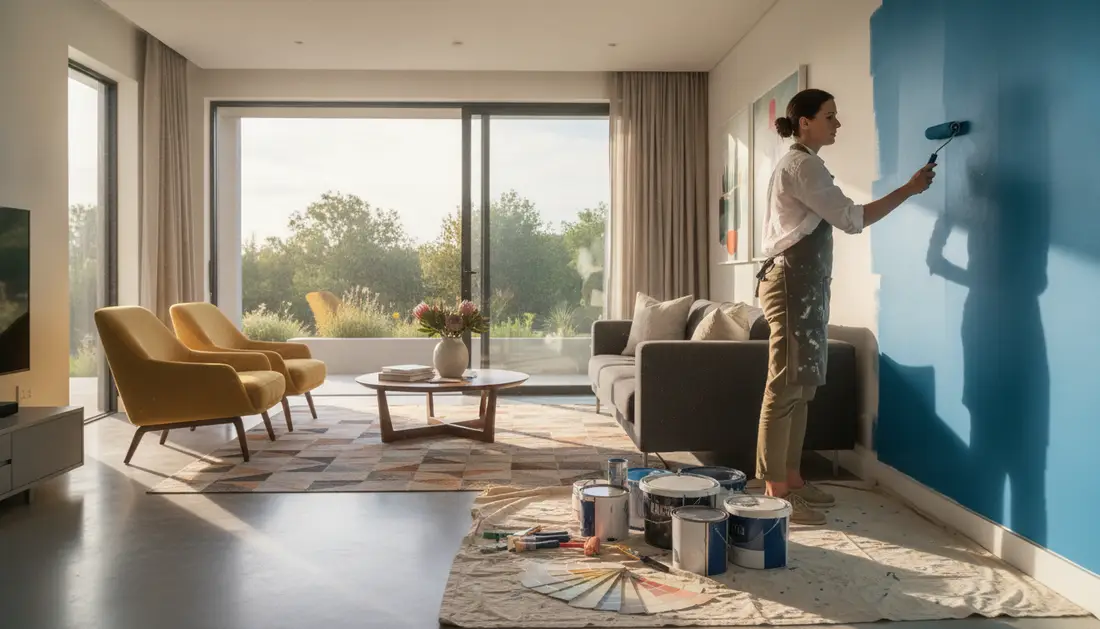
Typical on-site rates range from R450 to R900 per hour for skilled teams. Contractors may instead offer a fixed project fee when the job is clear and access is straightforward.
Hourly vs project rates
Choose hourly if the job has unknown variables or needs phased work, since how long does it take to paint a room varies. Choose a project rate for defined scopes and predictable timelines.
“Confirm what labour costs cover: surface preparation, protection of furniture and floors, waste removal and final cleaning.”
- Ask for a written breakdown of labour and materials.
- Check that preparation, repairs to walls and protective measures are included.
- Size of the house and number of rooms often determine whether hourly or project pricing is preferable.
| Model | When to use | Typical inclusions |
|---|---|---|
| Hourly (R450–R900/hr) | Uncertain scope, repairs, phased work | Labour, on-site decisions, flexible hours |
| Project fee | Well-defined scope, fixed finish | Materials, labour, prep, waste removal, clean-up |
| Hybrid | Large jobs with unknowns | Fixed base + hourly for extras |
Compare quotes from professional painters and confirm what is included. Our platform connects you with independent contractors who provide detailed breakdowns so you can compare pricing fairly.
Navigating Open Plan Boundaries and Cutting In
Edges and boundaries in open-plan homes need careful attention to achieve a seamless finish; double-volume lounges add high-wall and double-volume painting costs. Precise cutting-in is the process of painting where walls meet ceilings, joinery or different surfaces.
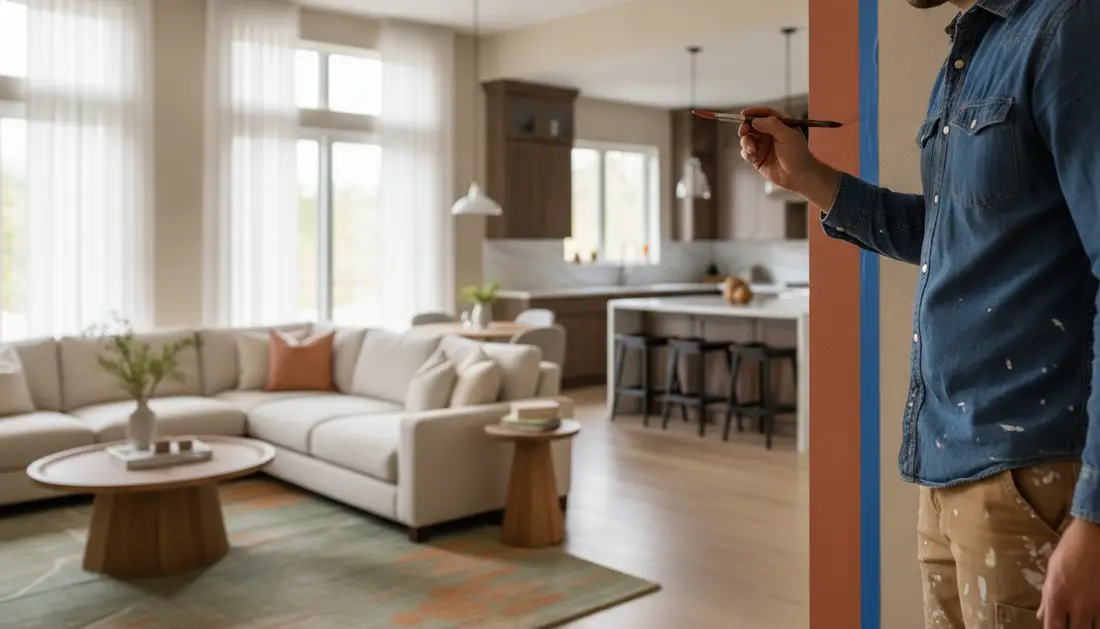
Why it matters: cutting-in is slow, so labour charges rise for complex joins. Contractors factor this into the per square price they quote.
Textured walls change the maths, as do bold colours — our guide to covering dark colours explains. You should expect to use 20–25% more paint on textured surfaces to get even coverage across all walls.
- Professional teams use quality brushes to create crisp lines at boundaries.
- DIYers often find cutting-in the toughest task; steady hands and patience are essential.
- Ask contractors how they will handle colour transitions between spaces to avoid visible seams.
| Detail | Effect on project | Tip |
|---|---|---|
| Complex boundaries | Higher labour per square | Request a written breakdown |
| Textured surfaces | 20–25% more paint | Buy extra paint or confirm allowance |
| Brush quality | Cleaner finish | Confirm tools in scope |
Use our platform to find contractors experienced with open-plan layouts in South Africa. Compare quotes, check how they plan edge work, and confirm the scope and price in writing before work starts.
How do double-volume walls and height affect the price?
Extra height in a house changes the tools, time and safety measures needed for a painting project.
Double-volume corners and high ceilings often need scaffolding or specialised ladders. This raises labour costs because teams must follow safety protocols and work more slowly.
Contractors will include the height of your walls when they quote. Expect rental or setup fees for equipment to appear in the final price per square metre.
Plan ahead by asking painters to list scaffolding and access charges in the written quote. That prevents surprise extras once work starts.
- Confirm the contractor has experience with high-access work and the right tools.
- Ask how preparation and surface protection affect the timeline.
- Check that exterior access (if relevant) is included in the price.
“Proper planning for difficult areas ensures a uniform finish and protects quality.”
Use our platform to find independent contractors equipped for high ceilings in south africa. Compare quotes, check the equipment listed, and confirm scaffolding costs in writing before the project begins.
Managing Sun Faded Colour Mismatches
Sun-exposed walls often fade unevenly, leaving obvious colour breaks that need careful attention.
Sun-faded surfaces commonly suffer from chalking, where UV breaks down the binder and the paint loses adhesion. That makes simple touch-ups look patchy and short-lived.
If interiors or exterior walls have faded significantly you may need to use a primer before new coats. A primer seals chalky residues and improves adhesion so the new colour lasts.
- Expect a full-wall repaint when colour matching fails, especially with white shades.
- Mention sun-exposed areas when you request a quote so contractors can plan extra prep and labour.
- Invest in higher-quality paints for sun-facing walls to slow future fading and reduce long-term costs.
“Repainting every 5–10 years keeps surfaces protected and preserves property value.”
Use our platform to find contractors who understand sun-weathered surfaces and can price the project per square with the correct prep and materials listed in writing.
Comparing Quotes for Your Project
Collecting competitive quotes helps you spot hidden fees and compare real value for the job. Use a clear brief so contractors price the same scope and you can compare like-for-like offers.
Requesting Multiple Quotes
You can request up to three quotes from independent contractors through our quote request process. Contractors are asked to respond or offer a site visit within 72 hours of your request.
Why three? It balances market insight with practical decision-making. More quotes can confuse; fewer may miss market variation.
Evaluating Contractor Experience
Look beyond price. Check previous work, references and the contractor’s approach to surface preparation, access and safety for high areas.
Ask for examples of similar interior and exterior projects and confirm the brands of paint they use to judge likely quality and longevity.
Confirming Written Warranties
Never accept a verbal agreement. Insist on a written quote and a contract that lists timelines, a full cost breakdown, and warranty terms.
Confirm warranties for both labour and the paint products. That protects you if defects appear after the work finishes.
| Item | What to check | Expected detail |
|---|---|---|
| Response time | Site visit or reply | Within 72 hours |
| Quote breakdown | Labour, materials, prep, equipment | Per square and fixed items listed |
| Experience | Similar projects & references | Photos, client contact or reviews |
| Warranties | Labour and product coverage | Written terms and duration |
Use our platform to request your quotes. By comparing three independent offers you understand local per square rates, labour costs, and the key factors that affect final costs for your home or house project.
Essential Surface Preparation Requirements
Surface preparation drives how long a coat lasts and how much you will pay to redo it later.
Clean first. Remove dirt, grease or mould so new paint adheres to the walls. In our climate, mould and chalking are common and must be treated before any top coat.
Repair and sand. Fill holes and cracks, sand rough patches and remove loose flake. A smooth base reduces the number of coats and the labour required per square metre.
If your home has damp, address it with professional waterproofing before work begins. Painting over damp causes peeling and shortens life of the finish.
Skipping prep to save on costs usually creates bigger bills later. Peeling or flaking surfaces need rework that adds labour and material to the project.
Ask your painter to explain the full preparation process and list what is included in the per square price. Our platform connects you with contractors who prioritise correct surface preparation to protect your house investment.
Selecting Quality Paint for Longevity
Choosing the right paint affects how often you repaint and how the finish stands up to daily wear.
Invest in quality. Premium paint gives better coverage and resists scuffs, which often reduces labour and the need for frequent touch-ups.
Match paint type to the area. Use acrylic for humid zones, oil-based for trims and high-traffic surfaces, and specialist formulations for kitchens or bathrooms.
- Look for products with a manufacturer’s warranty for extra protection.
- Premium products usually need fewer coats, lowering the per square expense over time.
- Confirm compatibility with the wall’s condition—primers can be essential on chalky or sun-faded surfaces.
Talk with your independent contractor about brands and finishes that suit your house and room. Ask them to list the paint brand and amount in writing so the project is priced accurately.
“Choosing quality paint is an upfront investment that protects the finish and reduces repeat work.”
Final Steps for Your Property Transformation
Wrap up the project with a clear walkthrough to confirm scope, quality and cleanup.
Do a final inspection of every wall to ensure the finish meets your standards. Check that surface preparation was done correctly and that edges are neat.
Confirm the contractor has removed equipment and cleaned the area before you sign off. Review the written warranty so you understand future maintenance and coverage terms.
If you are happy, keep the painter’s contact details for future home maintenance. Proper upkeep, such as cleaning and fixing small cracks early, preserves the result and reduces future per square expense.
For budgeting help and detailed per square tools, visit paintingpricepersquaremeter.co.za to access our pricing resources.
FAQ
What are typical lounge & living room painting costs in South Africa?
Prices vary by size, paint type and surface condition. Expect ballpark labour rates from around R450–R900 per painter per day for standard interior work, with quality paint adding R500–R900 per 20L depending on brand and finish. For budgeting, calculate per square metre once you know wall area, then add prep and access charges.
How do I estimate the total cost for a living area repaint?
Measure wall area (width x height x number of walls) and multiply by a local per square metre price from quotes. Add separate amounts for surface preparation, primer and extra coats. Ask contractors for a breakdown: paint, materials, labour hours, and any scaffolding or access costs.
Which factors most influence the project budget?
Key variables are paint quality and type (matt, silk, washable), surface condition (cracks, damp, peeling), number of coats, complexity of joins and trims, ceiling height and access, and whether furniture removal or masking is required.
Does material quality change the final price much?
Yes. Higher‑quality paints from reputable paint brands cost more upfront but give better coverage and durability, often reducing required coats. They can be more cost‑effective long term for high‑traffic areas.
How does poor surface condition affect costs?
Surfaces needing repair increase labour and materials. Expect extra charges for filling, sanding, sealing, treating damp or mould, and applying primers. Contractors should itemise these in the quote rather than roll them into a single rate.
Should I hire painters by the hour or by project?
Hourly rates suit small touch‑ups. For full repaints we recommend a fixed project quote so you know the total. Fixed quotes should state scope, number of coats, paint brand, and lead time.
How do open plan boundaries affect pricing?
Cutting in between open zones takes more time. Expect higher labour for precise edges and protected floor coverings. Agree with contractors where to stop paint lines and whether skirtings and archways are included.
Are taller ceilings or double‑volume corners more expensive?
Yes. Height needs ladders, scaffolding or lifts and slows progress. Corners and high ceilings require extra safety and time, which increases labour and may add an access fee.
How can I manage sun‑faded colour mismatches when repainting part of a wall?
Best practice is repainting the whole wall or the entire room for a uniform finish. If that’s not possible, use colour matching with fresh paint and consider a slightly different sheen to blend; discuss acceptable outcomes with the contractor before work starts.
How many quotes should I request and compare?
Request up to 3 quotes, or up to 5 where available, from independent contractors. Compare scope, paint brands, coats, prep work, start and finish dates, and warranties rather than picking by price alone.
What should I look for in contractor experience?
Check trade references, portfolios of similar projects, public reviews, and whether they carry liability insurance. Confirm they understand specific needs such as plaster repair, high ceilings or open‑plan boundaries.
What written warranties should be confirmed?
Get warranty details in writing: workmanship period, paint brand guarantees, what is covered (peeling, flaking) and any maintenance requirements. Warranties differ between contractors and paint manufacturers.
What essential surface preparation is required before painting?
Expect cleaning, sanding, filling cracks and holes, treating mould or damp, sealing stains with primer, and applying a suitable primer coat. Proper prep ensures adhesion and longevity—ask for these tasks in the quote.
Which paint types give the best longevity for interior walls?
Quality water‑based emulsion in a washable matt or satin finish from established brands typically balances durability and appearance. For kitchens or busy areas, opt for satin or washable eggshell finishes for easier cleaning.
What final steps should I confirm before project completion?
Confirm a final walk‑through, removal of protective coverings, touch‑ups, and a written sign‑off. Obtain invoices and warranty documents, and agree on a timeframe for any post‑job snags to be fixed.
Related painting cost guides
Ready to compare?