
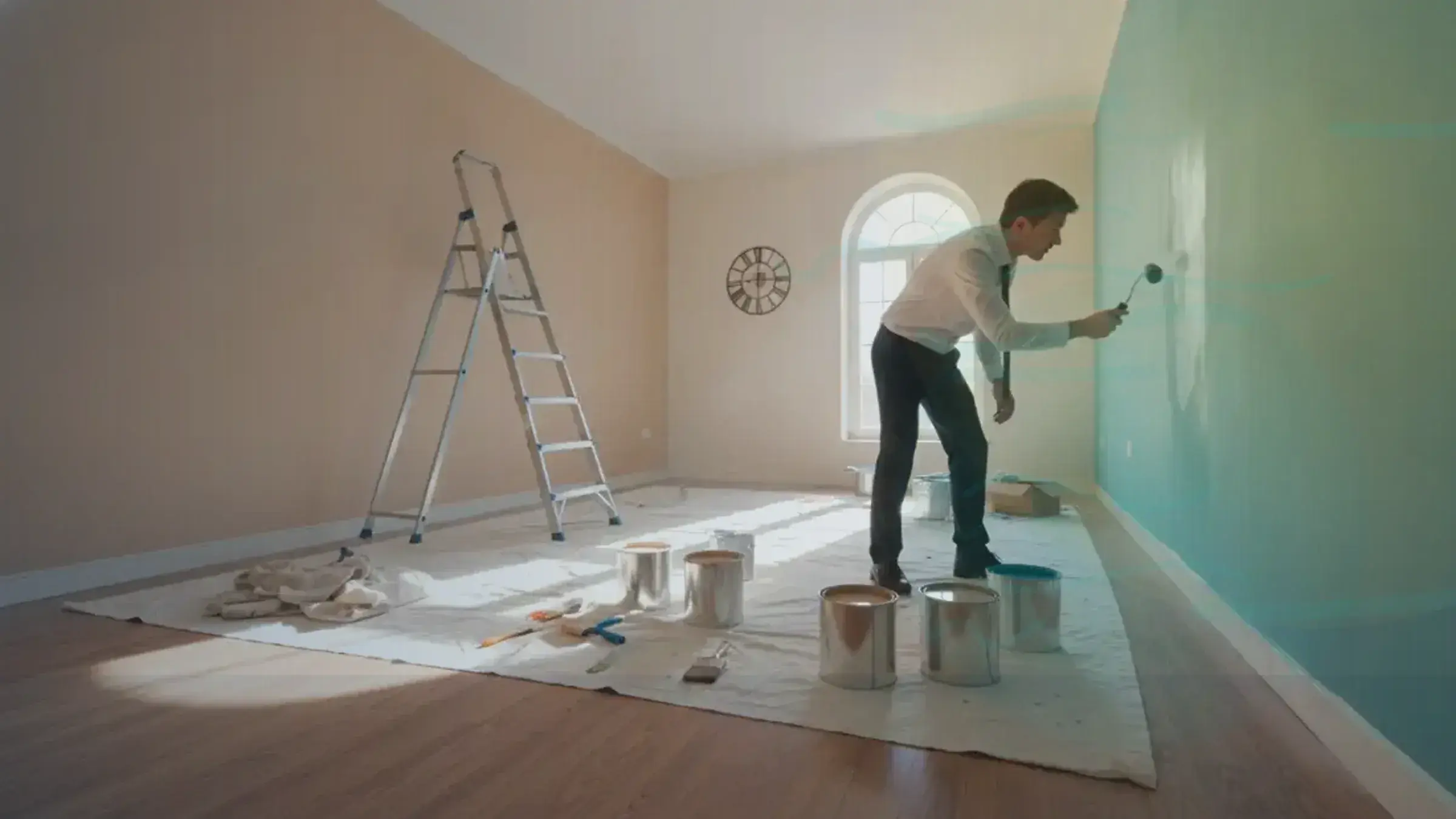
How Long Does It Take to Paint a Room?
Half a day to three days – prep load, ceiling inclusion, and drying windows set the real timeline
Quick answer
How long it takes to paint a room – realistic timelines for masking, prep, two coats and drying, and what stretches a half-day job into three days.
9 min read
On this page
How long does it take to paint a room in South Africa is often the first question when you plan work on your home. Our platform gives clear pricing guidance so you can budget with confidence.
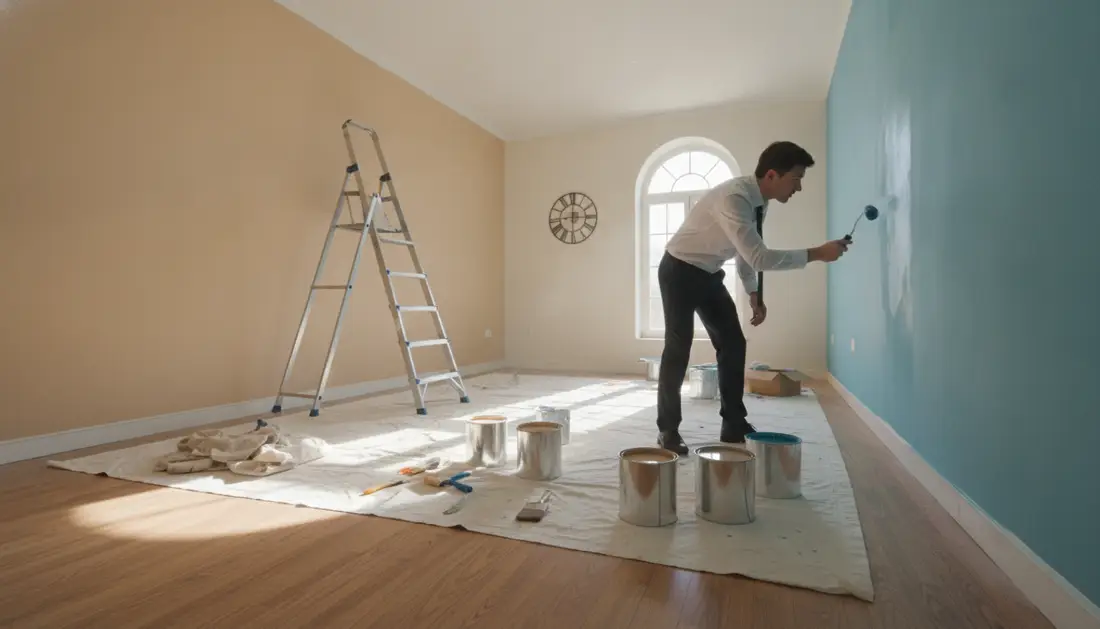
You will learn typical time frames for single bedrooms and whole-house refreshes. We explain the factors that affect time and cost: surface condition, prep work, paint type, colour choice and access.
Use our pricing guidance to request up to three quotes from independent contractors. Comparing offers helps you find a fair price and a local painter who understands South African homes.
Remember: confirm timelines, warranties and final costs in writing before any work on your walls or ceilings begins. A single coat can change a space, but a professional finish takes planning and the right expertise.
Understanding the Timeline for Your Painting Project
Start your project with clear timing for bedrooms, lounges and hallways. Knowing typical schedules helps you plan household disruption and budget for labour in South Africa.
Typical professional estimates:
- Small room: usually 2–3 days for prep, two coats and clean-up.
- Large room: expect 3–4 days when access and ceilings add work.
- Hall, stairs and landing: plan for 6–10 days depending on woodwork detail.
Remember that stated time includes moving furniture, protecting floors and drying hours between coats, all of which feed into room painting costs. The total time a painter spends depends on the number of coats, the chosen colour and the condition of the walls.
| Space | Typical days | Notes |
|---|---|---|
| Small bedroom | 2–3 | Single colour, minimal repairs |
| Large living area | 3–4 | High ceilings or many windows add hours |
| Hall + stairs | 6–10 | Complex timberwork extends project time |

Get clear timelines in writing. You can request up to three quotes through our platform to compare estimated days and final costs before work starts.
Factors That Influence How Long It Takes to Paint a Room
C. “Timing for any painting job depends on room layout, surfaces and the finish you want.” This opens the practical view you need when planning; start with preparing a room for painting. Consider these main factors before you request quotes.
Room Size and Accessibility
The size of the space drives labour and material amounts; our painting guides explain how to estimate. For example, a 3m by 3.7m bedroom equals about 11 m², which helps when you calculate paint and hours.
One litre covers roughly 8–10 m². More coats or textured walls reduce that coverage and add time.
Woodwork Complexity
Doors, skirtings and built-in cupboards increase job time. Cutting in takes precision and slows progress compared with rolling open wall areas.
Experienced painters work faster without skimping on finish. But intricate woodwork still raises labour costs and extends the schedule.
Number of Coats Required
Colour changes and low-opacity finishes often need extra coats. Primer can reduce the total coats and speed the project.
Also factor in prep such as filling holes, moving furniture, taping and drying hours between coats. These steps add measurable hours to the total time.
Quick comparison
| Factor | Impact on time | Notes |
|---|---|---|
| Size (11 m² example) | Moderate | Determines paint amount and roller time |
| Accessibility & doors | High | More cutting-in, entry/exit slows work |
| Woodwork complexity | High | Skirtings and doors add hours |
| Coats & primer | Variable | Primer may reduce coats; drying adds wait time |
Essential Preparation and Surface Considerations
Surface checks and sensible prep reduce rework and keep your project on budget. Before any coats, inspect walls for cracks, peeling and uneven patches. The condition of the surface dictates how many hours of sanding and filling you will need.
The Importance of Surface Condition
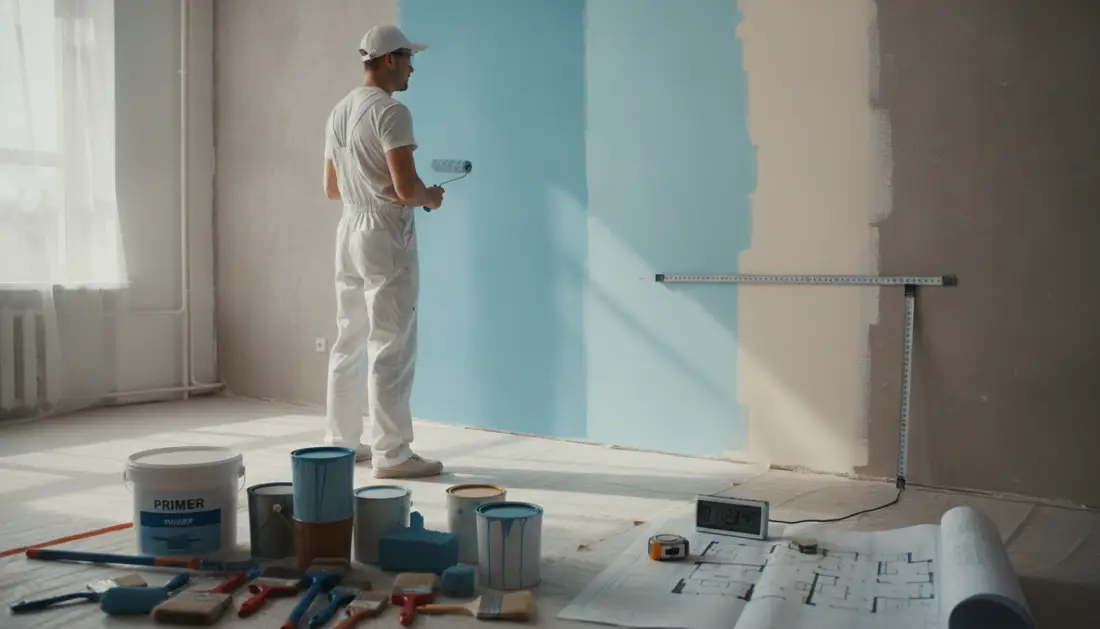
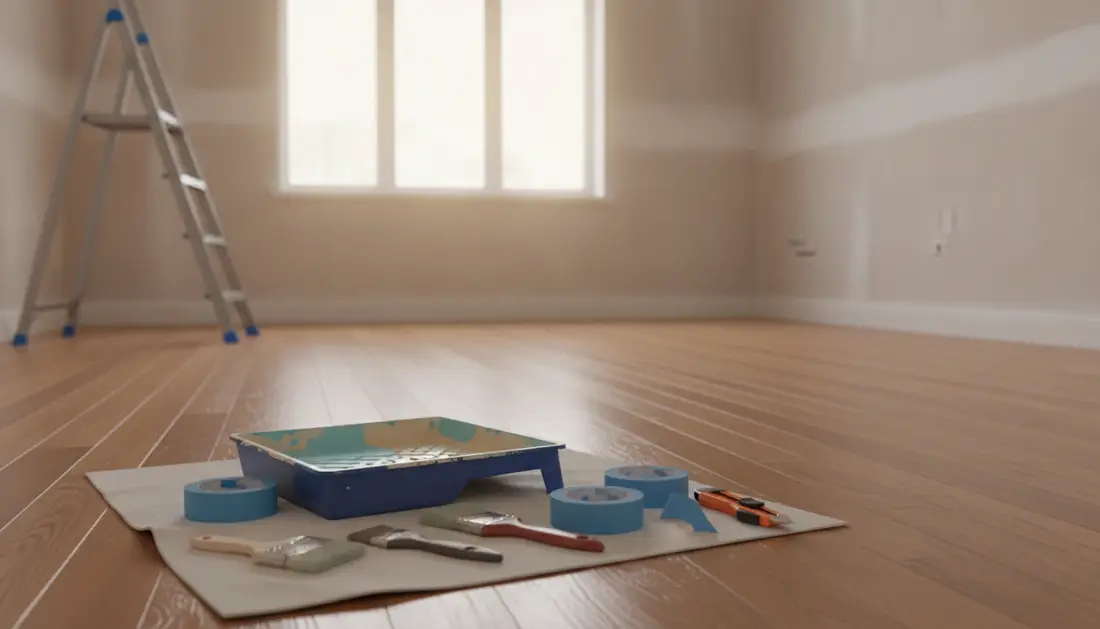
Proper prep is the foundation of a professional finish. Use painter tape for clean edges around windowsills, skirtings and doors. High‑quality tape saves hours of corrective work later.
Move furniture, lay drop cloths and protect floors. A professional painter will check whether a specialised primer is needed so the top coat adheres. Primer often reduces the number of coats and overall time.
Choose low-VOC products for a healthier home while work is under way. Every surface needs a tailored approach—textured walls, plaster and timber all take different prep and different amounts of paint.
- Prep protects finish: tape, sanding, filling.
- Surface rules time: worse walls = more hours.
- Right paint matters: primer, coats and low VOC choice.
Environmental Impacts on Drying and Recoat Times
Environmental factors often extend the timetable for finishing painting projects in South African houses. Temperature, humidity and ventilation change how many hours a coat needs before you can apply the next one.
Cold versus humid conditions
Cold Versus Humid Conditions
Cold air slows the curing process. In lower temperatures, primer and topcoat can feel dry but still need more cure time underneath.
High humidity traps moisture in the film. That can double the waiting hours between coats and increase the number of coats required for full coverage.

Managing timeline stretchers
Managing Timeline Stretchers
Plan for delays as part of the process. Rushing recoats risks brush marks, poor adhesion and patchy walls.
- Wait 48 hours before sleeping in a freshly painted room—this gives ventilation and drying time for safer air quality.
- Discuss expected drying times with your painter, especially for humid Cape Town or KwaZulu‑Natal summers.
- Follow the paint tin: some modern formulations list specific recoat hours that reduce overall coats and save labour.
Tip: Proper ventilation and the right primer often reduce total coats and help meet quoted timeframes. Confirm drying expectations in writing before work starts.
Managing Your Expectations for Professional Results
Set realistic expectations: a professional finish usually needs careful prep, measured coats and clear timelines. Experienced decorators bring years of that expertise to domestic work across South Africa.
When you hire a painter, you pay for years of skill. That experience saves time on site and avoids rework. Ask your contractor how many hours they expect the job to take and which factors affect that time.
Professional results depend on quality paint and surface care. Good preparation reduces coats and often cuts total hours. Experts use tools that speed work while keeping finish standards high.
“A skilled painter will quote a job that matches complexity, so there are no surprises.”
| What to confirm | Why it matters | Action |
|---|---|---|
| Scope of work | Defines tasks and avoids extras | Get written agreement |
| Drying & recoat time | Determines project time | Ask for expected hours |
| Warranties | Protects your finish | Request written terms |
Planning Your Next Steps for a Successful Home Refresh
Plan your next steps so the whole painting project moves from idea to finished walls without surprises.
Measure the space and pick a colour scheme for each room. Note size, furniture and door positions so quotes reflect the real job.
Gather basic supplies: painter tape, a quality roller and drop sheets if you will handle some prep yourself. Include primer and the expected number of coats when you discuss time with a painter.
Visit paintingpricepersquaremeter.co.za to request up to 3 quotes from independent contractors. Compare offers, confirm timelines and get the professional assessment your home needs.
FAQ
How long will a small bedroom take from prep to finish?
A standard small bedroom (about 12–16 m² wall area) typically needs one day for a two-coat job with normal prep: light sanding, filling nail holes, masking skirtings and windows, and two coats of mid-range emulsion. Expect 6–10 working hours for competent painters with standard access and no major repairs.
What affects the time needed for a lounge or open-plan living area?
Larger spaces increase hours because of wall area and furniture protection. High ceilings, complex cornices, power points and many doors add time. For a 25–35 m² living space allow one to two full days; poor access or multiple colours can stretch this to three days.
How much longer does sanding, filling and priming add?
Substantial surface preparation adds between two and six hours for an average room. Bare plaster, stains or water damage require priming and longer drying times. Factor in an extra half to a full day for extensive repairs or oil-based primer use.
How many coats are usually required and how does that change timing?
Most interior walls need two coats of emulsion for even coverage. Special colours or low-opacity paints may need a third coat, which adds one extra coat drying and application cycle — typically a further half to full day depending on drying conditions.
Do weather and indoor conditions change recoat times?
Yes. Cold or humid conditions slow drying and can double recommended recoat intervals. Good ventilation and moderate indoor temperature speed drying. Aim for at least 2–4 hours between coats in ideal conditions; in winter or damp homes allow significantly more time.
Will woodwork and trims take longer than walls?
Painting skirtings, door frames and architraves is more detailed and requires brushwork and possibly primer if bare timber. Plan one to two extra hours per room for woodwork, or a full day if many doors and built-ins require sanding and two coats.
How does paint type influence the schedule?
Water-based emulsions dry quicker than oil-based finishes. Oil-based or alkyd paints need longer drying and curing times and may extend a job by a day. Specialist paints (mould-resistant, satinwood) can also alter application and drying times.
Should I expect longer times with colour changes or dark-to-light shifts?
Yes. Strong colour changes and deep tones often require a primer or undercoat and an extra finish coat. This typically adds half a day to a full day compared with a like-for-like colour refresh.
How does the painter’s experience affect the timeline?
Experienced painters work faster and produce neater edges, reducing overall time on site. A professional two-person team will complete most rooms quicker than a single DIYer. Still confirm estimated hours in writing before work starts.
What should I confirm in the written quote about timing?
Ask for start and completion dates, number of coats, paint brand and product, scope of prep work, access requirements and any conditions that allow time extensions. Clear terms prevent misunderstandings and hidden charges.
Can surface condition double the job time?
Poor surfaces — flaking paint, damp patches, cracks — commonly double or triple the prep time. Allow for drying, sanding, replastering or resealing, and a primer coat. Inspect the room with the contractor before accepting the quote.
How do access and site logistics change the length of the job?
Restricted access, apartment lifts, stair-only moves, covered floors and moving furniture add set-up and pack-down time. Expect an extra hour or two per room in tricky buildings; larger logistical issues can add a day.
When should I plan the work to minimise disruption?
Schedule painting in dry, mild months when drying is fastest and windows can stay open. For rentals or renovation projects, book painters for consecutive rooms to reduce return trips and total project duration.
Can you give a simple time guide by room type?
Typical single-room timings: small bedroom 6–10 hours; medium bedroom or bathroom 8–12 hours; lounge or open-plan room 10–24 hours depending on size and detail; full repaint of a 3-bedroom flat 2–4 working days with a small team. These are practical estimates — confirm with contractors.
Related painting cost guides
Ready to compare?