
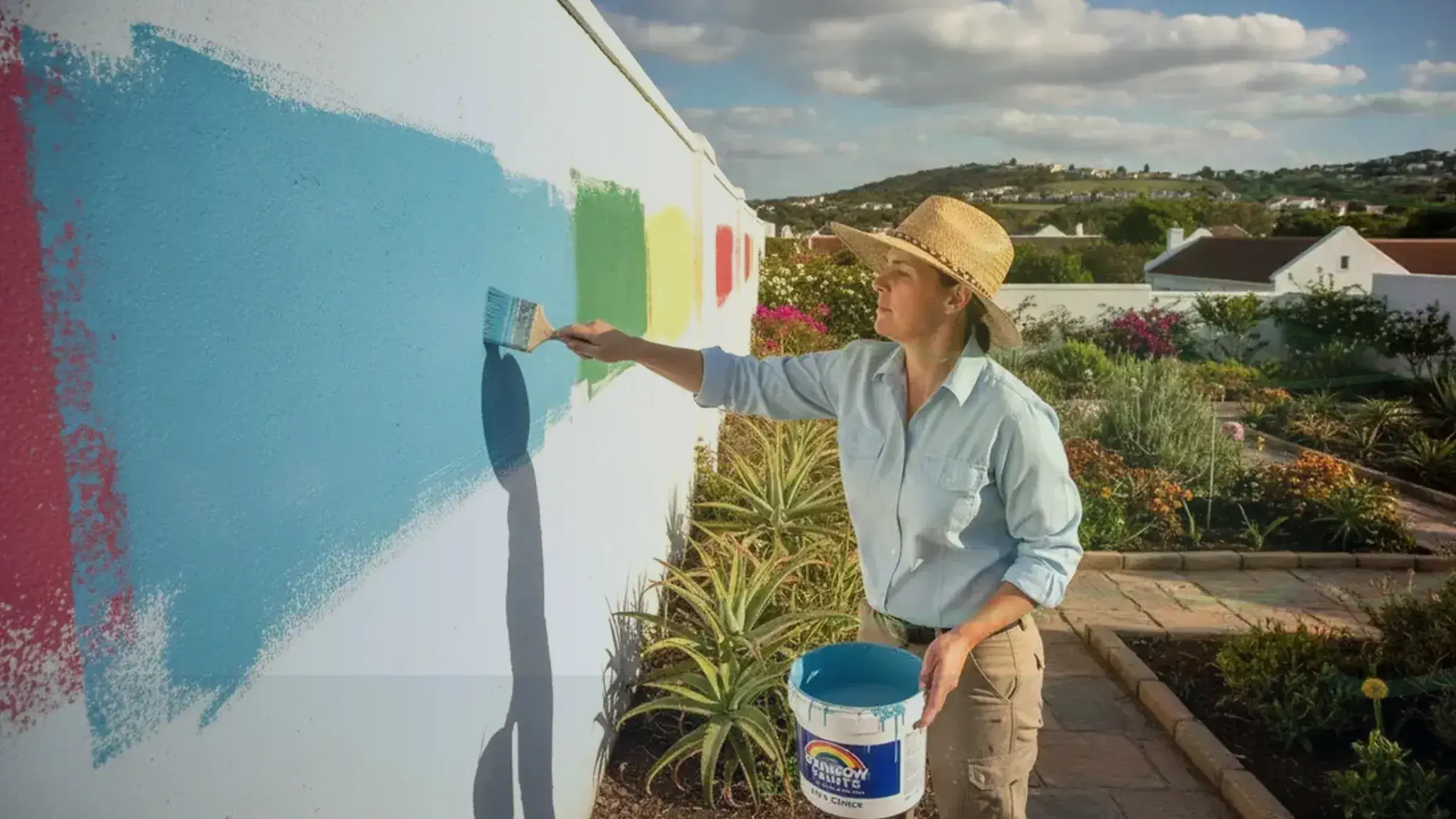
Boundary Wall Painting Costs in South Africa
Plastered, face-brick-adjacent, and vibracrete boundary walls – prep, coatings, and per-metre pricing
Quick answer
R6 503–R8 798 project totalR85/m² · 90 m²
Boundary wall painting costs in South Africa – plastered and vibracrete walls priced per metre and per m², with prep, sealing and coating choices.
Instant estimate
Boundary wall painting calculator
Estimate a boundary / garden wall by length-based area, coats and prep (both sides).
12 min read
On this page
Boundary Wall Painting Costs South Africa start with clear figures and end with lasting protection for your property.
Are you unsure what a fair price is for an exterior paint job and how it translates into value for your home?
Our platform, paintingpricepersquaremeter.co.za, gives transparent data so you can compare prices and avoid surprise increases.

Typical work on a standard three‑bedroom house ranges from about R25,000 to R50,000, depending on surface preparation, paint type, labour and number of coats.
Think in terms of cost per square metre, quality of paints, surface condition and the itemised quote you request.
Use our pricing guidance to check materials, coats and warranties in writing before you hire contractors. paintingpricepersquaremeter.co.za helps you compare up to three quotes and make a confident decision.
How much does boundary wall painting cost in South Africa?
An accurate estimate depends on three things: surface area, preparation and the type of paint chosen.
Exterior rates typically range from R45 to R100 per square metre, depending on complexity; the broader exterior per-square-metre price guide covers all outdoor surfaces. Use per square metre or per linear metre measurements when you request quotes.
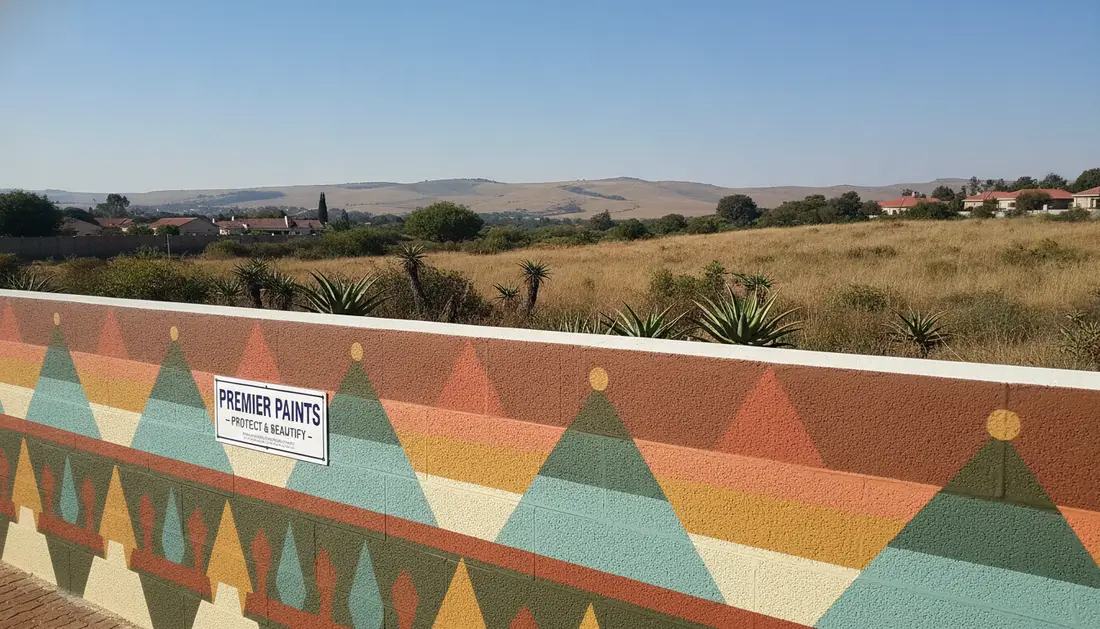
Durable paints matter because intense UV in this region shortens lifespans; how long exterior paint lasts shows what to expect. Old, flaky surfaces need more preparation and will raise the labour and materials portion of the price.
- Labour: skilled teams charge around R450–R900 per hour for specialist work.
- Paint type: acrylic and oil-based options affect initial price and long-term finish.
- Access: height, scaffolding and specialised equipment add to the total.
Compare at least three written quotes, check warranties for labour and materials, and avoid the cheapest offer if it skips proper surface preparation. A clear quote protects your home and your budget.
What affects boundary wall painting costs?
Small differences in surface health and access can swing a quote by thousands of rand. Before quoting, contractors assess the surface, size and how easy it is to reach the work area.
Surface condition drives most price changes. Cracks, damp patches and loose plaster need repair before any paint goes on, and why white salts appear on walls is common on boundary walls. Textured or porous surfaces soak up more materials and usually need extra coats to get an even finish.
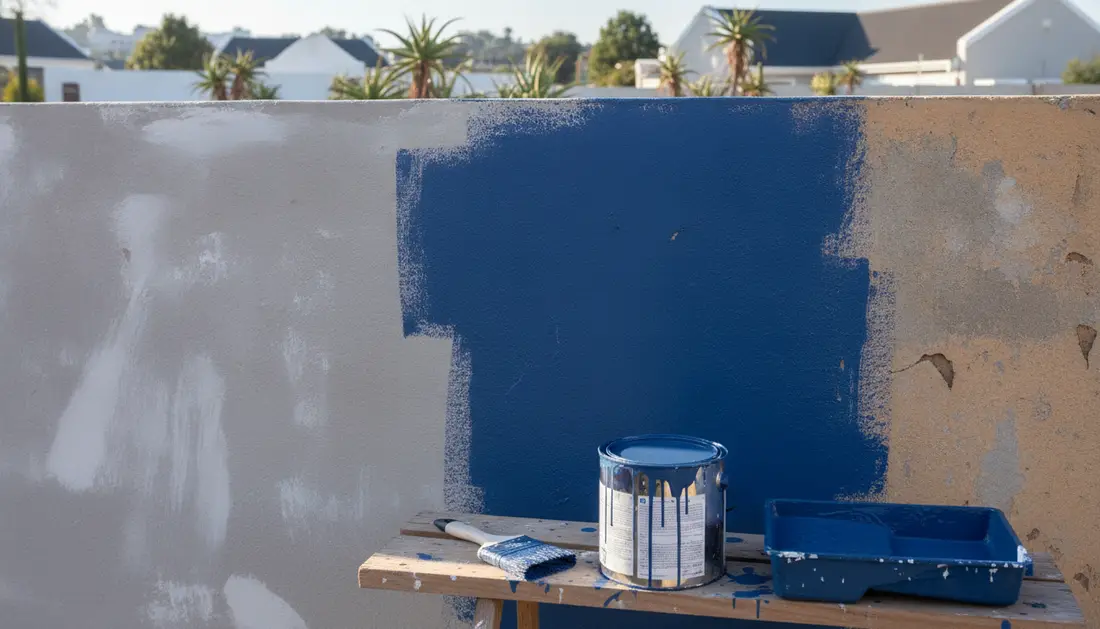
Surface Condition
The better the existing surfaces, the lower the per square price; what wall painting costs per square metre sets the wider rate. Old, chalky layers require sanding and priming. Hidden issues found during preparation — like damp or structural cracks — add time and materials. Always ask contractors to confirm how they will handle unexpected repairs.
Labour and Access
Labour rates reflect skill and access needs; what exterior painting involves sets out the scope. If scaffolding or roof protection is necessary, expect higher labour charges and longer timelines. Complex multi‑storey or awkward areas slow progress and increase the total price per square metre.
- Project size: metres² determine paint volume and labour hours.
- Preparation: priming is essential for a durable finish and should be itemised in quotes.
- Materials: reputable paints and tools are usually included by experienced contractors.
Get at least three written quotes that list surface preparation, number of coats and warranties. That clarity helps avoid mid‑project surprises and keeps your home project on budget.
The Vibracrete Reality and Surface Preparation
Vibracrete panels act like a sponge, so the first coat will be absorbed unless you prepare correctly. This affects the paint finish, longevity and eventual painting costs for your home in south africa; painting at the best time of year to paint outside helps adhesion.
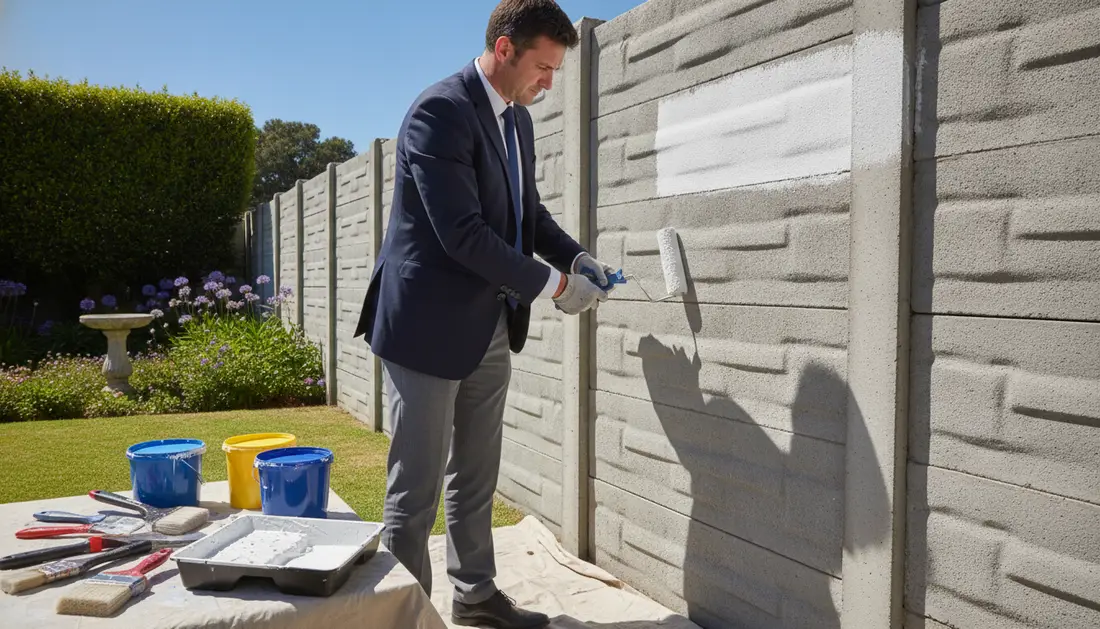
Porous Panel Challenges
These precast panels are highly porous and draw in the first coat. If you skip a bonding sealer, your expensive topcoat will vanish into the substrate.
Plan for extra materials and time — porous surfaces need a sealing layer before standard primer and paint.
Panel Joint Integrity
Joints between panels move and can crack. Flexible fillers and careful inspection are essential to stop water ingress and future repairs.
Ask the contractor to itemise joint repair in the quote so labour and materials are clear.
Bonding and Sealing Coats
Use a high-quality bonding or specialised sealer to lock the substrate and protect the topcoat. Weather-resistant paint systems then give a durable exterior finish.
Tip: verify whether the contractor includes specialised sealers and the number of coats in writing. Extra labour for meticulous brushwork around joints is common and should be in the pricing.
- High-pressure cleaning is mandatory before any primer.
- Flexible fillers protect joint integrity and reduce future maintenance.
- Budget for additional labour days and sealer materials in your quote.
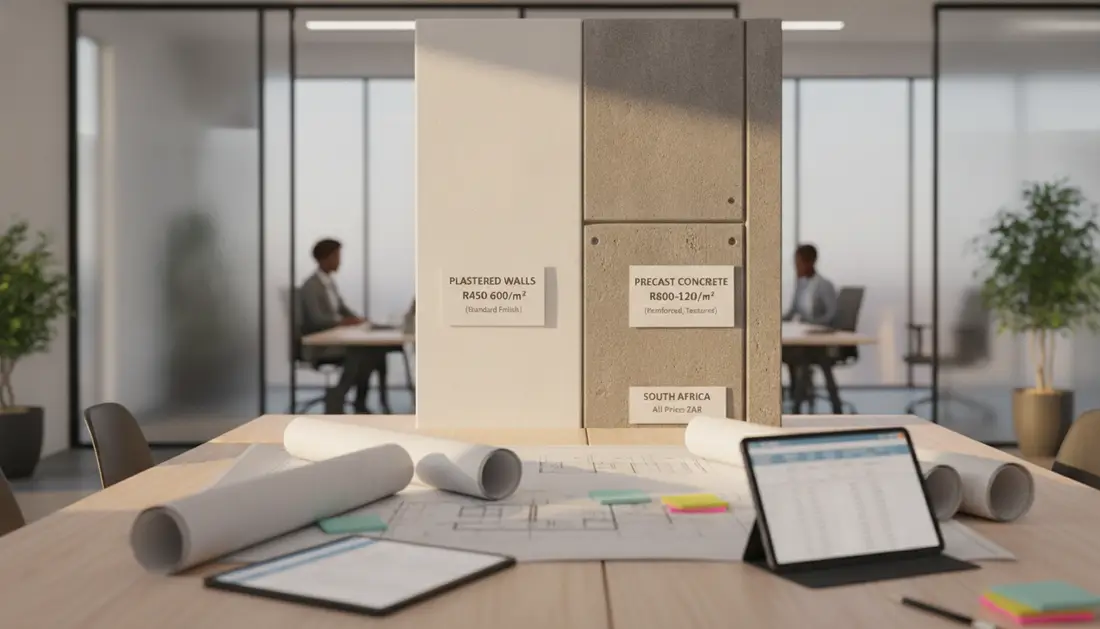
What does it cost to paint plastered versus precast walls?
How contractors price plastered surfaces differs sharply from the way they quote for precast panels.
Plastered surfaces usually attract a higher per‑square rate because they require a finer finish, extra sanding and more coats for an even look. Preparation and quality paints matter more here, so expect the price per square to rise.
Precast or vibracrete panels are often priced per linear metre. Joints, panel repairs and sealing add labour and materials, so contractors may itemise these separately.
| Surface type | Price basis | Both sides | Street side only |
|---|---|---|---|
| Plastered | Per m² | Up to 80% higher than single side | Base per m² rate |
| Precast / Vibracrete | Per linear metre (panels) | Panel count + joint work increases total | Lower total; fewer panels treated |
| Common add-ons | Materials & labour | Sealers, flexible fillers, cleaning | Cleaning and priming included if quoted |
- Ask for an itemised quote showing materials, labour, coats and cleaning.
- Compare per square and per linear prices to judge which is fair for your project.
- Discuss bulk discounts, location adjustments and timeframes before you sign.
Managing Environmental Impacts and Soil Splashback
Splashback from wet soil and irrigation is one of the main reasons paint fails at the base of exterior surfaces. In South Africa gardens, this damage shows up quickly and shortens the life of your finish.
Mitigating Sprinkler Damage
Adjust sprinklers so they do not hit the surface directly and avoid constant wetting. Small timing or nozzle changes often stop repeated damp contact that erodes the paint.
Professional teams commonly apply a specialised waterproof coating to the bottom 30 centimetres. Use a washable, high‑quality exterior paint if the area sees traffic or frequent cleaning.
- Preventative measures: install a gravel strip or shallow drain to reduce splashback.
- Surface prep: ensure contractors remove salt and mineral deposits before any primer or coats go on.
- Discuss risks: ask for local-condition notes in your quote so labour, materials and extra coats are itemised.
These steps add little to the initial price but save on repainting later. Protected surfaces keep your house looking fresh and extend the life of the work.
Essential Add-ons Often Overlooked in Quotes
Specialist tasks, like working around security spikes and electric fencing, regularly get left out of initial quotes.
Many homeowners miss the cost of masking electric fences and spikes. This work needs time, protective materials and safe methods to avoid damage to equipment.
Ask your contractor to list how they will protect security features. If masking is omitted, you may pay later for cleaning or repairs to the system.
Also check whether the quote includes removal of creepers, cutting back overhanging trees, painting gate frames or pillars. These extras affect labour, materials and the final price per square or per linear measurement.
| Add-on | Why it matters | Typical impact on price |
|---|---|---|
| Electric fence masking | Specialist masking and safe access | Small to moderate (itemised labour + materials) |
| Security spikes | Careful protection to avoid damage | Small (additional time and tape/protectors) |
| Creeper/tree removal | Clearing for full surface access | Moderate (labour + disposal) |
| Gate frames & pillars | Extra surfaces to finish | Small to moderate (depends on complexity) |
Before you sign, confirm in writing which add-ons are included. That clarity keeps your home project on budget and avoids surprise prices down the line.
Why Professional Assessment Matters
A site visit by a qualified contractor reveals hidden issues that phone quotes simply cannot catch.
A professional assessment uncovers problems such as damp, structural cracks or poor previous layers. These affect the amount of paint, the number of coats and the materials you will need.
During the inspection the contractor will check plaster integrity and advise which paint systems suit your local environment and interior or exterior needs.
They will also evaluate access and safety. That assessment determines labour rates and whether scaffolding or specialised equipment is required.
Ask for a written, itemised quote after the visit. If a tradesperson gives a figure without seeing the property, be wary — that price often misses real work and materials.
“A thorough site assessment prevents mid-project disputes and delivers a reliable final price.”
- Get clarity on recommended materials, coats and warranties.
- Use the visit to ask about labour timelines and price drivers.
- Investing time in an assessment saves money and preserves your home value.
How to Request Quotes Through Our Platform
Start by describing your surfaces, access and desired finish so contractors can prepare accurate, itemised quotes.
Use paintingpricepersquaremeter.co.za to request up to three independent quotes. The process is simple and designed for homeowners across South Africa.
Provide photos and a short brief of interior or exterior areas, any repairs needed, and preferred paint type. Clear details give tradespeople the context they need to price work fairly.
- Compare prices, workmanship and warranties from the replies you receive.
- Check profiles and past work to confirm quality before you accept an offer.
- You are under no obligation to accept any quote; this keeps decisions pressure‑free.
Tip: ask each contractor to write the number of coats, primer type and access requirements into their quote. That makes prices easier to compare and avoids surprises.
“A clear brief brings clearer quotes — and better value for your home.”
Securing Long-Term Value for Your Property
Investing in a robust paint system and professional work secures the value of your property for years. ,
Choose high-quality paint and a skilled team to protect your house exterior and maintain the best finish. Ask for an itemised quote and compare up to three replies on our platform in South Africa.
Regular cleaning and prompt repair of minor cracks extend the life of the finish. Insist on a written warranty so you have clear cover for future issues.
Quality work improves curb appeal and reduces long-term costs per square. Keep your walls in good order — they are often the first thing visitors see — and you protect your home’s resale value.
FAQ
What typical price range should I expect for boundary wall painting in South Africa?
Expected pricing varies by surface and prep. For a plastered fence expect lower per‑square‑metre rates than for precast or Vibracrete. Typical quotes include materials, labour and two coats of good‑quality exterior paint. Ask contractors to itemise paint brand, number of coats, primer and surface repair so you can compare like for like.
How does surface condition affect the final quote?
Poor or porous surfaces need more preparation: cleaning, filling cracks, sanding, and priming. That raises labour and materials. New plaster generally needs less prep than old, weathered precast panels or Vibracrete, which often need sealing and specialised primers to stop flaking and ensure adhesion.
What labour and access issues increase pricing?
Restricted access, uneven ground, steep embankments or high fences require extra time, scaffolding or mobile elevating work platforms. Contractors will factor in set‑up, safety gear and slower productivity. Weekend or after‑hours work can also raise labour charges.
Why is Vibracrete different and what prep does it need?
Vibracrete is porous and prone to efflorescence. It usually needs thorough pressure‑washing, salt treatment where necessary, bonding primer and a sealer coat before topcoats. This additional work increases both materials and labour compared with smooth plaster.
What are the challenges with porous panel joints?
Joints can allow moisture ingress and cause delamination if not treated. Proper repair includes cleaning, priming, flexible joint sealant and sometimes rebuilding failed mortar. Quotes should show joint work separately so you know it’s included.
What are bonding and sealing coats and are they necessary?
A bonding coat improves adhesion on slick or chalky surfaces; a sealer blocks moisture and salts on porous substrates. Both protect the finish and extend life. Skipping them saves money short‑term but often leads to repainting sooner.
How do pricing models differ for plastered versus precast panels?
Plastered walls are usually priced per square metre with standard prep. Precast panels often need specialised primers, joint repair and patching, so contractors may quote higher per‑square‑metre rates or add line items for panel refurbishment and sealing.
How does soil splashback and environment affect the paint job?
Soil splashback, coastal salt, and heavy rain increase staining and moisture load. Solutions include higher‑build exterior paints, anti‑fungal additives and protective upstands or render at the base. Expect higher material costs when these protections are specified.
What can be done to mitigate sprinkler or irrigation damage?
Either reroute or adjust sprinklers, fit drip systems, or specify waterproof lower coats and tiles or concrete skirtings. Contractors can recommend a protective lower coating during the quote—confirm this in writing to avoid future issues.
Which add‑ons are often missed in initial quotes?
Commonly missed items include scaffolding or ladder hire, site cleaning, removal of peeling coatings, rust treatment on metal cappings, rendering patch repairs, priming porous areas, and disposal fees. Ask for a detailed scope to avoid surprise costs.
Why should I get a professional assessment before accepting a quote?
A site visit identifies hidden defects, moisture issues, efflorescence and structural cracks that affect longevity and price. Professional assessment ensures the quote covers correct prep, appropriate paint system and realistic timelines, protecting long‑term value.
How do I request quotes through your platform and how many can I get?
Use the platform to submit project details and photos. You may request up to three quotes, or up to five options where available. Independent contractors handle site visits, final measurements, timelines and warranties—compare itemised bids and paint brands before deciding.
What should I confirm in writing before work starts to secure long‑term value?
Confirm the paint brand and product codes, number of coats, surface preparation steps, warranty period, start and completion dates, access requirements, and a clear payment schedule. A written scope prevents misunderstandings and helps protect your investment.
Related painting cost guides
Ready to compare?