
Bathroom Painting Costs in South Africa
Mould-wash prep, moisture-resistant coatings, and small-room labour realities priced honestly
Quick answer
R2 268–R3 132 per room~30 m² paintable · R90/m²
Bathroom painting costs in South Africa – mould-wash prep, moisture-resistant ceiling and wall coatings, and small-room labour priced honestly.
Instant estimate
Bathroom painting cost calculator
Estimate a bathroom repaint — moisture-resistant paint, by room size and coats.
12 min read
On this page
Curious how much a moisture-ready refresh will set you back and which choices save you money long term?
Deciding on the right materials and prep work makes all the difference. You need clear information on price, labour and product quality before you book a team.
Our platform at paintingpricepersquaremeter.co.za helps you compare local pricing and request quotes from local painters. We focus on interior work that copes with humidity, ensuring your walls get a durable finish.
Expect guidance on paint type, surface preparation, per square metre pricing and realistic labour estimates. That way you can weigh trade-offs between upfront price and lasting quality.
Use paintingpricepersquaremeter.co.za to request up to three quotes and make an informed decision for your house or rental project.
How much does it cost to paint a bathroom in South Africa?
Grasping how environmental and size factors affect prices will save you time and money when planning interior work.
High humidity and damp-prone conditions drive the need for moisture-resistant paint and extra prep. That raises labour and material sums compared with dry rooms.
Room size and wall condition shape the price per square metre, part of broader room-by-room painting costs. Small rooms often show a higher per square rate because access and fixture masking add time.
Professional painters in south africa usually quote on total surface area so that labour and materials are factored in fairly.
Quality paint matters: it reduces mould risk and extends the life of the finish, which lowers long-term expenses; our paint sheen and finish guide helps you choose.
“Compare multiple quotes to spot market prices and avoid suspiciously low offers that might cut corners.”
Use our platform to compare quotes, check pricing against typical per square figures, and decide the right balance between price and quality for your project.
What affects the cost of painting a bathroom?
What you pay per square metre changes when walls need heavy prep or scaffolding is required. These practical factors shape labour rates and material spend for interior work.
Labour and access
Labour makes up a significant share of overall prices. If ceilings are high or access is awkward, painters need extra time and safety equipment, and what ceiling painting costs per square metre adds up.
Scaffolding or special ladders adds both time and expense. Ask contractors to list labour costs and any access-related charges in the quote.
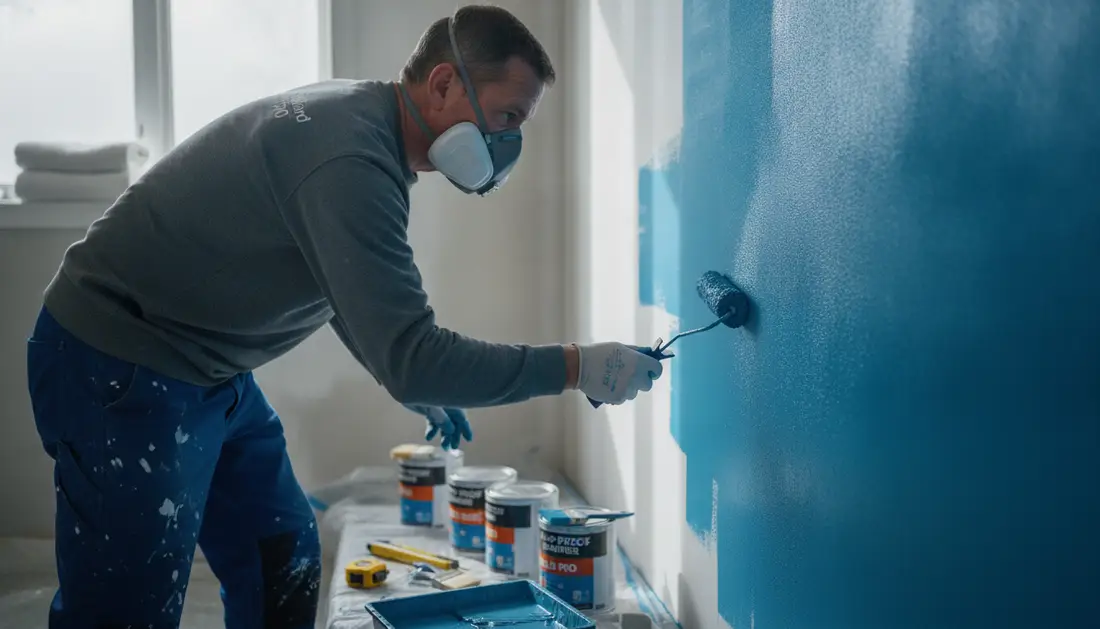
Old, flaky finishes require stripping and filling. Newly plastered walls need priming before you apply top coats.
Proper surface preparation prevents peeling and saves on rework; choosing the right ceiling paint matters above the shower. High-quality primers and moisture-resistant paint are important for wet rooms and damp-prone areas.
- Confirm the quoted price per square and what the quote covers.
- Check whether labour costs include site protection and clean-up.
- Discuss the wall condition so the final price reflects real preparation needs.
“Get a detailed breakdown of labour and materials to avoid surprises on site.”
How do you prep a bathroom and prevent mould?
Addressing spores and trapped moisture is the best way to protect your walls and finishes. Proper surface preparation reduces repeat work and improves the lifespan of any new paint.
Start by treating damp-prone areas with a professional mould-wash system; why mould returns after painting explains the risk. These cleaners remove active spores so primers and top coats can bond correctly.

Mould-Wash Systems and Masking
Professional teams use specialised mould-wash systems before applying any coats. This step lowers future maintenance and the chance of peeling in high-humidity areas.
Masking is equally important and adds to the job; how long it takes to paint a room factors it in. Cover fixtures, sockets and tiles so your interior work stays neat and wiring remains safe.
- Effective surface preparation must include mould-wash systems to eliminate spores before paint is applied.
- Masking protects fixtures and speeds up clean-up.
- Moisture-resistant coats safeguard finishes and reduce long-term costs.
| Item | Why it matters | Typical inclusion in quote |
|---|---|---|
| Mould-wash system | Removes spores and prevents re-growth | Often included with specialist materials |
| Masking & protection | Prevents damage to fixtures and saves time | Usually listed as labour or materials |
| Moisture-resistant paint | Improves durability in wet areas | Varies by brand; higher price yields better quality |
“Discuss the specific mould-wash systems and paint types with your contractor to ensure lasting results.”
Technical Requirements for Damp-Prone Areas
You need a clear technical plan for damp-prone areas before any paint or primer goes on.
Moisture-resistant ceiling coats are vital where ventilation is poor. They help prevent peeling and keep interior finishes stable.
Start with professional leak detection when signs of damp appear. If leaks or rising damp are present, waterproofing must happen before any surface work.
Proper ventilation is a key factor in long-term performance. Improved extraction or passive vents reduce condensation and the mould that ruins paint and walls.
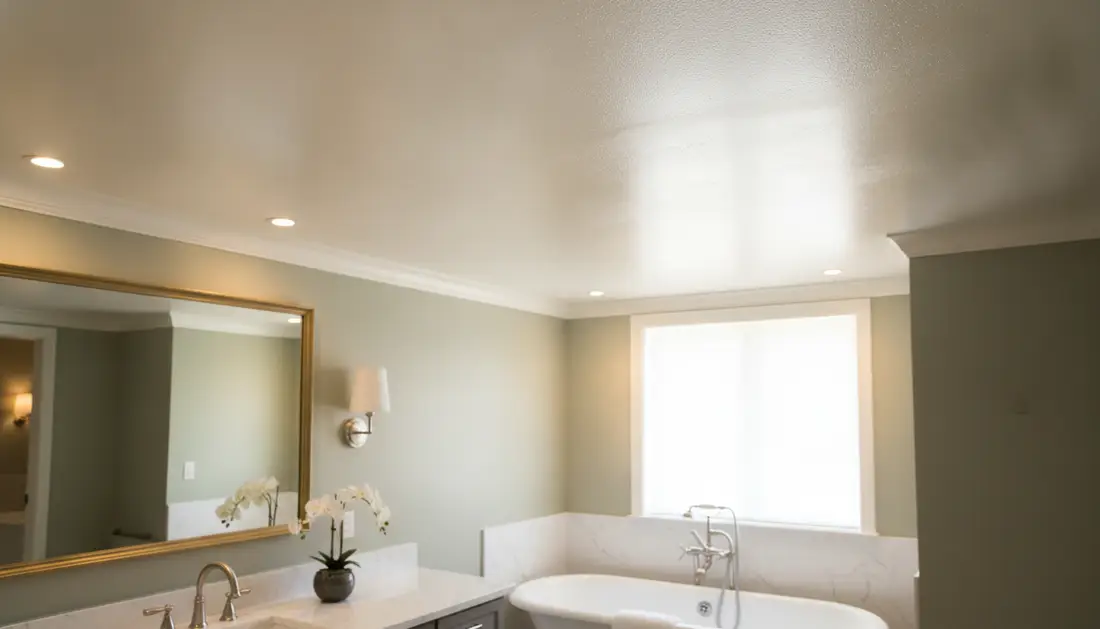
- Apply moisture‑resistant ceiling coats to withstand high humidity in wet areas.
- Ask contractors to assess walls for damp and recommend waterproofing where needed.
- Choose specialised cost paint products for better durability despite higher upfront prices.
- Prioritise quality surface preparation to protect your home and reduce future costs.
“Technical preparation and the right materials make the difference between a short-term fix and a lasting finish.”
What is the typical price to paint a bathroom?
Pricing for wet-room work varies by size, wall condition and the number of coats required. You should budget for per-square rates, hourly labour and material add-ons when planning a project.
Bathroom Cost Table
| Scope | Typical range | What is included |
|---|---|---|
| Standard room (per m2) | R60 – R120 per square | Labour, basic materials, one or two coats |
| Material add-on | R40 – R100 per square | Primers, moisture-resistant paints, sealants |
| Experienced labour | R450 – R900 per hour | Prep, masking, specialised work |
| Three-bedroom home | R25,000 – R50,000 total | Interior walls, standard finish |
Labour Rates
Experienced painters typically charge between R450 and R900 per hour. A single room can take 1–3 days for preparation and painting depending on condition.
Material Expenses
High-quality paints and primers add about R40–R100 per square metre. Confirm brands and the number of coats in writing to compare prices and ensure durability.
“Get a clear breakdown of labour, materials and surface preparation before you sign any quote.”
Selecting the Right Paint Finishes and Materials
A considered choice of finish and materials saves you money on rework and keeps interior walls looking better longer.
For damp-prone areas, choose semi-gloss or satin finishes for durability and easier cleaning. These finishes resist moisture and cope better with regular wipe-downs.
Premium paints cost more up front but cover better. That often means fewer coats and lower labour time for your project. For a 185 m² house expect roughly 90–110 litres for two coats, using typical coverage of 8–10 m² per litre per coat.
Ask painters to name the brands they prefer for damp conditions. Professional recommendations help you compare price per square and long-term value.
- Finish choice affects durability and the final price per square metre.
- High-quality paints may reduce coats and labour time.
- Confirm coverage (m² per litre) in writing to avoid surprises.
| Factor | Effect on price | What to confirm |
|---|---|---|
| Finish (satin/semi-gloss) | Moderate increase; better longevity | Recommended finish for wet areas |
| Premium paint | Higher upfront price; fewer coats | Coverage m² per litre and warranty |
| Number of coats | Directly raises labour and paint use | Specify two full coats or more if needed |
“Discuss finishes and exact coverage with your contractor to align expectations and prices.”
The Importance of Professional Assessment
Having a contractor inspect the space removes guesswork and makes pricing much more accurate.
Contractor assessment
During a site visit the painter will check wall condition, spot damp or mould risks, and list required surface preparation.
They will discuss materials, finishes and labour rates so the final quote matches your project and size expectations.
What to expect from the visit
- Detailed condition report for walls and substrate.
- Advice on suitable paints and finishes for durability.
- Clear pricing per square and written labour costs plus warranty terms (typically 1–3 years).
“A thorough assessment prevents surprises and helps you compare quotes on an even basis.”
Use our platform to arrange independent contractors for a precise quote. A proper assessment protects your home and delivers a lasting finish for interior work.
Comparing Quotes for Your Home Improvement
Collect three independent estimates to see how size, surface condition and labour affect final pricing for your room.
Our platform lets you request up to three quotes from independent painters quickly. This gives you a clear view of prices, materials and the expected finish for your interior project.
When you review offers, look for a written breakdown that lists labour costs, materials, surface preparation and the number of coats per square metre.
- Confirm which paints and primers the contractor will use and whether waterproofing or mould treatment is included.
- Check experience on similar house jobs and ask for photos of completed work.
- Compare warranties, start dates and any access-related rates that affect total price.
“Compare multiple written quotes to avoid surprises and choose the best value for your home.”
Always get terms in writing before work starts to protect your investment and secure the quality finish you expect.
Final Steps to Secure Your Painting Project
Start by requesting up to three quotes at paintingpricepersquaremeter.co.za so you can compare prices, labour rates and materials quickly.
Get every agreement in writing. List the scope, timelines, warranty terms and exact paint finishes for your room.
Confirm the contractor’s plan for surface preparation. Good prep protects walls and improves long‑term quality.
Choose paint and finishes that suit a wet area and match your expected durability. Check the quoted painting costs and overall prices before you approve work.
When you’re ready, return to paintingpricepersquaremeter.co.za to request quotes and book independent painters for your house project.
FAQ
What is a realistic price range for bathroom painting in South Africa?
Typical local prices vary by size and scope. Expect a basic recoat from about R40–R100 per square metre for labour only, while full preparation with damp treatment and mould wash can push rates to R100–R500 per square metre. Always confirm whether quotes include paint, primer, stoppering and sealants.
What main factors influence the final bill?
The total depends on room area, surface condition, number of coats, paint quality (standard vs premium), access (scaffolding or ladders), and whether damp-proofing or plaster repairs are needed. Labour intensity and travel for contractors also affect pricing.
Should I choose premium paint or a mid-range option for a damp-prone room?
For longevity in damp-prone rooms, choose a premium anti-mould, washable satin or semi-gloss finish. Mid-range paints can be cost-effective on sound surfaces but may need rework sooner. Factor paint durability into your lifecycle cost, not only the upfront price.
What surface preparation is necessary before work starts?
Essential prep includes cleaning and mould treatment, removing loose paint, filling cracks and holes, sanding, priming with a damp-block primer on suspect areas, and masking. Thorough prep prevents peeling and reduces long-term maintenance costs.
What are mould-wash systems and are they needed?
Mould-wash systems are chemical treatments that kill spores and inhibit regrowth. Use them where mould shows or where ventilation is poor. Contractors should apply these before priming and finishing to ensure a durable result.
How do contractors assess damp problems before quoting?
A professional assessment includes visual inspection, moisture meter readings, and checking ventilation and plumbing. The contractor should report findings, recommend remedial steps (like improving extractors or replastering) and itemise costs in writing.
What should a written quote include?
Ask for a detailed quote showing labour rates per square metre, number of coats, paint brand and litres, primer and sealant items, surface repairs, warranty terms, start and completion dates, and whether site clearance is included.
Can I get multiple quotes and how many is sensible?
Yes. Request up to three quotes from independent contractors, or up to five where available. Compare scope and materials, not just the bottom line. Cheaper quotes often skip necessary prep or use lower-grade products.
Are warranties standard and what should I confirm?
Many contractors offer limited workmanship warranties. Confirm the warranty period, what it covers (peel, blister, adhesion) and any exclusions such as untreated rising damp or plumbing leaks. Get this in writing.
How long will the job take for an average en-suite or small bathroom?
A straightforward recoat may take 1–2 days. Full remedial work with mould treatment, repairs, priming and two topcoats can take 3–5 days, depending on drying times and ventilation. Ask contractors for a realistic timeline in the quote.
Do labour rates differ by region and contractor experience?
Yes. Urban centres and experienced teams typically charge higher hourly or per-metre rates. Compare local painters from reputable platforms, check references, and confirm rates and travel allowances before accepting a quote.
What materials should I expect to pay for separately?
Materials include primer, anti-mould treatment, topcoat paint, fillers, sealants, masking tape, and protective sheeting. Some quotes bundle materials; others itemise them. Verify brands—reputable paint brands and similar are common choices in local listings.
How can I reduce overall spend without risking quality?
Reduce costs by keeping existing good plaster and fixing ventilation issues yourself beforehand. Choose a mid-range paint if the surface is sound. Still obtain a professional assessment; cutting prep often increases lifetime expenditure.
What finishing options suit wet-room walls?
Washable satin or semi-gloss finishes are best for wet areas because they resist moisture and clean easily. Avoid flat sheens where frequent washing is expected. Confirm recommended finishes with your contractor.
When is replastering or a damp barrier necessary?
Replastering or a damp-proof membrane is required if moisture readings are high, skirting or plaster is crumbling, or there is rising damp. These are specialist jobs and should be quoted separately by a remedial contractor.
How do I check a contractor’s reliability?
Ask for references, look for trade association membership, view recent project photos, and confirm public liability insurance. A reliable contractor provides a written scope, timeline and warranty before starting work.
Related painting cost guides
Ready to compare?