
Kitchen Painting Costs in South Africa
Grease-wash prep, scrubbable finishes, and tight cut-in work around cupboards priced for busy kitchens
Quick answer
R2 218–R3 062 per room~30 m² paintable · R88/m²
Kitchen painting costs in South Africa – grease-wash prep, scrubbable sheens and cut-in work around cupboards, tiles and appliances priced in.
Instant estimate
Kitchen painting cost calculator
Estimate a kitchen repaint — washable finish, by room size and coats.
14 min read
On this page
Curious which choices drive the final price of your paint job and whether three quotes really make a difference?
At paintingpricepersquaremeter.co.za we help you compare realistic pricing for a kitchen painting project in south africa so you can plan with confidence.
Typical painting costs range from R60 to R200+ per square metre and labour often sits between R450 R900 per hour. A standard room usually falls between R2,000 and R4,500, while ceiling work can add about R500–R1,500 depending on size and complexity.
Surface preparation is the most critical factor for a lasting finish. The condition of your surfaces, type paint chosen and number of coats will all vary based on the area and desired quality.
Use our platform to request up to three quotes from professional painters, compare services and confirm timelines and warranties in writing before work starts.
How much does it cost to paint a kitchen in South Africa?
Several elements — from room size to paint type — determine the final price of an interior job, part of broader per-room painting prices.
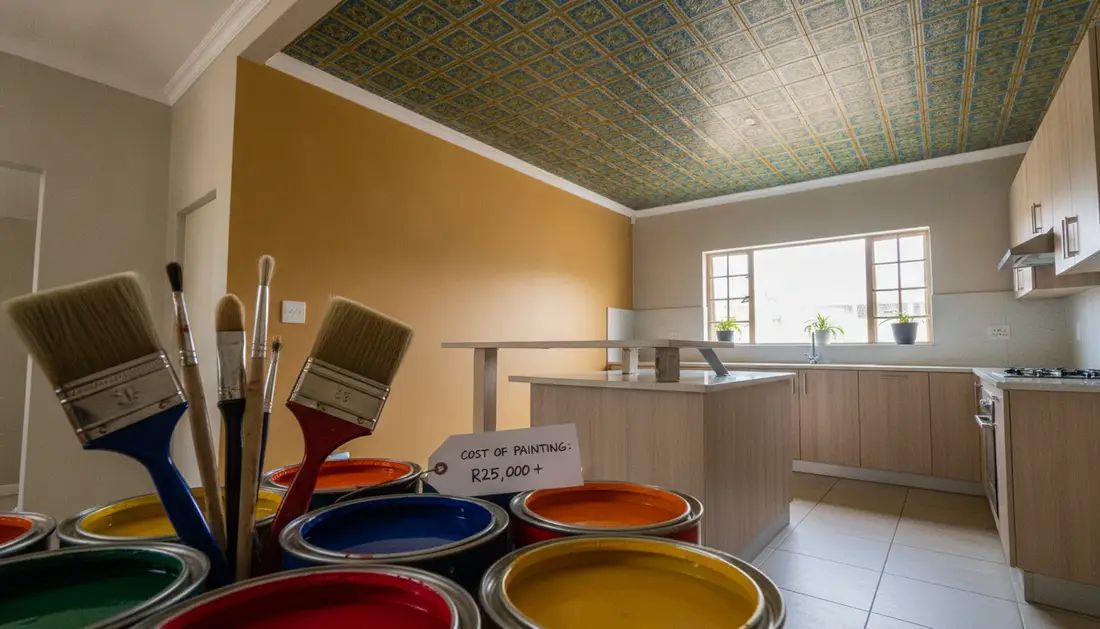
Moisture-prone areas need specialised, moisture-resistant paints. That raises material needs and the number of coats for a durable finish.
Professional painters in Cape Town typically quote on a per square basis after they assess wall condition. Accurate measuring avoids surprises.
- Budget for materials and professional labour.
- Surface preparation is non-negotiable for long-lasting results.
- Complex access or heavy grease raises overall costs.
| Factor | Impact | What to confirm |
|---|---|---|
| Size of room | Directly affects pricing | Exact square-metre measurement |
| Surface condition | More prep, higher price | List of repairs and sanding |
| Paint type & coats | Material + time increase | Brand, sheen and number of coats |
Essential Surface Preparation and Degreasing
A clean base makes for a lasting finish. A reliable finish starts with diligent cleaning and careful edge work around fittings — our room-prep checklist helps. Proper surface preparation prevents peeling and ensures the next coats bond correctly.

Cleaning protocols
Degreasing removes cooking residues and grime that stop paint from sticking. Professional painters use alkaline cleaners or specialised degreasers, followed by a rinse and full dry.
Check the condition of walls and note greasy patches or flaking; sealing those is part of what stain blocking and painting costs. In higher humidity areas, this step is vital to protect your home and extend the life of the job.
Cutting in techniques
Cutting in around cabinets, trim and sockets needs a steady hand and the right tools. A clean edge gives a professional finish and reduces touch-ups later.
- Use quality brushes and masking where needed to protect surfaces.
- Allow adequate drying time between coats to avoid tackiness.
- Factor the extra time for prep into your labour and overall per square quote.
Talk with your painters about the surface preparation required. Agree what services are included so there are no unexpected costs during the project in south africa.
Selecting the Right Sheen for Kitchen Walls
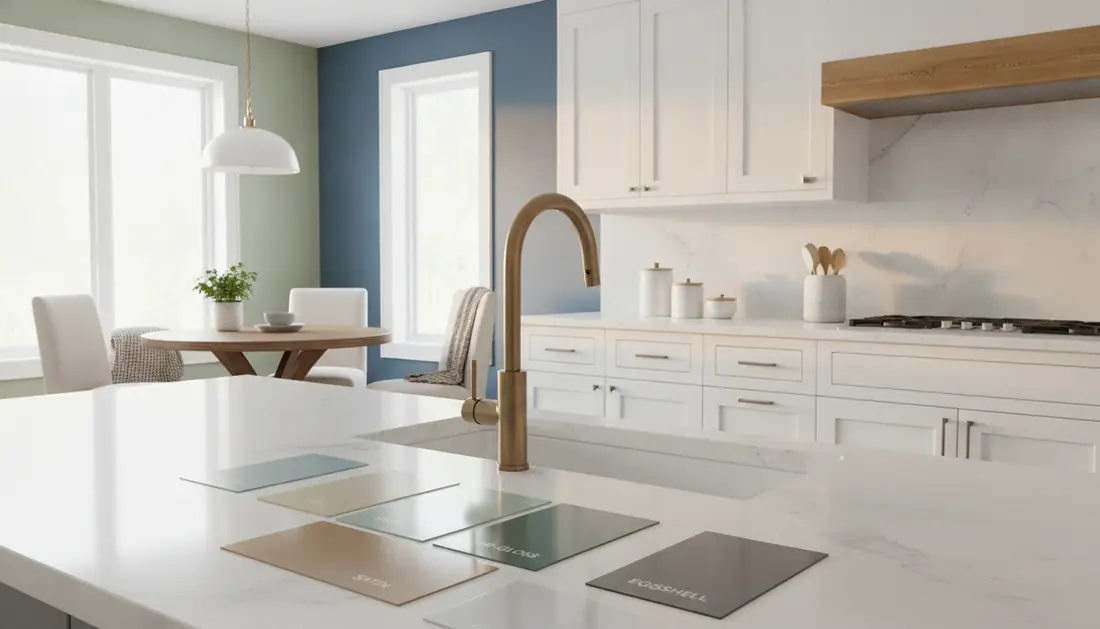
Choose the finish that suits daily use and cleaning — matt, eggshell, satin or gloss compares them. A durable sheen helps your walls resist grease and steam while keeping a neat look.
Velvet and sheen finishes are the top choices for this space. They wipe clean more easily than flat paints and tolerate frequent cleaning.
Pick a moisture-resistant type paint so the finish lasts in humid conditions; PVA vs acrylic paint explains the difference. Ask painters for small samples to see how each finish reflects light in your home.
- Higher-quality washable paints raise the price per square but give better long-term value.
- Specify number of coats and confirm moisture resistance for durable results.
- Proper surface preparation prevents peeling and helps finishes adhere smoothly.
| Sheen | Best for | Maintenance |
|---|---|---|
| Velvet | Balanced look and wipeability | Easy; hides minor flaws |
| Satin/Sheen | High-traffic wet areas | Very easy; resists staining |
| Matt | Low-traffic interior walls | Harder to clean; not recommended |
Managing Steam Stains and Moisture Issues
Steam marks and damp patches weaken a fresh finish if you skip proper sealing.
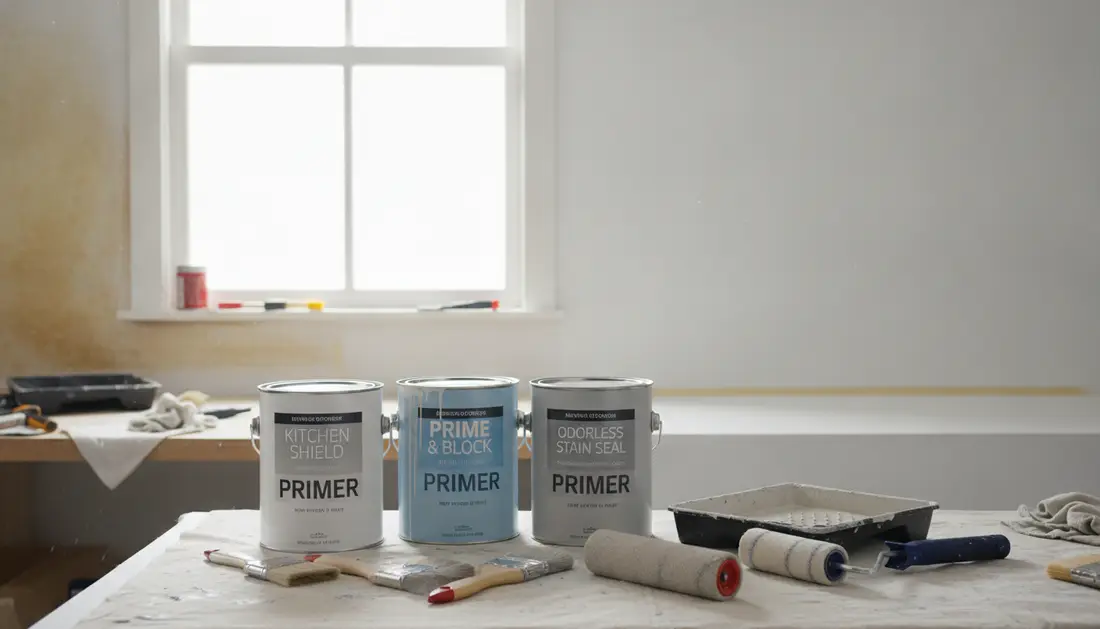
Moisture and steam stains are frequent in South African homes and must be treated before any new paint application — they often hit ceilings, where ceiling painting rates per m² apply. The right primer prevents old stains from bleeding through later coats and protects the interior finish.
Stain-blocking primers
Assess surface condition first. Look for damp patches, flaking or soft plaster. If there is active moisture, repairs come before priming.
Professional painters typically use specialised stain-blocking primers to seal surfaces. These primers lock in tannins and water marks so the final coats remain uniform and durable.
- Use moisture-resistant paints after priming to improve longevity.
- Confirm the primer type with your painters in writing before work starts.
- Good preparation reduces repeat work and future costs per square metre.
| Issue | Recommended action | Benefit |
|---|---|---|
| Steam stains | Apply high-quality stain-blocking primer | Stops bleed-through; improves finish |
| Surface dampness | Fix leaks and allow full drying | Prevents peeling and mould |
| Grease or residue | Degrease then prime | Better adhesion of final coats |
Do kitchen painting prices vary by region?
Where you live often determines how much you’ll pay per square metre for a repaint.
Regional differences in south africa make a real impact on pricing. Urban areas such as Cape Town usually show higher labour and service rates than many rural towns.
Local demand, availability of skilled painters and transport distances all influence final painting costs. Larger cities tend to have more professional services and higher hourly labour rates.
Compare quotes from nearby areas to see how prices vary based on size, surface condition and preparation needs. Distance for materials and travel time can raise the price on a written quote.
- Tip: Ask for per square and labour breakdowns so you can compare like for like.
- Check which coats and primers are included to assess final finish and quality.
- Use our platform to connect with local contractors who understand regional pricing factors.
Professional Labour and Quote Comparison
Comparing labour quotes helps you spot differences in scope, materials and finish before any work begins. Requesting written estimates saves time and avoids surprises when you budget for a small interior project at home.
Requesting up to three quotes
Get up to three quotes so you can compare per square rates, labour and included services. Professional painters typically charge between R450 R900 per hour for labour on a painting project.
- Ask for itemised lists: primers, number of coats and surface preparation.
- Check time estimates and whether travel or materials are extra.
- Confirm guarantees, start date and clean-up in writing.
Evaluating contractor assessments
Read each assessment for surface preparation and quality checks. A clear quote shows the work needed to achieve the desired finish and avoids hidden costs.
| What | Check | Why |
|---|---|---|
| Surface preparation | Listed tasks | Prevents peeling and rework |
| Coats & paint | Brand and number | Determines durability and finish |
| Labour | Rate per hour | Shows true overall cost |
Should you paint your kitchen yourself or hire a pro?
Deciding between a DIY approach and hiring professional painters comes down to time, tools and the final quality you expect.
Professionals finish faster. They often complete a full paint job in a fraction of the time a homeowner needs. That speed reduces disruption to your home and lowers the risk of amateur mistakes.
Bear in mind that labour is charged per hour, but most trades include brushes, rollers and primers in their fee. Those items add up quickly when you attempt a DIY project.
“Peace of mind from a written quote and warranty is worth the extra outlay for many homeowners.”
- Weigh the upfront savings of DIY against the likely extra time and rework.
- Ask for itemised quotes to compare per square rates, materials and labour.
- Professional services bring surface-prep expertise that boosts long-term durability.
In south africa, choose the route that fits your skills, available time and tolerance for risk on an interior painting project.
Budgeting for Premium Paints and Finishes
High-grade paint systems deliver better coverage and resist wear for longer periods. Choosing premium paints is a practical decision that reduces maintenance and improves the final finish.
Long-term durability benefits
Premium paints offer superior coverage, so you often need fewer coats to reach a uniform finish. That can lower the overall cost per square in the long run.
Quality paint resists moisture and grease better, which protects surfaces and extends the time between redecorations. This matters for the size and use of the room you update.
- Budget for higher-priced paints; they can reduce future touch-up costs and total labour time.
- Discuss recommended types and finishes with your painters so the product suits the project and local factors in south africa.
- Confirm in writing which paints and number of coats are included in written quotes to avoid surprises on final price.
Remember: investing a little more on premium finishes now often saves time and money over the life of the job and improves the resale value of your home.
What do kitchen ceilings and trim add to the cost?
Ceilings and trim are usually priced as an extra service because they need more time and precise finishing.
Expect additional charges ranging from R200 to R1,500 depending on complexity and the quality of the finish you choose.
Smaller areas with simple cornices sit at the lower end. Intricate mouldings, high ceilings or difficult access raise the labour and material needs. In older homes and parts of Cape Town, extra repairs or sanding often add to the price.
Use quality paints for trim and ceilings to achieve cohesive finishes and longer-lasting results. Proper preparation is as important here as on walls to avoid defects later.
- Clarify whether ceilings and skirtings are included in written quotes.
- Ask about bundled services for walls, ceilings and trim to compare overall costs.
- Confirm scope, access needs and drying times so labour estimates reflect reality.
| Area | Typical price range | Main driver |
|---|---|---|
| Simple ceiling | R200–R600 | Size and access |
| Detailed trim & moulding | R600–R1,500 | Intricacy and prep |
| Bundled walls + ceilings + trim | Variable (ask for breakdown) | Labour, paints and finishes included |
Final Thoughts on Your Kitchen Transformation
Choosing the right team and materials prevents surprises and protects your investment. Know the main drivers of cost and plan for surface prep, access and the paint type you want.
Keep costs under control by requesting clear, itemised quotes and comparing labour and materials. Confirm timelines, warranties and what is included in writing to avoid later disputes.
Work with trusted professional painters who explain scope and deliver consistent quality. A good paint job refreshes your space and adds long-term protection to surfaces.
Visit paintingpricepersquaremeter.co.za to request up to three quotes and start your project in south africa. We provide the pricing guidance you need to match style and budget.
FAQ
How much will a kitchen paint job typically run per square metre in South Africa?
Prices vary by city and quality. Expect a rough range of R450 to R900 per square metre for professional work including labour and basic materials. Premium paints, extensive surface preparation or difficult access can push the price higher. Always get up to three quotes from independent contractors to compare.
What main factors influence the final price for walls and ceilings?
Key factors are surface condition, number of coats, type of paint (economy vs premium), required primer or stain-blocker, size of the area, level of preparation, access and time on site. Labour rates in Cape Town, Johannesburg and Durban may differ, and repairs or specialist finishes add to the total.
Do I need professional surface preparation and degreasing before painters start?
Yes. Proper cleaning and degreasing removes kitchen grease and ensures adhesion. Professionals will remove grease, sand loose paint, fill holes and apply primer where needed. Skipping prep often leads to premature flaking and extra repainting costs.
What cleaning protocols do painters follow for kitchens?
Painters use degreasers and trisodium phosphate alternatives, rinse thoroughly and allow surfaces to dry. Oily stains may require a stain-blocking primer. For best results, confirm the contractor’s cleaning steps in writing on your quote.
What cutting-in techniques are used to get neat edges around cabinets and trim?
Experienced painters use quality brushes for edges, masking tape where needed and steady “cut-in” strokes before rolling. Ask to see examples or request promotional photos of past work to confirm finish quality.
Which sheen is best for kitchen walls and ceilings?
Low-sheen or eggshell finishes are common on walls — they balance washability and minimal reflections. Satin or semi-gloss is often used on trim for durability. Ceilings usually use flat or low-sheen to hide imperfections. Choose finishes based on cleaning needs and the look you want.
How are steam stains and moisture issues handled?
Persistent moisture or mould requires fixing the source first (ventilation, extractor fans). Stain-blocking primers and mould-resistant paints help prevent reoccurrence. If structural damp is present, get a contractor to assess causes before repainting.
What is a stain-blocking primer and when is it needed?
A stain-blocking primer seals water, grease and smoke stains so they don’t bleed through new paint. Use it on patched areas, previously stained walls or after repairing water damage. It adds to the upfront cost but protects the finish.
How much do regional prices vary across the country?
Labour and travel costs cause regional variation. Major centres like Cape Town and Johannesburg often have higher labour rates than smaller towns. Paint supply prices are similar nationally, but contractor quotes reflect local demand and access.
What should I check when comparing professional labour quotes?
Compare scope (prep, coats, primer), paint brand and sheen, labour hours, warranty, start and completion dates, and whether ceilings and trims are included. Confirm the contractor’s insurance and ask for references or portfolio images.
Can I request multiple quotes through a platform?
Yes. Request up to three quotes from independent contractors to compare pricing and services. Some areas may offer up to five options, but availability depends on local tradespeople. Site visits usually refine the final quote.
How do I evaluate contractor assessments during site visits?
Look for clear explanations of required prep, recommended paint type and expected number of coats. A good contractor will note access issues, protection of surfaces, timescales and provide a written breakdown of labour and materials.
Is it cheaper to DIY or hire professionals for a small kitchen refresh?
DIY saves labour but demands time, skill and proper tools. Professionals deliver faster, cleaner results and handle prep and safety. For larger areas, high ceilings or tricky access, hiring experts often proves more cost-effective long term.
How much extra should I budget for premium paints and special finishes?
Premium acrylics or washable enamel finishes add to material costs but increase durability. Budget an additional 10–30% for higher quality paints and specialist finishes. Consider lifecycle savings from less frequent repainting.
What are the added costs for ceilings and trim work?
Ceilings and trim often appear as separate line items. Expect extra labour and materials for sanding, primer and two finish coats. Trim may require a glossier paint for durability, which increases material price and labour time.
What should I get in writing before work starts?
Insist on a written quote detailing areas, surface prep, paint brands and sheens, number of coats, start and completion dates, total price, warranty terms and any exclusions. This prevents unexpected extras during the job.
How long does a typical kitchen repaint take from prep to finish?
A standard repaint with proper prep and two coats can take 2–5 days depending on size and repairs. Complex jobs, drying times or multiple trades on site can extend that. Confirm timelines in the contractor’s quote.
Are there warranties or guarantees for paint jobs?
Many reputable painters offer workmanship guarantees for a period (often 6–24 months) and some paint manufacturers provide product warranties. Clarify what the warranty covers and get it on the written quote.
How can I reduce the overall price without compromising quality?
Consolidate work (do walls, ceilings and trim together), select mid-range quality paint, ensure surfaces are in good condition before contractors arrive, and obtain multiple quotes to find competitive pricing. Avoid cutting corners on prep or cheap materials.
Related painting cost guides
Ready to compare?