
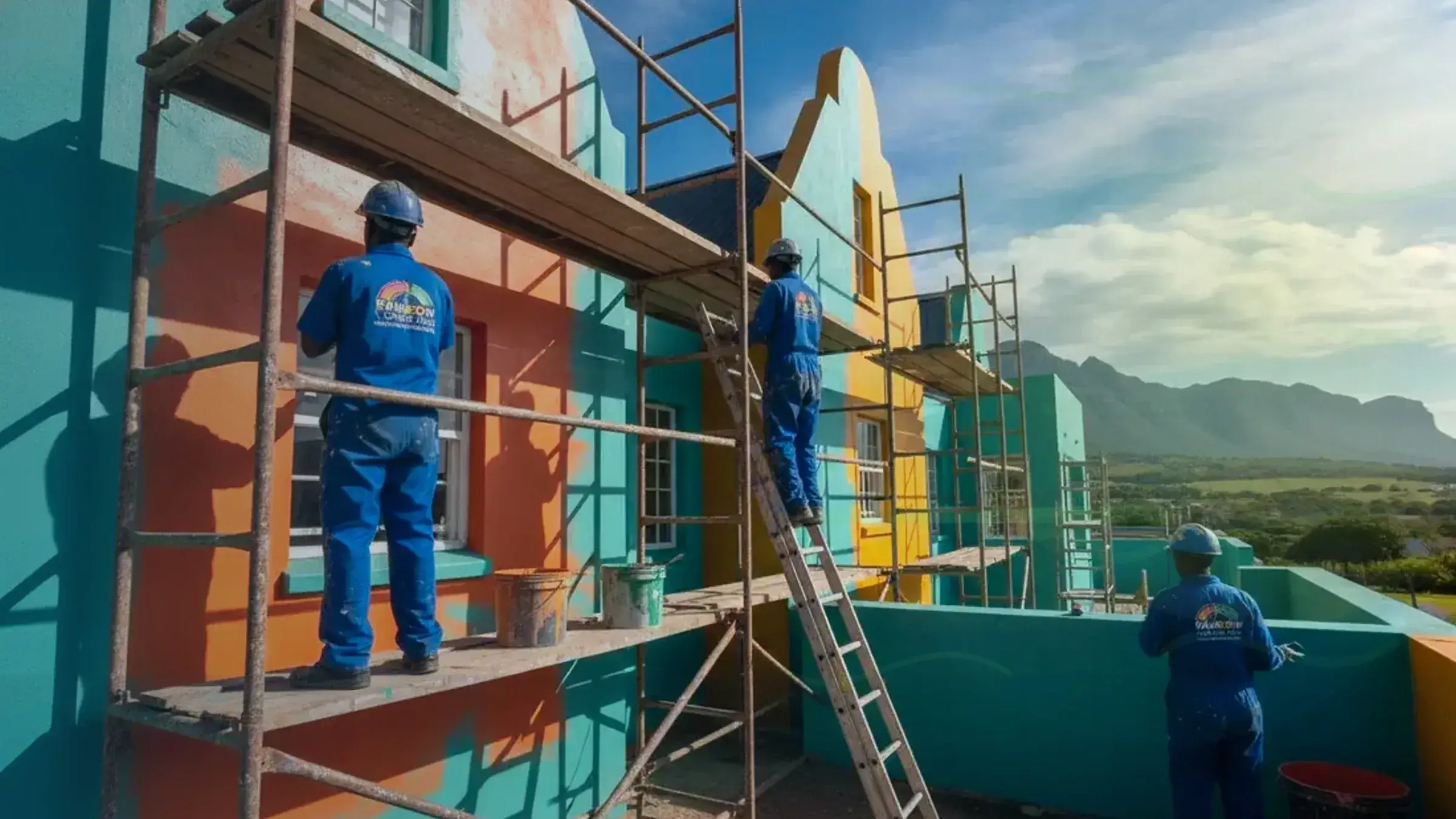
Exterior Painting Services in South Africa
Facades, boundary walls, gables, and trim – washed, repaired, sealed, and coated for SA weather
Quick answer
Exterior painting services in South Africa – facades, boundary walls, gables and trim washed, repaired, sealed and coated to handle SA weather.
9 min read
On this page
Curious how a sensible exterior house painting quote can protect your home and save you money?
Professional exterior services boost kerb appeal and shield houses from harsh climate effects. Use paintingpricepersquaremeter.co.za to compare realistic costs per square metre and find local value fast.
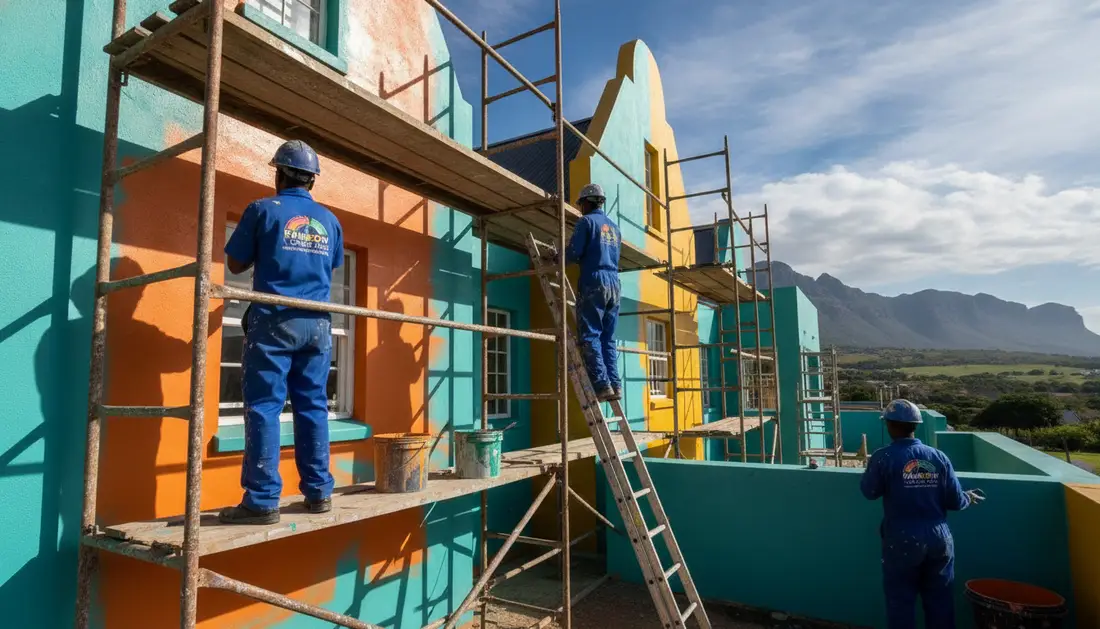
A professional approach prevents plaster cracks and rising damp that harm structure and value. Skilled painters know which acrylic paints and finishes suit your walls, window frames and roof.
Every exterior house painting job needs careful prep, the right materials and a clear estimate for your property type. Whether you want wall painting, roof maintenance or help picking paints, the right service keeps your home exterior resilient.
Find competitive quotes and simple guidance at paintingpricepersquaremeter.co.za
Want the numbers? This page explains what exterior painting involves and what a quote should cover. For typical per-square-metre rates, a calculator and worked examples, see exterior painting cost per m².
Understanding the Importance of Exterior Painting in South Africa
Sun, wind and rain accelerate wear on walls and roofs, so the best time of year to paint outside matters; a robust coating system slows that damage. For your house, this work is not only cosmetic — it is a maintenance task that protects structure and value.
Professional house painting provides a weatherproof barrier. It prevents moisture ingress that leads to costly interior repairs and keeps your property looking well cared for for years.
Regular inspections let you spot cracks, flaking or failed seals before they need major work. Many homeowners in Cape Town find routine service reduces long-term costs.
- Investing in house painting combats UV and temperature swings.
- Quality paints and finishes extend the life of walls and roof surfaces.
- Our estimate guidance helps you budget for the right type of service.
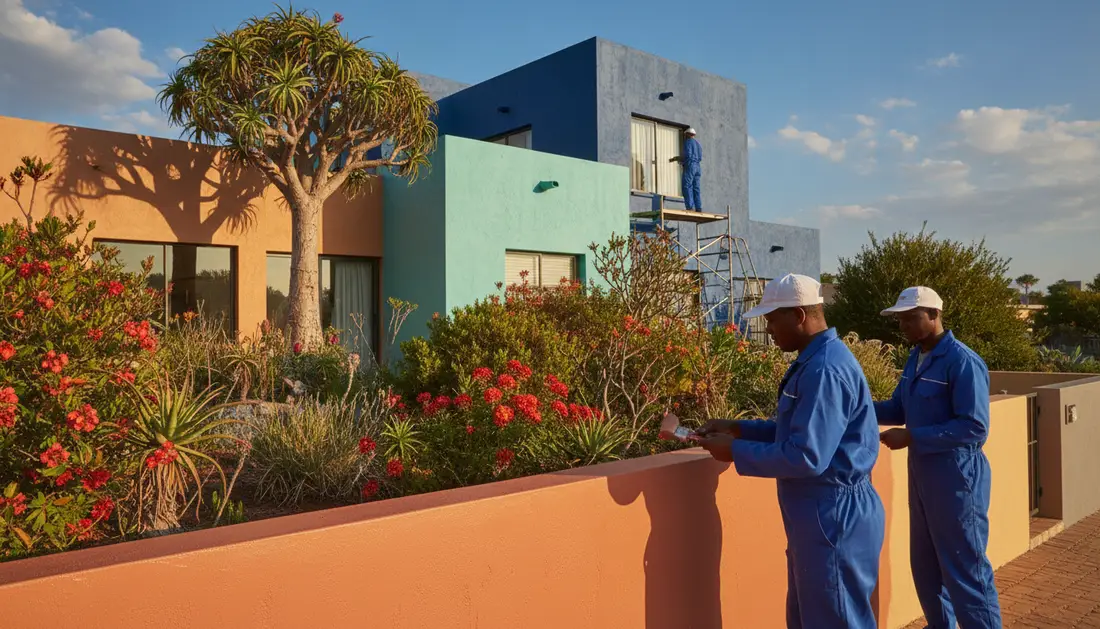
| Service type | Typical lifespan (years) | Primary cost driver | Recommended interval |
|---|---|---|---|
| Wall painting | 7–12 | Surface prep & paint quality | Every 7–10 years |
| Roof coating | 5–10 | Access and specialised coatings | Every 5–8 years |
| Minor spot repairs | 2–5 | Extent of substrate damage | Annual check, as needed |
| Full service (prep + finish) | 10–15 | Labour and premium paints | Every 10–12 years |
Essential Surface Preparation and Weatherproofing Techniques
Good surface prep is the single biggest factor between a short-lived job and a durable finish, as is choosing between smooth and textured finishes. Start by assessing walls, roof junctions and window frames for mould, loose plaster and old sealant.
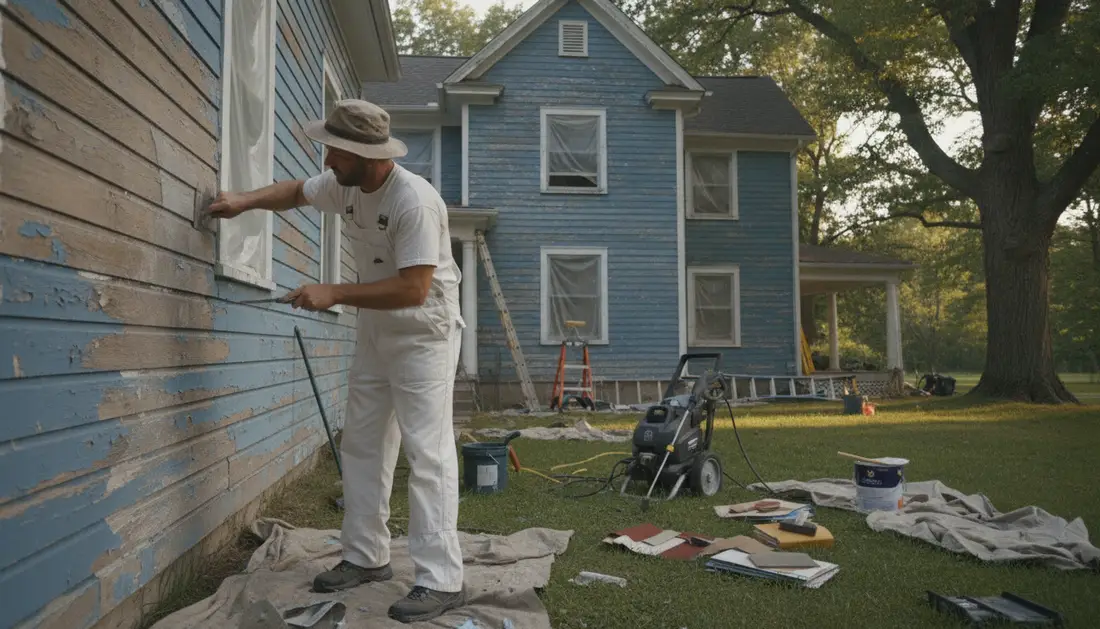
Cleaning and Repairing Surfaces
High-pressure washing removes mildew and loose debris so new coats adhere properly. Professionals follow a multi-step process that includes a pressure wash and crack filling with a skim filler.
“All work should meet SANS 10177 and recognised industry standards to ensure long-term results.”
- Repair plaster cracks and replace failed sealant at joints.
- Use acrylic caulks at gaps to prevent water and air penetration—vital in wet areas such as Cape Town.
- If rain starts, stop work and allow surfaces to dry fully before continuing.
Priming and Top Coat Application
Apply a penetrating primer to seal the substrate and promote uniform adhesion. Allow recommended drying time between coats for a resilient finish.
Tip: Professional painters will protect the roof and window frames during prep to avoid stains and ensure consistent results.
Factors Influencing Exterior Painting South Africa Costs
Costs for house painting vary widely depending on surface condition and site complexity.
Typical labour rates run between R50 and R100 per square metre; exterior painting rates per m² has the full breakdown. This excludes materials and specialised coatings.
Key cost drivers include the total area, how much prep the walls need, the type of paints and finishes you choose, and access for painters.
- Area: larger jobs reduce unit costs but raise the overall quote.
- Surface condition: repairs and extensive prep increase time and price.
- Access and roof work: high walls or roof painting add labour and safety costs.
- Paint type: premium acrylics cost more up front but last for years.
Request an estimate that breaks down labour, materials, prep and warranties in writing; all our painting services cover related work. Use our platform to compare quotes from multiple businesses to ensure fair value.
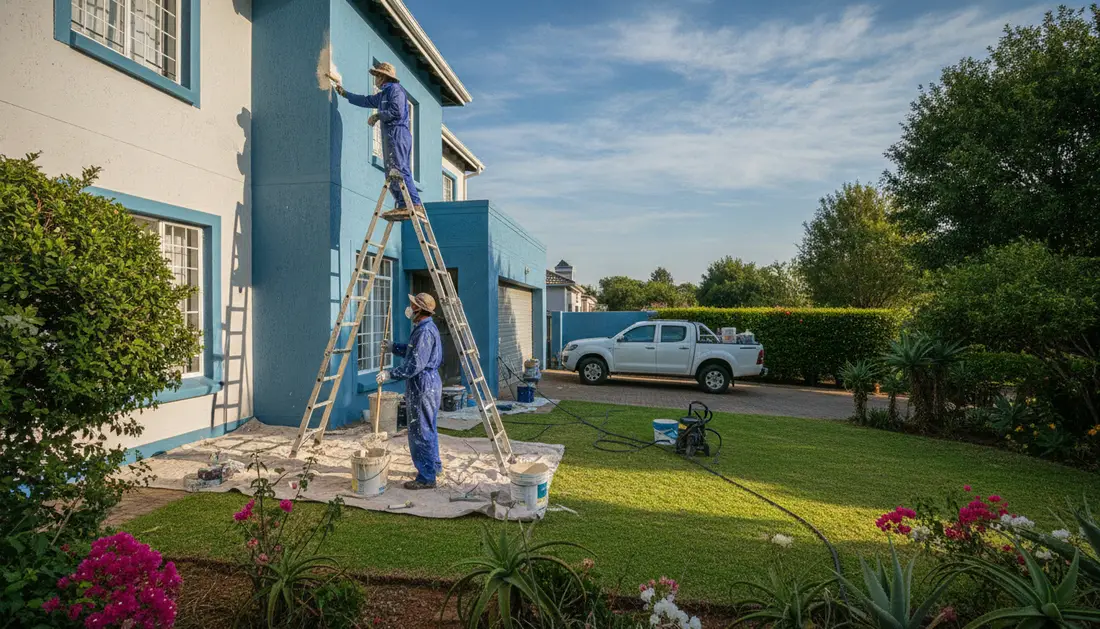
| Factor | Impact on cost | What to confirm |
|---|---|---|
| Area (m²) | Directly proportional | Measured square metres on quote |
| Surface condition | High impact if repairs needed | List of repairs and materials |
| Access & roof work | Increases labour and safety costs | Scaffold or boom-lift fees noted |
Navigating Coastal and Highveld Environmental Challenges
Your location matters for long-term protection of your house. Coastal salt spray and Highveld UV create different risks for walls, roof and window frames — what roof painting involves is a job of its own. Choose systems that suit the local weather and reduce maintenance time and cost.
Adapting Systems for Local Climates
Coastal homes need anti-corrosive, salt-resistant coats to stop metal fixings and trims from failing. Use specialised primers and top coats to limit water penetration and salt damage.
Highveld properties benefit from UV-resistant systems; how long exterior paint lasts depends on the system. These products reduce fading and stop rapid breakdown of exterior walls and roof finishes.
Ask your contractor for advice on the correct type of paint and a clear estimate if you suspect rising damp or plaster cracks. Protect plants and valuables by covering them before work starts.
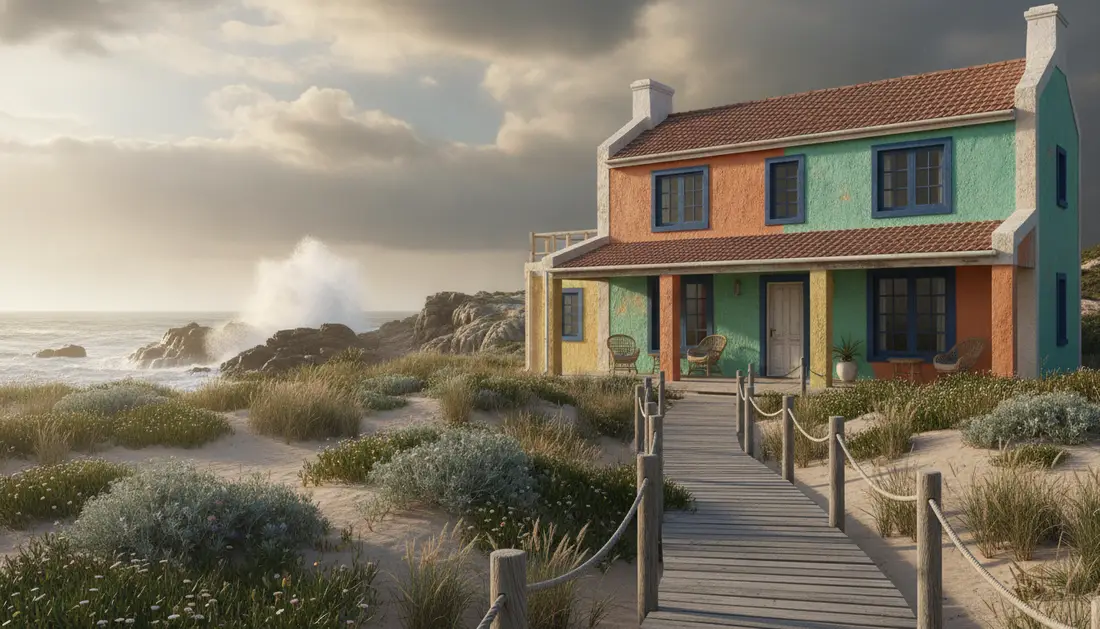
| Climate | Primary risk | Recommended system | Key benefit |
|---|---|---|---|
| Coastal (eg. Cape Town) | Salt corrosion, moisture | Anti-corrosive primer + waterproof top coat | Reduced metal rust and water penetration |
| Highveld | High UV exposure | UV-stable acrylic system with reflective top coat | Slower fade, longer life for exterior walls |
| General wet areas | Rain and water penetration | Penetrating primer + sealed coats | Prevents damp and structural damage |
Securing Professional Results Through Our Quote Request Process
Visit paintingpricepersquaremeter.co.za to start. Request up to three independent quotes so you can compare costs, prep work and finishes for your house, or what boundary wall painting costs for the perimeter.
Each contractor will handle site visits, final estimates and the job itself. Confirm surface preparation, paint type, number of coats and warranty details in writing.
Local contractors usually work standard weekday hours. Use local quotes to factor roof access, wall repairs and labour into your plan.
Get started at paintingpricepersquaremeter.co.za to connect with local painters and secure a durable, cost‑aware finish for your home exterior.
FAQ
What does “Weather-Ready” exterior painting in South Africa mean?
Weather-Ready means using paint systems and preparation methods that suit local climates — coastal salt spray, Highveld UV and rain, or Cape chill and wind. It covers correct surface cleaning, crack repair, priming, plus a top coat such as an exterior acrylic or elastomeric finish that resists moisture penetration and fade.
How often should I repaint my house exterior?
Repaint cycles vary with substrate and exposure. Most fibre-cement and plastered walls need new coats every 5–10 years. Cementitious surfaces in coastal areas may need attention every 3–5 years. Wood or timber window frames usually require maintenance every 2–6 years depending on exposure and paint type.
What surface preparation is essential before applying new paint?
Proper preparation includes pressure-washing to remove grime and salt, scraping loose paint, repairing cracks and spalling, filling holes with appropriate filler, sanding glossy areas, and applying a primer suitable for the surface — masonry, timber or metal. Good prep prevents premature failure and improves adhesion.
Do I need a primer and how many top coats are required?
Yes. Use a primer matched to the substrate: masonry primer for plaster, alkali-resistant primer for new cement, and wood primer for timber. Typically apply two top coats of a quality exterior acrylic or 100% acrylic emulsion for long-term protection. Metalwork often needs a corrosion-inhibiting primer and two finish coats.
Which paint types are best for South African conditions?
Exterior acrylic emulsions are the most common choice for walls because they resist UV and rain. Elastomeric acrylics suit hairline crack bridging on plaster. For timber use oil-modified or exterior acrylics; for metal use epoxy primers with polyurethane or alkyd top coats. Choose mildew-resistant formulations for humid coastal zones.
How do coastal and Highveld climates change the painting approach?
Coastal properties need salt-tolerant systems, more frequent cleaning and corrosion protection for metal. Highveld homes face strong UV and temperature swings, so choose high-UV-resistant paints and ensure good film flexibility. Both may require increased maintenance frequency and more robust primers.
What factors influence the total cost of exterior house painting?
Key cost drivers are surface area (m²), condition and extent of repairs, number of coats, paint quality, access (scaffolding or lifts), labour rates in your area, and weather delays. Additional costs include gutter and roof edge work, window frames and metalwork. Always get written line-item estimates.
How should I compare quotes from painters?
Compare scope, paint brands and product specifications, number of coats, surface prep steps, access equipment costs, warranty period and payment terms. Confirm whether cleaning, minor repairs, timber treatment or rust removal are included. Request up to 3 quotes, or up to 5 where available, from independent contractors.
What guarantees or warranties should I expect?
Expect a workmanship warranty from the contractor and manufacturer technical data for the paint. Typical workmanship warranties run 1–3 years depending on the job size and products used. Ensure warranty terms are written, including maintenance responsibilities and what voids the guarantee.
Can painting be done in rainy or very hot weather?
Painting should avoid heavy rain and extreme temperatures. Most paints specify application between 5°C and 35°C and low humidity for proper film formation. Plan work during dry, mild weather windows and allow adequate curing time between coats to prevent trapping moisture.
Will one coat be enough to cover stains or dark colours?
No. Stains, tannins and dark-to-light colour changes typically need a stain-blocking primer plus two finish coats. For dramatic colour shifts, additional undercoats or a high-opacity premium product will improve coverage and reduce need for repeat coats.
How long does a typical exterior house painting job take?
Time depends on size, prep required and access. A small to medium single-storey home can take 3–7 days. Larger homes or jobs needing major repairs, scaffolding or multiple trades can take 2–3 weeks. Weather and drying times also affect the schedule.
Are there eco-friendly or low-VOC paint options available?
Yes. Many South African brands offer low-VOC and low-odour exterior paints with good performance. They reduce indoor odour during works and environmental impact. Verify suitability for exterior use and longevity when choosing low-VOC options.
Should I include roof and gutter work in the quote?
It’s wise to get separate line items for roof edges, fascias, gutters and downpipes. These elements often need specific metal primers and paint, or repair before coating. Including them in the same contract keeps responsibility clear and helps budget accurately.
How do I prepare my home before painters arrive?
Clear plants and outdoor furniture, secure pets, remove wall decorations on verandahs, and point out access routes and power points. Confirm storage for materials and water supply. Good access speeds the job and reduces additional access costs.
Related painting cost guides
Ready to compare?