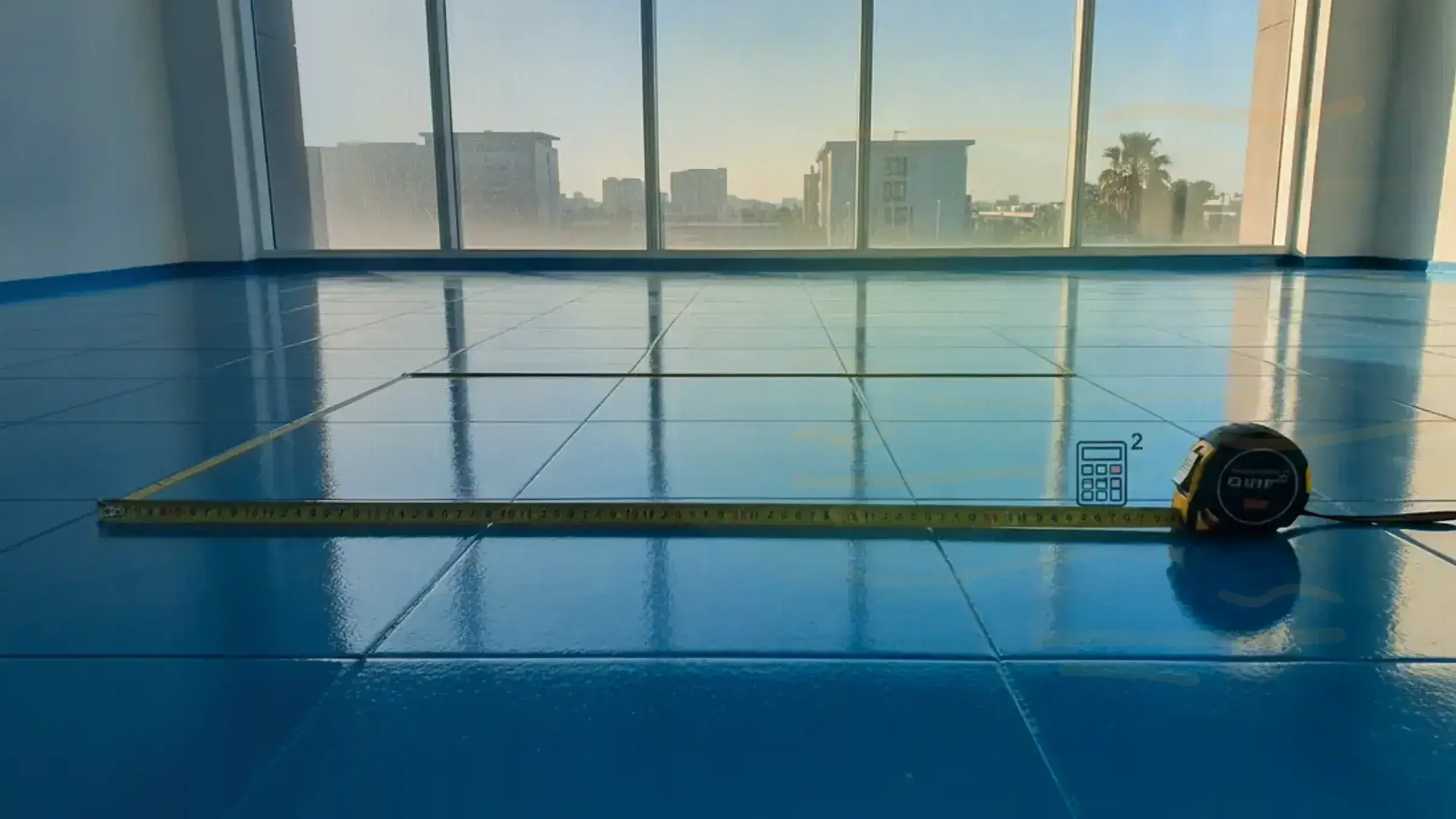
Floor Painting Cost Per Square Metre in South Africa
Concrete prep, coatings, primers, and surface condition all shape floor painting rates
Quick answer
R6 630–R8 970 project totalR130/m² · 60 m²
Floor painting cost per square metre in South Africa – garages, stoeps and workshops, with concrete prep, primers and epoxy vs floor paint priced.
Instant estimate
Floor painting cost calculator
Estimate floor coating by area, coats and prep — garage, stoep or epoxy.
13 min read
On this page
How much should you budget for a home refresh — and is a DIY route worth it? This guide opens with the key numbers you need to plan a sensible project in 2026.
The local market continues to grow, and prices vary widely with surface condition and paint quality. You will see how surface preparation, materials and labour shape the final price.
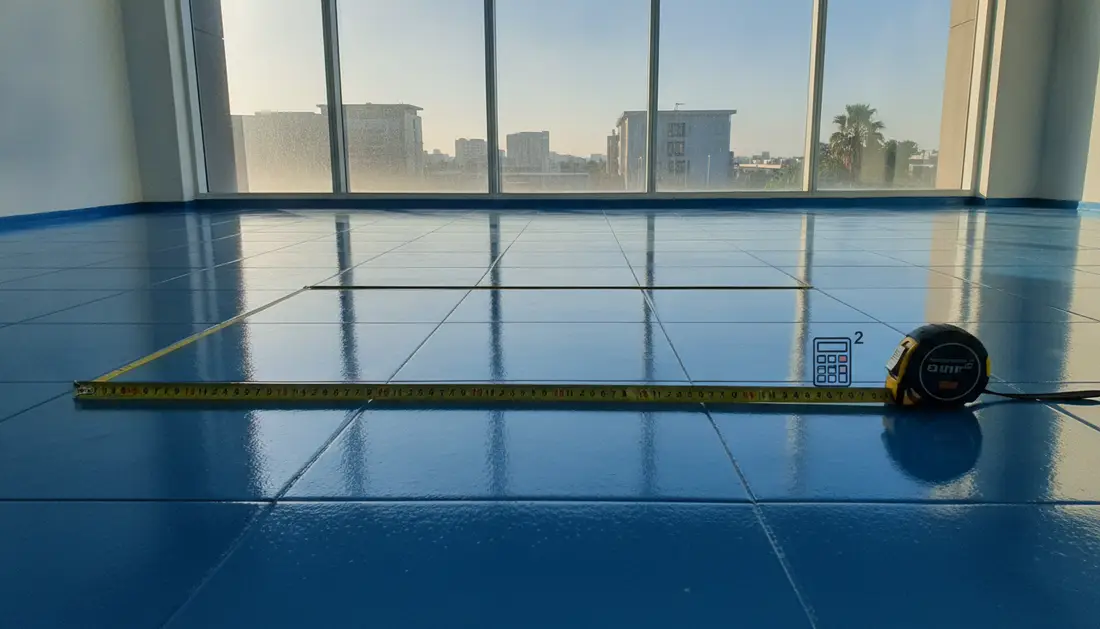
Use our pricing guidance at paintingpricepersquaremeter.co.za to compare rates and choose services or a DIY approach. We focus on clear factors: surface prep, paint type, room size and expected durability.
Key takeaways: simple planning, asking for quotes and confirming what is included will keep your job on budget and deliver the finish you want.
How much does floor painting cost per square metre in South Africa?
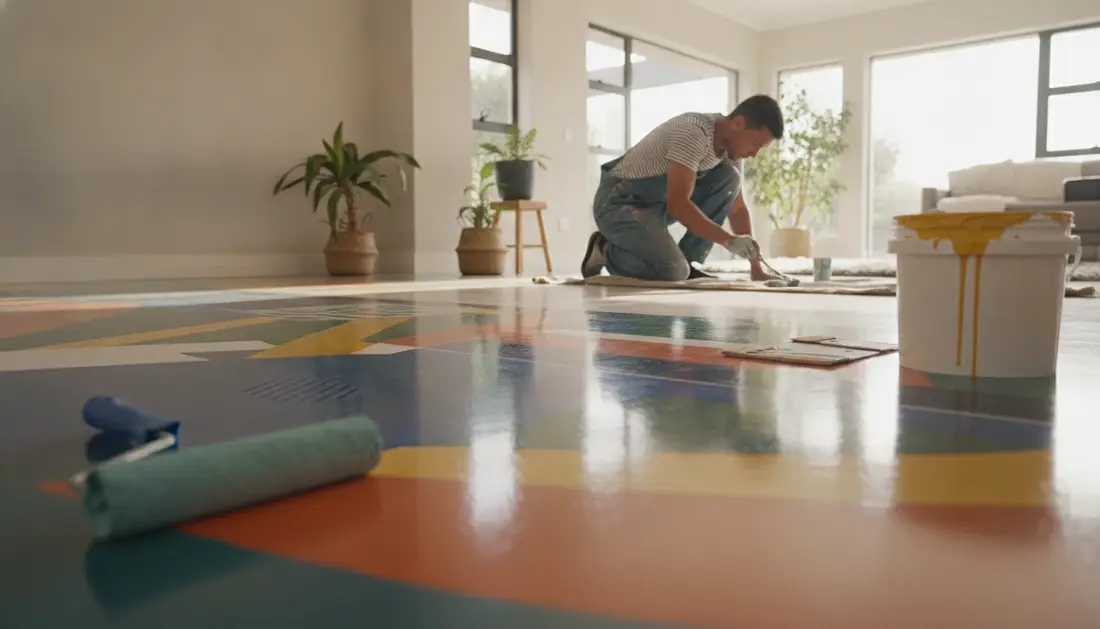
Knowing the typical rates for acrylic, single-pack and two-pack systems guides your selection.
This section breaks down typical local rates so you can set a realistic budget; what painting costs per square metre covers walls and other surfaces. Prices shown include materials and professional labour unless noted otherwise.
| System | Typical rate (R/m²) |
|---|---|
| Acrylic floor paint | R40 – R80 |
| Single-pack epoxy enamel | R80 – R150 |
| Two-pack epoxy system | R150 – R300 |
- Per square rates vary by system, surface condition and room use.
- Basic acrylic suits low-traffic stoeps and is the most affordable option.
- Single-pack epoxy balances durability and price for workshop areas in a home.
- Two-pack systems are the premium choice for garages and heavy-use areas.
- Proper surface preparation greatly affects final price and performance.
Tip: request quotes so independent painters can inspect the surface and confirm exact rates; what floor painting involves sets out the scope. Use our quote process to compare realistic offers and select the right quality for your project.
Market Dynamics and Professional Pricing Guidance
Understanding local market movement helps you pick the right offer. Labour trends and product tiers strongly influence final quotes you receive in South Africa.
Labour rate trends
Labour Rate Trends
Skilled teams and specialist jobs attract higher hourly fees. Professional painters typically charge between R450 and R900 per hour for expert labour.
Complex access, multiple coats and detailed masking increase labour costs. Ask contractors to list hourly rates and estimated hours in writing.
Material quality tiers
Material Quality Tiers
Materials range from budget tins at about R60 per litre to premium coatings above R200 per litre.
Higher-quality products give better coverage and wear resistance, reducing repaint frequency and long-term maintenance costs.
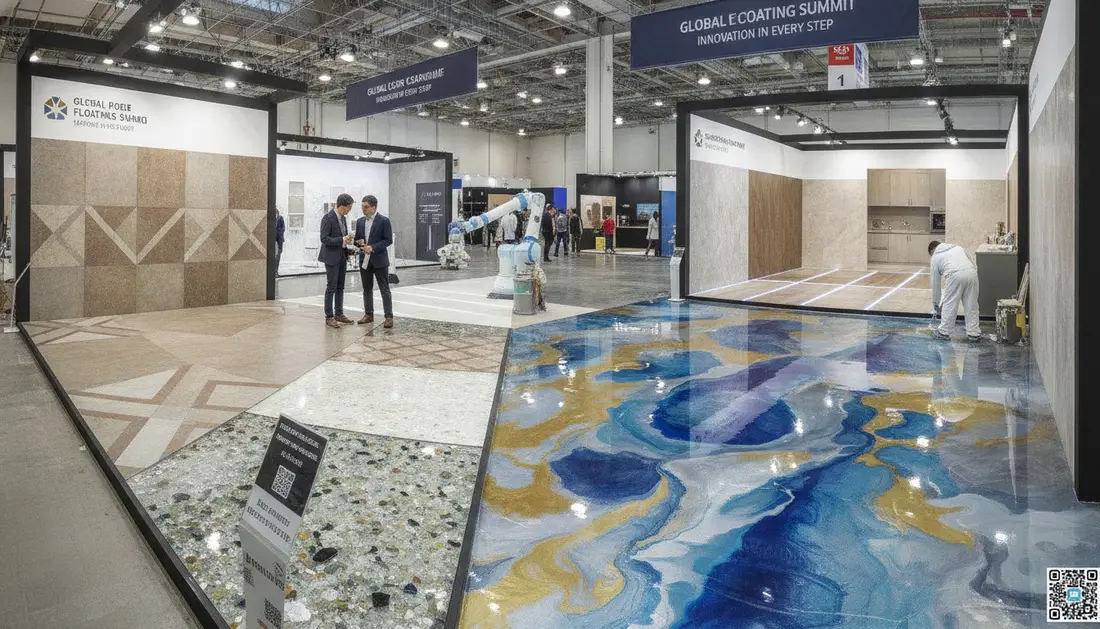
| Item | Typical range | When to choose |
|---|---|---|
| Labour (hourly) | R450 – R900 | Complex jobs, specialist contractors |
| Budget paint | R60 – R90 / litre | Low-traffic areas, short-term fixes |
| Premium coatings | R200+ / litre | Garages, high-traffic, long-life finishes |
- Expect higher per square rates for difficult access and small rooms.
- Confirm that quotes separate labour and materials, and list brands or types.
- Use our guide to request quotes so you can compare rates and services from professional painters.
Essential Surface Preparation for Durable Coatings
Good preparation decides whether a new finish lasts years or peels in months. Address grease, smooth slabs and hidden moisture before any topcoat goes on.
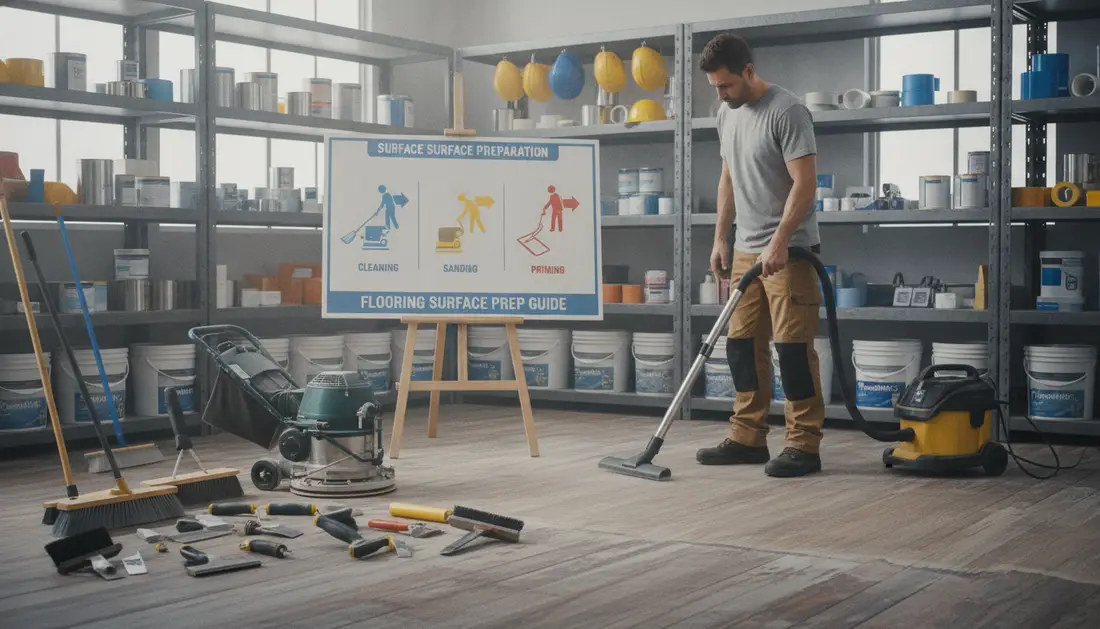
Degreasing and oil removal
Remove oil patches completely. Grease prevents adhesion and is the most common reason coatings fail soon after application — see what causes peeling paint.
Use commercial degreasers and hot pressure washing where needed. If degreasing is skipped, you waste paint, labour and time.
Acid etching and grinding
Create a mechanical profile on smooth, power-floated slabs; getting a concrete floor ready to paint walks through it. Acid etching or diamond grinding opens pores so the paint bonds properly.
Grinding raises labour costs but greatly improves the final finish and long-term durability.
Moisture testing protocols
New concrete can trap vapour. Moisture testing is critical to avoid bubbling and delamination of the coating.
Always test before applying primers. Our guide stresses that preparation is an investment — cut corners here and the whole project will pay for itself to be redone.
- Surface preparation dictates the cost per square you should budget for.
- Professional painters follow degrease, profile and test steps to protect your price and quality.
- For reliable durability in high-traffic rooms, hire experienced independent contractors rather than a DIY quick fix.
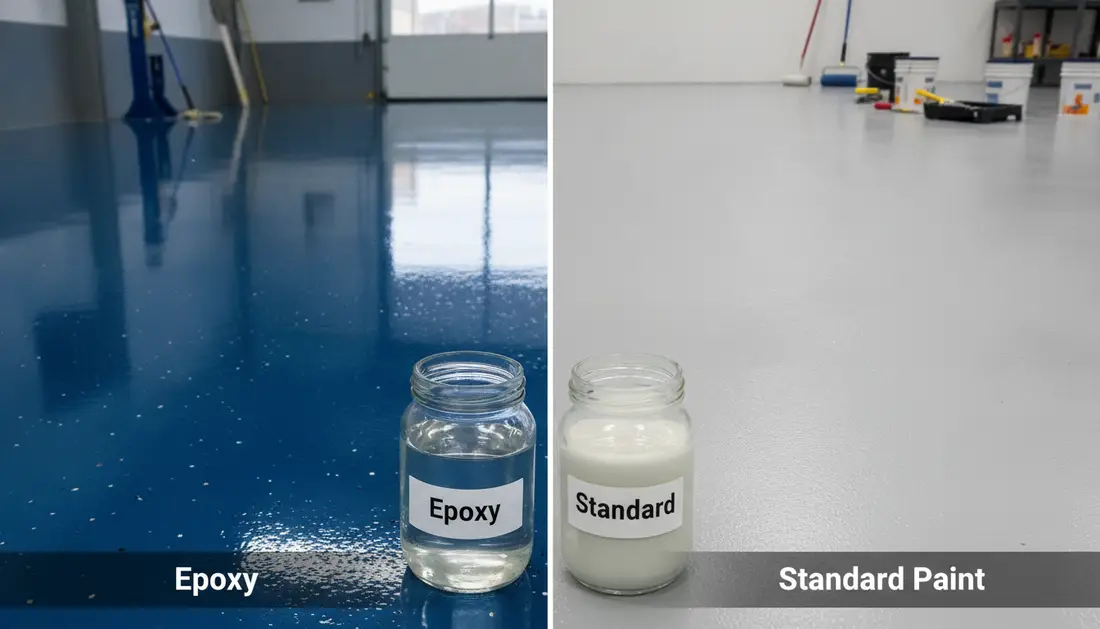
Epoxy or standard floor paint — what does each cost?
When you decide between epoxy and conventional acrylics — which your floor actually needs helps — think about traffic, spill risk and lifespan.
Two-pack epoxy systems typically range from R150 to R300 per square metre. They give superior durability and chemical resistance for heavy-use garages and workshops.
Standard paints are cheaper up front. They suit light-duty interior rooms and low-traffic areas. Expect more frequent maintenance with basic options.
Practical guide: the quoted r100 per square figure is useful for quick checks, but specialised epoxy jobs include primer and a high-performance topcoat in the final price.
| Feature | Standard acrylic | Two-pack epoxy |
|---|---|---|
| Typical rate (R/m²) | R40 – R80 | R150 – R300 |
| Durability | Low to medium | High; chemical resistant |
| Best use | Light interior rooms, low traffic | Garages, workshops, heavy traffic |
- Durability often offsets higher initial price by reducing repaint frequency.
- Confirm that quotes list preparation, primer, materials and labour when you request services.
- Discuss your surface condition so painters can offer the best option for your project and budget.
What affects your floor painting cost?
Access and layout often shape the final price more than product choice. Tight access, multi-storey work or confined rooms raise labour and equipment needs.
Accessibility issues can increase labour costs by 10–20%. Areas needing scaffolding or specialised gear add time and a higher rate per square.
Accessibility and Site Complexity
Complex architectural features, multiple colours or intricate patterns require precision and longer work time. That increases the overall cost of the project.
Contractors factor in room size, surface condition and preparation when they give quotes. Clear access and removed furniture help keep labour time — and costs — down.
- Scaffolding or specialist tools: higher labour and equipment charges.
- Complicated layouts: more masking, cutting-in and attention to detail.
- Good site prep: speeds the job and reduces the total time on site.
| Factor | Typical effect | What to confirm |
|---|---|---|
| Access | +10–20% labour | Need for scaffolding or lifts |
| Surface condition | Varies with prep | Degrease, grind, prime |
| Design complexity | More hours, higher price | Number of colours, patterns |
Tip: ask professionals on our platform to assess access and surface on site. They will provide an accurate, transparent quote so you can budget with confidence in South Africa.
Regional Variations in Labour and Material Rates
Regional differences in labour availability and logistics mean identical work can vary widely in price. Major urban centres often carry higher rates because demand and living costs push labour up.
Example: Gauteng normally shows higher labour charges than rural parts of the Eastern Cape. Brand availability and transport add to material rates in cities.
What this means for your project:
- Large centres like Johannesburg and Cape Town usually report higher painting costs south than smaller towns.
- Transport and stock shortages can increase paint prices and affect lead times.
- Skilled labour scarcity in some regions raises labour costs and may delay work.
| Region | Typical labour rate | Material variation | When to verify |
|---|---|---|---|
| Gauteng (urban) | Higher | Wide brand choice; higher logistics | Always ask for brand names |
| Smaller towns | Moderate to low | Limited stock; possible delays | Confirm delivery times |
| Rural areas | Lower but variable | Transport adds to costs | Check total quote inclusions |
Tip: obtain local quotes from independent contractors. Compare rates and confirm that labour and all materials are listed in writing so there are no hidden costs later in the project.
Benefits of Using Our Quote Request Process
Using a single request form lets you collect competitive quotes from independent independents in your area. Our quote request process connects you with pre‑independent professionals so you can compare real prices and services quickly.
Request up to 3 quotes and receive clear, written offers from independent contractors. This saves labour time you would otherwise spend calling multiple companies for site visits and estimates.
What you gain:
- Fast comparisons of price, quality and included services.
- Transparent options so you can check prep work, primer and materials listed in writing.
- Independent contractors conduct on‑site assessments to provide accurate final pricing.
- No obligation to accept any quote — just the information you need to choose wisely.
Start your project by requesting quotes today. Our process simplifies finding reliable services and helps you make an informed decision for your renovation or commercial job.
Navigating the Choice Between Professional Contractors and DIY
Choosing between contractor services and a DIY approach affects time, materials and long-term value. You must balance short-term savings against how long the finish will last under normal use.
Long-term Value of Professional Finishes
Professional painters charge between R450 and R900 per hour, but their experience reduces rework and extends life. The correct primer, surface preparation and materials yield a finish that resists wear and chemical spillages.
Hiring pros often means spending more now and saving later. They complete work faster and use the right products for interior and heavy-use areas.
Risks of Improper Application
DIY projects often take two to five times longer than professional work. Improper preparation or wrong paint choice commonly causes peeling, bubbling or early failure.
- DIY can save labour initially but may increase long-term costs.
- Professionals ensure correct preparation and material selection for your surface and traffic level.
- Use our platform to request quotes and compare value versus effort.
| Option | Typical outcome | When to choose |
|---|---|---|
| Professional contractors | Durable finish; faster completion | High-traffic areas, long-term value |
| DIY | Lower upfront price; higher risk of rework | Small, low-use interior projects and confident hobbyists |
| Hybrid (prep DIY, pros apply) | Moderate price; better durability | Reduce labour costs while securing professional finish |
Technical Requirements for High-Traffic Areas
Durable coatings for busy spaces demand methodical testing and precise surface profiling. “Priority: durability over lowest price.” This approach reduces rework and long-term maintenance.
High-traffic zones typically require two-pack epoxy systems that typically range from R150 to R300. These systems are engineered to resist heavy foot traffic, vehicle movement and chemical spills.
Professional painters follow strict technical protocols. Expect moisture testing, deep grinding and correct primer selection before any topcoat goes on. Skipping these steps risks early failure.
What to confirm in writing:
- The specified coating system and its durability rating.
- Details of surface preparation, moisture tests and grinding.
- Labour hours and brand names for materials used.
Independent contractors on our platform are experienced with these technical needs. Choosing the right services and confirming procedures in writing ensures your project delivers long life and better value.
Final Considerations for Your Flooring Renovation
A clear quote and solid preparation avoid costly rework later. Ask for written quotes that list materials, labour and times so you can compare price and quality easily.
Remember the r100 per square figure is a quick check only. True painting costs south vary with surface preparation, access and product choice.
Quality preparation is the single best way to extend life and reduce overall cost. Whether you choose DIY or hire professionals, match material quality to room use.
Use paintingpricepersquaremeter.co.za to request quotes and connect with independent services near your home. Confirm brands, rates and warranties in writing before the project begins.
FAQ
What is a typical floor painting rate quoted in South African projects?
Typical rates for a standard coating system on concrete usually range from about R450 to R900 per m² when factoring professional labour, standard paint and basic preparation. Budget options start near R100 per m² for very simple re-coats with minimal prep, while high-performance epoxy systems increase the price significantly. Always request written quotes that itemise labour, materials and preparation.
What factors most affect the final price of a floor coating job?
The main drivers are surface condition and preparation needs, type and quality of coating (epoxy, polyurethane, acrylic), labour rates for the region, access and site complexity, and additional services such as moisture testing or crack repairs. Heavy-traffic specifications and durability requirements also increase the total investment.
How much should I budget for surface preparation?
Allow for between a light clean and degrease to full mechanical grinding. Simple degreasing and patching might add a small premium, while diamond grinding or acid etching plus moisture remediation can add substantially to labour and equipment costs. Professionals will quote preparation separately so you can compare options.
How do epoxy systems compare with standard floor paints?
Epoxy offers superior durability, chemical resistance and longevity for workshops, garages and commercial areas, but it costs more up front. Standard acrylic or enamel floor paints have lower upfront cost and quicker application but wear faster under heavy use. Choose based on traffic, exposure and desired lifespan.
Are labour rates the same across the country?
No. Labour charges vary by region, with urban centres generally showing higher hourly or m² rates than smaller towns. Accessibility, union rates, and contractor demand also affect pricing. Ask local contractors for region-specific rates and compare up to three quotes, or up to five where available.
Can I save money by doing some work myself?
You can reduce costs by handling basic cleaning and moving furniture, but skip specialised tasks such as diamond grinding, moisture testing, or full epoxy application unless experienced. Poor prep or incorrect application risks early failure and higher long‑term expense. For best value, combine DIY prep with professional application.
What technical checks should be done before coating a high-traffic floor?
Critical checks include moisture testing, adhesion testing, assessment for oil contamination, and level or crack surveys. These determine the correct primer, primer recoat times, and whether moisture mitigation is required. Proper testing prevents delamination and ensures warranty compliance.
How long does a typical floor coating job take from start to finish?
Timelines depend on preparation and system chosen. Simple repaint and touch-up works can be a day or two. Full grinding, repairs and multi-coat epoxy systems often take 3–7 days, allowing for curing and recoat windows. Ask contractors for a clear schedule in the written quote.
What should I confirm in writing before a floor coating starts?
Confirm scope of work, detailed price breakdown (labour, materials, prep), brand and product names, warranty or guarantee terms, project timeline, access requirements and payment schedule. Written terms protect you and make quote comparisons reliable.
Do warranties cover failures caused by inadequate preparation?
Most product and workmanship warranties exclude failures from improper prep, excessive moisture or unforeseen substrate issues. Ensure the contractor documents substrate condition and testing; a reputable quote will state what is covered and any exclusions.
How do I choose between contractors when quotes differ widely?
Compare itemised quotations, check product brands and specification sheets, ask for references or photos of completed projects, confirm insurance and any guarantees, and ensure site visit notes match the quote. The lowest price is not always best for long‑term value.
Will higher-quality paint always give longer life?
Higher-quality systems designed for the intended traffic and exposure generally last longer if applied correctly. However, correct surface preparation and application are equally important. Match product grade to use rather than assuming expensive equals better for your situation.
Are there regional supply differences that affect pricing?
Yes. Availability of specific branded systems, transport costs, and local distributor pricing influence material costs. Remote sites may face higher material and mobilisaton fees. Request region-specific quotes and product names to compare accurately.
What additional services might increase the project total?
Additional costs can come from crack repairs, moisture mitigation, anti-slip additives, protective topcoats, demarcation lines, or temporary traffic restrictions. Special colour matching or rapid‑cure systems for quick turnaround also raise the price.
How many quotes should I request through the platform?
Request up to three quotes, or up to five where available, from independent contractors. Multiple quotes help you compare rates, materials and timelines. Independent contractors conduct site visits and provide final written quotes and warranties.
Related painting cost guides
Ready to compare?