
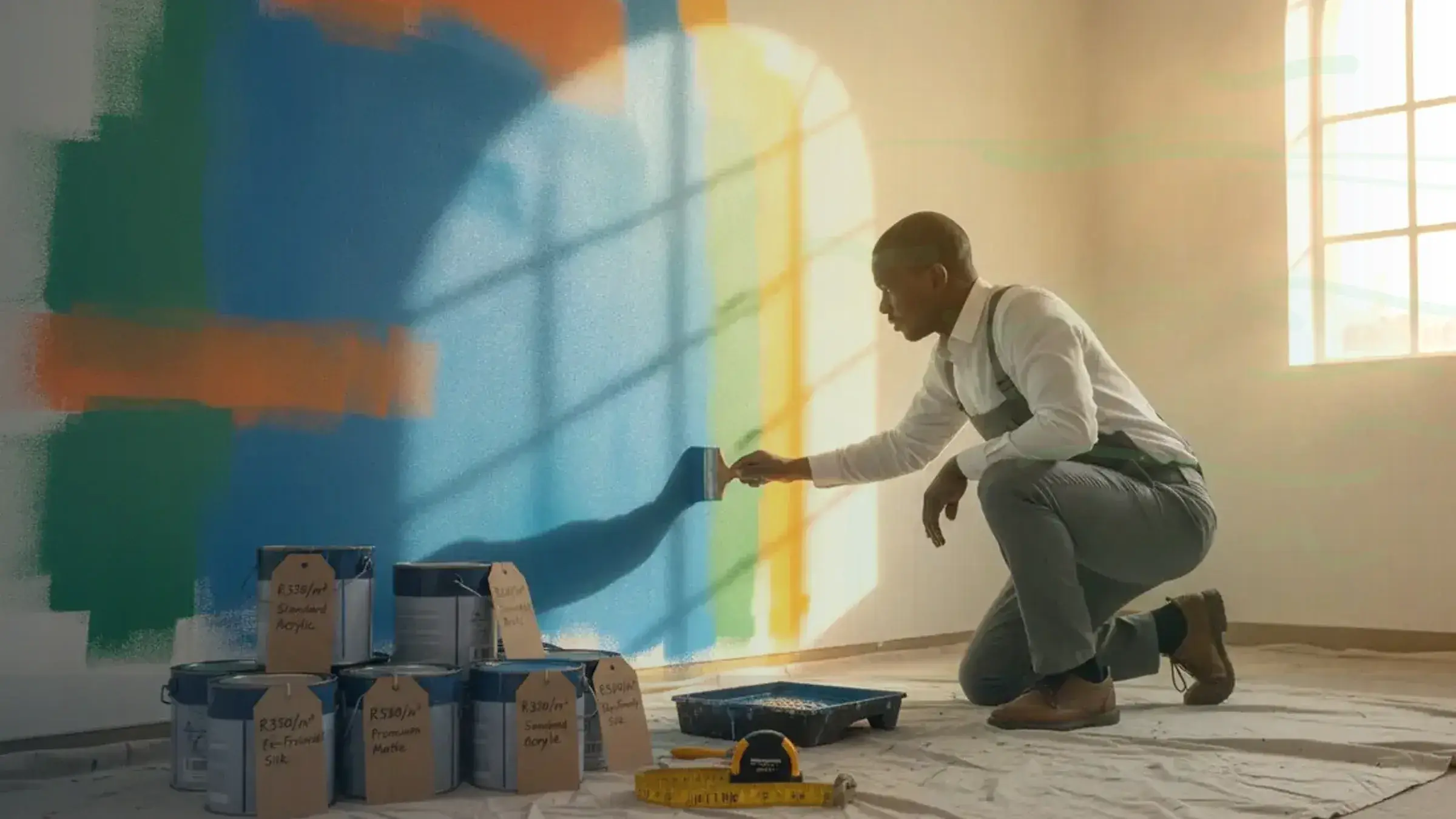
Wall Painting Cost Per Square Metre in South Africa
Interior and exterior wall repaint rates compared – and how to price the wall in front of you
Quick answer
R8 670–R11 730 project totalR85/m² · 120 m²
Wall painting cost per square metre in South Africa – interior vs exterior wall rates side by side, with prep, condition and access differences.
Instant estimate
Wall painting cost calculator
Estimate wall painting by area, coats and prep — interior or exterior.
11 min read
On this page
Curious how much a full home paint job really runs in your area? If you are planning a refresh, small choices on paint type, surface preparation and labour can change the final price a lot.
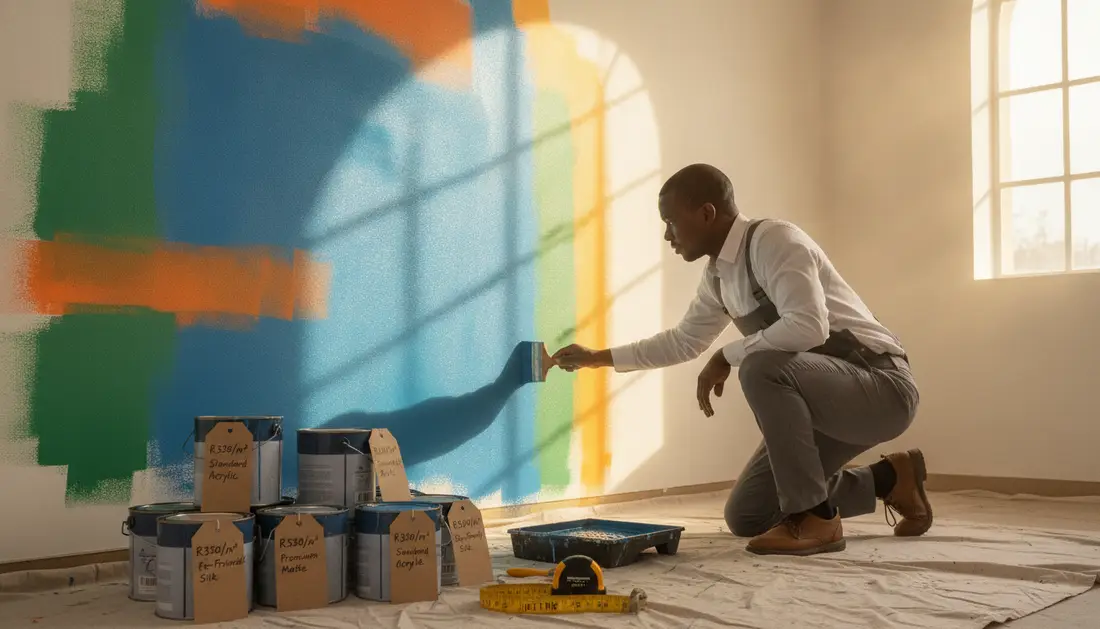
For a typical three-bedroom house, national averages sit between R25,000 and R50,000. Our platform, paintingpricepersquaremeter.co.za, helps you compare local pricing and avoid surprises.
You can request up to three quotes through our simple process. That lets you compare independent contractors on price, warranty and timelines without pressure.
“Get clear pricing, not guesses.” We focus on size, paint quality, surface preparation and labour so you know what to confirm in writing.
Whether you are in Cape Town or elsewhere, our aim is to make pricing transparent and practical so you can plan your project with confidence.
How much does wall painting cost per square metre in South Africa?
Our pricing guidance explains typical national rates so you can budget with confidence, building on South Africa’s per-m² price guide.
Interior work usually falls between R60–R120/m², while exterior jobs run around R50–R100/m². These ranges reflect labour, primer, and standard materials.
A standard three-bedroom home commonly offers 350–400 m² of paintable surface; how do painters measure square metres shows the method. Use that figure to estimate totals for your project before you ask contractors for figures.

“Request up to three quotes to compare how independent contractors calculate pricing for your job.”
- Rates: Interior R60–R120/m²; exterior R50–R100/m².
- Area guide: Three-bedroom = 350–400 m² of surface.
- Cape Town note: Many professionals quote by total area rather than floor size.
| Type | Typical range | Example 350 m² |
|---|---|---|
| Interior | R60–R120/m² | R21,000–R42,000 |
| Exterior | R50–R100/m² | R17,500–R35,000 |
Action: Always request up to three quotes and confirm surface prep, materials and warranty in writing.
What affects your wall painting price?
Budgeting accurately means understanding which elements drive the total price. These factors shape final quotes and help you compare suppliers on an equal footing.
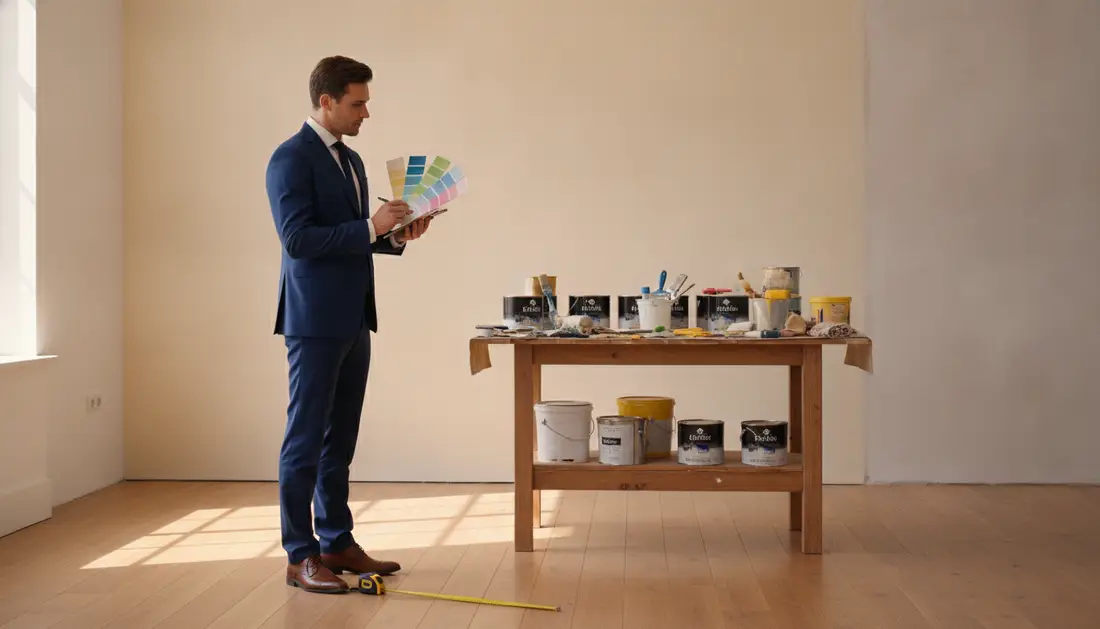
Paint Quality and Durability
Higher-quality paints cost more up front but cover better and last longer; our guide to paint coats explains how many you need. That often means fewer coats and less frequent repainting, lowering long-term painting costs.
Tip: Ask for brand names and expected coats so you can compare price against durability.
Surface Condition and Repairs
The condition of surfaces affects preparation time and materials; what causes wall cracks is worth checking. Filling, sanding and sealing cracks add labour and materials to the price.
Rough-textured walls typically need about 20–25% more paint than smooth walls. That extra usage changes the final quantity and price.
Labour and Site Access
Labour costs are a major line item. Professional painters in south africa commonly charge between R450 and R900 per hour, depending on region and experience.
Access and complexity matter. A multi-storey house in Cape Town may need scaffolding or specialised equipment, which pushes the total higher.
- Ask for: hourly rates, estimated hours and any access-related extras.
- Confirm in writing: surface preparation, paint brands and the number of coats.
What do interior versus exterior walls cost per m²?
A clear comparison between indoor and outdoor rates shows which areas demand more prep and specialist products.
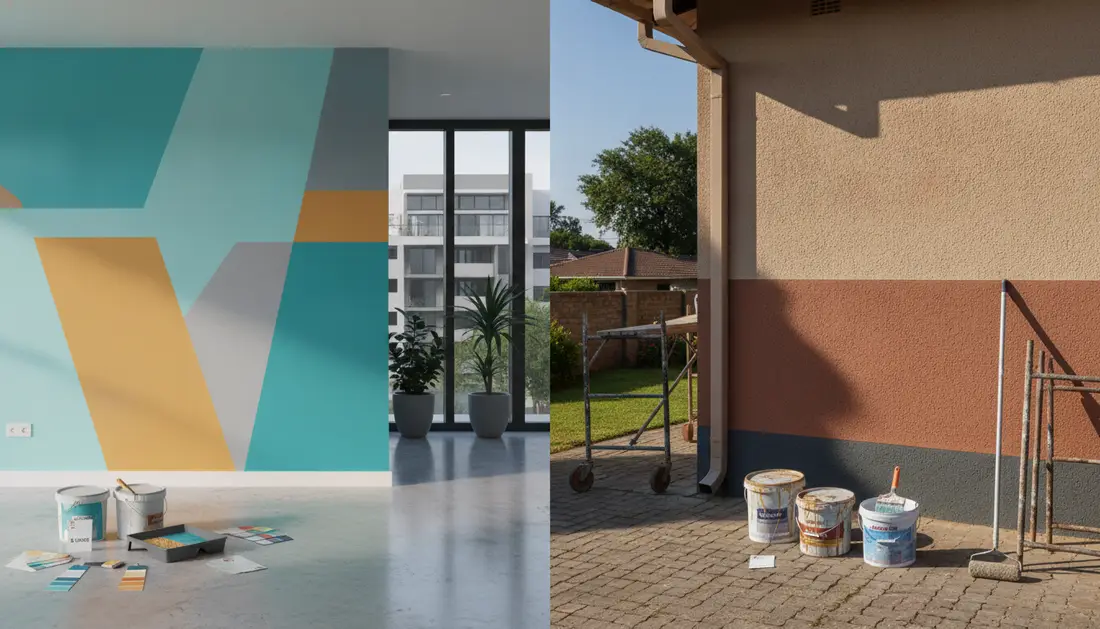
Quick ranges: interior surfaces typically run R60–R120/m², exterior surfaces R45–R100/m², and boundary surfaces R40–R100/m² — see boundary wall painting pricing for those.
| Area | Typical range (R) | Notes |
|---|---|---|
| Interior | R60–R120/m² | Lower exposure; focus on finish quality and coats |
| Exterior | R45–R100/m² | Requires weather‑resistant paints and heavier prep |
| Boundary | R40–R100/m² | Simple surfaces may be cheaper; access may raise labour |
Important: exterior work often costs more overall — exterior painting rates per m² breaks it down — because of specialised paints and extra surface repairs. That raises both material use and labour charges.
Project complexity — colour changes, number of coats or high finishes — will directly influence final labour costs and material use.
Ask before you sign: whether painters charge per hour or per area, the expected number of coats, the paint brand, and any access extras. Clear scope makes quote comparisons easier and fairer.
“Compare rates by area, confirm surface prep and coats in writing, and request multiple quotes for the best value.”
Decision Strip for Assessing Your Painting Requirements
Before you request quotes, answer four key questions that shape labour and material needs.
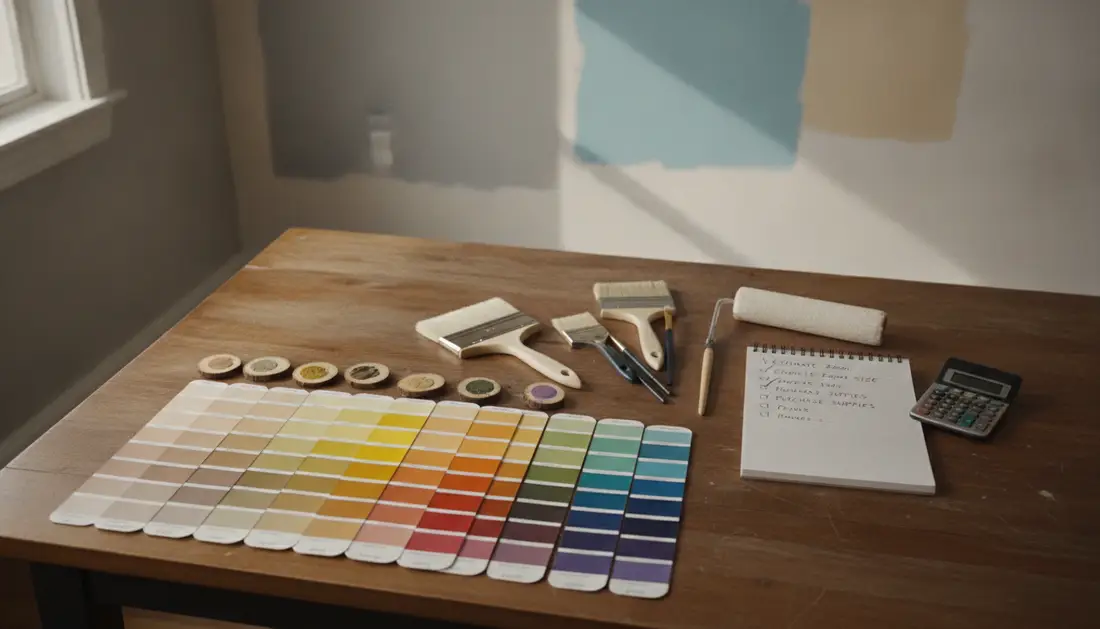
1. Interior or exterior? Tell contractors whether the surface is inside your home — see interior wall painting pricing — or outdoors. That determines the type of paint and the weather‑resistant products needed.
2. Current condition: Is the surface smooth, cracked or flaking? A poor surface needs more preparation and filler, which raises labour and materials.
3. Height and access: Ground level rooms need ladders. Tall façades demand scaffolding or specialised access, which affects the final price and timeline.
4. Colour change or like‑for‑like: Switching to a darker or very different colour often needs extra coats and primers; work out how much paint you need once you decide. Matching the same colour usually needs less paint.
Answering these four points helps painters give a fair, accurate quote. It also reduces surprises on site and lets you compare proposals on equal terms.
“Clear answers on scope, surface and access lead to better quotes and a higher quality finish.”
Budgeting for Specific Areas and Architectural Features
Accounting for room size and roof type early will tighten your project budget and timeline.
Room Dimensions and Ceiling Height
Taller rooms and higher ceilings use more paint and take longer for painters to finish. That raises both material and labour estimates.
Measure wall height and length to calculate area. Include trims, doors and windows when you ask for a quote.
Roof Painting Considerations
Roof material changes the price a lot: corrugated iron is generally cheaper than tiles, and asbestos needs specialist handling.
| Surface | Typical range (R) | Notes |
|---|---|---|
| Corrugated iron roof | R45–R70/m² | Lower prep; quick to clean and coat |
| Tiled roof | R70–R100/m² | More cleaning and sealing; longer labour |
| Asbestos roof | R100–R130/m² | Special safety procedures and permits |
| Architectural features | R200–R500 each | Cornices, trims and mouldings need hand finishes |
Practical tip: Always confirm that quotes include surface preparation for specific areas. Proper prep protects the finish and extends the life of paints.
“Factor height, roof type and extra finishes into your budget to avoid surprise extras.”
The Importance of Professional Surface Preparation
A quality finish starts long before the first coat: it begins with cleaning, patching and priming. Proper preparation ensures your chosen paints adhere and perform as expected.
Essential Prep Work
Cleaning: Remove dirt, grease and loose material so primers bond correctly. This step prevents early peeling on exterior and interior surfaces.
Patching and sanding: Fill cracks, remove flaky areas and sand for a smooth base. Poor condition leads to blistering and a shorter lifespan for the finish.
Priming: Use the right primer for the type of substrate and the paint system. A correct primer reduces the number of topcoats and can lower overall painting costs over time.
- Why it matters: Prep time is a major labour factor and influences the final price you pay for the project.
- Risk of skipping: Neglecting prep often causes rework and higher long‑term costs for your home.
| Prep step | What it fixes | Impact on finish |
|---|---|---|
| Cleaning | Grease, dirt, mould | Improves adhesion; reduces peeling |
| Patching & sanding | Cracks, flaking paint | Smoother look; longer lifespan |
| Priming | Porous or repaired surfaces | Fewer coats; better coverage |
“Invest in prep to protect your finishes and reduce future maintenance.”
Navigating Quotes and Contractor Selection
A detailed, itemised quote lets you see how labour, materials and preparation shape the final price. Use our pricing guidance to request up to three quotes so you can compare value, not just the bottom line.
Ask contractors to break down labour costs and material costs, list paint brands, and state the number of coats and preparation tasks. Reputable contractors commonly supply clear, itemised quotes.
Be aware that call‑out fees vary. Typical fees range from R350 to R750, though some contractors fold this into the overall estimate. Watch for quotes that are far lower than others; they may omit essential prep or use lower quality paints.
- Request up to 3 quotes to compare scope, warranties and timing.
- Confirm in writing labour, material, access and any call‑out fees.
- Check warranties and the written scope before any work starts.
“Compare multiple, itemised quotes to understand how different painters calculate their pricing and to secure the best value for your project.”
| Item | What to confirm | Typical note |
|---|---|---|
| Labour | Hours, rate per hour, total labour costs | May vary based on area, access and size of job |
| Materials | Paint brand, number of coats, primers | Higher quality paints often reduce future repainting |
| Extras & fees | Call‑out fees, scaffolding, waste disposal | Common call‑out range R350–R750; include in writing |
Final Steps to Securing Your Painting Project
Strong, Before you sign, get a written contract that lists the scope, the paint brand and the timeline. This protects you and sets clear expectations for labour costs and quality.
Check warranties: a professionally painted home in South Africa should last about 5–7 years outside and 3–5 years inside. Always ask for written warranty details; verbal promises are not binding.
Practical checklist: confirm surface preparation, the number of coats, and who handles access or scaffolding. Visit paintingpricepersquaremeter.co.za to compare pricing and request up to three quotes from professional painters.
With clear contracts, verified quotes and quality materials, your paint project will meet your budget and protect your home for years.
FAQ
What range should I expect for wall painting cost per m² in South Africa?
Pricing varies by region and project scope. Expect a broad range depending on paint brand and finish, surface condition and required preparation, and labour rates. Typical budgets often quote from a basic rate up to premium finishes. Always get written quotes and compare paint type, number of coats and labour inclusions before you decide.
How does paint quality affect the overall price?
Higher-quality paints (longer durability, better coverage, washability) raise material costs but reduce maintenance and recoat frequency. Mid-range brands are cost-effective for rental units; premium trade paints suit long-term homeowners. Confirm brand and litre coverage in the quote so you can compare like for like.
Why does surface condition change the estimate?
Poor surfaces need more prep: filling, sanding, priming or fibre-glassing for hairline cracks. That adds labour hours and materials. Smooth, sound plaster or previously well-coated surfaces need less work and lower labour charges.
How are labour and access factored into pricing?
Labour is a major part of the bill. Difficult access (scaffolding, high ceilings, steep roofs) or complex features increases hourly effort. Contractors may charge a site-access premium or include scaffold hire as a separate line item.
What’s the difference in pricing for interior versus exterior work?
Exterior jobs often cost more due to weather-grade paints, extra coats, surface sealing, and access equipment. Interiors may require more accurate cutting-in and protection of finishes inside the home, but generally need less robust materials than exteriors.
How should I assess my project needs before asking for quotes?
Use a simple decision checklist: room sizes, number of doors and windows, ceiling height, required finish, any repairs, and whether you need colour consultation. Having measurements and photos speeds up accurate quoting.
Do ceiling height and room dimensions change estimates?
Yes. High ceilings and large rooms increase paint quantity and safety requirements. More square metres equals more labour time. Make sure quotes state the area covered and number of coats so you can compare properly.
Are roof and eaves repainting treated differently?
Roof coatings and metalwork require specialised products and access equipment. This typically attracts a separate price line and possibly a longer cure time. Check whether rust treatment or primer is included for metal roofs.
What essential surface preparation should be included in a professional quote?
A thorough quote covers cleaning, sanding, filling holes and cracks, priming bare surfaces, and removing loose paint. It should list materials, number of coats and exclusions like structural repairs or damp remediation.
How many quotes should I request and what should I compare?
Request up to three independent quotes, or up to five where available on the platform. Compare total price, paint brands and finishes, number of coats, prep work, timeline, warranty and payment terms. Verify contractor credentials and references.
What payment and warranty terms are typical?
Contractors often ask for a deposit with balance on completion. Typical warranties cover workmanship for a limited period and may vary by supplier. Ensure warranty details and post-completion touch-ups are written into the contract.
How do I reduce surprises on final invoice day?
Agree scope, surfaces, number of coats, paint brand and access requirements in writing. Ask that extras (hidden repairs, additional coats) are quoted before work proceeds. Keep a simple snag list for final inspection.
Can I save by supplying my own paint?
Supplying paint can lower material marks-up, but confirm that the contractor accepts client-supplied products and that those products meet warranty and compatibility standards. Contractors may decline liability for supplied goods.
How do regional labour rates affect quotes—for example Cape Town?
Major centres like Cape Town may have higher labour and access costs than smaller towns. Expect regional variation; always compare local quotes rather than national averages for accuracy.
What should I check about the contractor before accepting a quote?
Confirm business registration, public liability insurance, references or portfolio, and written terms. Check that the quote states materials, surface prep, number of coats, site access and a clear start and finish date.
Related painting cost guides
Ready to compare?