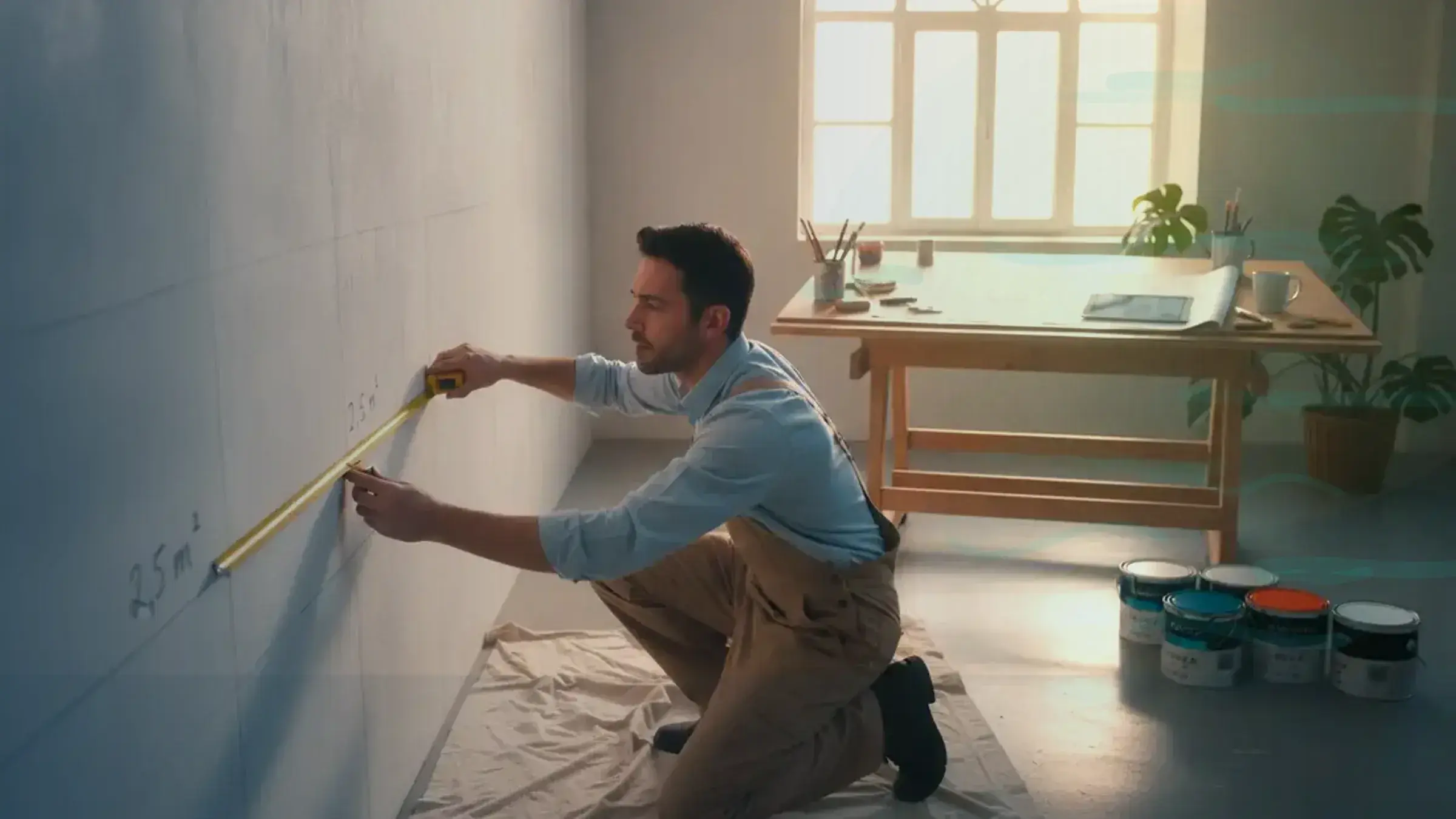
How Painters Measure and Quote Square Metres
Wall maths made honest – what gets measured, what gets deducted, and why two quotes for the same room differ
Quick answer
How painters measure and quote square metres in South Africa – what gets measured, door and window deduction rules, and why two quotes can differ.
10 min read
On this page
How do painters measure square metres in South Africa to give the best price and value for your next home project? Visit paintingpricepersquaremeter.co.za for clear pricing context and start with a realistic budget.
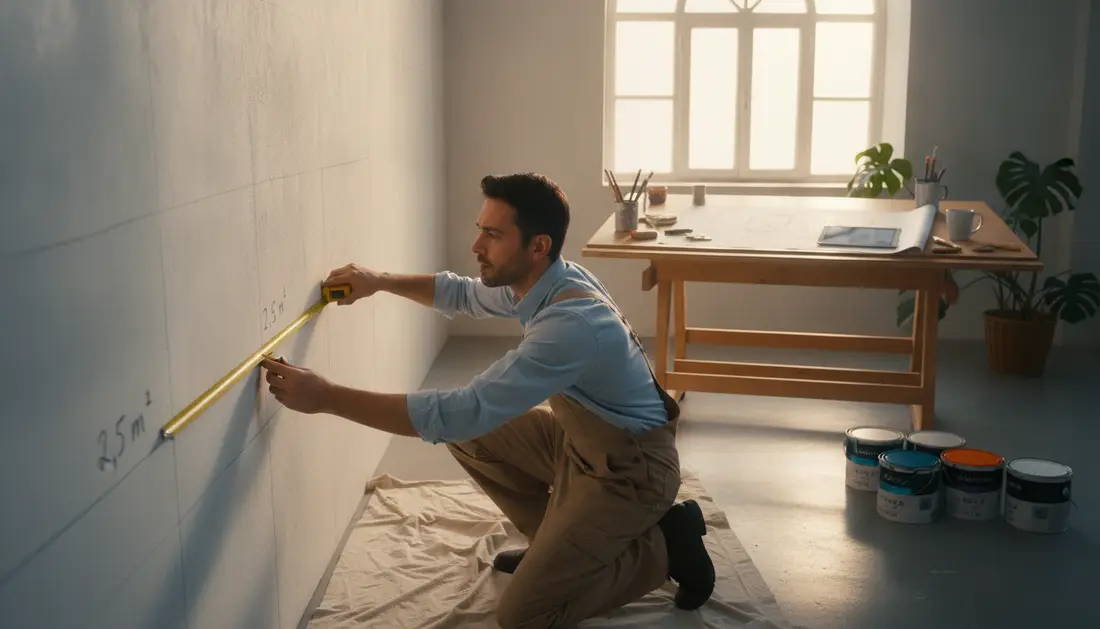
This short guide explains the basics of calculating surface area, choosing paint type and planning prep work. manufacturer technical guides supplies coverage rates and technical notes for both interior and exterior jobs.
Knowing how much paint you need avoids waste and unexpected cost. Contractors use product data sheets and labels to plan coverage and labour. Our platform shares pricing rules and common cost factors so you can compare quotes with confidence.
Key questions to ask include paint type, surface condition, prep work and access. Use those answers to check quotes and confirm the final price in writing before work starts.
Key takeaways: Understand coverage rates, check product data sheets, plan prep and ask clear pricing questions to avoid surprises.
Why Accurate Measurements Define Your Project Success
Start your home project with exact room figures to avoid cost surprises; our painting guides walk through measuring. Accurate figures cut waste and keep timelines steady.
Before you buy emulsion paint, record each wall and ceiling dimension so you order enough for the whole job.
Small errors often cause batch differences later; our paint calculator helps you order once. That can lead to visible shade mismatches if extra tins are needed.
- Accurate measurements help you order the correct materials from the start.
- Correct room totals stop the frustration of running short mid-job.
- Reliable figures keep your project budget realistic for independent contractors.
| Benefit | Impact | Quick action |
|---|---|---|
| Less waste | Lower material cost | Record exact room sizes |
| Fewer delays | Faster completion | Confirm quantities before ordering |
| Consistent finish | Avoid batch shade issues | Buy from same batch where possible |

Record dimensions for every room to create a reliable baseline. Use those figures when you compare quotes against painting cost per square metre and finalise the project scope.
Understanding How Do Painters Measure Square Metres
Simple metre-by-metre counts give you the facts behind any painting quote.
The metric system advantage
Contractors use metres to keep quotes clear and consistent. Record room length and width to get a start figure for floor area. Then measure height to convert floor totals into wall surface.

Standard coverage rates
Most product labels list coverage as 10m² per litre. That means roughly 100ml per m² for one coat.
- Measure each wall’s height and width, then add totals for areas.
- Subtract windows and doors to avoid over-ordering paint.
- Professionals plan for two coats as the industry standard for a true finish.
- Example: a 4m by 3m room gives a 12m² floor area as a starting point.
Use our guide to check contractor figures during site assessment. Every clear step helps confirm the exact amount paint needed for your home project.
Essential Tools for Precise Surface Calculations
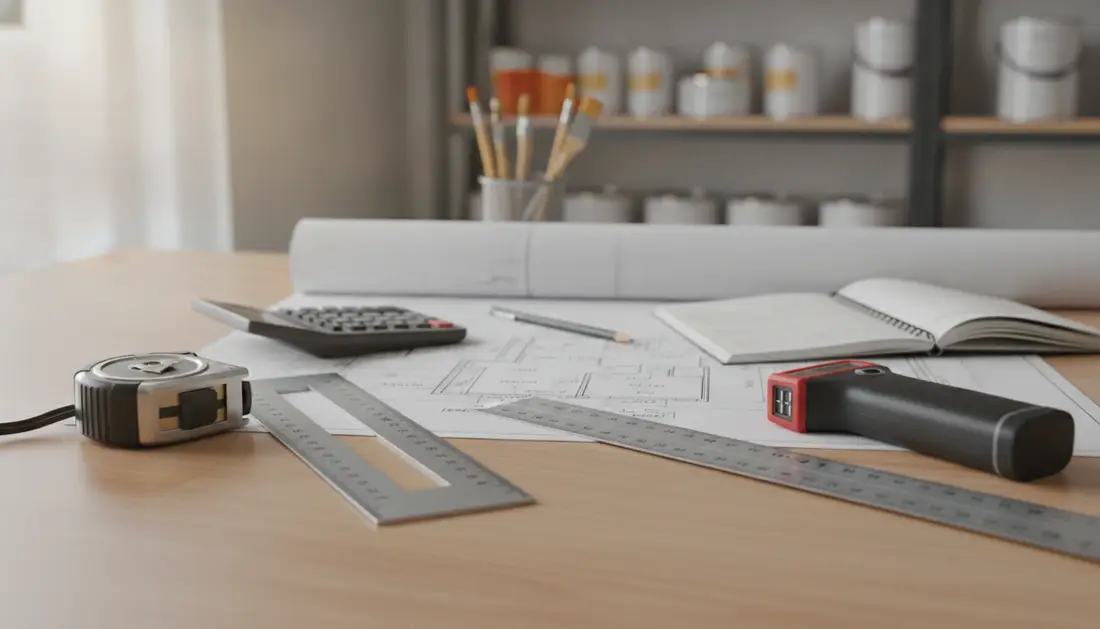
The right kit keeps your project on budget and on time. Use quality tools to capture wall and ceiling figures accurately before you buy paint.
Professional basics include a high-quality measuring tape for every room. Record each wall and door opening so you buy the correct volume of paint and avoid waste.
A laser measure is vital for high walls and awkward spaces where a tape cannot reach. It gives fast, repeatable readings for large rooms and double-height areas.
For exterior work and large floors, a measuring wheel speeds up site checks. It is especially useful for yards, driveways and warehouses when you need surface totals quickly.
- Check figures yourself if a quote seems high — our pricing guidance recommends verifying contractor totals.
- Use these tools to prevent ordering excess paint and to keep your project timeline steady.
Calculating Walls and Ceilings for Optimal Paint Coverage
A clear calculation of each wall and the ceiling saves time and prevents extra trips for more product. Use simple length and height readings to build totals you can trust.
Wall Area Formulas
Multiply width by height for each wall to get the area. For a wall 5m wide and 2.4m high the total is 12m².
Subtracting Openings
Subtract doors and windows from each wall area so you do not over-order paint. Count each opening and remove its area from the wall total.
Ceiling Considerations
Measure length and width to get the ceiling surface. If a ceiling is vaulted or irregular, follow the slope and split the area into simpler shapes.
- Standard projects require two coats, so double the total surface to estimate the final amount paint.
- For kitchens and interior rooms include ceilings in your totals.
- Every step ensures your home project has enough paint and a fair contractor quote.
Managing Complexities Like Gables and Irregular Spaces
Complex rooflines, gables and odd layouts need a clear plan before you order paint. Break each unusual section into simple shapes and total each part to get a reliable area figure.
Handling Textured Surfaces
Divide the space into rectangles and triangles for gables. Measure the length and width of each segment, then add them together. For triangular gables, multiply base by height and halve the result. Use metres consistently to keep quotes comparable.
Textured walls such as rough masonry or bare plaster absorb more product. That increases required coverage per square metre and raises material cost.
- Irregular spaces like alcoves need separate width and length readings for each section.
- Textured surfaces demand extra paint because the rough finish soaks up more product than a smooth wall.
- Ceilings with exposed beams add surface area; account for beam depth in totals.
- Complex room layouts call for careful, section-by-section sums to avoid shortfalls.
- Our pricing guidance notes contractors often add a margin for these complexities when quoting.
Factors Influencing Final Quote Divergences
Final quotes vary because site details change the scope of your project. Condition of the surface, access to high ceilings and the chosen paint all affect cost.
A common allowance of 5–10% is added for cutting waste, touch-ups and extra absorption on textured areas.
- Condition of walls or a damaged wall raises prep time and labour.
- Number of coats and paint type affect material cost and coverage.
- Access to high ceilings or exterior areas increases labour and equipment charges.
- Subtracting the area of doors and windows helps, but intricate masking adds time.
- Kitchens need degreasing and more prep, which shows in the final price.
Before you accept a quote, confirm in writing what is included. Ask for paint brand, coverage per litre, the number of coats and any warranty. Compare at least three quotes using our guide to judge fair pricing and the true paint need for your areas.
Securing Professional Estimates via Our Platform
Give a clear brief so contractors can offer fair, like-for-like quotes.
Use our platform to connect with independent contractors. Visit paintingpricepersquaremeter.co.za to start a request and meet independent professionals in your area.
Our quote request process helps you receive up to three painting estimates for the same project. Provide precise information about surfaces and access so contractors can reply with accurate figures.
Independent contractors handle site visits, final quotes and the actual work. We are here to help you compare costs and choose the best value for your property.
FAQ
What is the simplest way to work out area for a room before requesting quotes?
Measure the length and height of each wall in metres, multiply length × height to get the wall area, then add ceiling area (length × width). Subtract areas for doors and windows. Sum all wall and ceiling areas to estimate total paintable surface in m². Provide these figures when requesting up to three quotes so contractors can give realistic prices.
Which coverage rates should I use to estimate paint quantity?
Use the paint manufacturer’s stated coverage, typically 10–14 m² per litre for interior matt and 12–16 m² per litre for premium satin. Coverage varies with paint type, colour change and surface texture. Allow extra for two coats and for priming porous surfaces. Ask the contractor to confirm the exact product and litres per m² in the written quote.
How do I account for doors, windows and cupboards in the calculation?
Measure each opening (height × width) and subtract that area from the total wall area. For fitted cupboards or built-in wardrobes, measure the visible face and either include it as a plain wall or list as a separate item for special finishings. Clarify what the contractor will paint before accepting a quote.
Should I include prep work and how does it affect cost?
Yes. Surface preparation — washing, filling cracks, sanding, removing flaking paint, priming — can add 10–40% to the labour and material cost depending on condition. Poor plaster, damp or previous lead-based paint require extra time and products. Ask for a line-item breakdown for prep in each estimate.
How are ceilings calculated and priced differently to walls?
Ceilings are calculated as length × width. They often need different paint (ceiling paint) and extra access equipment. Labour cost rises if ceilings are high or require scaffolding. Confirm whether the quote includes cutting‑in at wall junctions and one or two coats.
How do contractors handle textured or rough surfaces?
Textured surfaces absorb more paint and take longer to cover. Contractors usually apply a higher litres‑per‑m² allowance and may charge more labour. They should inspect and specify whether a sealer or specialised product is required and include that in the written quote.
What about gables, sloped ceilings and irregular shapes?
Break complex shapes into simple rectangles and triangles. Calculate triangles as base × height ÷ 2. Add each component to the total surface area. For tricky access or intricate detail, expect higher labour rates; contractors will usually visit the site before finalising the quote.
How many coats should I budget for and how does that change paint need?
Standard interior work is two coats plus one coat of primer on fresh plaster or drastic colour changes. Two coats will roughly double the paint required compared with a single coat. Contractors should state number of coats in the quote and list litres per coat based on product coverage.
What other factors make quotes differ between contractors?
Main differences are surface condition, paint brand and quality, number of coats, prep extent, labour rates, access requirements (scaffolding, ladders), site protection, waste removal and warranty terms. Always compare written quotes that specify these items rather than just a per‑m² figure.
Can I estimate cost per m² for budgeting purposes in South Africa?
Yes. For rough budgeting, interior wall painting with standard prep and two coats of mid‑range paint typically ranges depending on location, labour and product choice. Request up to three independent quotes via our platform to get accurate, local pricing and confirm what’s included in writing.
What should I confirm in writing before the painters begin?
Confirm the total m² measured, paint brand and colour codes, number of coats, surface preparation, access arrangements, start and completion dates, payment terms, cleanup, and warranty period. This prevents misunderstandings and makes comparing multiple quotes straightforward.
How much paint will I need for a kitchen example (3.0m × 3.5m, 2.4m high)?
Calculate walls: two walls at 3.0m × 2.4m = 14.4 m², two walls at 3.5m × 2.4m = 16.8 m²; total wall area 31.2 m². Ceiling: 3.0m × 3.5m = 10.5 m². Subtract openings (e.g. door 2.1 × 0.9 = 1.89 m²; window 1.2 × 1.0 = 1.2 m²). Net area ≈ 38.6 m². Using 12 m²/L coverage and two coats requires about 6.5 litres; round up and allow an extra litre for touch‑ups and absorption. Contractors often add primer and may quote slightly more.
Do you recommend specific paint brands for South African homes?
Reputable local and international brands include reputable paint brands. Each offers products for interiors, ceilings and primers. Discuss durability, scrub ratings and sheen with your contractor, and confirm brand and product names in the written quote.
How can I get professional estimates through this platform?
Submit your property details, measurements and photos. You may request up to three quotes, or up to five where available, from independent contractors. Contractors handle site visits, final quotes and warranties. Compare the written quotes and confirm the scope before accepting an offer.
Related painting cost guides
Ready to compare?