

Do Painters Charge Per Square Metre or Per Day?
When m² rates make sense, when day rates win, and how painters decide which to quote
Quick answer
Do painters charge per square metre or per day in South Africa? When each pricing model gets used, how painters decide, and which suits your job.
13 min read
On this page
Do painters charge per square metre or per day in South Africa and what value should you expect for your home?
Quick answer: pricing can follow area-based rates or daily rates, but the best choice depends on your project size, surface condition and access.
Our platform, paintingpricepersquaremeter.co.za, helps you compare realistic quotes and find reliable local professionals.

Reputation and experience shape the final quote you receive. That makes it essential to check references and confirm written terms before work starts.
We show how to weigh area-based pricing against time-based rates so you can protect your budget and get quality paint results for your home.
Understanding How Professional Painters Calculate Costs
Estimating a painting job requires looking beyond surface area to real cost drivers. Professional painters balance direct expenses with business overheads to reach a fair price.
Key cost factors include labour, materials, access and the level of experience needed to achieve a high quality finish. Labour often dominates the final bill.

- Labour typically makes up about 85% of a job’s total costs, so time on site is critical.
- Contractors assess the type of surface, prep work and any repairs before quoting.
- Small businesses commonly target a 30% profit margin to stay sustainable while offering reliable services.
Overhead items such as insurance, tools and marketing are folded into the final price. Location and contractor experience also cause variation between quotes in the same area.
Tip: Always ask for written terms, warranties and a clear scope of work; helpful painting guides cover what to check. Focusing on total value will help you avoid low-cost work that risks poor quality.
Do Painters Charge Per Square Metre or Per Day?
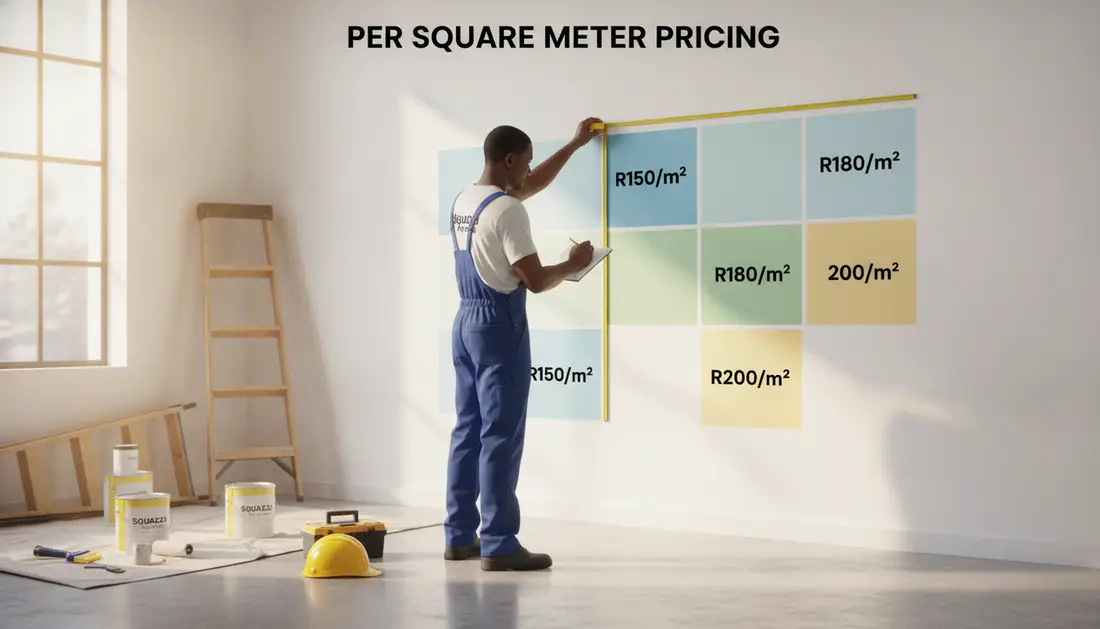
Choosing a billing method starts with the project’s scale, access and surface condition. For larger interior jobs in South Africa an area-based rate often gives clearer total costs, set by per-square-metre painting rates. Small, complex tasks can suit time-based billing when unknown repairs or awkward access will affect how long the work takes.
The Logic of Day Rates
Day rates are common for small rooms, patch repairs and short jobs where time is the main unknown; what painters charge per day sets the figures. Contractors set an hourly or daily fee to cover labour and onsite risks.
- Use day rates when surface condition is uncertain.
- Ask whether paint and supplies are included in the daily price.
- Confirm expected hours and a clear finish standard in writing.
Square Metre Pricing Explained
Area-based pricing gives predictable figures for whole-house work. For example, a 90 m² interior project typically ranges from R80,000 to R100,000.
- Many professionals prefer area quotes for straightforward interior jobs.
- Exterior work is costlier; a 185 m² paintable house can be about R130,000 depending on height and complexity.
- Always request a breakdown so materials, prep and access are itemised.
The Impact of Surface Preparation on Your Final Quote
Surface prep sets the foundation for both finish quality and final pricing on any painting project. A honest inspection of walls and trim shows what work is needed before any paint goes on.
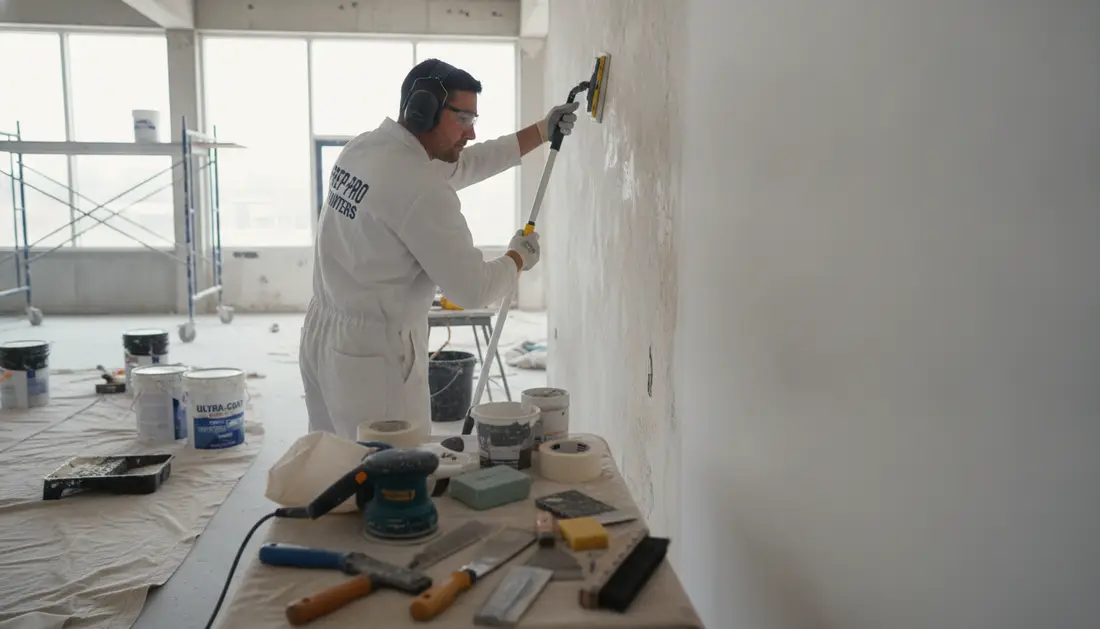
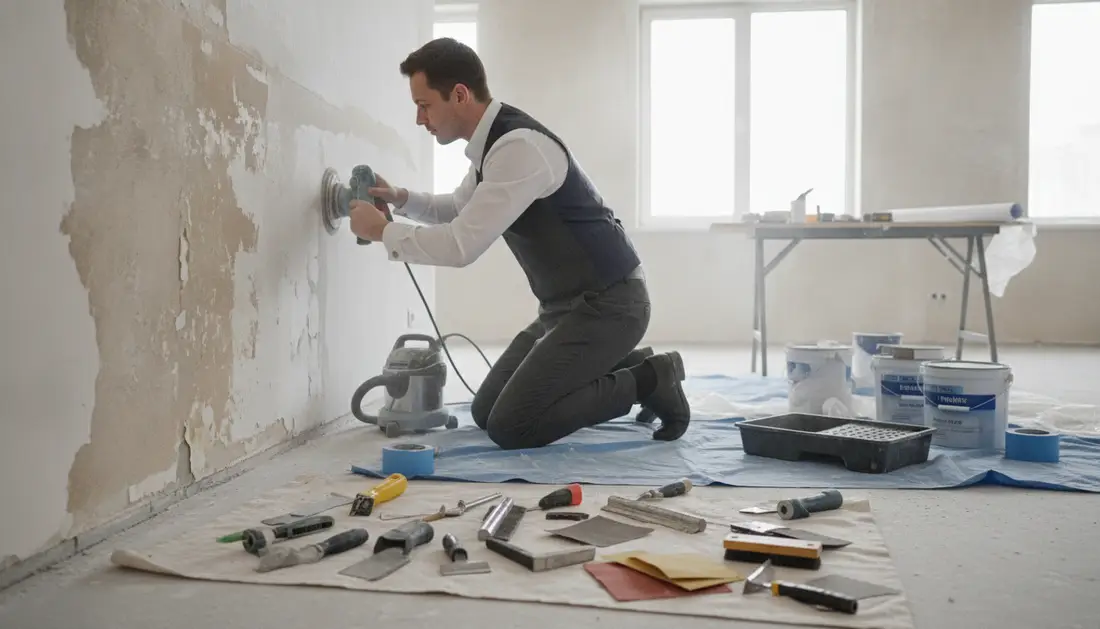
Proper preparation — sanding, washing and scraping — prevents the new coat from peeling and extends the life of the finish. If your home has water stains, mould or damaged drywall, expect higher labour and material costs.
Common Surface Repairs and Their Costs
- Patching holes and fixing drywall: adds labour time and lifts the overall cost.
- Smoothing textured or uneven surfaces: needs extra materials and coats.
- High walls and tall houses: require safety gear and scaffolding, which affect the price per square metre.
- Multiple coats over dark colours: increase paint use and time on site.
Tip: Discuss the full scope of repairs with your painter before work starts and get a written breakdown of prep, materials and labour. Investing in thorough preparation now saves money later by avoiding early touch-ups or repainting.
Why Regional Factors Influence Labour Rates
Local economic conditions and living costs shape the hourly rates you will see for painting work. In higher-cost urban areas, labour prices rise because wages, rent and business expenses are greater.
Seasonal demand also shifts prices. Exterior painting is limited in wet or cold months, which reduces contractor availability and lifts costs during peak seasons.
Supply and demand matter. A shortage of skilled tradespeople in some towns pushes up the cost of labour. In contrast, rural areas with many providers may offer more competitive prices.
- Compare local quotes: get multiple estimates to see realistic price ranges for your location.
- Check experience: confirm the painter knows regional challenges like humidity or intense sun.
- Ask about scheduling: off-season work can lower costs if conditions allow.
Understanding these regional factors helps you set a realistic budget for interior and exterior jobs. Always request a written breakdown that separates labour, materials and other costs so you know what you are paying for.
Comparing Residential and Commercial Painting Requirements
When you compare house work with business jobs, equipment, timing and safety rules change the maths.
Residential Project Nuances
Residential painting focuses on detail and finish. Home projects often involve trim, cabinetry and careful colour matching for walls and ceilings.
Smaller room jobs let a painter spend more time on prep and neat edges. That raises the quality but can lift the cost slightly.
Tip: Define finishes, the number of coats and any repairs before you request a quote.
Commercial Scale and Complexity
Commercial projects demand scale and logistics. Office blocks and retail spaces need scaffolding, specialised materials and teams experienced with large areas.
Work is often scheduled outside business hours to avoid disruption. This affects time, staffing and the final price per square metre.
- Costs rise with height, access and industrial coatings like epoxy.
- Contractors factor in safety, permits and faster turnaround.
- Both job types benefit from solid preparation — it protects your finish and reduces long-term costs.
“Define the project clearly and get a written scope to compare accurate quotes.”
Essential Considerations for Exterior Painting Projects
Weather, UV exposure and building age make outside painting a more complex task. Exterior work needs paints and coatings chosen for durability and protection against sun, rain and wind.
Preparation is crucial. A professional will usually recommend pressure washing, scraping loose material and treating mould or staining before any new coats go on.
Expect higher costs than for interior walls. Labour is heavier because of access, extra prep and safety gear. Scaffolding, harnesses and height work raise the price and extend timelines.
- Confirm the exact brand and type of exterior paint the contractor plans to use.
- Ask about weather windows and allow flexible scheduling to avoid poor curing conditions.
- Verify contractor insurance, especially for work at height.
- Investing in quality paint gives long-term protection and improved kerb appeal.
| Item | Typical impact on cost | Why it matters |
|---|---|---|
| Surface prep (washing & scraping) | Moderate–High | Ensures adhesion and extends paint life |
| Safety equipment & access | High | Required for safe, compliant work at height |
| Exterior-grade paint | Variable (mid–high) | UV and weather resistance; longer warranties |
| Weather delays | Low–Moderate | Can lengthen project timelines; affects labour costs |
Tip: Get a written scope that names paint brands, surface prep steps, safety measures and a realistic schedule. That makes quotes easier to compare and protects your property investment.
Evaluating the Quality of Materials and Paint Types
Choosing the right materials affects how long a finish lasts and how much future repainting will cost. Good products cover better, resist fading and need fewer coats than low-grade alternatives.
A single litre normally covers about 8–10 m², but porous surfaces or heavy textures reduce this yield. That changes the materials required and the overall cost of the painting work.
The Difference Between Paint Finishes
Finish choice matters for durability and appearance. Matte hides flaws but suits low-traffic walls. Satin balances sheen and cleanability for rooms. Semi-gloss or gloss give durability for trim and wet areas, but they show brush marks and cost more.
- Quality paints often cost more up front but lower long-term costs by lasting longer.
- Use the correct paint type for drywall, wood or metal to avoid failures.
- Confirm the number of coats in the written quote to ensure full coverage.
- Ask your contractor about trade discounts on premium brands.
| Finish | Typical cost impact | Best use |
|---|---|---|
| Matt | Low–Medium | Ceilings and low-traffic walls |
| Satin | Medium | Living rooms, bedrooms, moderate-traffic areas |
| Semi-gloss / Gloss | Medium–High | Trim, kitchens, bathrooms; high durability |
How to Assess the Scope of Your Painting Job
Start by measuring every wall, ceiling and trim run. Note room heights and wall lengths so contractors can give a precise estimate.
Include all surfaces: walls, ceilings, skirtings, doors and cabinetry. For an average 140 m² house you will typically need about 35 litres of paint for a standard two-coat interior project.
Consider repairs. Mark any drywall or ceiling damage, mould, or stains that require repair before painting. These tasks add time and materials to the job.
- Measure and list each room and note access or height issues that affect safety gear and time.
- Tell contractors if trim, cabinets or doors are separate services — they increase the cost per square metre.
- Request a site visit so the painter can confirm surface condition and preparation needed.
“Accurate scope gives clearer quotes and helps avoid unexpected costs.”
Use our platform to define your project scope and compare contractors by location, experience and estimated materials. Clear scope sets expectations and protects your home’s finish quality.
Navigating the Quote Request Process
Start with a clear brief: measure each room and list surfaces, access issues and the paint type you prefer.
Using our quote request links you to up to three independent contractors who can bid for your painting project. About 45% of professional painters are self-employed, so many quotes come directly from small business owners.
When you review quotes, ask for a cost breakdown showing labour, materials and the number of coats. Confirm if the price covers interior or exterior work and which brands will be used.
- Interview each contractor about experience, insurance and written guarantees.
- Never pay more than one-third of the total project cost upfront; require a signed contract with dates and a payment schedule.
- Ask if bundling multiple jobs gives a discount and compare final prices, not just the lowest bid.
“Get three comparable quotes, a clear scope and a written contract before any work starts.”
Securing Value for Your Property Investment
A strong finish on every room depends on quality materials, careful prep and a contractor who values durability. , That approach reduces future repair work and improves resale appeal in South Africa.
Understand the cost per square when you compare quotes so you know what influences the final price. Factor in labour time, surface repairs and the right paint for an interior project.
Use our platform to compare realistic options and balance price against service level. Investing in skilled work and good products protects your home and can lift market value over time.
Thank you for using this guide to select the right professional for your next painting project.
FAQ
Do painters in South Africa usually price jobs by the day or by the area?
Local contractors use both approaches. Smaller interior rooms are often quoted by the day or hour when access, drying time and finishing matter. Larger projects — whole houses, apartment blocks or long walls — are commonly quoted on an area basis (m²) to reflect paint coverage and material use. Confirm whether labour, paint and prep are included.
What factors influence whether you’ll get a day rate or an area-based quote?
Factors include project size, number of coats required, surface condition, height and access, number of painters needed, and timeline. If extensive repairs, scaffolding or specialist coatings are needed, contractors often prefer a time-based or itemised quote to cover variability.
How does surface preparation affect the final quote?
Preparation can add significant cost. Repairing cracks, sanding, treating mould, replacing rotten timber or plaster and priming porous surfaces increase labour and materials. Quotes should list each prep task with an estimated cost so you can compare value.
What common surface repairs should I expect and what do they typically cost?
Expect patching hairline cracks, replastering sections, replacing skirtings, fixing damp patches and sanding rough surfaces. Costs vary widely: minor patching is relatively inexpensive; replastering or damp remediation is pricier. Ask contractors for line-item prices per repair type.
How do regional differences across South Africa affect labour rates?
Major centres like Cape Town, Johannesburg and Durban commonly have higher labour and material costs than smaller towns. Access, transport, local demand, and living costs influence rates. Always compare quotes from local contractors to avoid travel or logistics mark-ups.
Are residential and commercial painting jobs priced differently?
Yes. Residential work often involves more detail, colour matching and interior finishes and may be billed by room or day. Commercial projects usually require larger teams, project management, safety measures and may be quoted per m² with bulk paint discounts and stricter timelines.
What special considerations apply to exterior painting projects?
Exterior jobs need weather planning, appropriate exterior-grade paints, scaffolding or cherry pickers, timber and metal preparation, and possibly waterproofing. These add labour, equipment hire and longer project windows, so expect higher overall costs than interior work.
How do paint type and finish affect cost and durability?
Premium acrylics, elastomeric or specialised anti-fade and anti-mould paints cost more but last longer. Satin and eggshell finishes may hide imperfections better indoors; gloss is durable for trim. Contractors should specify brand and litre coverage in the quote so you can compare material quality.
How should I assess the true scope of a painting job before asking for quotes?
Walk each room or elevation with the contractor. Note surface defects, desired finish, number of coats, ceilings, trims and any joinery. Request a written scope that lists surfaces, prep tasks, paint brand/colour, number of coats, start and finish dates, and warranty terms.
What should I check when navigating the quote request process?
Ask for up to 3 written quotes (or up to 5 where available). Ensure each quote itemises labour, materials, prep work, access and equipment hire, warranty details and payment terms. Verify contractor registration, references and insurance before accepting a quote.
How can I get the best value for money without compromising quality?
Compare itemised quotes focusing on total cost, paint brand, number of coats, and included prep. Avoid lowest price traps; cheap materials or skipped prep increase lifetime cost. Choose a contractor who offers a clear warranty and provides references from similar projects.
Should paint, labour and materials be bundled or listed separately in the quote?
Request both: a total project price and a breakdown of labour, paint (brand and litres), primers, scaffolding or access equipment, and any repairs. Clear line items make it easier to compare quotes and spot exclusions that could raise the final bill.
Can high ceilings, rooflines or multi-storey buildings change how quotes are calculated?
Yes. Taller buildings need scaffolding, safety measures and more time, so contractors may quote on a time basis or include specific equipment hire charges. Confirm how access and working at height are priced and whether weather delays are covered.
How many coats should be included in a standard quote?
Standard interior jobs usually include two coats on walls (after priming if needed) and one or two on ceilings and trim depending on surface and paint type. Exterior work may require primer plus two topcoats. Ensure the quote specifies the number of coats per surface.
What guarantees or warranties should be included in a painting quote?
Look for a written warranty covering workmanship and paint failure for a specified period, typically 1–5 years depending on materials and scope. Warranties should state what is covered, exclusions (like water damage) and the process for rectification.
Related painting cost guides
Ready to compare?