
Paint Sheen and Finish Guide: Matt, Eggshell, Satin, or Gloss
Where each sheen belongs in a South African home – washability, touch-ups, and light play
Quick answer
Matt, eggshell, satin, sheen or gloss – where each paint finish belongs in a South African home, and how sheen changes washability and touch-ups.
12 min read
On this page
Which finish will truly lift your rooms and stand up to daily wear? That choice matters for every South African home. Paint ranges run a spectrum from flat to high gloss, yet the right decision depends on more than brand alone.
Our platform and paintingpricepersquaremeter.co.za help you weigh cost, durability and the look you want. Selecting the correct finish affects how light plays across walls, doors and trim. It also changes cleaning needs and long‑term performance.
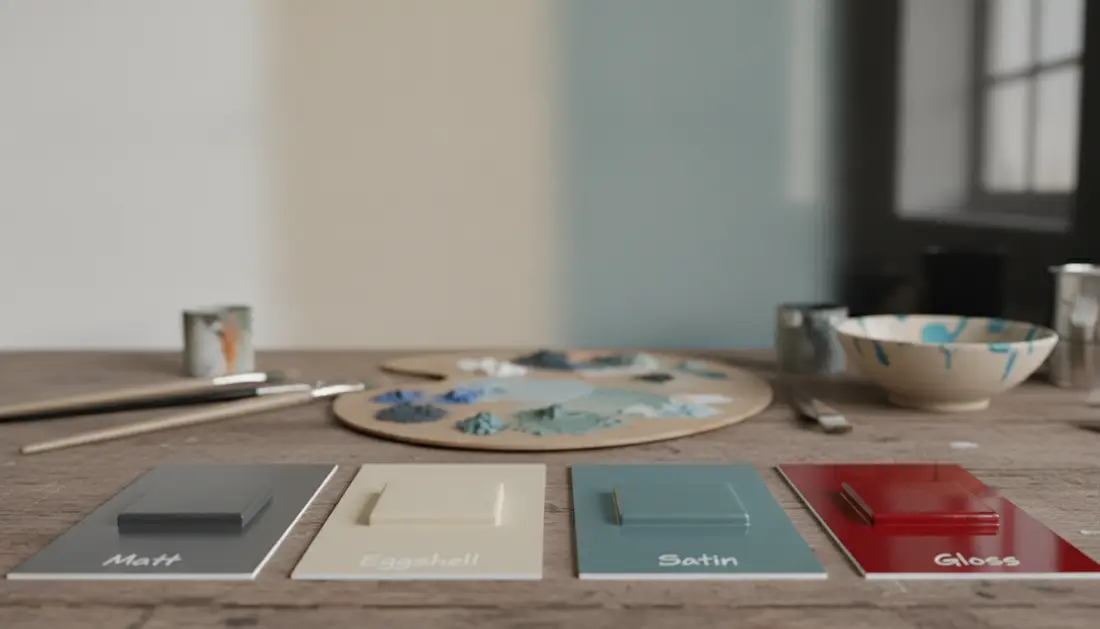
Read on to discover practical options — matte, eggshell, satin or high gloss — and how each choice suits your interior or exterior project.
Key takeaways:
- Match finish to use: low sheen for walls, higher sheen for trims and doors.
- Consider cost, maintenance and light when choosing a finish.
- Use pricing guidance to compare options before hiring contractors.
Understanding the Paint Sheen Guide for South African Homes
Know the sheen ladder before you choose. From flat ceilings to satin trim, each level changes how light and colour behave in a room. Local satin and eggshell products are common choices because they match familiar sheen levels used across South African homes, and the finish you pick shapes what paint and materials cost.
Defining the Sheen Spectrum
Flat paint, for example a flat waterborne ceiling paint, gives virtually zero reflection and hides surface imperfections well — see what paint to use on ceilings.
A matte finish, such as a premium interior matte paint, offers a smoother look and richer colour depth for interior rooms. It is a pro favourite for easy application and a soft feel on walls.
The Impact of Light Reflection
Higher levels of gloss increase durability but will highlight every minor flaw on a wall surface; our painting guides cover prep and finishes. Test your chosen finishes in different areas to see how natural and artificial light changes the final colour and texture.

- Match finish to use: low gloss for walls, higher gloss for skirtings and doors.
- Prep surfaces carefully to ensure consistent results.
- Test samples under different light before the full project.
| Level | Common SA product | Best for | Notes |
|---|---|---|---|
| Flat | a flat ceiling paint | Ceilings, imperfect surfaces | Zero reflection; excellent hide |
| Matte | a premium matte paint | Living rooms, bedrooms | Richer colour; smooth finish; pro favourite |
| Eggshell / Satin | Eggshell or satin enamel | Hallways, trim, kitchens | Balance of durability and subtle sheen |
| Gloss | High-gloss ranges | Doors, joinery | Very durable; shows imperfections |
The Relationship Between Gloss Levels and Durability
Higher gloss levels usually form a harder film that resists scuffs and frequent cleaning.
Gloss finish options deliver a mirror-like look and exceptional durability. They are easy to wipe and ideal for doors and trim where knocks and finger marks happen daily.
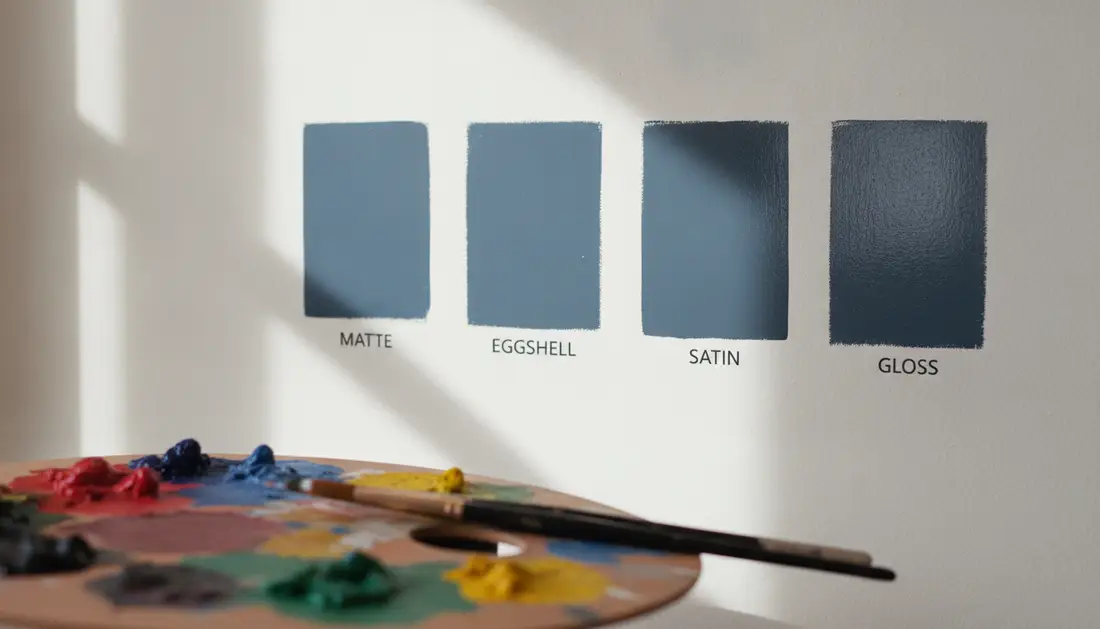
Mid-level pearl-sheen choices give a balanced look and strong wear resistance. Use these in busy interior areas where you want both elegance and practicality.
- Higher sheens generally improve resistance to stains and cleaning.
- Choose gloss finish for moisture-prone areas to add a protective barrier.
- Match level to room use: trims and doors benefit from the hardest surfaces.
| Gloss level | Example product | Best for | Key benefit |
|---|---|---|---|
| High gloss | Premium high-gloss enamel | Doors, trim, joinery | Maximum durability and washability |
| Pearl / medium | Pearl-sheen interior paint | Hallways, living areas, kitchens | Balance of elegance and toughness |
| Lower gloss | Matte and eggshell ranges | Bedrooms and low-traffic walls | Better at hiding surface flaws |
Assess each room for traffic, moisture and the look you want. The right level will extend the life of your surfaces and cut repaint frequency — a practical saving for South African homes.
Selecting the Ideal Finish for Interior Living Spaces
Choosing the right finish for busy living spaces affects both how rooms feel and how surfaces stand up to daily wear.
Balance elegance with function. For family areas, an eggshell satin approach gives a soft glow while standing up better than flat for everyday knocks and cleaning.
Satin is a good option where you want definition. It suits windows, shutters and interior doors and offers stronger stain resistance than eggshell.
Balancing Elegance and High Traffic
Use semi-gloss in kitchens and other high-traffic areas where wipeability and durability matter most.
Keep finishes consistent across connected spaces to maintain a cohesive design and simplify maintenance across walls, trim and doors.
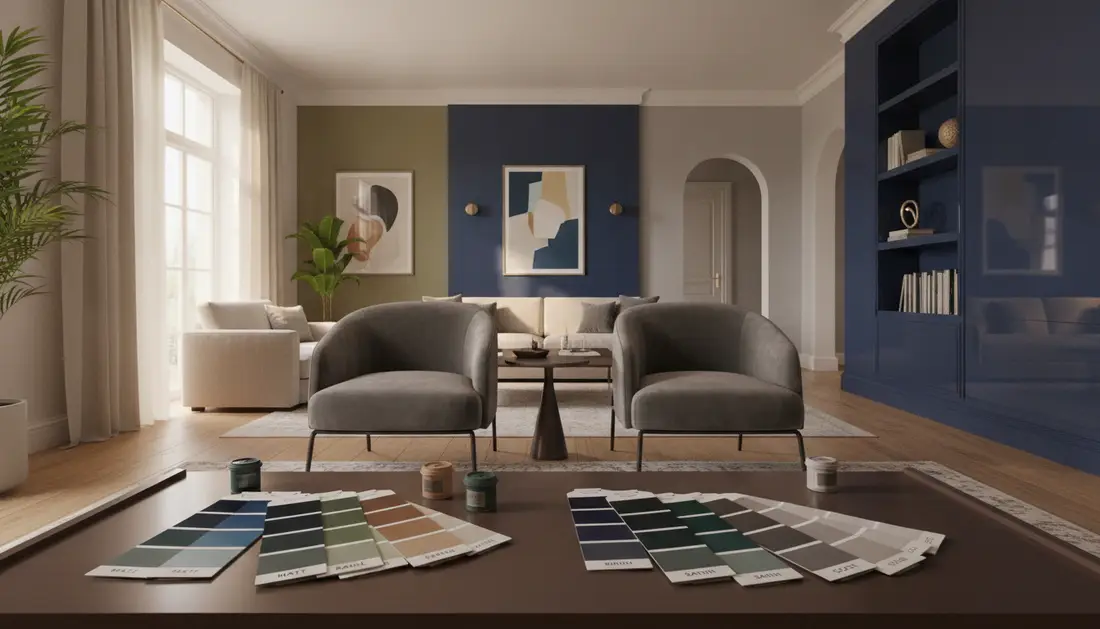
| Area | Suggested finish | Key benefit |
|---|---|---|
| Family room / hallways | Eggshell satin | Soft glow with improved durability |
| Windows, shutters, interior doors | Satin | Definition and stain resistance |
| Kitchen / utility | Semi-gloss | Best wipeability and durability |
Managing Surface Imperfections and Texture
How light hits a wall reveals defects fast — pick a finish that works with the surface, not against it. Your choice affects cost and the final look in South African homes. Surfaces in need of repair will usually require more prep and may raise labour charges.

Hiding Imperfections with Matte Options
Low‑reflective finishes like a true matte finish absorb light and soften blemishes. They add depth to colour and are forgiving on uneven walls.
Flat paint or matte is usually the best option for bedrooms and living rooms where a velvety look matters more than scrubbability.
The Challenge of Glossy Surfaces
Gloss finish walls reflect light and show texture clearly. Even small bumps or filler lines will become visible under direct light.
- Choose satin or semi‑gloss only if walls are smooth or fully prepped.
- For high‑traffic areas, weigh durability against how much the finish highlights imperfections.
- Confirm surface condition with your contractor; poor walls increase labour and total cost.
Considerations for Kitchens and Bathrooms
Kitchens and bathrooms demand finishes that shed moisture and stand up to daily cleaning.
Choose products made for interior wet areas. Aura Bath & Spa (532) is a matte product designed to resist mildew and withstand humid bathrooms. It gives a modern look while protecting walls from steam.
For cabinets and trim, Advance Interior Semi-Gloss (793) cures to a furniture-like surface. It is one of the best finish options for kitchen cupboards because it is wipeable and resists grease.
If you prefer a softer look, consider an eggshell satin on bathroom walls. That option keeps durability but reduces reflectivity compared with higher gloss choices.
- High-traffic areas such as kitchens need durable, washable finishes that tolerate cooking splashes.
- Ensure the product is formulated for interior use to avoid peeling from humidity.
- Combine proper ventilation with the right finish to extend longevity and prevent mildew.
| Area | Suggested finish | Key benefit |
|---|---|---|
| Bathroom walls | Aura Bath & Spa (matte) | Mildew resistance; low maintenance |
| Kitchen cabinets & trim | Advance Interior Semi-Gloss (793) | Durable, wipeable, furniture-like cure |
| Bathroom alternative | Eggshell satin | Softer look with necessary durability |
Exterior Painting and Environmental Factors
Choose finishes for outside walls that minimise glare while standing up to seasonal weather.
Sun, wind and rain work together to degrade coatings. Use products made for exteriors so the surface resists fading and chalking in South Africa’s climate.
Addressing Glare and Scrubbability
A satin finish on external walls gives a balanced look and limits harsh reflections. It offers durability without the showy glare of high gloss when direct light hits a wall.
For front doors, consider Aura Exterior in satin or soft gloss. That option delivers a rich look and a scrubbable surface for trims and doors that see frequent handling.
- Pick exterior-specific paints formulated to resist UV and moisture.
- Use higher sheen on trim and doors to add design definition and easier cleaning.
- The right finish also helps hide minor imperfections while keeping surfaces vibrant longer.
| Area | Suggested finish | Key benefit |
|---|---|---|
| Walls | Satin | Reduced glare; good durability |
| Doors & trim | Soft gloss / satin | Design lift; scrubbable surface |
| Exposed surfaces | Exterior-formulated paints | Fade and weather resistance |
Professional Assessment and Quote Comparison
An on-site review by an experienced crew turns rough estimates into realistic project numbers.
Factors Influencing Total Costs
A contractor will check surface condition, access and the level of prep work required. These items change labour time and material needs.
Key cost drivers:
- Surface repairs and sanding increase labour and material costs.
- High-quality paints or a high gloss or semi-gloss finish adds product expense.
- Hard-to-reach areas, scaffolding or specialised masking raise the quote.
The Importance of Written Warranties
Always ask for written warranties that list coverage and the period offered. A clear warranty protects you for durability issues and visible failures.
Confirm who is responsible for touch-ups and whether the contractor guarantees colour matching after curing.
How to Request Quotes
When you are ready to start your project, visit paintingpricepersquaremeter.co.za to request up to 3 painting quotes from independent contractors.
Compare each quote on scope, surface prep, product brand and the final finish option for rooms, trim and doors. Use our tips to evaluate value, not just the lowest price.
| Factor | Impact on cost | What to confirm in writing |
|---|---|---|
| Surface condition | Low–high | Scope of repairs and allowance |
| Access & scaffolding | Medium–high | Extra labour and safety costs |
| Paint type & finish level | Medium | Brand, colour, coverage and warranty |
Finalising Your Decorative Vision
Make the final choice that unifies colour, texture and function. A considered final choice for finish ties together colour, texture and practical wear across every room.
Remember that a soft matte finish can give a sophisticated look, while a small touch of gloss adds useful light to darker spaces. Think about how natural light shifts in each room and how it will alter the wall colour and surface look through the day.
Use these practical tips: prioritise durable finishes in high-traffic zones, test samples on a wall patch, and confirm product and labour costs in writing.
Follow professional recommendations and you’ll secure a result that reflects your design, stays practical to maintain and suits South African homes. strong,
FAQ
What is the difference between matt, eggshell, satin and gloss finishes?
The main difference is light reflection and durability. Matt (flat) gives a low-reflective, soft look and hides surface imperfections best. Eggshell has a slight sheen and is easier to wipe than matt. Satin offers more durability and scrub-resistance, good for living areas and hallways. Semi-gloss and high-gloss reflect the most light and are the toughest to clean, making them suitable for trim, doors and high-traffic or wet areas like kitchens and bathrooms.
How should I choose a finish for different rooms in a South African home?
Match finish to use and traffic. Bedrooms and lounges often suit matt or eggshell for a relaxed look. Hallways, stairs and family rooms do better with satin for durability. Kitchens and bathrooms need semi-gloss or gloss for moisture resistance and easy cleaning. For exterior surfaces, choose durable exterior formulations with a satin to low-gloss level to resist weathering and fading.
Will a higher gloss make a room look bigger?
Higher gloss reflects more light, which can create a brighter feel and highlight architectural detail. However, it also emphasises surface flaws. Use gloss sparingly on small areas like trims or feature panels rather than whole walls if the goal is to increase perceived space without drawing attention to imperfections.
How do surface imperfections affect my choice of finish?
Surfaces with dents, uneven plaster or poor skimming benefit from low-sheen finishes like matt, which hide flaws. Smooth, well-prepared surfaces can take silk or gloss finishes that accentuate texture and sheen. Always assess and budget for prep work—sanding, plaster repair and priming—to get the finish you want.
Are satin and eggshell finishes easy to clean?
Yes. Eggshell offers modest wipeability for low-traffic rooms. Satin provides better scrub-resistance and stands up to regular cleaning, making it a practical, cost-aware choice for most living spaces. Use semi-gloss or gloss where frequent washing or grease removal is needed.
What should I confirm in writing when requesting quotes?
Confirm scope of work, surface preparation, paint brand and type, number of coats, labour per square metre or per room, materials cost, access or scaffold charges, expected start and completion dates, and any warranty or defects period. Our platform allows you to request up to three quotes, or up to five options where available, from independent contractors for site visits and final pricing.
How do paint type and surface condition influence cost?
High-quality acrylics and specialist exterior formulations cost more per litre but cover better and last longer. Poor surface condition increases labour and materials for preparation—filling, sanding, priming and sometimes re-plastering—raising the per square metre price. Access issues, scaffolding and complex details (cornices, high ceilings) also increase costs.
Can I mix finishes in one room for practical and aesthetic reasons?
Absolutely. Common approaches include matt or eggshell on large wall areas to hide flaws, with satin or semi-gloss on trims, doors and skirtings for durability. This balances appearance, maintenance and cost. Discuss combinations with contractors to ensure consistent sheen transitions and product compatibility.
How do environmental factors affect exterior finish choice in South Africa?
Climate and sun exposure matter. Coastal homes need products with superior alkali and salt resistance and mildew protection. Inland areas with high UV require UV-stable products and mid-sheen finishes that resist fading and chalking. Choose exterior formulations designed for local conditions and factor in repaint cycles when budgeting.
What warranty or guarantee should I expect from contractors?
Ask for written warranties covering workmanship and paint failure for a specified period, typically 1–5 years depending on scope and product. Confirm what triggers a warranty claim, whether touch-ups are included, and who covers materials and labour. Independent contractors provide final warranties and timeframes after site assessment.
Are there cost differences between brands and finishes I should know?
Yes. Premium reputable paint brands usually cost more but offer better coverage and longer durability. Specialist finishes (mould-resistant, washable or exterior elastomeric) add to material cost. Balance upfront cost against expected lifespan and maintenance to find the most cost-effective option for your project.
How many coats are typically required for full coverage?
Most projects need two full coats after proper priming for consistent colour and durability. New or heavily stained surfaces may need a primer and an additional topcoat. Coverage also depends on product quality and colour change; strong contrasts or dark-to-light shifts may increase the number of coats and overall cost.
Should I consider professional assessment before buying materials?
Yes. A site visit identifies substrate condition, required prep work, access needs and the right product choices for your budget. Contractors can provide realistic cost estimates per square metre and recommend finishes—matt, eggshell, satin or gloss—that meet your design and maintenance goals.
Related painting cost guides
Ready to compare?