

What Paint to Use on Ceilings
Flat matt logic, bathroom exceptions, and the Rhinolite and pressed-ceiling special cases
Quick answer
What paint to use on ceilings – why flat matt wins, bathroom and kitchen exceptions, and how Rhinolite, RhinoBoard and pressed ceilings differ.
9 min read
On this page
Curious which finish lifts a room and which choice wastes money?
Paintingpricepersquaremeter.co.za helps South African homeowners compare costs and pick a high-value finish.
Through our platform you get clear guidance on pricing and can request up to three quotes from independent contractors. Those pros assess surface condition, prep work, access and local labour before finalising figures.
Prices vary with scope, paint type, repairs, region and contractor assessment. Confirm all terms, warranties and scope of work in writing before any work starts.
A professional ceiling paint job needs the right finish, correct roller and co-ordinated colour for walls and trim. Our pricing guidance shows competitive rates across South Africa and helps you plan a realistic budget.
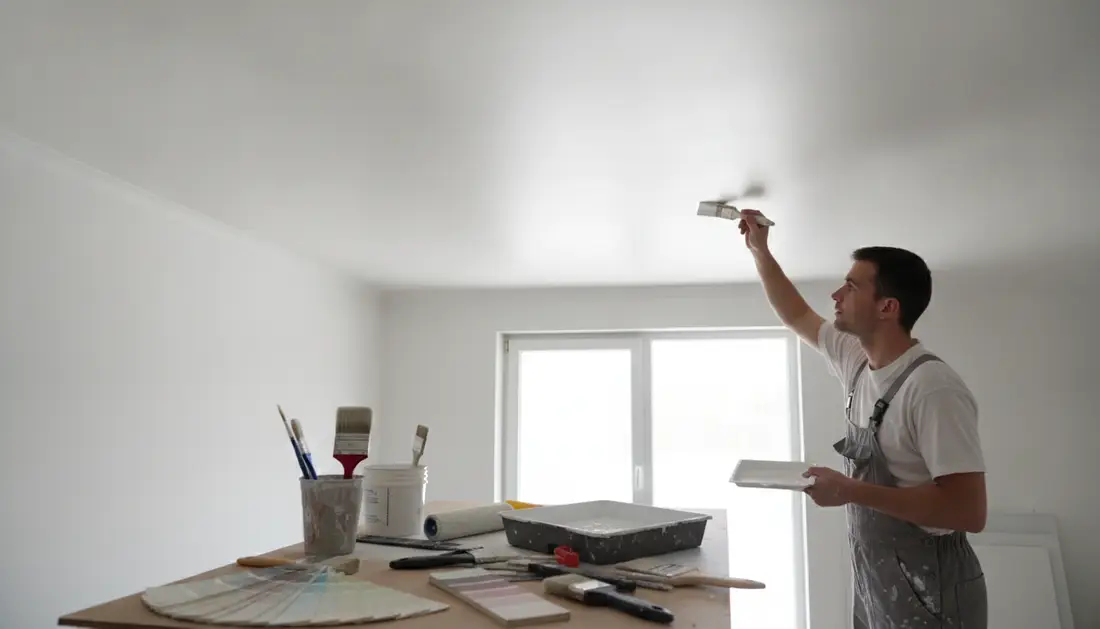
Understanding the Importance of Ceiling Paint Selection
Choosing the right ceiling finish influences how a room feels and how light behaves.
Ceiling-specific products are usually thicker than standard wall coatings, which keeps ceiling painting cost per square metre sensible. That extra body reduces drips and gives better coverage in fewer coats. For a neat result, you save time and effort.
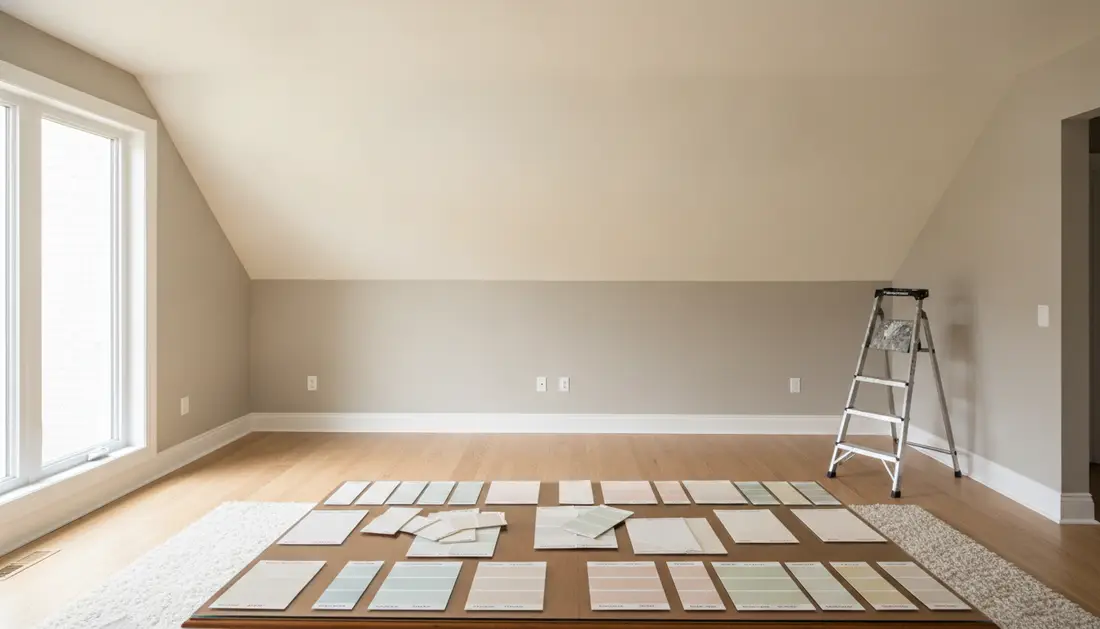
A flat or matte finish spreads light evenly and hides surface flaws; painting tips and advice cover ceiling prep. In living areas and bedrooms this finish keeps the eye on your décor, not on minor cracks.
- Selecting the correct ceiling product is critical for long-lasting, professional results.
- Our platform warns that standard wall product often gives poor coverage and visible brush marks.
- Use a high-quality roller for smooth finish across ceiling, walls and trim without streaks.
- Consider room lighting before choosing colour and finish; reflection alters final looks.
- Our pricing guidance explains why investing in professional-grade paints pays off over time.
Determining What Paint to Use on Ceilings Based on Surface Type
Match the product to the substrate: the right emulsion saves time and hides flaws. Large, textured areas benefit from a matt emulsion because it absorbs light and masks imperfections like cracks, bumps and uneven texture — though what causes ceiling water stains needs sealing first.
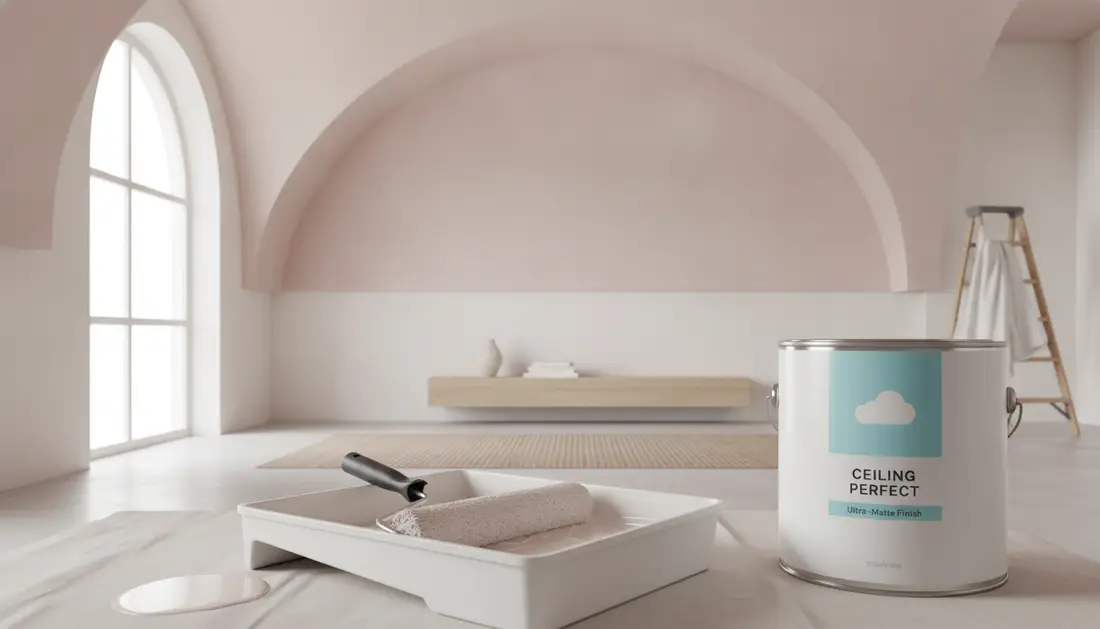
The Role of Matte Finishes
Matt emulsion is the standard choice for most overhead surfaces in living spaces and bedrooms. It reduces glare and keeps attention on your décor rather than minor surface issues.
Always prime new surfaces. A quality primer improves adhesion and often cuts the number of final coats needed.
Distinguishing Between Wall and Ceiling Whites
Wall product often carries a sheen that highlights flaws when applied overhead. Choose a ceiling-specific white for a non-reflective, cleaner look.
- Silk or satin finishes suit kitchens and bathrooms where moisture resistance and wipeability matter.
- Stains need a stain-blocking primer before any top coat for reliable coverage.
- A high-quality roller spreads product evenly and prevents streaks or drips.
| Surface | Recommended Type | Key Benefit |
|---|---|---|
| Large textured ceilings | Matt emulsion | Hides imperfections; low reflectance |
| Kitchens and bathrooms | Silk/satin emulsion | Moisture resistance; easy cleaning |
| Fresh gypsum or plaster | Quality primer + ceiling white | Better adhesion; fewer coats |
| Stained areas | Stain-blocking primer then topcoat | Prevents bleed-through; durable finish |
Essential Preparation for a Professional Finish
Good preparation prevents costly rework and gives a lasting, professional finish. Before you paint the ceiling, check surfaces for cracks, flaking and stains. Mark problem areas for repair and sanding.
Surface Assessment and Priming
Assess every surface carefully. Clean the ceiling and walls to remove dust and oil that block adhesion. Removing furniture and covering floors with drop cloths protects your home and speeds work.
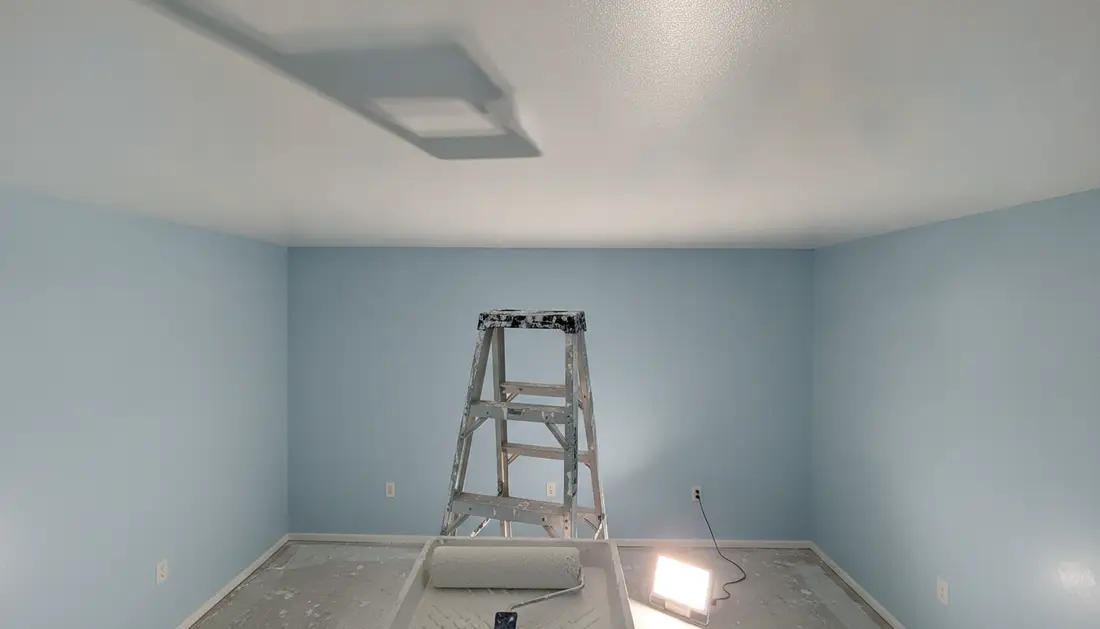
- Proper surface assessment is the most important of our professional tips for long-term results.
- Apply a primer over dark colours or water stains to create a uniform base for ceiling paint.
- Use a roller with a nap between 3/8“ and 1/2“ for even coverage and fewer drips.
- Cut in edges with a brush before rolling for a clean finish at walls and trim.
- Two coats are often necessary, especially when changing the room colour.
- Our pricing guidance notes that thorough prep affects the final project cost quoted by contractors.
Navigating Moisture and Stain Challenges in South African Homes
Humidity and stains are among the most common problems that shorten a ceiling’s lifespan in South African homes. Addressing these issues early saves money and avoids repeat work.
Managing kitchen and bathroom humidity
Bathrooms and kitchens need moisture-resistant paints so mould and peeling do not return. Good ventilation and an appropriate satin or moisture-rated finish extend longevity in these rooms.
Addressing pressed steel and RhinoBoard stock
Pressed-steel and RhinoBoard are common here and need specific preparation. Contractors often assess condition, recommend a suitable primer, and advise whether a special adhesion primer is required before you paint ceiling surfaces.
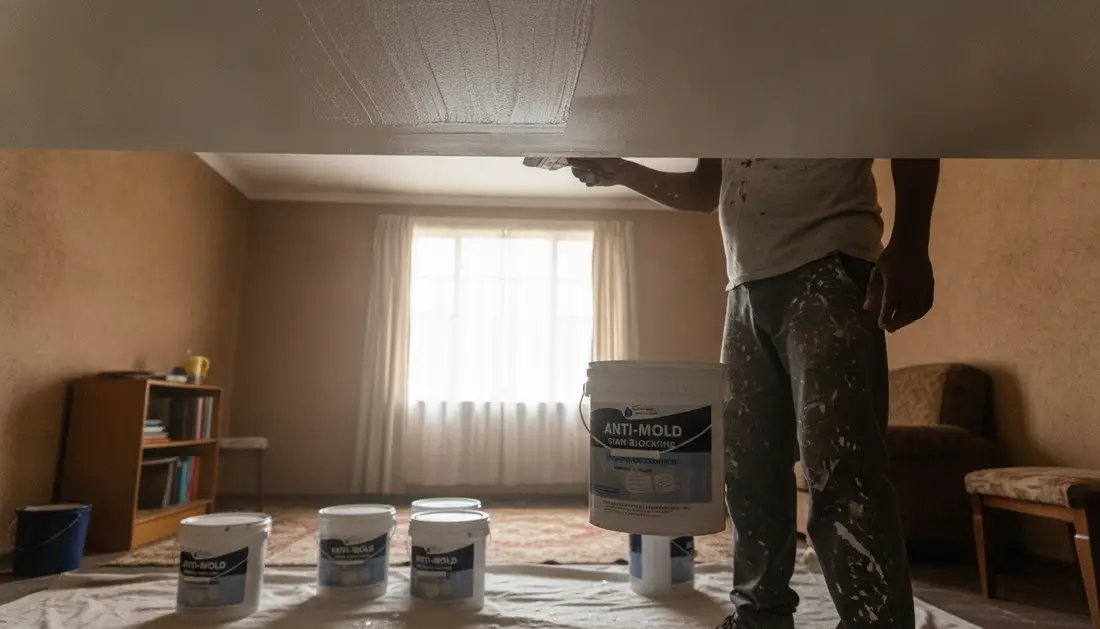
Stains must be dry and clean before any work. A stain-blocking primer prevents marks from bleeding through new coats and gives a stable base for the final finish.
- Use a quality roller for even coverage on pressed-steel and plasterboard.
- Confirm in writing the primer and number of coats contractors plan to apply.
- Ensure rooms are ventilated during and after work to protect the new finish.
Tip: Contractors inspect stock and local conditions to quote accurately; request written scope, paint type and warranty.
Achieving a Flawless Ceiling Transformation
A well-executed ceiling refresh transforms the feel and perceived space of any room. Choose a matte paint, the right roller and careful prep to hide imperfections and improve light reflection.
Quick tips: Protect furniture, keep the area well lit and match the finish for cohesion between walls and trim. For bathrooms and kitchens, consider satin paints for moisture resistance.
Request up to three quotes at paintingpricepersquaremeter.co.za and compare professional assessments for accurate costs, scope and expected results. A professional paint job brightens your home and protects surfaces for years.
FAQ
Which finish is best for a ceiling in South African homes?
Matte or flat finishes are the usual choice for ceilings. They hide imperfections, reduce glare from lights, and give a clean, uniform look. Use an eggshell or low-sheen finish only where durability is needed, such as under stairwells or in busy passages. For bathrooms and kitchens consider a mould-resistant satin if ventilation is poor.
Can I use the same product for walls and the ceiling?
You can, but specialist ceiling whites provide better coverage and are formulated to minimise drips and splatter. Wall paints often have stronger pigments and slight sheens that reveal imperfections on ceilings. When matching tones, choose a ceiling white or a dedicated ceiling formulation for a smoother result.
How do I prepare a textured or gypsum ceiling before painting?
First remove dust and loose material with a soft broom or vacuum. Fill cracks and holes with a suitable filler and sand lightly. Prime with a PVA or an appropriate sealer for porous surfaces. For gypsum board use a plaster primer to ensure even adhesion and reduce the number of topcoats required.
What primer should I use for water-stained ceilings?
Use a high-quality stain-blocking primer designed for water damage (alkyd or shellac-based primers work well). These seal tannin and mineral stains so they don’t bleed through the topcoat. After priming, apply two topcoats of ceiling paint for full coverage.
How do I tackle humidity in bathrooms and kitchens before repainting?
Improve ventilation first — fit an extractor fan or ensure windows open well. Remove mould with a fungicidal wash and rinse thoroughly. Allow the surface to dry completely, apply a mould-inhibiting primer, then a moisture-tolerant topcoat or satin finish that resists condensation staining.
Are there special recommendations for pressed steel or RhinoBoard ceilings?
Yes. For pressed steel, degrease and de-rust where necessary, then use an anti-corrosive primer before the topcoat. RhinoBoard and similar fibre-cement products need a PVA or plaster primer to seal the surface and prevent rapid paint absorption. Follow with two coats of ceiling paint.
How many coats do I need for a uniform ceiling finish?
Usually two topcoats over a properly applied primer give an even finish. If you’re covering strong stains or a dark colour, you may need an extra coat. Use a high-quality product and allow recommended drying time between coats for the best result.
What tools produce the best finish for large rooms?
A 9–12 mm nap roller for textured ceilings, paired with an extension pole, speeds up work and gives consistent coverage. Use an angled brush for edges and a small roller for corners. For very large jobs consider an airless sprayer, but mask furniture and floors carefully to avoid overspray.
How long should I allow before reoccupying a freshly painted room?
Allow 24–48 hours for light use and 72 hours for full redecoration or hanging fittings. Drying time depends on ventilation, humidity and product. Good airflow shortens curing time, while high humidity prolongs it.
What should I confirm in writing with a contractor before they start?
Ask for a written quote detailing cost per square metre, paint brand and product, number of coats, primer type, surface preparation, timeline, warranty terms and any access or scaffolding charges. This helps compare quotes and avoid surprises.
Which brands and products are commonly recommended in South Africa?
Trusted local brands include dedicated ceiling-paint ranges. Look for products labelled ceiling white, anti-mould, or stain-blocking primers from reputable manufacturers. Confirm product suitability for your surface with the supplier or contractor.
How do imperfections show under different lighting and how can I reduce them?
Matte finishes reduce reflection and hide flaws best. Use even lighting during application to spot defects early. Proper preparation—filling, sanding and priming—combined with a flat or low-sheen ceiling paint gives the least visible imperfections.
Will a ceiling colour affect perceived room size and light?
Yes. A bright white reflects light and makes rooms feel taller and more open. Tinted or warmer whites create a cozier feel. Choose a slightly cooler white where daylight is limited, and warmer tones in living areas for a softer ambience.
What are typical cost factors I should budget for in South Africa?
Budget for paint and primer quality, surface repair, labour per square metre, access (scaffolding or ladders), number of coats and any specialist treatments (anti-mould or stain-blocking). Ask contractors for a per-square-metre rate and a total cost estimate to compare options.
Can I spot-treat small stains, or must the whole ceiling be repainted?
Small isolated stains can be sealed with a stain-blocking primer and spot-topcoated. However, sheen and colour variations will show. For the best uniform result, repaint the whole ceiling if the difference is likely to be visible.
Related painting cost guides
Ready to compare?