
Paint and Material Costs in South Africa
Paint per litre, real coverage rates, primers, fillers, and consumables – the material side of the budget
Quick answer
R2 602–R3 181 materials cost22.9 L · 5 × 5L tins
Paint and material costs in South Africa – paint price per litre, real coverage per m², primers, fillers and consumables that build the material budget.
Instant estimate
Paint & material cost calculator
Work out the materials bill: area, coats and paint grade give litres, tins and approximate cost.
13 min read
On this page
Paint and material cost South Africa is a vital consideration for homeowners seeking the best value for their property renovations. Our pricing guidance at paintingpricepersquaremeter.co.za explains typical rates and how to use them when you plan a job.
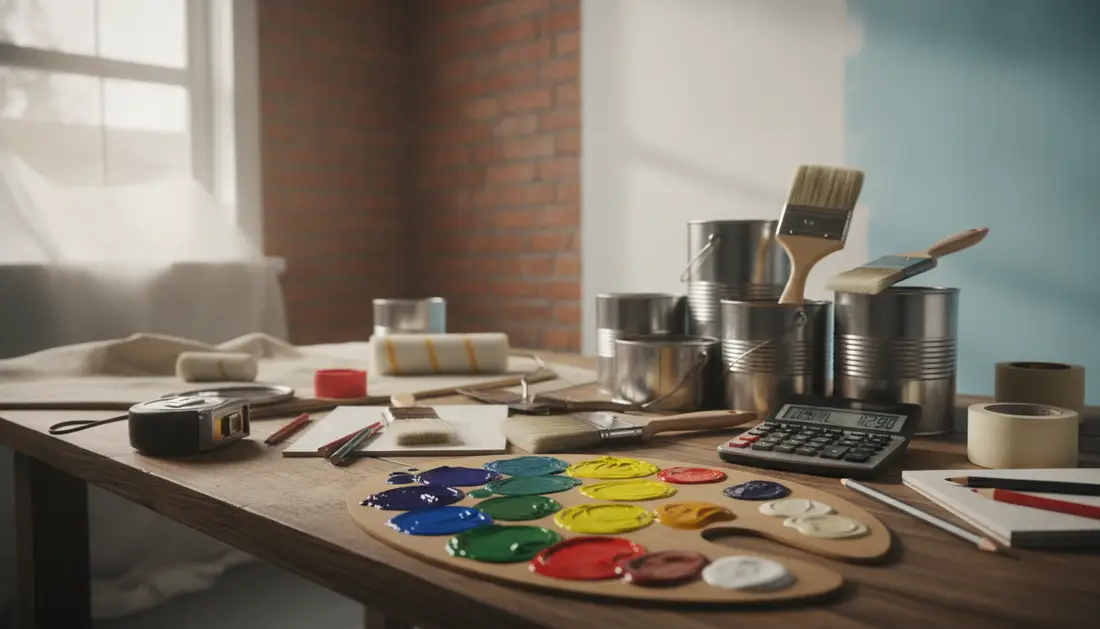
How much should you budget for interior work when prices range from R40 to R200+ per square metre? This question matters if you want a durable finish that suits your home.
Professional painting involves preparation, surface repair, choice of finish and labour. Each factor affects the final price, from wall priming to ceiling painting.
The market for painting services has grown; the industry continues to grow. That scale means prices vary by region, contractor skill and paint quality.
Use our pricing guidance to compare estimates, understand per square metre figures and request up to three quotes from local contractors. That way you protect your budget and get the best result for your house.
How much do paint and materials cost in South Africa?
Understanding how local market forces shape painting prices helps you plan a realistic renovation budget. The market is large and changing; forecasts show the paints and coatings sector will reach R34 billion by 2026.
Key local indicators to watch:
- Labour typically runs from R40 to R75 per square metre for standard work, rising with access difficulty or surface repair.
- Professional painters may charge R450–R900 per hour, excluding materials—this affects total labour on bigger jobs.
- Size of the room, surface preparation and the type of finish drive the final price per square.

Our platform connects you with independent contractors across major areas. You can compare transparent prices for interior and exterior projects and request up to three quotes to find the best match for your house.
Tip: Poor surface preparation adds time and extra charges. Confirm preparation, coverage per square metre and labour rates in writing before you start.
What affects paint and material costs?
Several economic and regional factors directly shape what you pay for painting per square metre across the country; painting price guides cover the rates per surface.
Economic drivers include construction sector demand, exchange rates and input prices. When building activity is strong, labour and materials push prices higher. That is why national trends matter for your project budget.
Economic Drivers
Labour availability affects hourly rates and the final per square figure. Skilled teams in high‑demand metros will charge more for the same work.
“Confirm preparation, coverage per square metre and labour rates in writing before you start.”
Regional Price Variations
Regional differences are stark. Gauteng commonly shows higher painting costs per room — roughly R800 to R1,500 for a standard room — due to demand. KwaZulu‑Natal ranges R600 to R1,200, where humidity influences product choice and longevity.
- Surface condition: cracked or damp walls need extra preparation and raise the total price.
- Type of paints: budget vs premium affects materials and long‑term quality.
- Exterior versus interior: weather exposure changes product selection and labour time.
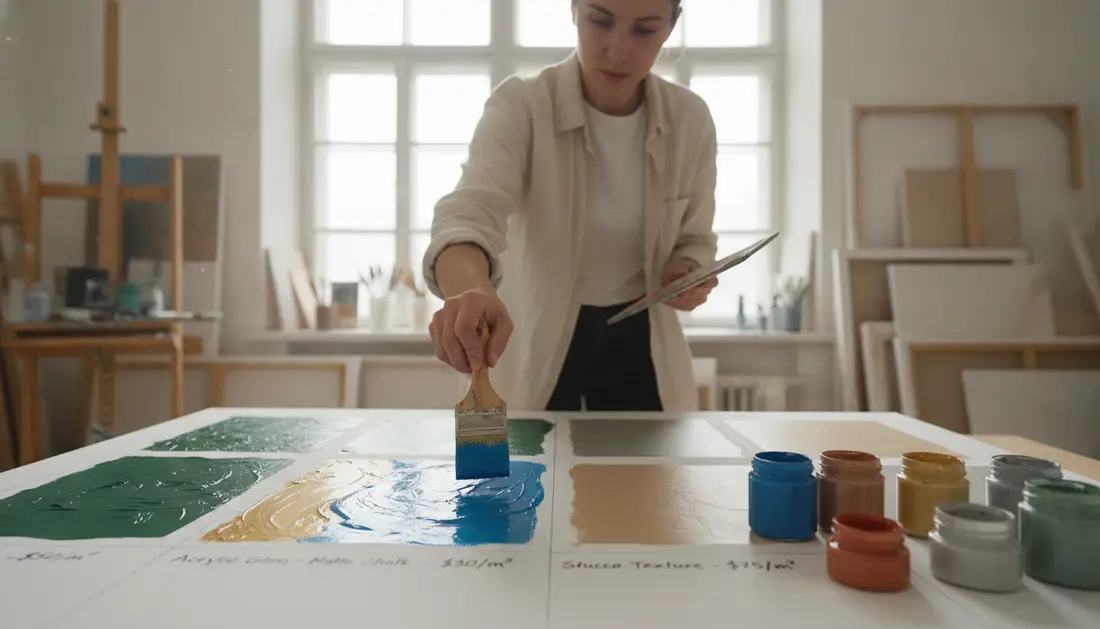
Use our platform to compare up to three quotes from contractors who factor local conditions into their estimates. That helps you balance price with lasting results for your home.
Labour Rates and Professional Service Fees
Knowing how labour is priced helps you compare contractor quotes for a reliable finish. Professional painters typically charge between R20 and R50 per hour, but experience and the complexity of the job change those figures.
Ceiling painting is a specialist task. Expect an extra R500 to R1,500 per room depending on height and surface condition. High ceilings or significant wall repairs push prices higher.
Service fees often include tools, scaffolding and time for careful surface preparation. Confirm whether the quote covers safety equipment, insurance, primer and any trim or wall repairs; what primer and undercoat cost is easy to overlook.

“Our quote request process ensures you receive detailed estimates that break down labour and material costs for interior painting and exterior painting.”
| Item | Typical Range | How charged |
|---|---|---|
| Hourly labour | R20 – R50 / hr | Per hour or per worker |
| Ceiling painting | R500 – R1,500 / room | Per room, depending on height |
| Preparation & repairs | Variable | Per square metre or fixed quote |
| Service fees | Included or separate | Tools, scaffolding, safety |
Tip: Ask for a written scope that names tasks, the pricing structure (per square metre or per room) and expected time. Use our quote request process to compare up to three contractors and choose the best balance of prices and quality for your home.
What do budget, mid and premium paints cost?
Different quality grades deliver very different coverage rates, so the headline price per litre rarely tells the full story. Choose a tier that matches the surface condition, room use and expected life span of the finish; PVA vs acrylic paint explains the two main types.
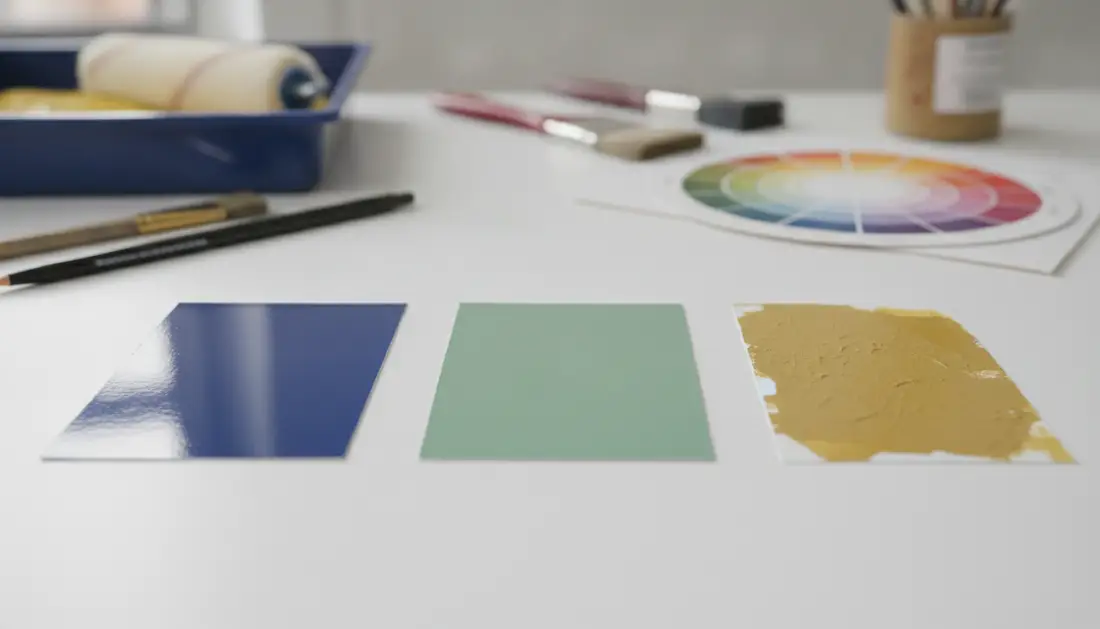
Budget Options
Price per litre: R60–R80. Coverage: 6–8 m²/L.
Budget choices suit low‑traffic rooms or short‑term projects. They often need extra coats, which raises labour and per square expenses; our basic vs premium paint comparison shows when to upgrade.
Mid-range Solutions
Price per litre: R100–R150. Coverage: 8–10 m²/L.
Mid‑range products strike a balance between price and performance. They are a common pick for interior painting and many exterior painting jobs where durability matters; our paint sheen and finish guide helps you pick a finish.
Premium Finishes
Price per litre: R180–R250. Coverage: 10–12 m²/L.
Premium finishes deliver better hide and longer life. Higher upfront prices can reduce total paint used and lower repaint frequency for your house; our guide to paint coats explains how many you need.
“Check manufacturer coverage rates and factor surface condition; textured walls may require 20–25% more product.”
| Tier | Typical Price / L | Coverage (m²/L) |
|---|---|---|
| Budget | R60 – R80 | 6 – 8 |
| Mid‑range | R100 – R150 | 8 – 10 |
| Premium | R180 – R250 | 10 – 12 |
Surface condition, preparation and the type of paints influence how much you need; our litres paint calculator turns your area into litres. Use our platform to compare up to three painting quotes and confirm recommended coverage, labour and preparation in writing before the job starts.
Interior versus Exterior Painting Requirements
Interior and exterior projects demand different preparation, tools and product choices that affect final quotes. Knowing the difference helps you budget per square metre with confidence.
Typical ranges: interior painting costs usually sit between R40 and R100 per square metre for a standard room. Exterior labour commonly falls in the same band but often rises once extra measures are included.
Weather Exposure Considerations
Exterior walls must resist sun, wind and moisture. That requires higher‑quality paints and regular waterproofing or damp treatment to avoid peeling and staining.
- Rigorous preparation: washing, crack filling and priming prevent early failure.
- Access needs: scaffolding for high walls increases the overall price.
- Longevity steps: waterproofing and sealants add upfront expense but reduce repaint frequency.
Tip: Request up to three quotes so you can compare how contractors price preparation, per square work and product quality. Our platform explains why exterior painting is usually pricier and helps you plan the right approach for your house.
The Impact of Surface Condition on Project Estimates
The state of existing surfaces is the single biggest variable that changes both time on site and the final estimate.
Walls with damp, peeling layers or deep cracks need extra preparation. That repair work can add 10–20% to your final bill for a typical house painting project.
Professional teams will check if sanding, sealing or waterproofing is required before the first coat. These steps protect the finish and prevent early failure.
- A solid wall needs less labour and fewer materials.
- Neglected surfaces demand more time, specialist products and careful preparation.
- Protective coverings and site set-up also increase the per square metre figure.
Always request a site visit so contractors can assess condition and give accurate estimates. Ask that the written quote lists preparation tasks such as crack filling or damp sealing to avoid hidden charges.
Tip: Use our platform to request up to 3 painting quotes and compare how each includes surface preparation in the scope of work.
“Surfaces with existing damp, peeling paint, or deep cracks require extensive preparation, which can add 10–20% to your total project estimate.”
| Issue | Likely impact | Per square metre note |
|---|---|---|
| Good condition | Lower labour, fewer coats | Base price applies |
| Minor repairs | Moderate uplift | +10% typical |
| Damp or deep cracks | Significant prep, specialist products | +20% possible |
Professional Painting Services versus DIY Approaches
Deciding between hiring professionals or tackling the job yourself affects time, finish quality and total budget. Make this choice with clear expectations about timeline, likely outcomes and per square metre figures.
Time Efficiency Benefits
Time Efficiency Benefits
Professional teams often finish a standard room in 1–3 days. That speed reduces disruption to your home and lowers indirect expenses such as lost time from work.
DIY can save 30–50% on labour but usually takes 2–5 times longer. Slower work can delay other projects in the house and increase overall painting costs if mistakes occur.
Long-term Value Comparison
Professional work delivers higher quality finishes and a longer life. Satisfaction rates sit near 95% for paid contractors, which reflects fewer call‑backs and less frequent repainting.
- DIY errors like poor surface prep add 10–25% to final costs.
- Pros access trade prices for materials and use correct prep for exterior and interior surfaces.
- Always confirm a written warranty and a clear scope per square metre.
“When you compare prices, include labour value, warranty and likely lifespan of the finish.”
Tip: Use our platform to request up to 3 quotes so you can weigh professional value against DIY savings for your house painting project.
Costs Associated with Specialised Finishes and Roofs
Specialist surface systems such as textured finishes and roof coatings change how contractors calculate per square metre prices.
Textured or decorative finishes typically range from R80 to R250 per square metre. These finishes need careful prep, extra coats, specialist tools and skilled labour to achieve the desired quality.
Roof painting is treated separately. Rates commonly sit between R40 and R80 per square metre because waterproofing and access work are required.
- Commercial or industrial projects often use larger-coverage products and different application methods, which affect overall prices.
- Size and condition of the roof or feature wall are primary factors when contractors set a final price for the project.
- Always confirm the type of paints, number of coats, UV resistance and warranty in writing when you request up to 3 quotes from contractors.
“Proper roof maintenance prevents leaks and higher repair bills later.”
| Item | Typical range (R/m²) | Key considerations |
|---|---|---|
| Textured finishes | R80 – R250 | Prep, coats, skilled labour |
| Roof coatings | R40 – R80 | Waterproofing, access, UV resistance |
| Commercial areas | Varies (bulk rates) | Coverage type, substrate, safety |
Strategies for Managing Your Renovation Budget
A clear renovation budget keeps surprises low and helps you decide which room to tackle first.
Compare up to three quoted prices from independent contractors so you can judge painting offers fairly. Ask that each quote lists scope, labour, number of coats, per square metre figures and warranties in writing.
Phase work to reduce immediate spending. Start with high‑use rooms and exterior areas that protect the house. This spreads time and lets you fit higher quality where it matters most.
Choose mid‑range paint quality for the best balance of durability and price. It usually lowers repaint frequency without the premium outlay.
- Confirm the total prices include preparation, access and cleanup.
- Set a written payment schedule and a clear warranty period.
- Use our quote request process to find contractors who match your budget and quality needs.
Long‑term view: a professional finish increases market appeal and reduces repeat work. Good planning, clear communication and documented terms protect homeowners and the budget.
Final Thoughts on Achieving a Lasting Finish
Good painting starts with clear choices. Choose the right paint, hire skilled labour and insist on thorough surface preparation to protect your house and secure a durable finish.
Compare prices and understand painting costs per square before you sign a contract. Prices vary by exterior or interior work, surface condition and the level of quality you select.
Never pick the cheapest quote without checking reputation, warranties and the full scope. For more help and to request up to three quotes visit paintingpricepersquaremeter.co.za for local contractor options.
Confirm timelines, warranties and the written scope before the project starts. Do this and your repaint will be a sound investment that enhances both look and value.
FAQ
What are typical paint & material prices per litre and per m² in South Africa?
Typical retail prices vary by brand and quality. Expect entry-level emulsion from about R90–R130 per litre, mid-range from roughly R150–R300 per litre, and premium products R350+ per litre. Coverage depends on finish and surface; a litre usually covers 8–12 m² for a single coat. For budget planning, allow 2–3 coats and add 10–15% extra for waste and touch-ups.
How do national market trends affect pricing?
Local currency strength, fuel and transport fees, and raw-material shortages drive price moves. Urban areas typically see slightly higher retail and contractor rates than smaller towns. Seasonal demand (spring and autumn) can also push prices up and slow promotions.
Which factors most influence the overall project estimate?
Key drivers are surface condition and prep work, access and height, number of coats, quality tier selected, and labour rates. Large areas lower per-m² overheads. Confirm whether quotations include primer, undercoat, sealing, masking, and waste removal.
How much should I budget for labour and professional service fees?
Labour depends on region and complexity. Expect interior work from about R35–R90 per m² for basic rooms when contractors include prep and two coats. Exterior jobs, high access work, or detailed finishes command higher rates. Always request a written breakdown of labour versus materials.
What are the practical differences between budget, mid-range and premium products?
Budget formulations cover reasonably well but need more coats and touch-ups sooner. Mid-range balances durability and coverage for most homes. Premium options give better hide, stain resistance and longer life, reducing repaint frequency and lifetime maintenance spend.
Should I choose different products for interior and exterior applications?
Yes. Interior formulations focus on ease of cleaning and low odour. Exterior products resist UV, moisture and mildew; they include additional binders and preservatives. Use appropriate primers and sealers for both for best adhesion and longevity.
How does surface condition change material requirements and price?
Poor or damaged surfaces need more prep: scraping, sanding, filling, priming or replacing rotten timber. Expect extra charges for structural repairs, water-damage remediation or heavy sanding. Prep can add 10–40% to the total project estimate depending on severity.
Is it cheaper to DIY or hire professional painters?
DIY saves on labour but adds risk if you undervalue prep time, buy wrong products or apply inadequate coats. Professionals bring speed, correct tools and consistent finish. For large jobs, multi-storey homes or specialised coatings, hiring usually gives better long-term value.
What are the benefits of hiring professionals beyond speed?
Professionals provide correct surface assessment, recommend suitable systems, manage masking and protection, and offer consistent coverage and warranties. They often source trade-quality materials that deliver better coverage per litre than retail tins.
How much extra do specialised finishes and roof coatings add to a quote?
Specialised finishes such as textured, metallic or high-build coatings are priced higher due to specialised materials and more labour. Roof coatings also need surface cleaning and corrosion treatment; budget an extra 20–60% over standard exterior wall rates, depending on substrate and access.
What practical steps reduce overall renovation expenses?
Consolidate rooms for volume discount, schedule work outside peak season, repair only what’s necessary, and choose mid-range products for balance. Get multiple written quotes, confirm coverage per litre, and ask contractors to itemise prep, materials and labour.
What should I verify in written quotes before accepting work?
Confirm scope (areas and number of coats), included materials and brands, prep tasks, access charges, start/finish dates, payment terms, and any warranty. Ensure exclusions—like repairs, scaffolding or extras—are listed so you can compare accurately.
Related painting cost guides
Ready to compare?