PVA vs Acrylic Paint: What South Africans Actually Mean
Local naming confusion untangled – binders, washability, and where each paint belongs
Quick answer
PVA vs acrylic paint in South Africa – what the local names really mean, binder quality, washability, and where each belongs inside and outside.
8 min read
On this page
Pva vs acrylic paint South Africa is the opening question for anyone checking costs and value before a renovation.
At paintingpricepersquaremeter.co.za we help you compare the real costs per square metre. Our platform explains how different formulations and surface prep change final price. You can request quotes and see realistic figures for labour and materials.
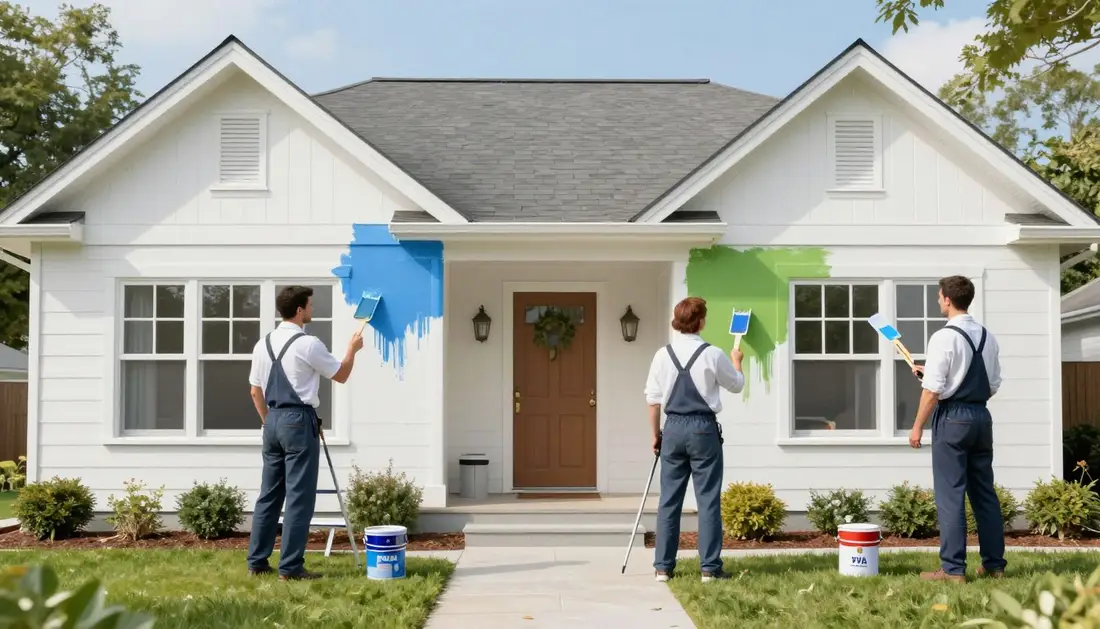
Many homeowners use the terms interchangeably, yet knowing the difference between pva and acrylic affects durability and long‑term maintenance. We show why water‑based solutions dominate and how that influences cost. Our guidance focuses on clear, practical factors: surface condition, prep work, access and labour.
Want a smarter choice? Use our platform to compare pva acrylic blends, check product ranges of paints and get informed quotes so your next painting project gives the finish and lifespan you expect. So — which option saves you money and time in practice?
Understanding the Chemistry of PVA vs Acrylic Paint
Understanding what holds a finish together starts with the binder chemistry behind common emulsion options. Our platform breaks this down so you can compare the cost of paint and materials and expected lifespan for South African homes.
Defining the Binder Systems
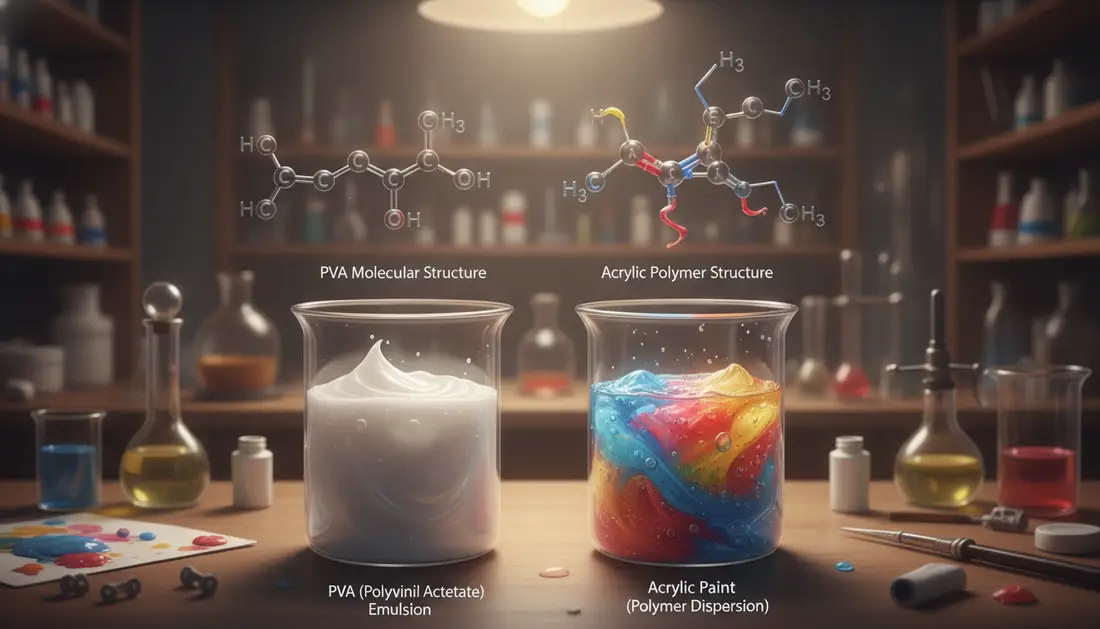
PVA (polyvinyl acetate) is a water‑based binder that makes ideal, cost‑effective solutions for many interior surfaces and craft work. It bonds well to porous materials such as wood, paper and fabric and also acts as a binder and hardener in some formulations.
The Role of Water‑Based Solutions
Acrylic binders are synthetic polymers derived from acrylic and methacrylic acids. They offer faster cure times and stronger bonds—often a high bond in 6–10 minutes for adhesive formulations—and better resistance to water and chemicals.
- Drying time: PVA typically 12–24 hours; acrylics can dry faster depending on formulation and conditions.
- Application: acrylics adhere better to challenging surfaces like plastics and metals.
- Our platform lists binder quality as a key factor for long‑term durability and lower maintenance costs.
Performance Differences in South African Environments
In local conditions, a coating’s flexibility and UV resistance dictate how long it lasts on your walls; painting guides and resources explain why.
Our platform highlights that pure acrylics resist UV degradation, so they avoid the yellowing and fading you see in cheaper vinyl‑based finishes.
Lower‑cost pva formulations are more prone to chalking under the harsh South African sun — see basic vs premium paint. That chalking wears the film away and shortens useful life.
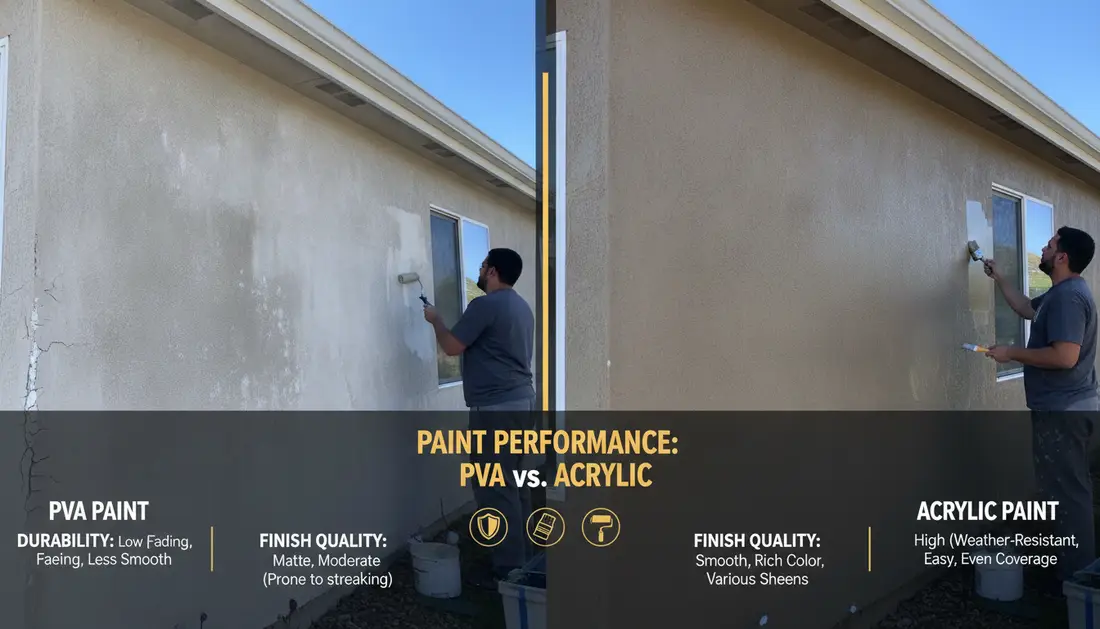
“Choose a flexible binder that moves with temperature changes to prevent cracking and peeling.”
- Acrylic paints stay flexible and expand or contract with the surface, reducing splits and blistering.
- Where moisture and UV are factors, acrylics form a durable barrier that protects surfaces for many years.
- Using the right type of materials avoids premature failure and saves you money on repainting cycles.
When you compare quotes, confirm binder quality and expected lifespan in writing. Our platform guides you to pick the material best suited to South African exteriors and to factor long‑term maintenance into cost per square metre.
Selecting the Right Coating for Your Property Surfaces
Your surface type and sun exposure should determine the coating you pick for a lasting result.
Interior Walls and Ceilings
For ceilings and low‑traffic rooms, vinyl acetate options like pva often provide cost‑effective, even coverage.
They dry reasonably fast and suit bedrooms, storerooms and rented flats where heavy wear is unlikely.
Our platform connects you with independent contractors who assess substrate and recommend the best application techniques.
Exterior Masonry and UV Exposure
100% acrylic paints are the recommended standard for exterior masonry in South Africa.
These binders resist UV and water, so they protect surfaces for many years and reduce repaint cycles.
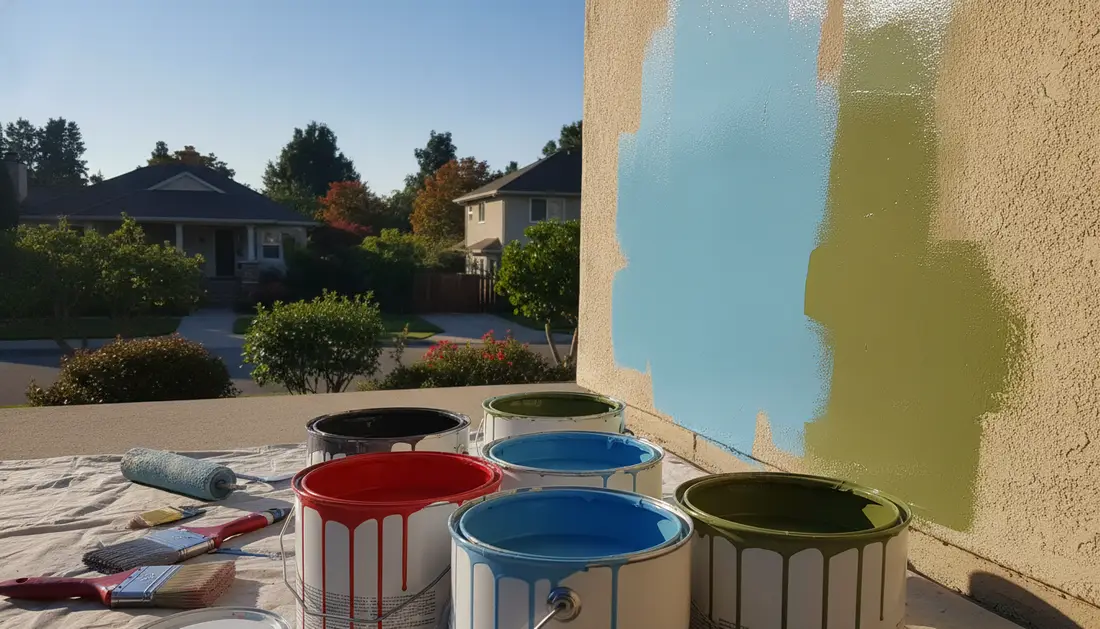
“Confirm binder type and expected lifespan in writing with any contractor before work starts.”
Assessing Surface Condition and Prep
Proper cleaning, repair and priming determine how long any coating lasts.
Request a detailed list of prep work from your contractor and compare quotes on our platform.
- We help you compare prices and technical methods for wood, plaster and masonry.
- Using acrylics for high‑traffic areas protects against scuffs and water damage.
- Where ceilings need simple, quick coverage, pva makes ideal, budget‑friendly results.
Maximising Value Through Our Professional Quote Guidance
Request multiple local quotes to see how different types and quality levels affect total cost. Our platform at paintingpricepersquaremeter.co.za helps you request up to three quotes from independent contractors today.
Use the quotes to compare the cost of pva and acrylic options and the labour included for each surface. This makes it easier to judge the true value of each type and the likely lifespan of your finish.
Always confirm warranties, scope and timelines in writing with the contractor you choose. That protects the quality of work and your budget.
Visit paintingpricepersquaremeter.co.za to request quotes, compare rates for paints and labour, and take the first step to a durable, well‑priced finish for your home.
FAQ
What do South Africans mean when they ask about PVA vs acrylic paint?
Many homeowners and landlords are comparing two common water-based coatings used for interior and exterior work. One is the traditional emulsion used mainly for interior walls and ceilings; the other is a more flexible, UV‑resistant formulation suited to a wider range of surfaces. The choice usually comes down to budget, surface type, and expected exposure to moisture and sunlight.
How do the binder systems differ between the two coatings?
The binders are the main difference. One uses a simple vinyl-acetate binder that gives good coverage at low cost and is best indoors. The other uses acrylic polymers that form a tougher, more flexible film able to resist weathering and cleaning, which makes it better for exterior walls and high-traffic areas.
Why does water matter in these products?
Both are water-based, so they dilute with water for application and clean up with water too. The water vehicle affects drying time and how the binder coalesces into a film. Acrylic formulations usually dry to a harder, more durable finish as the polymer particles fuse, while the other type dries softer and can be more sensitive to moisture during curing.
Which performs better in South African climates with strong sun and occasional heavy rain?
For facades exposed to UV and rain, acrylic formulations typically outperform the other option because they resist chalking, fade and water penetration. For well-protected interior rooms, the more economical emulsion will do the job at lower cost.
What should I use on interior walls and ceilings?
For general interior painting, the lower-cost emulsion is fine, especially in dry rooms. Choose an acrylic-based product where you need stain resistance, washable finishes or more durable coatings in kitchens, bathrooms and high-traffic areas.
Is one better for exterior masonry and UV exposure?
Yes. Acrylic formulations offer better elasticity, UV stability and adhesion to new or previously painted masonry, reducing the risk of cracking and peeling under variable weather common in many parts of South Africa.
How much does surface condition and preparation affect the choice?
Surface prep is critical. Poorly prepared or damp surfaces will cause failure regardless of product. Clean, dry, sound surfaces need fewer coatings. For patched or friable surfaces, a durable acrylic system plus primer will deliver longer life and better value over time.
How do costs compare and what should I budget for in South Africa?
The lower-cost emulsion typically has a lower paint material price and may need more frequent repainting. Acrylic formulations cost more up front but usually last longer. When budgeting, include primer, surface prep, scaffolding or access charges, labour per square metre, and warranty terms from the contractor.
What do I confirm in writing when requesting quotes?
Ask contractors to itemise paint brand and product name, paint type (interior/exterior), number of coats, surface preparation, primer use, labour rates per square metre, access costs, expected start and completion dates, and any warranty or maintenance terms.
How can your platform help me get value for a repaint?
We help South Africans request up to three quotes, or up to five where available, from independent contractors. Use those quotes to compare paint brand, product specs, surface prep and total cost per square metre before you decide.
Are there specific brands commonly recommended in South Africa?
Trusted local and international paint brands are commonly used by contractors. Ask for the exact product datasheet so you can compare durability, coverage and recommended application against SABS standards.
Which techniques give the best long-term value?
Proper surface preparation, using a suitable primer, and applying the recommended number of coats of a durable acrylic-based system on exposed surfaces deliver the best life-cycle value. For interiors with low wear, a mid-range emulsion can save money upfront.
Can these coatings be used on wood, metal or acetate surfaces?
Wood and metal usually need specialised primers and coatings. Acrylic systems have versions formulated for timber and metal. For non-porous plastics like acetate, check the manufacturer’s instructions and use a suitable adhesion primer or a specialist coating.
Related painting cost guides
Ready to compare?