
DIY vs Professional Painting: The Honest Cost Comparison
Your weekends, tool spend, and finish risk against a pro's speed, system, and warranty – priced both ways
Quick answer
DIY vs professional painting compared honestly – tool spend, weekends and finish risk against a pro's speed and warranty, with both paths priced.
12 min read
On this page
Curious which delivers better value: tackling a paint job yourself or hiring painters? This question matters when professional interior work can range from R26,000 to R330,000, and exterior services sit between R30,000 and R330,000 for a standard home. You need clear figures to weigh price against time and quality.
House owners face a real choice for interior projects. Simple prep, primer and the right paint can save money. But experience, access to tools and proper surface preparation often change the result.
At paintingpricepersquaremeter.co.za we list typical ranges and help you request local quotes. Compare likely costs, time and potential mistakes so you can protect your finish and your budget. Read on to learn what to confirm in writing and how many coats, ceilings or tricky surfaces affect the final figure.
Understanding the diy vs professional painting cost in South Africa
Choosing who will paint your home starts with a realistic look at time, quality and likely expenses. The diy vs professional painting cost depends on house size, wall condition and how many rooms you plan to refresh.
Professional teams usually include three to six painters and can finish a standard interior project in three to four days; what labour-only painting costs shows the rate without materials. That speed reduces disruption to your routine and lowers indirect costs such as time off work.
When you decide to paint house surfaces yourself, factor in the hidden costs: extra time, specialised tools and the risk of a patchy finish. A skilled painter prepares surfaces thoroughly, which helps prevent peeling and saves on long-term repairs.
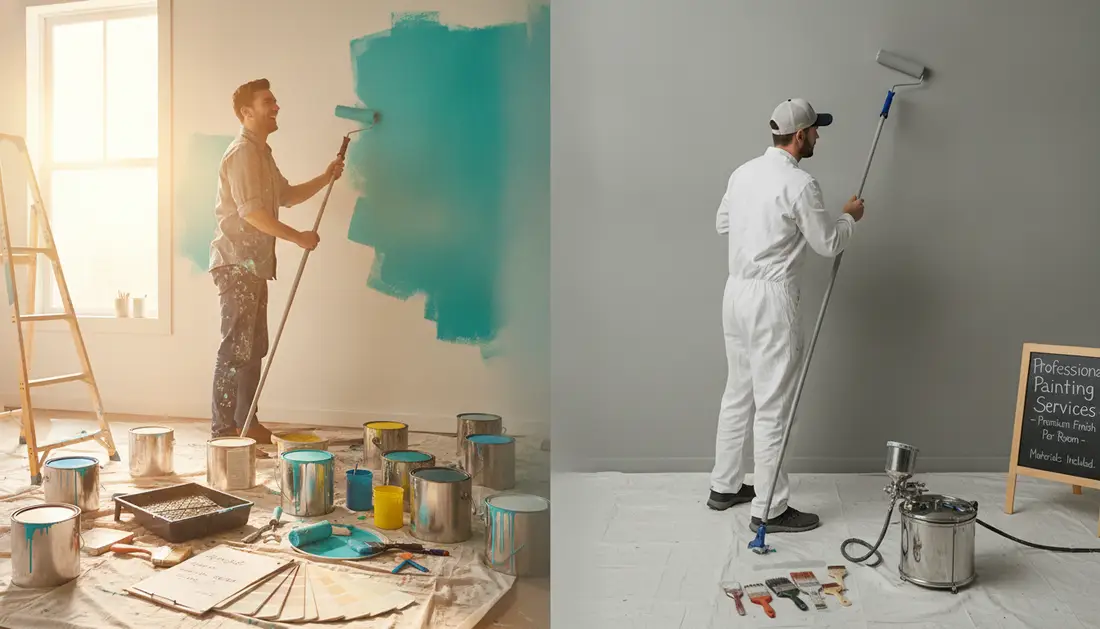
Practical tip: Complex features, high ceilings or multi-storey work often favour hiring a contractor. For simple rooms, a short, well-planned project can suit confident homeowners.
| Factor | DIY | Team of Painters |
|---|---|---|
| Time for a standard home | Several weekends | 3–4 days |
| Finish quality | Variable; skill-dependent | Consistent, site-tested |
| Hidden expenses | Tools, wasted paint, rework | Prep and warranty included |
| Best for | Small rooms, tight budgets | Complex projects, multi-storey homes |
Essential factors influencing your total project budget
Material choice and the state of surfaces determine the bulk of what you will pay for an interior job. Select good materials and allow time for proper surface preparation to protect your finish and long-term value.
Material costs
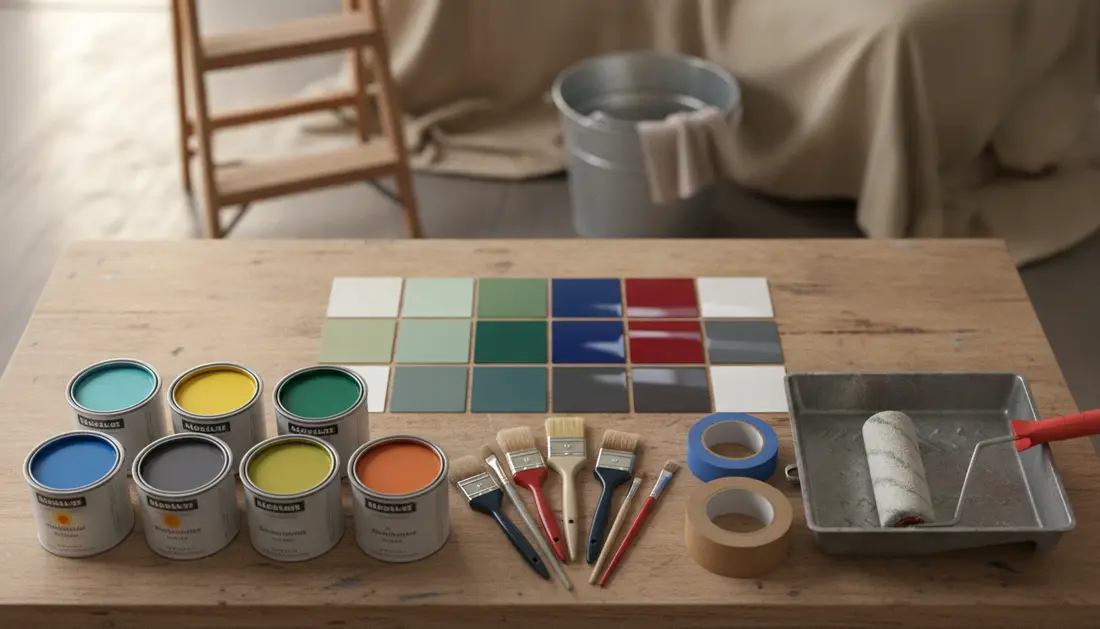
Don’t count only cans of paint; what paint and materials cost totals the products and sundries. Quality brushes, rollers, drop cloths and a reliable primer add up.
Typical note: these essentials can tack on roughly R3,300–R10,000 to an initial DIY budget in South Africa, especially if you buy contractor-grade items.
Labour and surface preparation
Surface preparation is the stage that most affects durability. Sanding, caulking and patching take time but prevent early failure.
- Professional painters access trade discounts on materials and include detailed prep in their quote.
- High ceilings or tricky access may require rented tools, increasing time and costs.
- Plan for at least two coats to achieve even colour and a long-lasting finish.
Bottom line: budget for materials, prep and realistic time when you compare doing the work yourself versus hiring a team; our other guides compare painting prices and quote types too.
The hidden reality of DIY painting projects
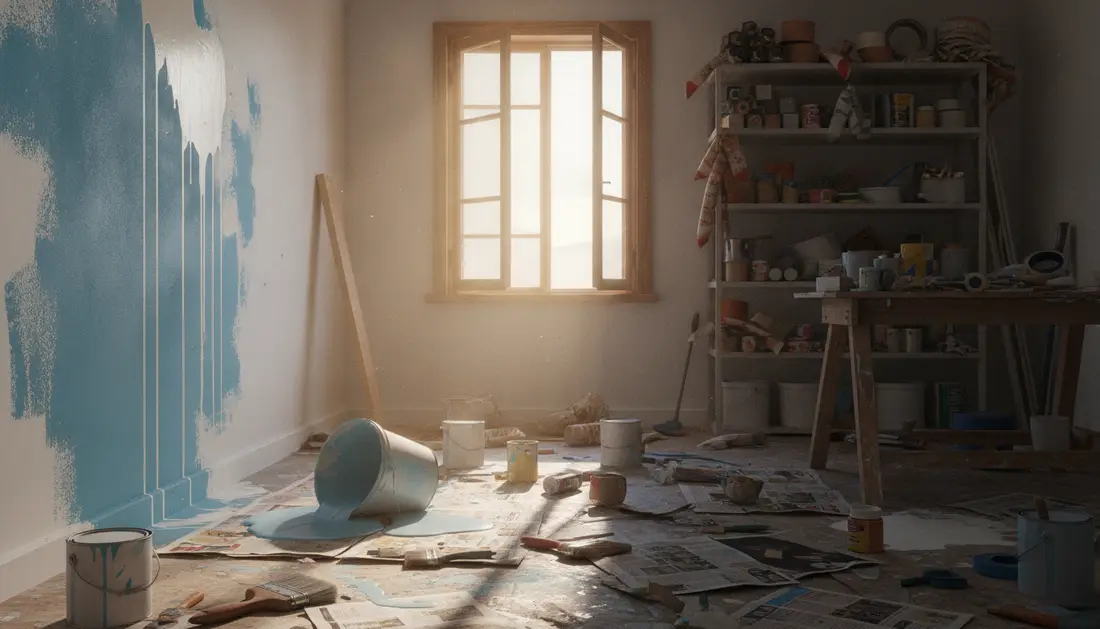
Small errors during a repaint can quickly turn a short weekend job into a long, costly repair. Simple drips, roller lines or poor priming often force you to buy extra paint and repeat work; how many coats of paint do you really need helps you buy right.
The cost of mistakes and do-overs
Underestimating the time for cleaning, taping and moving furniture is common. These tasks add significant time to any interior painting project.
Using cheap brushes or rollers leaves visible texture and uneven finish. Skipping correct primer or surface preparation can cause peeling and patchy colour after a few months.
- Extra materials: more paint, primer and patching supplies.
- Hidden labour: sanding, re-coating and extra drying time.
- Damage risk: floors or furniture harmed without proper drop cloths.
Remember: experienced painters avoid common mistakes with better technique, trade-grade tools and a focus on prep.
What helps: factor possible do-overs into your budget and consider our platform to find contractors who deliver a high-quality finish and save you time and frustration.
Why professional painters offer long-term value
Skilled teams use methods that extend the life of a paint system and cut repeat work. They apply correct primers, choose the right materials and follow site-tested sequences to protect your house surfaces.
Durability beats cheap quick fixes. A robust finish reduces recurring costs and keeps your home looking fresh for longer. That saves time and avoids the hassle of frequent touch-ups that often follow an amateur job.
Written warranties matter. Apap Painting & Renovations offers a two-year warranty, which gives you peace of mind and clear recourse if problems arise. A guaranteed term often reflects confidence in workmanship and materials.
Professionally run projects also finish faster. A coordinated crew minimises disruption and completes the job with consistent results. Our platform links you with contractors who prioritise quality and customer satisfaction.
Bottom line: investing in experienced painters produces a better finish, protects your surfaces and improves resale appeal. For many homeowners, the long-term value outweighs short-term savings from a DIY effort.
Comparing the time investment for home renovations
Time is often the hidden price you pay when planning a home refresh. How you manage hours affects disruption, finish and the final budget. A clear timeline helps you weigh options for interior work.
Efficiency of a coordinated team
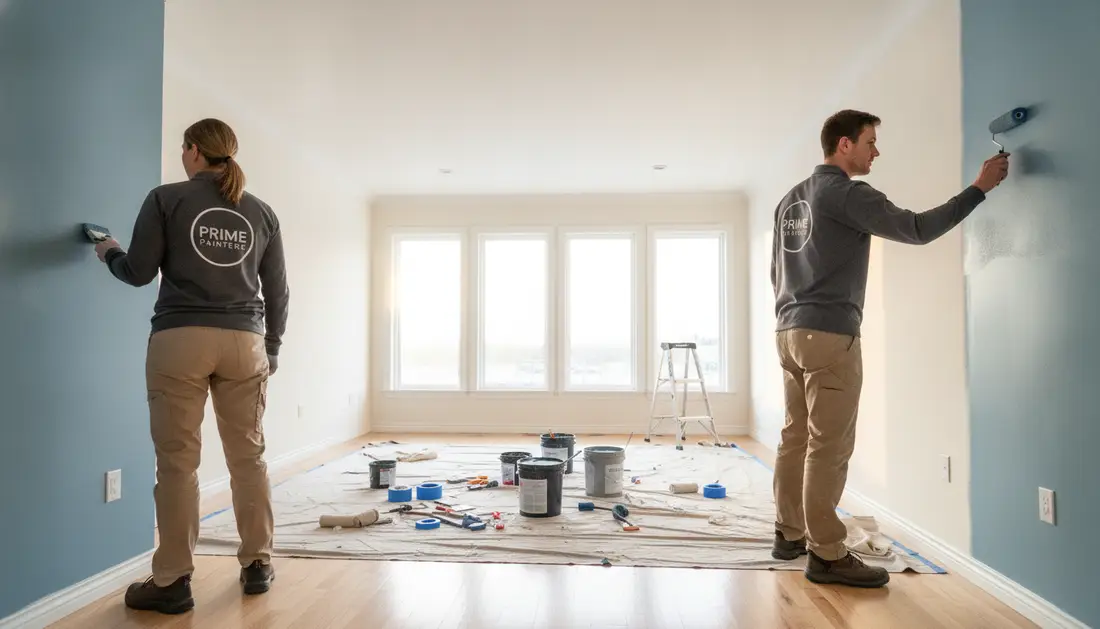
A team of three to six painters can typically complete an average interior project in 3–4 days.
Why this matters: crews bring trade tools and workflows that cut time on prep, cleaning and high ceilings. Their experience avoids common mistakes that cause rework.
Managing your personal schedule
Doing the work yourself often means evenings and weekends for several weeks. That takes time away from work and family.
Practical point: hiring contractors keeps the project on track and reduces the strain on your routine. Our platform helps you find teams that match your timeline and quality requirements.
| Task | Coordinated Crew | Homeowner Doing It |
|---|---|---|
| Standard interior project | 3–4 days | Several weekends |
| Prep and cleaning | Included, efficient | Time-consuming, often longer |
| Handling high ceilings | Fast with tools | Requires rentals or extra time |
Safety considerations and equipment requirements
Working at height demands more than ladders; it needs planning, training and certified safety kit.
Safety considerations are paramount when you must reach high ceilings or exterior roof peaks.
Professional painters arrive insured and with the correct equipment to protect your property and their team.
Attempting a diy painting project without scaffolding or professional-grade ladders can cause serious accidents. The cost of hiring or buying safety gear often outweighs weekend savings.
Key points to check before any job:
- Are the crew insured and trained for working at height?
- Do they use harnesses, guard rails or certified ladders?
- Will access affect your interior and exterior surfaces?
- How will safety measures protect your family and home?
| Risk | DIY Attempt | Trained Painters |
|---|---|---|
| Working at height | Often uninsured, basic ladder | Scaffolds, harnesses, training |
| Equipment expense | Rental or purchase adds cost | Included in quote or contractor supply |
| Schedule impact | Delays from accidents or rework | Safety protocols save time |
Bottom line: prioritise safe methods and proper tools. Choosing experienced teams minimises risk and keeps your project on track.
When to choose a professional contractor
Some jobs demand trade skills and equipment that most homeowners simply do not have. Choose a contractor for work that raises safety, scale or regulatory issues.
High ceilings and complex access
High ceilings, steep roofs or awkward scaffolding need certified access gear and trained crews.
Attempting these alone increases risk and extends time on the job.
Handling lead-based paint
Homes built before 1978 may contain lead-based paint and must follow strict regulations for removal.
Only licensed contractors should strip or encapsulate lead layers to protect your family and the house.
Advanced weatherproofing needs
When exterior surfaces require specialised primers, sealants or long-term weatherproof systems, experienced painters deliver durable results.
“Hiring the right team reduces repeat work and protects your investment.”
- Choose pros for complex surface preparation, colour matching and large paint jobs.
- They offer warranties, correct tools and peace of mind.
- Use our quote request to compare bids and find the best value for your project.
Navigating our quote request process for accurate pricing
A clear brief from you produces the most accurate quotes from local contractors. At paintingpricepersquaremeter.co.za you can request up to three painting quotes for a house or single room project.
Start by telling us whether your work is interior or exterior and add basic measurements, images and notes on surface condition. This lets contractors factor in prep, paint type, labour and expected time when they prepare their quote.
Why be specific: including details on high ceilings, previous finishes or any repairs gives you more precise pricing and reduces surprises on site. You can compare quotes side-by-side to judge value, not just the headline figure.
- Request up to three quotes to compare services, warranties and timelines.
- Confirm what each quote includes—labour, materials, access and finishing time.
- Use photos and measurements to improve accuracy and speed up responses.
Start your request today to find qualified contractors who supply clear estimates for paint, labour and total project cost. Our process helps you save time and choose the right partner for your home project.
Final thoughts on achieving a flawless finish
A well-planned repaint protects your house and makes daily living more pleasant.
Achieving a flawless finish in your interior spaces needs quality paint, proper prep and the right tools. Attention to detail brings even colour, neat lines and tidy ceilings.
For small diy projects you can save money, but consistent, long-lasting results often come from hiring professional painters. Professional painting delivers durability in high-traffic rooms and protects your home investment.
Use our platform to compare quotes, check warranties and confirm what each quote covers. That helps you choose the best route for your house painting and secure a lasting finish.
FAQ
What is the typical price difference between DIY and hiring professional painters in South Africa?
The upfront labour saving when you tackle a job yourself is clear, but compare it to total project spend: paint and primer, brushes and rollers, surface preparation materials, scaffolding or ladder hire for high ceilings, plus waste disposal. Professionals charge for labour and overhead but include access equipment, trade tools, faster completion and a warranty. For medium rooms homeowners often find professionals offer better value once rework, imperfect finish and time lost are counted.
How do painters calculate a quote — per square metre or per room?
Many contractors in South Africa quote per square metre for walls and ceilings, with separate charges for cornices, timberwork and metal. Others price per room for smaller jobs. Always confirm what’s included: number of coats, primer, surface repair, sanding, masking, ladder or scaffolding, paint brand and finish, and waste removal.
Which cost factors most affect the final price?
Surface condition (peeling, stains or damp), the number of coats required, primer use, paint quality and finish, access and height, preparation time (sanding, filler), special techniques (texture or feature walls), and labour rates. Weatherproofing, rust treatment or damp-proofing add to totals. Ask for a line-item quote to spot high-cost items.
Should I buy the paint or will the contractor supply it?
Practices vary. Some painters supply paint and include brand and litres in the quote; others allow you to supply paint, reducing markup. If you choose the paint, confirm quality (acrylic, emulsion, satin, eggshell) and colour matching. Always get written confirmation of brand, sheen and estimated litres required.
How many coats do walls usually need and how does that affect price?
Most interior walls need two coats over a suitable primer. New or repaired plaster may need an extra coat. Feature colours or deep shades can require additional coats, increasing paint use and labour time. Confirm the number of coats included in the written quote.
What prep work should be done before painters arrive?
Clear furniture from the room or request that the contractor do it. Remove switch plates and curtains if possible. For best results, ensure access to electricity and water. Contractors should handle masking, filling cracks, sanding and priming, but confirm which prep tasks are included and which you must do.
How long will a typical room take to complete?
A standard interior room usually takes one to three days depending on prep, number of coats, ceiling height and repairs. A coordinated team finishes faster than a single painter. Ask for a schedule and allow drying times between coats — rushing often causes uneven finish and extra costs.
Are there safety or equipment issues I should be aware of?
High ceilings require scaffolding or sturdy platforms and trained operators. Contractors should supply fall protection, PPE and correct ladders. For older homes, testing for lead paint is wise; handling lead requires specialist procedures. Confirm safety measures and equipment hire costs in writing.
What warranties or guarantees do reputable painters offer?
Many established contractors in South Africa offer workmanship warranties for a set period, typically 6–24 months, covering peeling, flaking or obvious defects. Paint manufacturer warranties cover product failure. Always get warranty terms in writing and check exclusions like water damage or structural issues.
When is it better to hire a contractor rather than tackle the job yourself?
Choose a contractor for high or complex access, extensive surface repair, multi-room colour consistency, tight timelines, or when you need a durable, commercial-quality finish. Professional teams also reduce disruption for landlords, property managers and investors by managing logistics and cleaning.
How can I avoid expensive mistakes during a repaint?
Confirm surface preparation standards, primer choice, number of coats, paint brand and sheen, and access costs in the written quote. Inspect previous work for patchiness, check for damp or efflorescence, and insist on a colour sample or test patch. Poor prep or wrong paint choice leads to premature failure and added expense.
Can painting help with waterproofing or rust protection?
Specialised coatings help with weatherproofing and rust protection, but they are not standard wall paints. For exterior work, contractors may recommend primers, membranes or elastomeric coatings. These products and their application add to the budget but deliver long-term protection.
How do I get accurate quotes through your platform?
Provide measurements, photos of surfaces, details about repairs, desired paint brands and finishes, and access notes (stairs, height, parking). Request up to three quotes, or up to five options where available, and ask each contractor for a line-item breakdown covering labour, prep, materials, access equipment and warranty.
What should I confirm in writing before hiring a painter?
Confirm scope of work, paint brand and sheen, number of coats and primer use, surface preparation, start and completion dates, total price and payment schedule, equipment hire, waste removal, and warranty terms. Written agreement prevents surprises and makes comparisons straightforward.
Related painting cost guides
Ready to compare?