
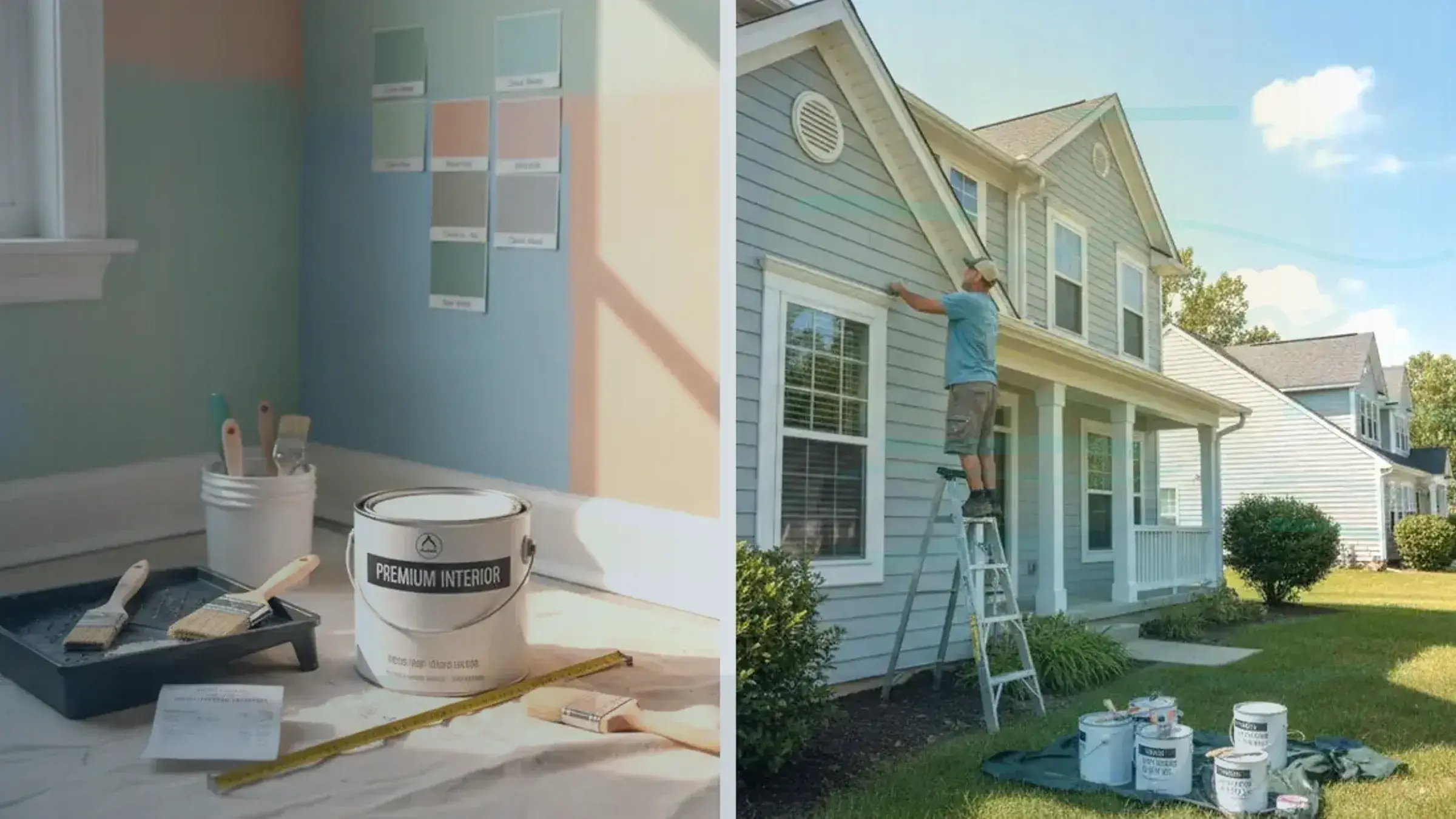
Room-by-Room vs Full House Painting: Which Is Smarter?
Minimum charges, repeat setup costs, and whole-home efficiencies – when batching rooms beats phasing them
Quick answer
Room-by-room vs full house painting compared – minimum charges, repeat setup costs and whole-home efficiencies, and when batching beats phasing.
16 min read
On this page
Are you weighing a single-area refresh against a complete interior overhaul? That choice shapes the price per square metre, the time the job takes and the level of prep work required. Our platform, paintingpricepersquaremeter.co.za, gives clear figures so you can plan with confidence.
We explain the main drivers: surface condition, paint type and finishes, access to ceilings and doors, and whether you hire pro painters or tackle a DIY effort. These factors alter both labour and material spend and affect the final look and durability.
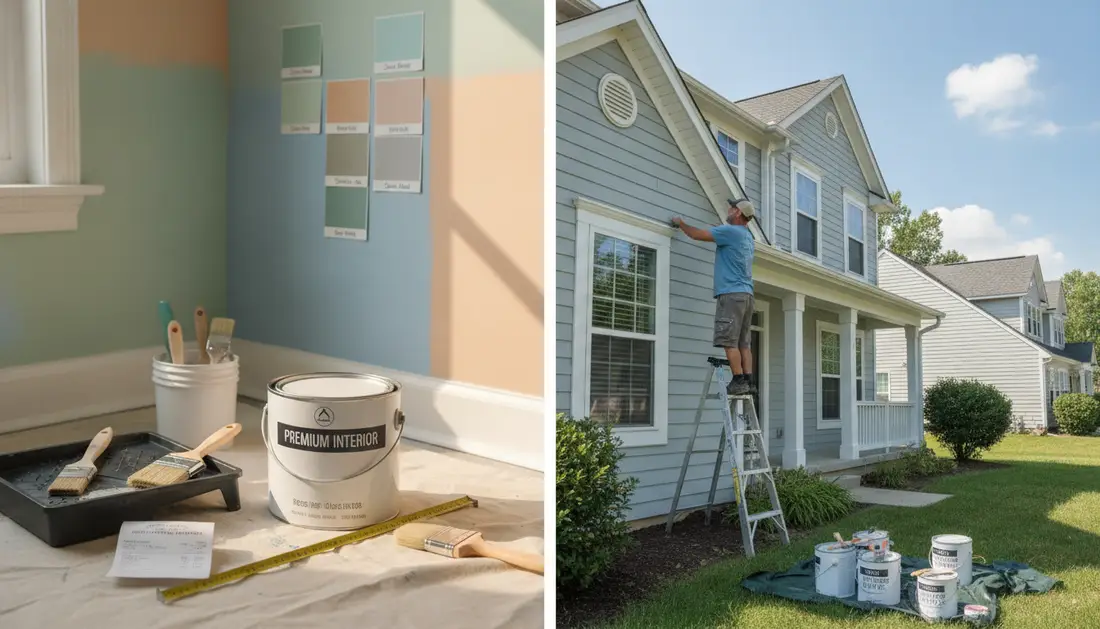
Use our pricing guidance to compare quotes, estimate the cost paint per square metre and decide the best way to phase your project. With accurate data you can keep costs down and still achieve high quality results for your interior house update.
Ready to compare quotes? Visit paintingpricepersquaremeter.co.za to request up to three estimates and take the guesswork out of your next paint job.
Understanding the Room vs Full House Painting Cost
A clear scope reduces surprises when you compare quotes for your interior refresh. Start by listing the areas you want done, the finish quality you expect and any high or difficult surfaces. This step sets the baseline for every contractor price.

Defining the Scope
Define whether you need one area or the entire interior of your home; per-room painting prices help with single spaces. Note wall height, trim, doors and ceilings separately.
Professional painters will use that list to calculate labour and materials and give a reliable cost per square figure.
Average Cost Variations
Typical figures help you set a realistic budget. For example, a 185 m² interior usually ranges from R66,000 to R165,000.
- 46 m²: R16,000–R41,000
- 186 m²: R66,000–R165,000
- 279 m²: R98,000–R246,000
Use these ranges to work out a cost per square and to compare quotes for your interior house. Break projects into phases if you need better cashflow or staged updates; our other our painting cost comparisons cover related decisions.
“Get a written scope and a clear cost per square — it simplifies comparisons and reduces surprises.”
Factors Influencing Your Total Project Spend
Several practical elements determine what your final project bill will look like.

Key cost drivers include the condition of your walls, the paint type you choose and the total square metres to be covered; whole-house painting prices scale all of these up.
- Prep work: patching, sanding and priming add labour and materials.
- Surfaces: ceilings and doors are often quoted separately because they take extra time.
- Access: high ceilings or ornate trim increase the per square labour rate.
- Measurements: accurate wall and area figures limit waste and unexpected expenses.
Practical tip: add a 10–20% contingency buffer to your budget for hidden damage or extra coats.
Discuss specifics with your contractor so the quote reflects prep, paint brand, and any separate line items for ceilings and doors; how long it takes to paint a house sets time expectations for a full job. That clarity helps you compare per square offers and avoid surprises when the team arrives.
“A small contingency saves big headaches — include it in your quote comparison.”
The Economics of Batching Multiple Rooms
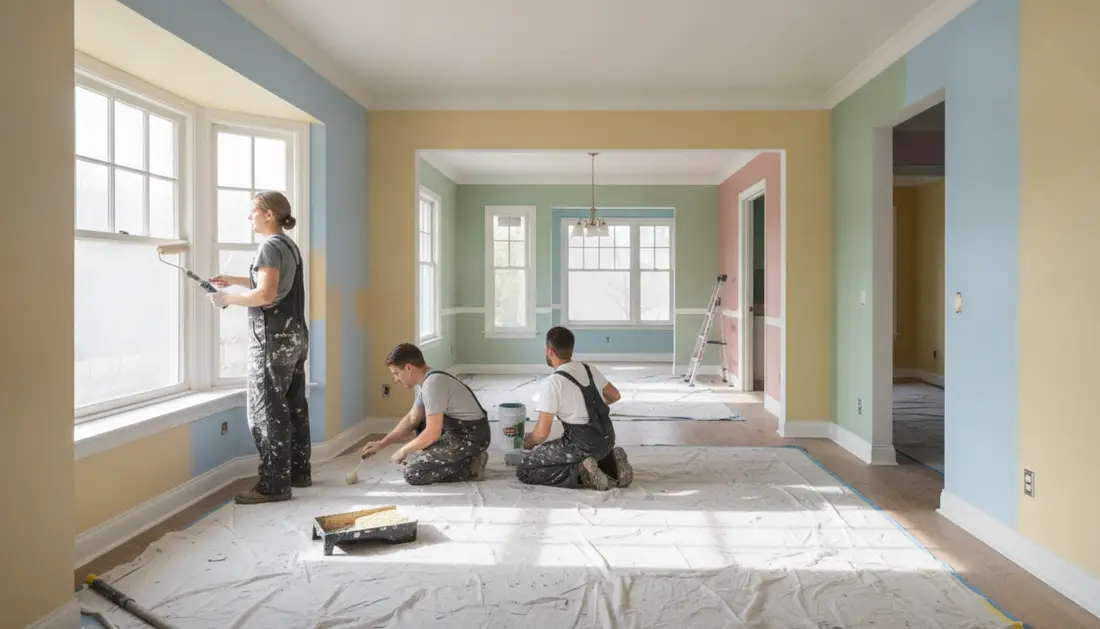
Grouping several interior areas into one job cuts down on repeated setup and travel time. This lowers the overall price and reduces disruptions in your home.
Efficiency gains come from fewer mobilisations, consolidated masking, and bulk material use.
Professional painters can pass savings to you when they complete a larger volume in one visit. That often reduces the per square metre charge.
Practical benefits and timing
Schedule work in the slow season (November–February) to get more flexible appointments and competitive quotes.
Whether you are DIY or hire a pro, batching improves consistency across walls and trim. It also shortens overall project time and reduces waste.
- Less setup: fewer protective coverings and less masking labour.
- Higher quality: uniform application and colour matching.
- Lower per-unit price: bulk labour and materials reduce the price per square metre.
| Batch Size | Typical Saving | Effect on Timeline |
|---|---|---|
| Single area | Baseline | Shortest single-day disruption |
| 3–5 areas | 5–15% lower per square | Faster overall completion |
| Whole interior | 10–25% lower per square | One coordinated schedule, fewer returns |
“Batching rooms reduces repeated setup and usually delivers a better price.”
Phasing Your Painting Project for Better Cashflow
Split the work into stages to spread payments and keep your budget steady. Phasing an interior painting job lets you manage cashflow by spreading the overall cost over months or years.
Start with high-use areas such as the living or kitchen so your home gets the biggest benefit early. Then move to less-used parts when funds allow.
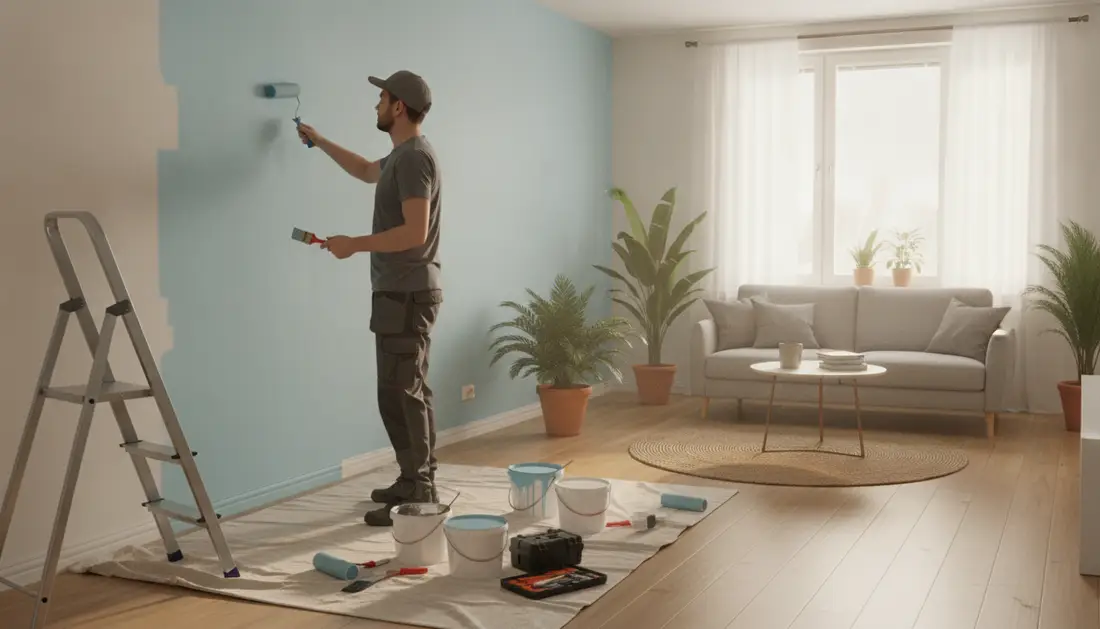
Define each phase clearly so contractors deliver consistent quality and the same paint sheen on the walls. That planning limits rework and maintains a uniform finish.
- Paint one room at a time to stagger payments and reduce upfront spend.
- Expect a slight premium per visit for multiple mobilisations, but gain cashflow flexibility.
- Schedule phases with your painters to fit your budget and available time.
“Phasing offers cashflow control while you gradually refresh your interior.”
Practical tip: confirm scope, paint brand and timelines in writing before each phase so the overall project stays on track.
Assessing Surface Condition and Prep Requirements
Inspecting surfaces early prevents surprises and keeps your interior painting project on budget. Check walls, ceilings and trim for cracks, loose plaster and visible stains before quotes are finalised.
Drywall and Plaster Repairs
Patching and sanding are non-negotiable. Professional painters will patch holes, sand rough spots and replace damaged plaster to ensure good adhesion.
Extensive repairs raise the per square price and extend the job time. Include this in your written scope so quotes reflect true labour and materials.
Stain Blocking Needs
Areas with smoke or water marks often need a stain-blocking primer. This step prevents bleed-through that ruins fresh paint.
- Assess walls and ceilings for stains that require special primers.
- Proper masking and floor protection are part of the essential preparatory work.
- Expect higher per square metre charges if stain blocking or major repairs are required.
“Skipping prep increases the chance of poor adhesion and higher long-term costs.”
Practical tip: confirm repairs, primer type and extra labour in writing so the final project meets a professional standard and your quote comparison is accurate.
Choosing the Right Paint System for Longevity
The paints and finishes you choose dictate durability, indoor air quality and the likely lifespan of a fresh coat on your interior surfaces.
Pick the right finish for each surface. Eggshell or satin suits walls in high-traffic areas because they balance durability and scrub resistance.
Semi-gloss is best for trim, baseboards and doors. It resists scuffs and cleans easily, so upkeep is simpler.
Choose low-VOC or zero-VOC paints to improve indoor air quality during and after works. That choice can affect the final price but reduces smells and health risk.
| Surface | Recommended Finish | Key Benefit |
|---|---|---|
| Walls | Eggshell / Satin | Durable, washable, low sheen |
| Trim & Skirtings | Semi-gloss | Scuff resistant, easy to clean |
| Doors | Semi-gloss | Durable and wipeable |
Use a proper two-coat system to ensure uniform colour and sheen. Better paints often mean fewer touch-ups and lower long-term cost paint per area.
Navigating Regional Pricing and Contractor Assessments
Labour and material rates vary across South Africa, so local market conditions shape the final price.
Urban areas usually show higher labour charges and faster demand, while rural towns can offer lower rates but longer lead times. That affects the per square figure you will see on quotes.
A reputable pro will visit and assess your interior surfaces, access and size before issuing a cost per square metre estimate. They must note ceilings, doors and any prep work needed.
When you compare quotes, check the scope line by line. Ensure each contractor lists paint type, coats, surface preparation and expected time for the job.
- Get local quotes: contractors know regional supplier prices and labour rates.
- Match scopes: confirm ceilings, doors and repairs are included.
- Ask about timing: current demand affects when painters can start.
“Clear scope and local quotes help you compare true value, not just headline price.”
Managing Expectations for Ceiling and Trim Work
When you include ceilings and trim, the project shifts from fast rolling to careful cutting-in and masking. These tasks require more labour, a steady hand and extra time on site.
Ladder Work Complexity
High ceilings and vaulted areas add risk and time. Working from ladders or scaffolding slows progress and needs experienced painters to stay safe and deliver a neat finish.
Typical regional guidance shows ceilings often billed at about R180–R350 per square metre. That line item reflects access and additional labour rather than just materials.
Masking Requirements
Detailed masking protects floors, fixtures and fittings. Preparing skirtings, cornices and window frames takes time but prevents overspray and reduces touch-ups.
Trim is commonly charged at about R180–R530 per square metre because masking and precise cutting-in use more labour than broad wall work.
Door Finishing
Doors usually appear as separate items on a quote: expect roughly R650–R1,650 each depending on prep and finish.
Trim and door paint often use semi‑gloss or a durable finish. That choice affects the cost paint line and the final durability of the surfaces.
- Ceilings, trim and doors are priced separately because they need extra time and precision.
- Professional painters factor ladder work, masking and specialised finishes into the quote.
- Clear expectations reduce surprises — confirm access, finish level and each line item in writing.
“Detail work for ceilings and trim typically changes the timeline and the final price; it’s not just another coat.”
Decision Rules for Your Property Situation
Decide which areas deliver the biggest value for your budget and focus there first. If you plan to sell, prioritise main living spaces and the kitchen to boost appeal quickly.
If you live in the home, start with high-use spaces that improve daily life and reduce wear on other areas. Consider the size and surface condition of your walls and ceilings when choosing scope.
Choose DIY for small, low-risk tasks and hire a pro for complex surfaces, high ceilings or extensive repairs. Professional painters advise on the best type of paint and finishes to match your goal and quality needs.
- Budget first: use per square and cost per square figures to compare scenarios.
- Prioritise impact: main living areas give the best return on time and costs.
- Mix methods: DIY small spaces; hire pros for tricky access or high-quality finishes.
“Clear decision rules save money and produce a consistent look across your interior.”
Maximising Value Through Our Quote Request Process
Use our quote request process to collect multiple offers and judge value, not just the headline price. This helps you compare how each contractor scopes the work and what they include for walls, ceilings and doors.
We recommend requesting up to three quotes so you see real differences in labour, prep and materials. Independent contractors will provide site-based assessments that reveal hidden needs and realistic timelines.
- Compare which quote lists patching, primer and number of coats.
- Check that each includes access requirements and any special finishes.
- Confirm warranties, start dates and payment milestones in writing.
Practical result: by reviewing multiple offers you balance quality and cost paint decisions. The process reduces surprise charges and helps you pick painters who match your standards and budget.
“Clear, detailed quotes make it easier to choose the right professional for your project.”
| Step | What to Confirm | Why it Matters |
|---|---|---|
| Request up to 3 quotes | Scope, materials, timing | Shows real price differences and inclusions |
| Compare line items | Walls, ceilings, doors, prep | Prevents hidden costs and rework |
| Agree and record | Start date, payment terms, warranty | Protects your budget and ensures delivery |
Start at paintingpricepersquaremeter.co.za and use the platform to find independent contractors. Clear communication during the process ensures your expectations for the work are met and your budget stays on track.
Essential Tips for Comparing Professional Estimates
Start by asking for at least three written quotes so you can compare real value and spot outliers. Ensure each estimate lists the same scope: number of coats, brand of paints and level of surface prep.
Request site visits where possible. A contractor who measures and inspects will give a more accurate per square metre figure than a quick phone estimate.
Check that each quote shows a breakdown for labour, materials and any warranties. That makes it easier to judge the quality of the offer and whether cheaper bids skip necessary prep.
- Compare apples to apples: same coats, same paints, same prep.
- Get at least 3 quotes: helps determine the average cost paint for your project.
- Watch very low bids: they may use inferior materials or minimal prep.
“A detailed quote protects your budget and helps you select painters who deliver quality work.”
Whether you choose a DIY approach or hire pros, confirm warranties and payment terms in writing before any work begins. That protects your investment and reduces surprises at completion.
Final Thoughts on Refreshing Your Home Interior
D
Good preparation, the right products and sensible scheduling deliver a lasting, high-quality result.
Plan the work so high-impact areas get attention first. That preserves your budget and improves the look of your home quickly.
Take time to compare quotes and confirm exactly what each contractor includes for walls, ceilings and trim. Clear scopes reduce surprises and save time on site.
Whether you tackle a single room or refresh the whole interior house, a staged job often balances cashflow with finish quality. Use our pricing guidance to request quotes and start with confidence.
FAQ
What is the difference between painting a single room and doing the whole house in South Africa?
Painting a single room is a smaller, quicker project with lower immediate labour and material outlay. A full-house job spreads mobilisaton, setup and travelling each day over many rooms, which can reduce the cost per square metre because of economies of scale. Confirm square-metre rates, number of coats and any repairs included before you accept a quote.
How do you define the scope when comparing batch work to a phased full interior refresh?
Define scope by listing painted surfaces (walls, ceilings, skirtings, doors), paint quality and number of coats. Note access issues, furniture removal, surface repairs and any stain-blocking or damp treatment. Clear scope prevents surprise extras on completion.
What average price ranges should I expect per square metre for interior work?
Typical South African rates vary by city and finish. Expect a lower bound for basic labour and mid-range paint, and higher for premium brands and extensive prep. Ask for per-square-metre or per-room breakdowns and check whether paint and warranty are included.
Which factors most influence the total project spend?
Main cost drivers are surface condition (repairs, sanding), paint type and number of coats, access and height, extent of masking and protection, labour rates in your region, and additional items such as trims, doors and ceilings.
How does batching multiple rooms save money?
Batching reduces setup and travel time per area, lets painters work more efficiently with a consistent workflow and lowers the markup on materials when bought in bulk. It also helps contractors schedule crews and reduces the number of site visits.
Is phasing the work a good option to manage cashflow?
Yes. Phasing lets you spread cost over time: prioritise high-use areas first, then complete remaining spaces later. Ask contractors for a schedule and staged costing so you know how labour and materials are allocated across phases.
How do surface condition and prep work affect the price?
Poor surfaces require more time and materials: filler, sanding, plaster or drywall repairs and priming. Each repair category should appear as a line item in the quote. Unseen issues found on site often increase the final price, so include an allowance for contingencies.
What are common drywall and plaster repair costs to budget for?
Small holes and cracks are inexpensive per patch, but large areas, new skim coats or replastering raise labour and material costs. Contractors usually price repairs per hour or per square metre — get a written estimate for anticipated repairs.
When is stain blocking necessary and how does it add to the work?
Stain blocking is required for water marks, smoke, tannin bleed from wood or rust stains. It adds primer costs and drying time. If stains are present, confirm that the quote includes a suitable primer system and a warranty against reappearance.
What paint systems give the best longevity for interiors?
Durable systems combine a suitable primer, quality midcoat and a washable topcoat for high-traffic areas. reputable paint brands are common choices; specify the product and sheen in your quote for realistic comparisons.
How much do regional differences affect contractor assessments and pricing?
Labour rates and material availability vary by city and neighbourhood. Cape Town, Johannesburg and Durban often show different pricing bands. Always request a site visit so contractors can inspect access, parking and surface condition — that yields accurate quotes.
How should I manage expectations for ceilings and trim work?
Ceilings often need extra prep and longer drying times; high ceilings require scaffolding or taller ladders. Trim, skirtings and doors need neat edging and sometimes spraying for a fine finish. Confirm whether these items are included and whether painters will use brushes, rollers or spray.
How does ladder work complexity affect the price?
Work above typical reach demands safety equipment, extra time and sometimes an assistant — all add to labour costs. If your home has high raked ceilings or mezzanines, expect a higher hourly or per-metre rate.
What masking and protection should be included in a professional quote?
Proper masking of floors, fittings, plug sockets, skirtings and furniture protection should be standard. Quotes should list protection measures and waste removal. Incomplete protection risks damage and additional rectification costs.
Are door finishing and hardware work charged separately?
Often yes. Doors may be stripped, sanded, undercoated and topcoated, or sprayed for a smoother finish. Hardware removal and rehang are additional line items. Confirm whether hinges, locks and handles will be masked or removed.
How do I decide whether to paint in one go or in phases for my property type?
Consider budget, tenancy schedules, renovation sequencing and the scale of required repairs. For rentals or occupied homes, phase high-use areas first. For vacant properties or full renovations, batching all work often gives the best per-square-metre value.
How can I get the best value through the platform’s quote request process?
Use the platform to request up to 3 quotes (up to 5 where available), provide clear measurements, photos and surface notes, and ask contractors to list paint brands and prep tasks. Compare like-for-like line items rather than only the bottom-line price.
What should I check when comparing professional estimates?
Compare scope, paint brand and litres, number of coats, prep and repair allowances, timelines, warranty, payment schedule and exclusions. A low price can hide shortcuts — prioritise clarity and written terms over the cheapest bid.
Which additional keywords should I include when searching quotes or information?
Add keywords such as per square metre, labour, prep work, trim, ceilings, skirtings, doors, primer, reputable paint brands, gloss, matt, eggshell, acrylic, spray finish, sanding, plaster repairs, stain blocking, access, scaffolding and warranty to refine searches and quotes.
Related painting cost guides
Ready to compare?