
Interior Painting Cost Per Square Metre in South Africa
Room-by-room repaint rates shaped by wall condition, masking needs, and interior prep
Quick answer
R8 160–R11 040 project totalR80/m² · 120 m²
Interior painting cost per square metre in South Africa – walls and ceilings by condition and paint grade, with prep, masking and labour explained.
Instant estimate
Interior painting cost calculator
Estimate interior painting by area, coats and prep — walls and ceilings.
12 min read
On this page
How much should you budget to refresh a room and still get reliable results?
Paintingpricepersquaremeter.co.za helps you answer that question with clear, local data for homeowners across the country.
Knowing the likely price for a paint job makes planning simple. Our platform shows typical rates, what pros charge for labour, and which variables shift the final price.
Consider surface preparation, primer and the number of coats. These factors affect the time and the quality of the finish. You can compare quotes, confirm what is included, and shortlist painters who match your budget and quality needs.
Use our guidance to avoid surprises: get realistic estimates, check paint type and warranty, and ask contractors for written quotes before work begins.
Which interior guide do you need? This page is about the rate per square metre for interior painting — what painters charge per m² so you can sense-check a quote. To budget a whole room or interior by size and condition, see interior wall painting costs; to price a repaint of existing walls, see interior repainting costs.
How much does interior painting cost per square metre in South Africa?
A clear price range helps you plan a room refresh without surprises. According to our pricing guidance, typical interior painting runs between R63 and R100 per square metre. That figure sits within our wider per-square-metre painting rates and includes basic labour and paint for standard jobs.
Final price depends on the condition of your walls and the scope of work. Rough surfaces, repairs, or high ceilings add time and money. The type of paint — PVA, washable acrylic or a premium low‑sheen — also affects the total, as does painting over dark colours, which can call for an extra coat.
Quick checks for an accurate quote:
- Measure height and width of every wall and subtract windows and doors.
- Add ceiling area if you plan to paint it.
- Ask painters to list paint quality, primer and the number of coats.
Our pricing guidance notes larger open spaces can lower the price per square metre because work flows faster. Always request a written quote that breaks down labour, materials and expected time to finish the job.
What affects your interior painting price?
Small differences in wall condition and paint choice can change your final budget noticeably.
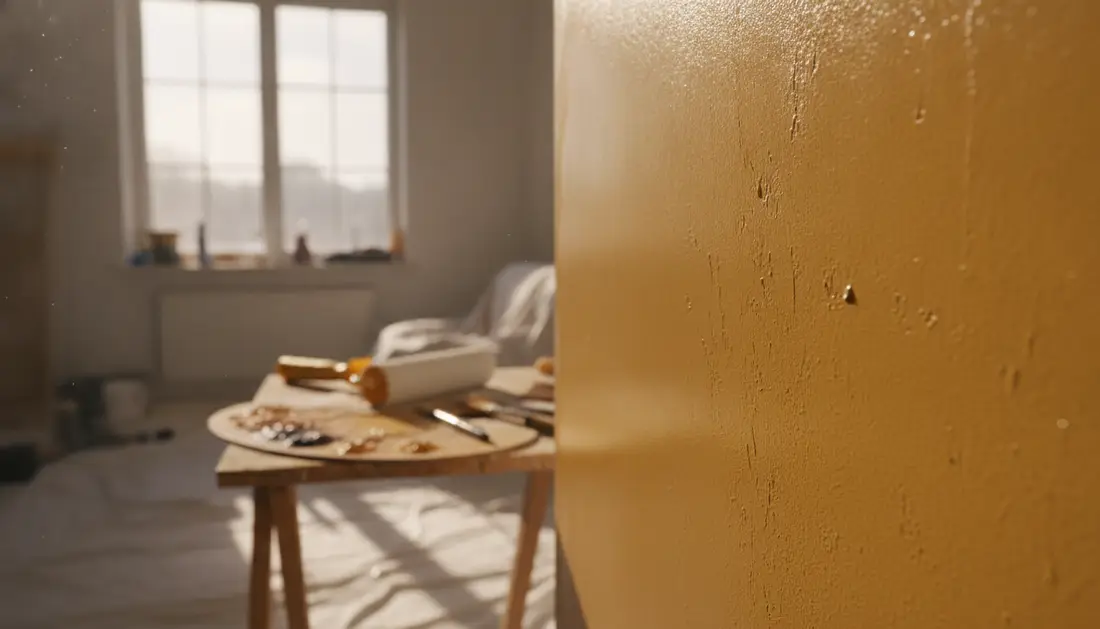
Start by inspecting surfaces. Peeling, damp marks or cracked plaster add labour for sanding, filling and priming. Contractors often assess this before work begins because repairs take extra time and materials.
Surface condition and complexity
Damaged walls raise the price. Complex features — high ceilings, ornate trims or awkward access — increase time on site and the number of coats needed. A three‑bedroom house usually needs about 350–400 square metres of paintable wall surface for a full refresh, which helps set realistic quotes; what interior wall painting costs breaks down wall-only jobs.
Paint quality and product tiers
Entry‑level PVA saves money upfront but may fade faster. Premium washable acrylics cost more but give better durability and a richer finish; choosing a paint finish explains matt, eggshell and satin. Always ask that your quote names the brand and product class so you know what you are paying for.
- Confirm primer and number of coats in writing.
- Balance upfront money against years of service from higher‑grade products.
How much is labour versus paint for interior walls?
Understanding whether a quote is labour-only or supply-and-fit clarifies your budget.
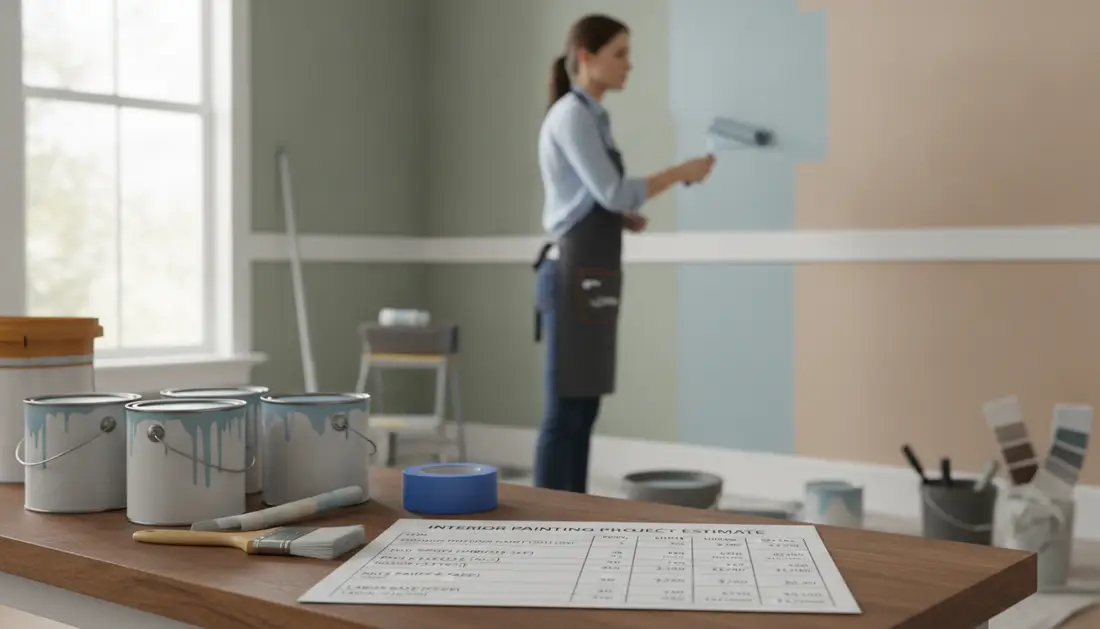
Labour-only deals charge separately for the work and leave you to buy the paint and accessories. This is often cheaper if you have trade access or prefer a specific brand.
Labour-only versus supply-and-fit
Supply-and-fit is more convenient. The contractor orders paints, manages delivery and handles all materials. That reduces risk and saves you time.
- Labour calculations include setup, masking, application and cleanup.
- Quotes should state primer, undercoats and preparation work.
- Complex access or high-traffic areas increase labour time and the final price.
| Service | Typical inclusions | Typical rate |
|---|---|---|
| Labour-only | Work only; you supply paints and accessories; itemised labour hours | R50–R100 / square metre (exterior guide) |
| Supply-and-fit | Paints, primers, labour, logistics and finish | Labour + material price quoted together |
| How to compare | Ask for itemised lists, number of coats and prep tasks in writing | Compare like-for-like quality and brands |
Get quotes that separate labour and material costs. That lets you spot extras and agree the scope before work starts.
The Importance of Professional Surface Preparation
A thorough surface prep is the single best investment to extend a paint finish’s lifespan.
Surface preparation prevents peeling, blistering and uneven colour on your walls. Skilled painters follow a clear prep ladder: a sugar‑soap wash, filling and sanding, spot priming, then two coats of paint.
These steps add time and labour, but they reduce future repairs. Skipping them to save money often leads to premature failure and higher repair prices down the line.
A well‑prepared wall needs less paint to reach full coverage. That lowers material waste and helps control the overall cost of a room or house refresh; see per-room painting prices for whole-space budgets.
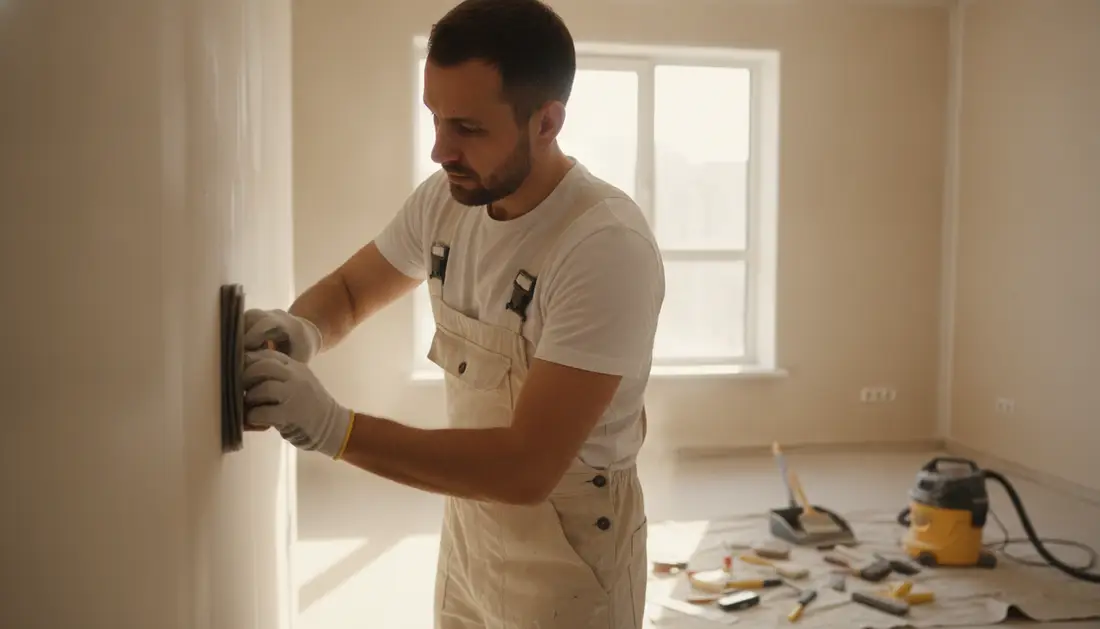
- Wash: remove grease and dust with sugar‑soap.
- Repair: fill cracks and sand for a smooth surface.
- Prime: spot prime repairs and porous areas.
- Finish: apply two coats for durable, even colour.
| Stage | Why it matters | Effect on price |
|---|---|---|
| Cleaning | Removes contaminants that stop paint bonding | Small labour increase; lowers rework risk |
| Repairs & sanding | Creates a smooth, even surface for finish coats | Moderate labour and materials; improves longevity |
| Spot priming & coats | Ensures adhesion and uniform colour | Adds material but reduces overall painting costs over time |
Always ask contractors to list their surface preparation steps in writing. That confirms quality standards and protects your investment.
Does an occupied home cost more to paint than an empty one?
Empty rooms let trades work faster and save you money on labour and setup. When a property is vacant, contractors skip tedious furniture moves and masking, though how to prepare a room before the painters arrive shows what you can still do yourself. That shortens the job and often reduces the final price.
In a lived-in home, painters spend extra time covering floors, protecting decor and moving items. That adds hours to the schedule and raises labour charges. Contractors may charge a premium to cover careful handling and risk management.
Tip: If you can schedule work during a renovation or between tenants, you will usually see lower prices and faster completion.
- Empty property: faster set-up, fewer interruptions, lower labour hours.
- Lived-in home: extra protection, slower progress, higher quoted price.
- Clear communication about the property state yields more accurate quotes.
“A well-planned access and protection plan saves time and improves the final finish.”
Whether empty or occupied, the final quality depends on preparation, choice of paints and the contractor’s attention to detail. Always ask for a written quote that lists protection, prep and the expected work schedule; our guide on how long it takes to paint a room sets timing expectations.
Navigating Our Quote Request Process
Use a single form to gather professional bids and see real price differences across contractors.
How it works: Visit paintingpricepersquaremeter.co.za and submit a short brief about your home, the rooms or walls to be worked on, and any special access or repair needs.
Get up to three quotes from independent contractors near you. Each quote will typically list labour, paints, prep work and an estimated timeline.
- Request multiple quotes to compare price, materials and workmanship.
- Check that quotes name paint brands, primer and the number of coats.
- Confirm whether the quote covers preparation, repairs and clean-up.
Free and transparent: our service is free to use and focused on fair market pricing and quality work. Once you receive quotes, review warranties, timelines and written terms before any work begins.
“Compare like‑for‑like details — the cheapest bid is not always the best value.”
Securing Long-Term Value for Your Home Improvement Project
Prioritising durable materials and independent contractors secures value long after the job finishes.
Choose high-quality paint and tradespeople who stand by their work to protect your home and walls. Use the resources at paintingpricepersquaremeter.co.za to compare price and quality and to find reliable local teams; what interior painting involves sets out the scope of a professional job.
Always ask for written warranties; they give you protection against peeling or fading and reduce future repair costs. Regular upkeep — light cleaning and quick crack checks — extends the life of the finish.
A well-executed job raises market appeal and shields your property against wear. With careful choices and clear quotes, you get a durable result that makes financial sense in South Africa.
FAQ
What is the typical interior painting cost per m² in South Africa?
Prices vary by region and job complexity. Expect a basic labour-only job from roughly R50–R120 per m², while supply-and-fit jobs using mid-range paint often land between R120–R220 per m². Premium paints, extensive preparation or specialist finishes push prices higher. Get up to 3 quotes, or up to 5 where available, from independent contractors to compare final quotes and warranties.
How does surface condition affect the final price?
Poor or damaged walls need more work: filling, sanding, plaster repairs or removal of flaking coating. That increases labour hours and materials. Simple repainting of clean, sound plaster is the cheapest. Always confirm what surface preparation is included in writing on the quote.
What should I check about paint quality and product tiers?
Paints differ by durability, washability and finish. Economy emulsion covers but wears faster; mid-range reputable paint brands balance price and lifespan; premium ranges offer superior coverage and stain resistance. Quotes should list brand, sheen, number of coats and primer use so you can compare true value.
Labour-only versus supply-and-fit — which is better?
Labour-only can save money if you supply paint bought at trade prices. Supply-and-fit simplifies the project and transfers material warranty responsibilities to the contractor. Choose labour-only when you have time and know product specs; choose supply-and-fit for convenience and single-point responsibility.
How much does professional surface preparation add to the budget?
Professional prep can add 10–40% to the job depending on needs. Tasks such as plaster repairs, priming, mould remediation or sanding are billed separately or itemised. Skipping prep saves short term costs but shortens paint life, increasing long-term spend.
Are rates different for lived-in homes versus empty properties?
Yes. Working around furniture, daily household routines and protection of personal items raises labour time and risk, so contractors often charge a premium. Empty properties allow faster workflow and lower hourly costs. Ask for separate quotes for each scenario.
What details should be included in a written quote?
A clear quote lists scope of work, surface preparation, paint brand and sheen, number of coats, primer use, total area measured, labour breakdown, start and completion dates, warranty terms and payment schedule. Confirm exclusions such as plastering beyond minor repairs or scaffolding costs.
How long will the job take for a typical house interior?
A standard three-bedroom home usually takes 3–7 working days depending on prep, drying times and number of coats. Larger repairs or specialist finishes extend the schedule. Contractors should give a realistic timeline in the quote.
How many coats are usually required and does this affect price?
Most walls need two top coats plus primer on new or patched areas. Dark-to-light colour changes or poor previous coatings may require extra coats. Each additional coat increases material use and labour time, so ask the painter to state coats on the quote.
Can I get a warranty on the work and paint?
Many reputable painters offer a workmanship warranty (commonly 1–5 years) and paint manufacturers provide product warranties. Ensure the quote specifies warranty length, what it covers and any maintenance requirements to keep the warranty valid.
What factors influence labour rates across different provinces?
Local demand, contractor experience, access, and travel time affect rates. Major metros often show higher base rates than rural towns. Also factor in VAT, body corporate rules for apartment work and any required permits or site access costs.
How do I reduce the overall expense without sacrificing quality?
Choose a mid-range paint from trusted brands, request competitive written quotes, do minor decluttering yourself, and schedule work in milder seasons to avoid rush periods. Confirm that quotes include adequate prep to prevent early repainting.
Should I buy paint directly from manufacturers or accept contractor-supplied paint?
Buying yourself can cut material costs if you secure trade prices. Contractor-supplied paint simplifies logistics and shifts product warranty responsibility. If you buy, give contractors clear brand and product codes to avoid disputes.
What access and site-prep questions should I ask before hiring?
Ask about parking, power, scaffolding or ladder needs, protection of floors and furniture, and whether occupants should vacate during works. Clear access issues upfront prevents delays and surprise fees on the final invoice.
How do finishes (matt, eggshell, satin) affect price and durability?
Different sheens have minor price variations but big differences in performance. Matt hides imperfections best and costs less; satin and eggshell are more durable and washable and may be recommended for high-traffic rooms. Discuss room function and maintenance when choosing a finish.
Can body corporates or rental properties expect different pricing or conditions?
Yes. Body corporates often require approved contractors, insurance certificates and specific working hours. Rental properties may need quicker turnarounds and more robust paints. Get quotes that reference any body corporate or landlord-specific requirements.
What is included in site visits and how many should I request?
Site visits allow accurate measurement, surface inspection and detailed quotes. Request one detailed visit per contractor; the platform recommends up to 3 quotes, or up to 5 where available, so you can compare labour, materials and timelines before committing.
Related painting cost guides
Ready to compare?