
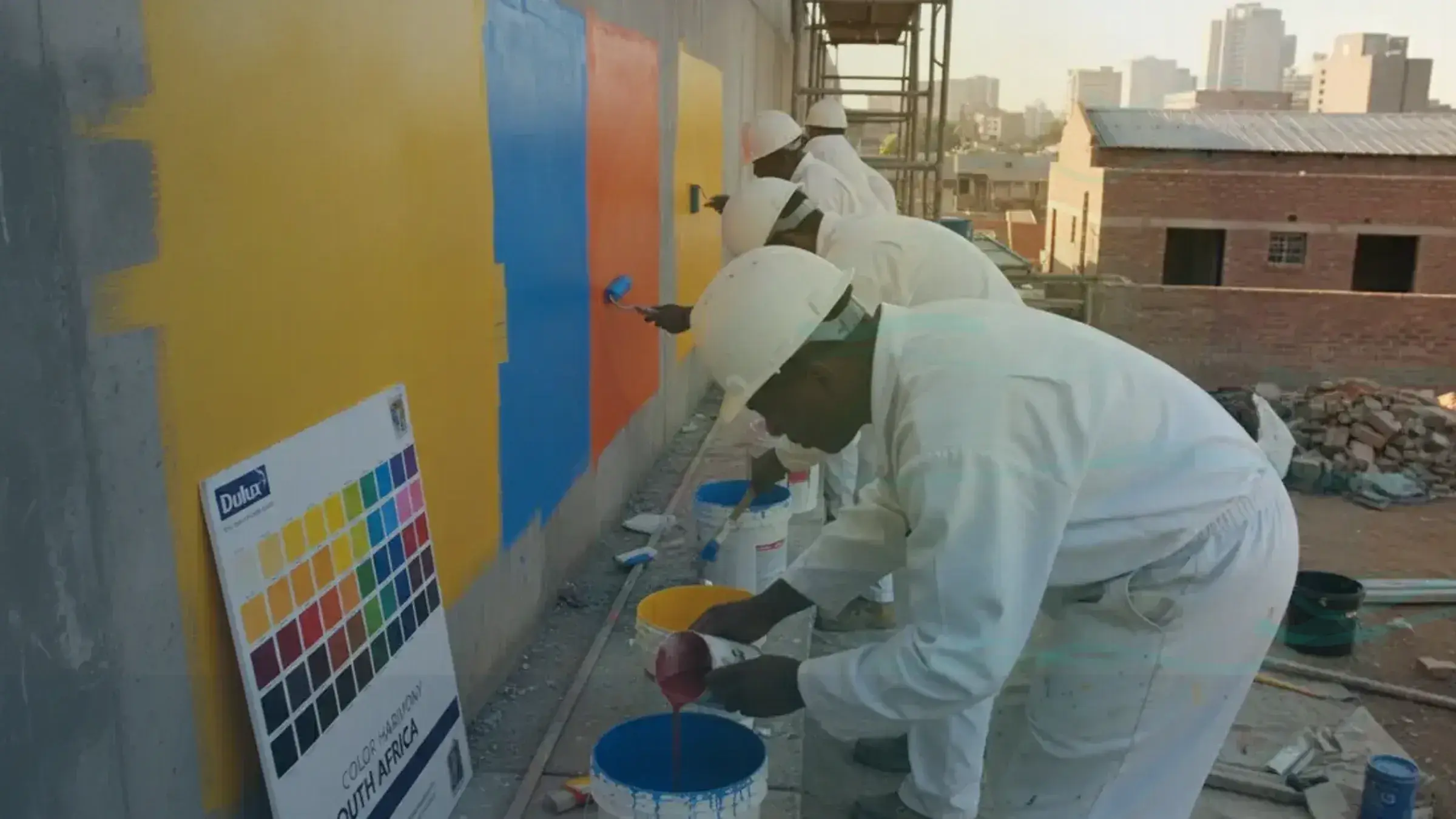
Painting Labour-Only Cost Per Square Metre in South Africa
When you supply the paint – labour rates per m² shaped by prep demands, access, and coat count
Quick answer
R5 610–R7 590 project totalR55/m² · 120 m²
Painting labour-only cost per square metre in South Africa when you supply the paint – rates shaped by prep, access, coat count and job size.
Instant estimate
Labour-only painting calculator
Painter labour per m² (you supply the paint) — by area, coats and prep.
14 min read
On this page
Curious: could a clear hourly range and a simple square-metre guide save you time and money when planning a home refresh?
Understanding the likely price for a paint job helps you plan with confidence. Basic rates often fall between R40 and R75 for standard work, while skilled tradespeople can charge from R450 to R900 per hour.
Our platform explains the factors that change final figures: surface condition, preparation needs, type of paint and the total area of the room or house.
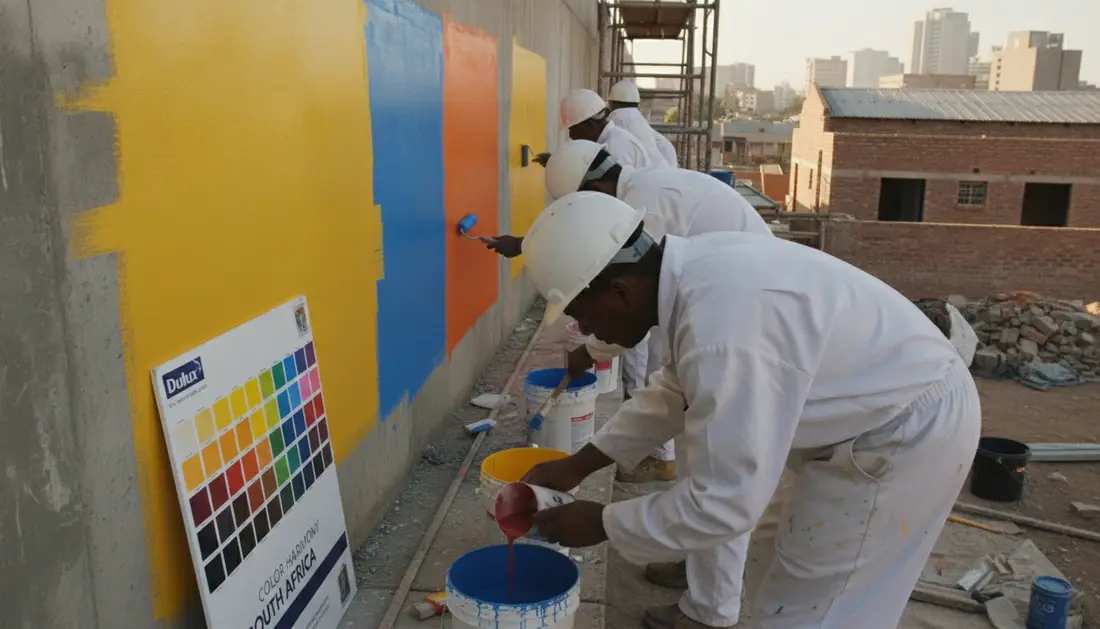
Use this guide to compare local market rates, decide if a DIY route makes sense and confirm what professional painters include in writing.
Visit paintingpricepersquaremeter.co.za to request up to three quotes and start your project with clear, comparable pricing.
How much is labour-only painting per square metre in South Africa?
Knowing how market trends and surface issues affect quotes gives you an edge when choosing contractors, and all our painting price guides put labour into context with materials and surfaces.
The industry valuation continues to climb, which reflects rising demand and wider price tiers across south africa. That expansion means prices vary more between a single room and a whole-house project.
Interior and exterior works differ in time, access and materials. Walls with damage need more preparation, and that often raises the final per square price.
- Market growth: brings more specialists and premium finishes.
- Surface condition: dictates preparation and repair time.
- Scope: a small job costs differently to full-house repainting.
Use our platform to compare quotes and confirm what is included. That helps you balance quality, paints chosen and long-term value for your home.
What affects a labour-only painting quote?
Quotes differ for clear reasons you can check before a site visit. Knowing these factors helps you spot fair rates and avoid add‑ons on the final invoice.

Surface Condition and Preparation
The condition of your walls is one of the top factors that affect the final price of a paint job. Cracks, flaking and damp areas require patching and sanding.
Extensive preparation increases time and materials but ensures a durable finish. That lowers repaint frequency and long‑term painting costs for your home.
Paint Quality Tiers
Choice of paint has a major impact on the project total; whether labour or paint costs more breaks down the split. Budget paints sit around R60–R80 per litre.
Premium paints can exceed R200 per litre and give better coverage and durability for high‑wear areas like hallways or bathrooms.
“Good preparation and a mid‑to‑high quality paint reduce repeat work and give the best value over time.”
| Item | Budget | Mid | Premium |
|---|---|---|---|
| Typical price per litre | R60–R80 | R90–R150 | R200+ |
| Coverage & durability | Basic | Good | Superior |
| Best for | Low‑use rooms | Main living areas | High‑traffic & exterior |
- Area size and job complexity affect total rates for each house.
- Special finishes, trim or cornices add time and may vary quotes.
- Confirm which prep tasks are included to avoid extra charges later.
Labour-only or supply-and-fit — which is cheaper?
Deciding whether you supply materials or let a contractor handle everything changes how you budget for a project.
Labour-only contracts typically sit between R40 and R75 in South Africa. That model lets you buy your own paint and supplies — what paint and materials cost shows that spend — and can save you money on the invoice for a room or whole house.
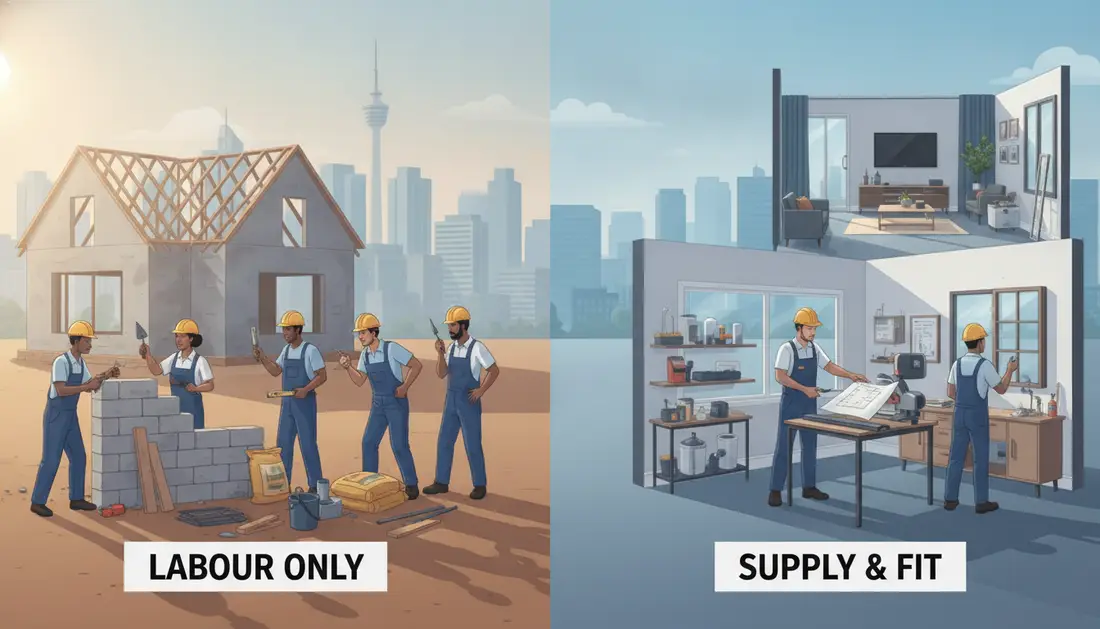
Supply-and-fit services include materials and often offer a warranty on the final finish; our labour-only vs supply-and-fit painting comparison weighs the two models. Choosing a premium paint in this model will raise the total but can improve durability on interior and exterior walls.
Surface preparation matters in both models. Poor prep increases time and affects quality, so confirm what is included in writing before the job starts.
- Labour-only: lower upfront price, you control paint choice.
- Supply-and-fit: single invoice, potential warranty and consistent finish.
- DIY saves on labour fees but risks uneven results without proper prep.
“Compare what’s included, check warranties and confirm surface prep to keep painting costs transparent.”
Analysing the Cost of Professional Painting Services
Hourly rates are only one part of what shapes your final invoice; whether painters charge per m² or per day explains the models. Tools, prep and access all influence the time taken and the finish you get.
Hourly Rates for Skilled Labour
Professional painters in South Africa typically charge between R450 and R900 per hour for skilled work. That range reflects experience, team size and the complexity of the task.
A standard room generally takes a crew 1 to 3 days to complete; see what painters charge per day for day-rate work. Quick jobs can feel cheaper but may skip essential preparation.
Included in professional fees you should expect surface preparation, masking, and correct application on interior and exterior walls. These steps protect the finish and reduce long-term painting costs for your home.
“Paying higher hourly rates can deliver a better finish and fewer repeat repairs over time.”
| Item | Typical range | What to confirm |
|---|---|---|
| Hourly rate | R450–R900 | Team size and experience |
| Typical room time | 1–3 days | Prep included, number of coats |
| Surface work | Prep & repairs | Which repairs are covered |
| Finish quality | Standard to premium | Warranties and touch-up policy |
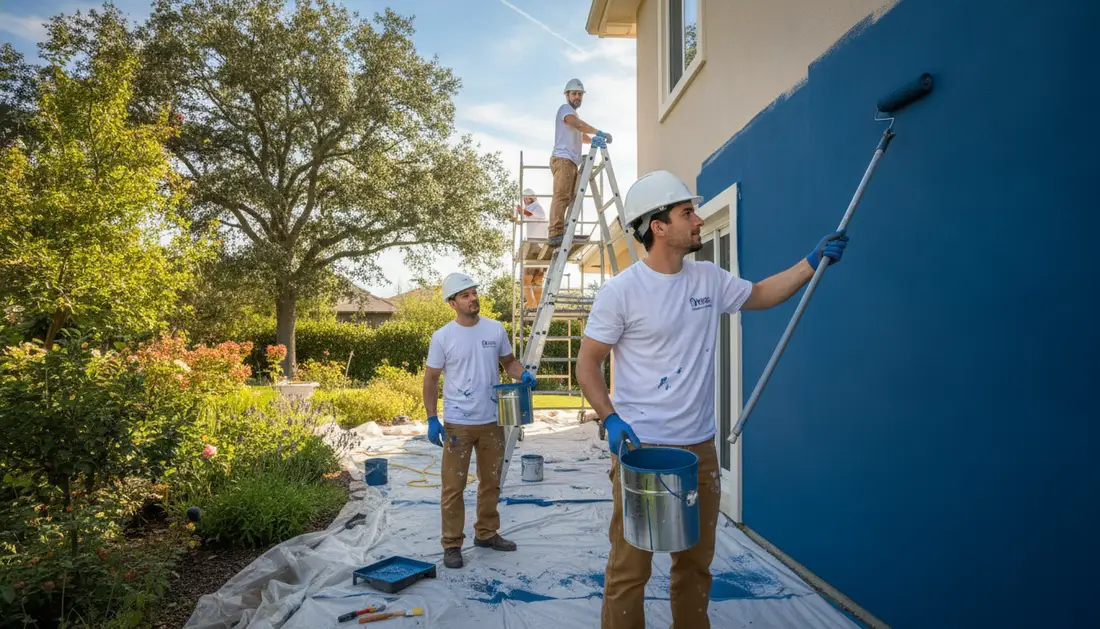
Comparing Painting Costs for a Standard Property
Start your budgeting with a 120m² baseline to see how contractors differ on time, preparation and finish.
Using a 120m² property as a reference helps you judge realistic totals for an interior and exterior project.
Key considerations are the size of the house, the number of walls involved and the surface condition. These factors directly affect the final per square figure and the number of coats required.
- Compare interior vs exterior bids to spot differences in access, weather protection and prep time.
- Ask each contractor how they assess surfaces and what preparation they include in writing.
- Whether you want a single room redone or the whole property painted, get multiple quotes to compare quality and paints offered.
Our platform helps you request up to three quotes so you can compare how contractors handle labour and materials for a standard property; painter deposits and payment terms covers how you’ll pay. That ensures the finish and quality match your expectations before you agree to a job.
The Impact of Surface Preparation and Consumables
A clear scope for preparation stops disputes and keeps your project on schedule. Define what must be done before any paint goes on, who supplies materials, and how repairs are charged.
Scope of Work
List each area and the surface condition to be addressed. A small room with good walls needs less time than a whole house with damaged walls.
Surface preparation can add roughly 10–20% to total painting costs. Include sanding, priming and masking in the written scope.
Consumable Grey Areas
Consumables such as masking tape, fillers and drop cloths are often unclear in quotes. Ask whether these are included or billed separately.
Repair Requirements
Crack filling, damp treatment and patch repairs affect the time and final finish. These repairs raise labour and material needs and must be listed.
“Clarify prep and consumables in writing to avoid unexpected expenses.”
| Item | Typical impact | What to confirm |
|---|---|---|
| Surface preparation | +10–20% | Tasks included and standards |
| Consumables | Variable | Who supplies masking, cloths, tape |
| Repairs | Depends on condition | Which repairs and warranty |
Professional Expertise Versus DIY Painting Risks
Weighing DIY against expert teams lets you protect your home and your budget.
Professional painters in south africa report consistently high customer satisfaction for completed jobs. That reflects consistent prep, correct primer choice and neat finishes that last.
DIY may feel cheaper, but mistakes often raise total costs by 10–25%. Errors include wrong paint for the surface, missed repairs and poor coverage.
Use our platform to find reputable professionals who confirm scope and finish in writing. This reduces the risk of poor surface work and rework.
- DIY: lower upfront spend, higher risk of rework.
- Professional: better quality, longer life and value uplift for your home.
- Decide based on budget, available time and the final quality you need.
| Aspect | DIY | Professional |
|---|---|---|
| Quality | Variable | Consistent |
| Risk to budget | May increase by 10–25% | Predictable |
| Surface prep | Often insufficient | Thorough, specified in quote |
| Value impact | Minimal | Can increase home appeal |
“Choose the route that matches your time, skill and desired finish — our quotes make that comparison simple.”
Specialised Finishes and Industrial Painting Rates
Roof and floor finishes demand specific materials and an eye for long-term performance.
Specialist coatings often command higher prices than standard interior work because they need unique products and application methods.
Roof and Floor Coating Costs
Roof coating guidance: expect typical rates around R40 to R80 per square metre depending on roof type and access.
Floor systems: epoxy and industrial resin floors usually range from R100 to R300 per square metre due to materials and preparatory work.
- Textured or industrial epoxy finishes need experienced teams and specialist primers.
- Surface preparation and substrate repairs drive much of the final price and durability.
- Compare quotes to ensure the quoted paints and warranties match the stated finish.
“Specialised projects need scope, material specs and curing times confirmed in writing.”
Our platform helps you compare contractors for these specific tasks so you can budget for the right quality and lifespan for your home or commercial project in south africa.
Regional Price Variations Across South African Cities
City-level differences can shift a home’s repainting bill by double digits. In south africa, Johannesburg rates are often 10–20% higher than Pretoria because demand and living expenses are greater.
Cape Town and Durban show different pressures. Coastal access, local supply chains and seasonal demand affect what you pay for painting and paint selection.
Quality and the availability of skilled tradespeople vary by region. That affects timelines and the final cost you receive in a written quote.
“Compare local bids and check what each quote includes so you know you’re comparing like with like.”
| City | Typical rate vs Pretoria | Main driver |
|---|---|---|
| Pretoria | Baseline | Lower demand, wider supply |
| Johannesburg | +10–20% | Higher demand, living costs |
| Cape Town | ±0–10% | Seasonal access, tourist demand |
| Durban | ±0–10% | Coastal logistics, supplier variability |
Use our platform to compare quotes in your area. That helps you judge painting costs fairly and secure the best value for your project.
Final Guidance for Securing Your Painting Project
A well-documented brief and careful quote comparison protect your budget and the final finish. Use paintingpricepersquaremeter.co.za for initial research and to learn local pricing ranges in south africa.
Key steps: confirm the scope in writing, list surface repairs, and agree the number of coats and timeline. Ask each contractor for a clear breakdown so you can compare quality and labour expectations.
Our platform lets you request up to 3 painting quotes to compare realistic costs and finishes. By choosing reputable professional painters you reduce the risk of rework and secure a consistent finish for your home.
Visit paintingpricepersquaremeter.co.za to get started and ensure your next painting project is completed to the highest professional standard.
FAQ
What is the typical painting labour-only price per m² in South Africa?
Typical labour-only rates vary widely by city and property condition. Expect a local range from roughly R45 to R180 per m² for standard interior walls when access and surfaces are in good condition. Rates trend higher for ceilings, high walls and exterior façades due to access and safety requirements. Ask contractors for a clear labour-only line item on the quote.
How does surface condition affect the quoted price?
Poor surfaces increase time and effort. Peeling paint, flaking plaster, damp stains and many nail holes require sanding, patching and priming before finish coats. Contractors will add items for preparation and repairs; these can double the labour time compared with a good, smooth surface. Always include a site inspection to capture these costs.
What are the main paint quality tiers and how do they influence the job?
Paints fall into economy, mid-range and premium tiers. Economy gives basic coverage and shorter life. Mid-range offers better opacity and durability. Premium reputable paint brands provide longer warranties and easier cleaning. Higher-quality products often require fewer coats but raise material spend; discuss trade-offs with your contractor so labour and product choices align.
Should I choose labour-only or a supply-and-fit arrangement?
Labour-only can save money if you supply paint and consumables yourself. Supply-and-fit shifts sourcing and risk to the contractor, often simplifying logistics and warranty handling. For body corporates and larger projects, supply-and-fit with specified brands and warranties is common. Confirm who supplies brushes, rollers, primers and masking and get that in writing.
Do professional painters charge by the hour and how much are hourly rates?
Some contractors use hourly rates for small repair jobs or uncertain scopes. Skilled painters in South African metro areas typically charge R150–R400 per hour depending on experience and complexity. For larger projects most prefer a measured rate per area or a fixed quote to avoid open-ended billing.
How should I compare quotes for a standard 3-bedroom house?
Compare written items: measured area, number of coats, brand and sheen of paint, primer use, surface repairs, access costs, working hours and cleanup. Break down labour-only versus materials. Ask for reference photos of previous work and confirm any warranty. Get up to three independent quotes to compare fairly.
What preparatory tasks increase overall project charges?
Extended prep tasks that add cost include sanding, filling large cracks, plaster replastering, mould or salt remediation, pressure-washing exteriors and extensive masking. Significant remedial work may require specialist trades and separate quotes. Ensure the scope lists each prep item so there are no surprises.
What consumables should I expect to pay for and who normally supplies them?
Consumables include masking tape, dust sheets, fillers, caulking, primer, thinners and brushes/rollers. In labour-only quotes you usually provide paints and often consumables; with supply-and-fit the contractor includes them. Clarify which of these are included and ask for brands and paint volumes on the quote.
How do repair requirements change the quote and timeline?
Repairs like replastering, replacing rotten timber or treating rising damp extend both cost and schedule. Contractors will price repairs separately or add contingency. Complex repairs can push back finishing coats while substrates cure. Request a phased quote so you can approve repair costs before finishing work proceeds.
Is professional work worth the extra spend compared to DIY?
Professionals bring surface assessment, correct tools, safe access and consistent finish quality, saving time and reducing rework risk. DIY suits small, low-risk jobs where surface prep is minimal. For rental properties, large homes or heritage finishes, hiring a reputable contractor generally gives better long-term value and warranty cover.
How do specialised finishes affect pricing?
Special finishes—textured coatings, metallics, faux finishes or industrial epoxy floors—need skilled tradespeople and more product time. These jobs command higher rates and may require multiple trades. Get samples, agreed tolerances and a staged programme on the quote before work starts.
What are typical roof and floor coating charges?
Roof painting and protective coatings often cost more due to safety, access and primer needs; expect a higher rate than wall work. Floor coatings like epoxy systems for garages or warehouses require substrate preparation, primer and multiple coats, and are priced based on square metres treated and the condition of the surface.
Why do prices vary between cities like Cape Town, Johannesburg and Durban?
Regional differences come from labour availability, transport and rental costs, local demand and supplier margins. Metro areas generally report higher rates than smaller towns. Coastal areas can add moisture remediation costs. Always compare local, contemporaneous quotes rather than national averages.
What should I confirm in writing before work begins?
Confirm scope of work, measured areas, number of coats, brands and finishes, who supplies materials, start and completion dates, payment milestones, insurance and warranty terms, and a process for change orders. Written agreement avoids disputes and clarifies whether the quote is labour-only or full supply-and-fit.
How many quotes should I request and how to use them?
Request up to three independent quotes, or up to five where available, to compare scope and pricing. Use the quotes to check consistency on area measurements, included prep work, paint brands and any exclusions. Choose a contractor based on value, references and clarity—not only the lowest price.
Related painting cost guides
Ready to compare?