
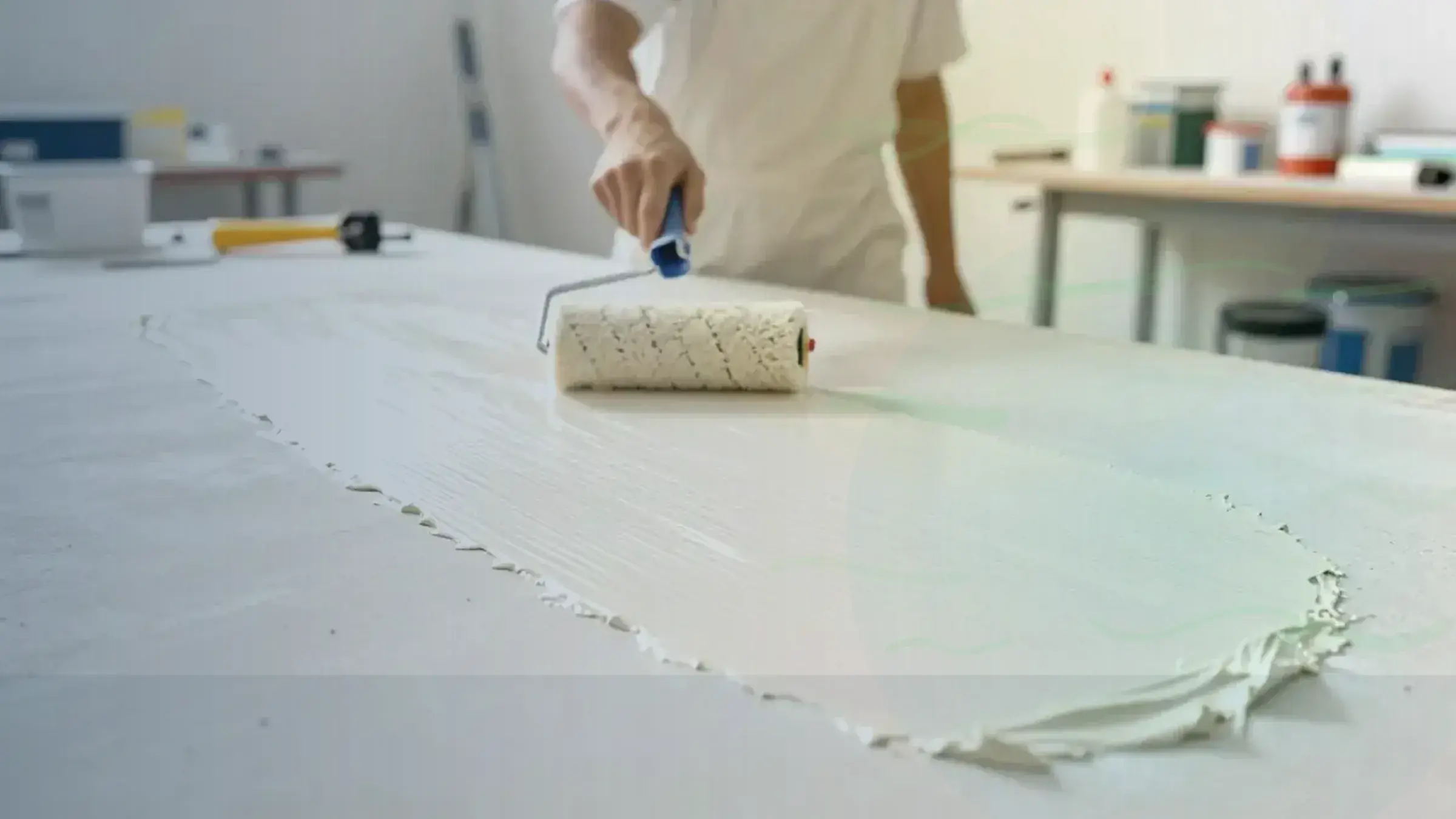
What Is Plaster Primer and When Do You Need It?
New plaster, patch repairs, and chalky walls – why the first coat is a sealing decision
Quick answer
What plaster primer does and when you need it – new plaster, Rhinolite skims, patch repairs and chalky walls, plus how bonding liquid differs.
8 min read
On this page
What is plaster primer South Africa — find true value for money with a clear guide to costs and quality from paintingpricepersquaremeter.co.za.
Have you ever assumed a new coat of paint would fix everything? Many homeowners only see problems after the finish peels or soaks unevenly.

Our platform gives simple pricing guidance so you can compare quotes and avoid overspending on materials or labour.
This base coat penetrates porous walls to form a stable surface that stops flaking and patchy absorption.
Whether you manage a renovation, a historic property or a new build, the right primer makes a lasting difference.
Visit paintingpricepersquaremeter.co.za to access clear, actionable resources that help you confirm costs, surface condition, prep work and contractor quotes.
Understanding what is plaster primer and its role in surface preparation
A correct base coat keeps your topcoat sitting on the wall rather than sinking into soft surfaces.
Plaster primer seals microscopic gaps across new and repaired walls; primer and undercoat costs show the spend. This stops paint from disappearing into the substrate and helps your finish look uniform.
Apply the right treatment and you avoid patchy coverage and extra coats. That saves material costs and labour on most domestic projects in South Africa.
Good preparation also builds a stable layer that bonds subsequent paint securely; our painting guides cover prep. This reduces the chance of future blistering, staining or discolouration that can be costly to fix.
Key benefits at a glance:
- Seals porous surfaces for even colour and texture.
- Prevents moisture loss from the topcoat so you need fewer re-coats.
- Creates a durable bond to reduce peeling and spots.
Plaster primer also moderates the chemical interaction between wall and paint; pair it with what plaster repair and painting costs when walls need fixing. Done correctly, it protects your investment and delivers a professional finish that lasts.
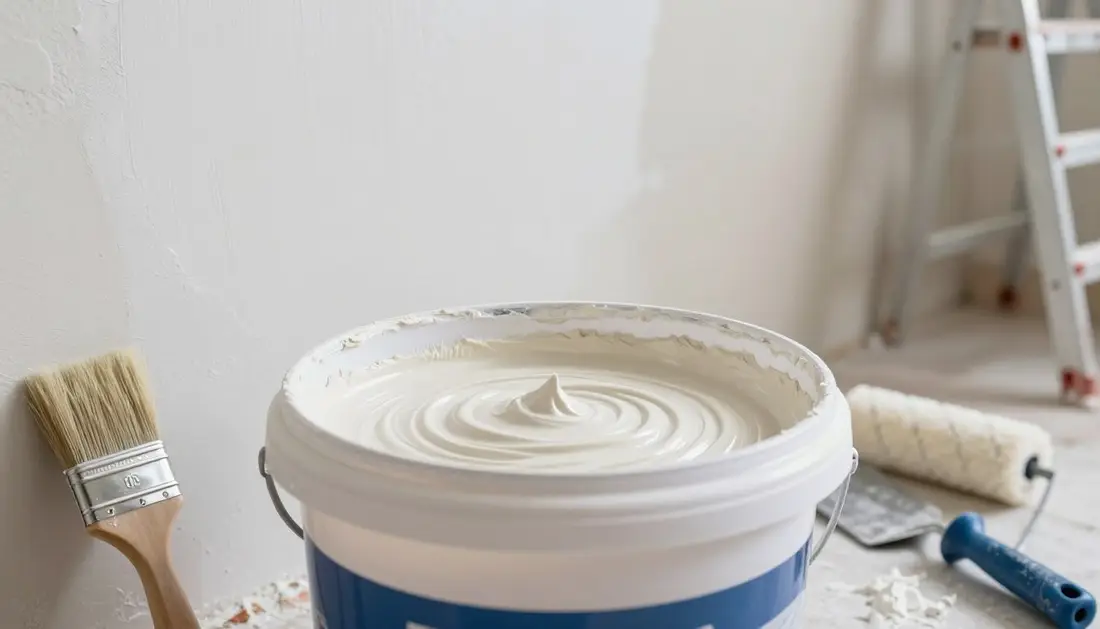
Why professional sealing is essential for new extensions and patches
New extensions and repaired walls demand a professional seal to avoid adhesion failure and uneven finish.
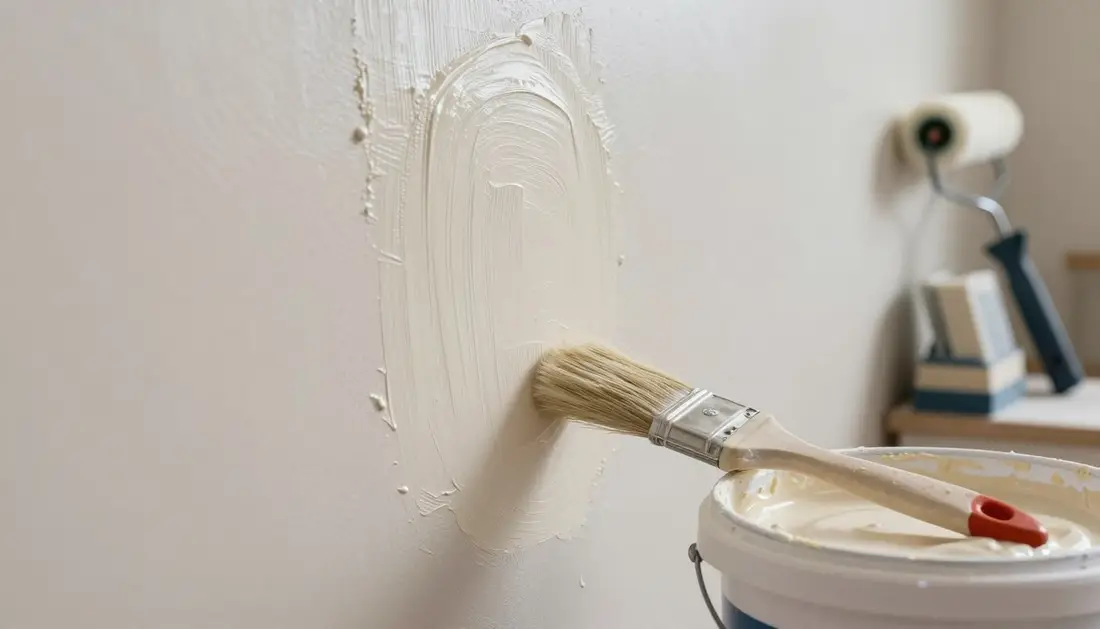
The impact of porosity on new plaster
Fresh work must cure for 5–7 days before any seal or paint goes on. Trapped moisture causes poor bonding and can make paint peel later.
Highly porous cement and gypsum will draw moisture from a coat and create patchy colour if left unsealed. A proper seal evens out absorption and reduces coats needed.
Managing Rhinolite and bonding liquid requirements
Rhinolite and similar textured finishes often need a bonding liquid when surfaces are friable or powdery. This stabilises the base so subsequent coats stick.
- Allow 5–7 days curing on new work.
- Use bonding liquid on loose or dusty patches before applying a plaster primer.
- Confirm sealing steps and costs in writing with your contractor when you request quotes.
- Proper sealing prevents “flashing” where repairs show under different light angles.
| Surface | Cure time | Sealing required | Typical cost factor |
|---|---|---|---|
| New cement render | 5–7 days | Yes — initial seal | Medium |
| Gypsum/plasterboard repairs | 5–7 days | Yes — bonding liquid if powdery | Low–Medium |
| Rhinolite/textured finish | 5–7 days | Often needs bonding liquid, then seal | Medium–High |
Technical considerations for primer application and surface integrity
Choose the correct formulation to protect new cement and concrete work and to ensure long-lasting finishes.
Dekro Plaster and Masonry Primer is a water-based, alkali-resistant product suitable for new plaster, cement and fibre cement surfaces. It helps stop alkaline salts breaking down the paint film on fresh concrete.
Allow a drying time of 4–6 hours before the topcoat. Stir the product thoroughly and follow the technical data sheet to confirm coverage rates and conditions.
Selecting between water-based and alkali-resistant formulas
- Water-based acrylic products dry quickly, clean up with water and suit most indoor plaster and gypsum work.
- Alkali-resistant formulas are essential for new concrete and cement that release alkaline compounds.
- Use a quality brush or roller for even application; avoid thin, streaky coats.
- Check compatibility when metal fixtures sit close to the wall to prevent corrosion or poor adhesion.
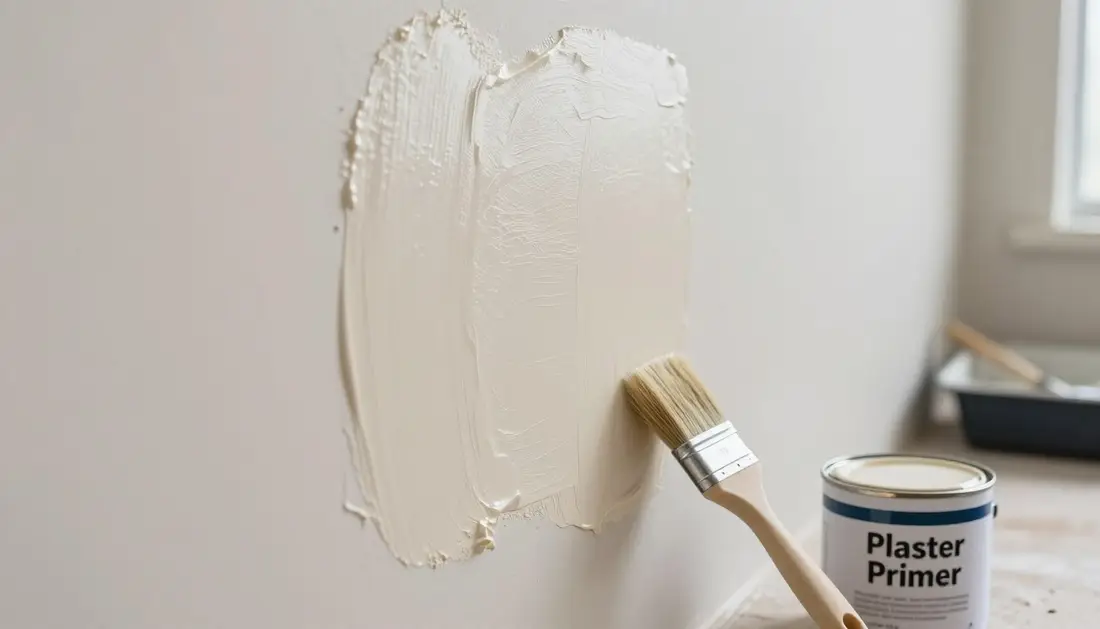
Common failure modes and the risks of skipping essential prep
When you skip prep, common failures such as peeling and bubbling appear within months.
Peeling and bubbling are the fastest signs that paint has not bonded to the underlying plaster or cement. The topcoat lifts where adhesion is poor, and repairs quickly become recurring costs.
Paint applied straight to raw walls soaks in unevenly. That produces patchy colour and texture because different areas absorb at different rates.
- Peeling and bubbling from weak adhesion.
- Uneven colour and patchy texture across the surface.
- Friable or powdery areas that continue to break down and cause large flakes.
- Trapped moisture in humid rooms, which raises mould risk and paint failure.
Cost note: Fixing a failed paint job typically costs far more than using a quality primer first. Contractors may refuse guarantees when clients skip the sealer, so confirm prep steps in writing before work starts.

| Failure mode | Cause | Likely cost impact |
|---|---|---|
| Peeling / bubbling | Poor adhesion to raw substrate | High — rework and labour |
| Uneven colour | Variable absorption on untreated surfaces | Medium — extra coats and materials |
| Flaking from friable areas | Powdery base not stabilised | High — local repairs and reseal |
Securing expert guidance for your next painting project
Connect with local painters to receive clear, written quotes for your exact surface needs.
Paintingpricepersquaremeter.co.za lets you request up to three painting quotes so you can compare costs and professional assessments before you hire.
We supply the essential information on cost drivers: surface condition, paint type, labour and necessary prep work. Use these details to judge each product and contractor offer.
Always confirm scope, warranties and timelines in writing with your chosen contractor. That protects your budget and avoids unexpected rework.
Visit paintingpricepersquaremeter.co.za for tools, trusted guidance and the information you need to choose the right plaster primer and related product for your walls.
FAQ
When should you apply a plaster primer on new interior walls?
Apply a plaster primer once new plaster has dried fully and any shrinkage cracks are filled. For typical South African conditions allow 7–28 days drying depending on thickness, ventilation and season. Primer seals high-porosity surfaces, reduces suction and ensures the topcoat covers evenly — which cuts material and labour costs.
How does surface porosity affect primer choice?
Very porous surfaces drink paint quickly, causing blotchy coverage and higher paint use. Use a penetrating, water-based sealer on highly absorbent cement or fresh skim coats. For dense, sound surfaces a standard acrylic primer will suffice. Check porosity with a simple water-drop test: rapid absorption needs a stronger sealer.
Do you need a specialised product for Rhinolite or textured finishes?
Yes. Textured finishes like Rhinolite are more absorbent and uneven. Use a dedicated sealer or bonding liquid specified by the manufacturer to prevent flaking and ensure adhesion. Follow product instructions for dilution and application to avoid compatibility issues with topcoats.
Which is better for walls: water-based or alkali-resistant primer?
Use water-based acrylic primers for general interior and exterior masonry where you want low odour and quick recoat times. Choose alkali-resistant primers for fresh cement, new render or high-pH substrates — they protect coatings from alkaline attack and improve long-term adhesion.
Can metal and concrete be primed with the same product?
No. Metal requires corrosion-inhibiting primers specifically formulated for ferrous or non-ferrous substrates. Concrete and cementitious surfaces need primers that handle high alkalinity and porosity. Always select primers rated for the substrate to avoid premature failure.
What prep work is essential before applying primer?
Remove loose dust, curing compounds and efflorescence; repair cracks and blowholes; allow repairs to cure; and ensure the surface is dry. Use a stiff brush, pressure wash or light sanding where needed. Clean, sound surfaces deliver the best adhesion and the most cost-effective coverage.
How should primer be applied — brush, roller or spray?
Use a brush for edges and detail, a medium-nap roller for flat walls, and airless spray for large areas or textured surfaces. Follow manufacturer drying and overcoating times. Spraying often needs back-rolling to ensure even penetration and reduce runs on porous substrates.
What are common failure modes when skipping primer?
Skipping primer leads to uneven sheen, premature topcoat peeling, blistering on damp or alkaline surfaces, and higher paint use due to suction. These failures increase repaint frequency and overall costs for landlords and body corporates.
How does primer choice affect total painting cost per square metre?
Correct primer reduces topcoat consumption and labour time by improving coverage and adhesion. While a quality sealer adds an initial cost, it lowers total spend per square metre by reducing repaint cycles and touch-ups. Ask contractors for a cost-per-m² breakdown including primer, topcoat and labour.
When should you seek professional advice for priming and sealing?
Get expert guidance for new extensions, large repairs, or when substrates vary across a project. Professionals can assess porosity, recommend water-based versus alkali-resistant systems, and provide accurate quotes. Use our platform to request up to 3 independent painting quotes to compare prices and timelines before work begins.
Related painting cost guides
Ready to compare?