
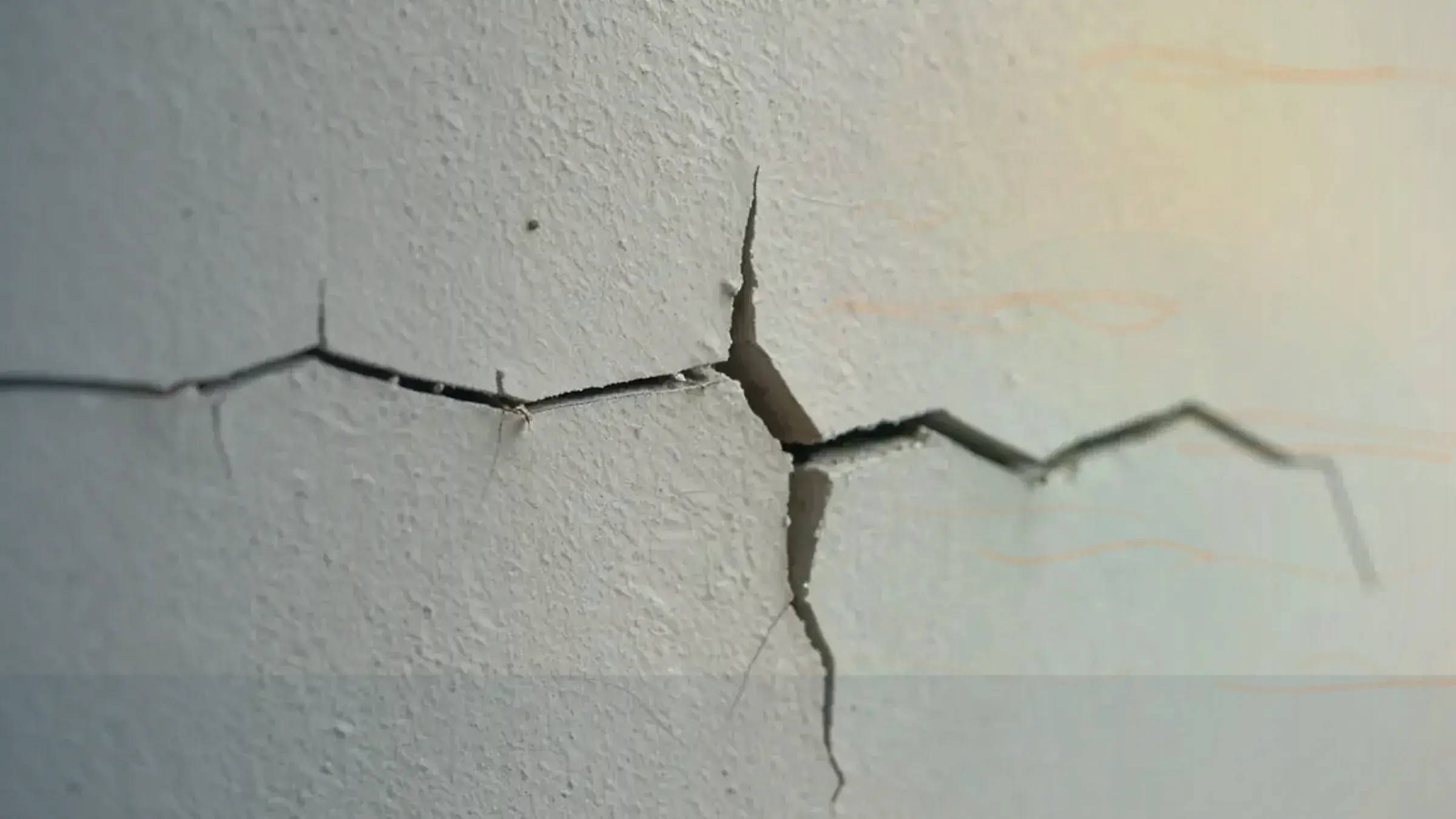
Hairline Cracks vs Structural Cracks: How to Tell
Which cracks a painter can fill and which need a builder first – width, pattern, and movement clues
Quick answer
Hairline cracks vs structural cracks – width, pattern and movement clues, which cracks a painter can fill, and when a builder must come in first.
12 min read
On this page
Hairline cracks vs structural cracks South Africa — understand the cost and value implications before you book repairs with paintingpricepersquaremeter.co.za.
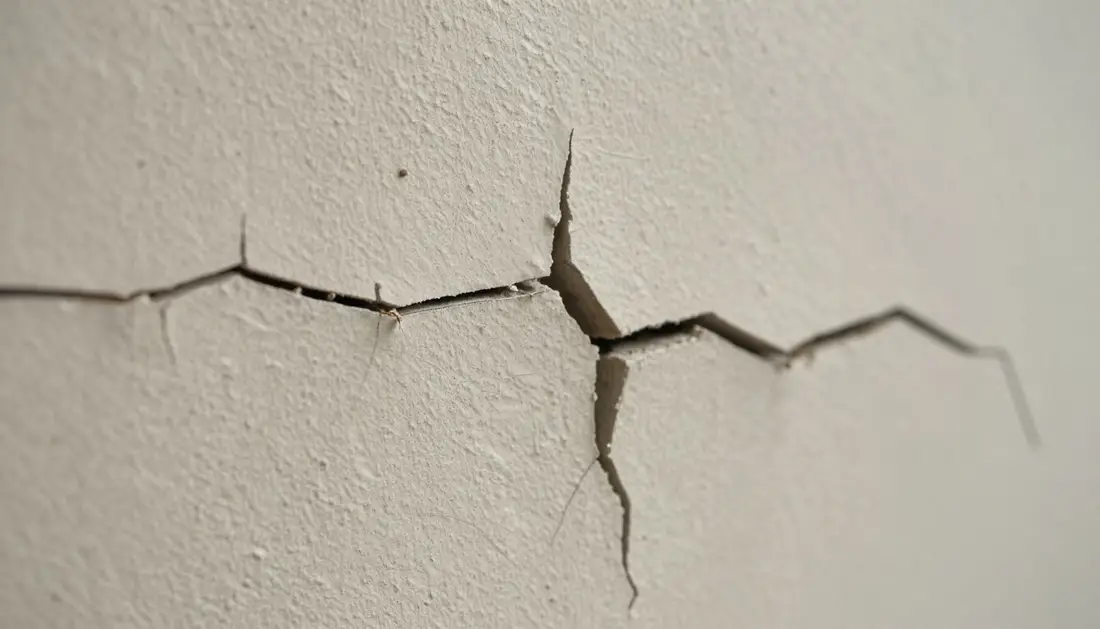
Do you know when a small split in a wall is a simple cosmetic issue or a sign of something worse?
Knowing the difference helps you protect your property and your wallet. We give clear, practical steps you can use today to assess a crack and estimate likely costs.
Quick benefits: save on unnecessary work, plan your maintenance budget, and decide if you need a painter or an engineer.
Throughout this guide we focus on South African conditions, common paint and preparation costs, and what to confirm in writing when you request quotes.
Understanding the difference between hairline cracks vs structural cracks
Spotting the right type of split lets you choose the correct repair and avoid extra costs.
Defining fine surface splits
Defining surface splits
Fine splits are typically under 1–2mm wide and explain why walls crack before painting. They mostly come from plaster shrinkage or minor settling in a new home.
Industry guidance often uses 2mm as the threshold between cosmetic defects and more notable movement. If the split stays stable and under that size, it is usually a paint and re-skim job.
Recognising deeper movement
Deeper movement follows patterns; our painting guides cover prep and repairs. Diagonal or stepped lines often point to foundation movement and require a professional assessment.
“If a split tracks through brickwork or affects door and window operation, seek an engineer.”
| Feature | Fine surface split | Deeper movement |
|---|---|---|
| Width | <1–2mm | >2mm or widening |
| Typical cause | Plaster shrinkage, settling | Foundation movement, structural load |
| Action | Cosmetic repair, repaint | Engineer inspection, targeted repairs |
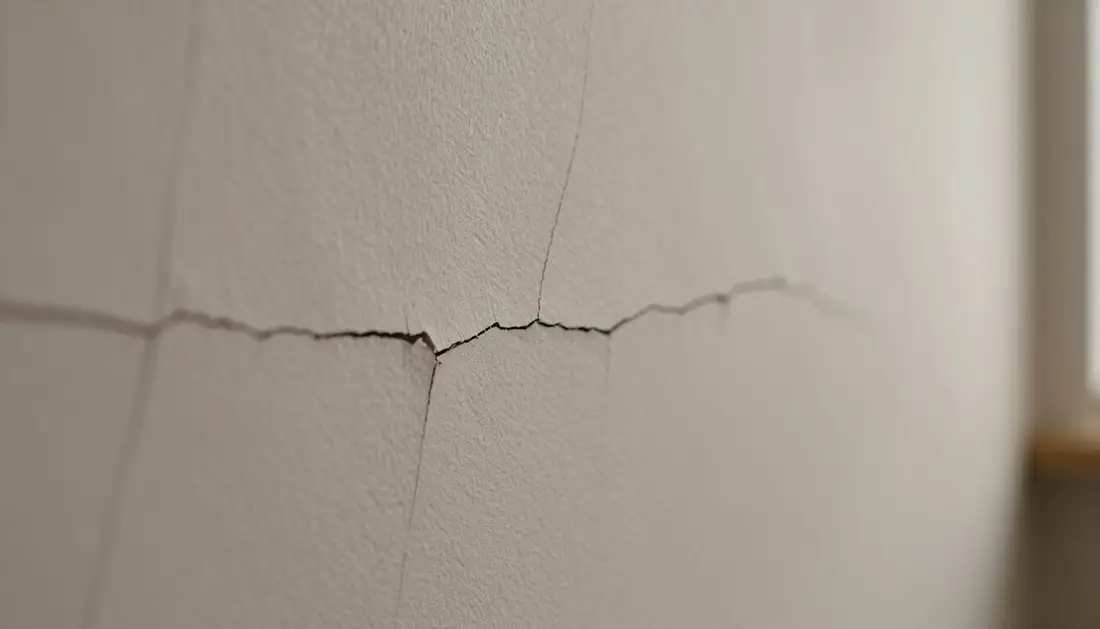
Key point: correct identification of these types prevents unnecessary works and keeps repair budgets realistic; crack repair pricing shows the range.
Identifying the visual signs of wall movement
Spotting early movement on a wall saves you from bigger repairs later.
Look for patterns, not just single lines. Diagonal cracks near window corners and stepped cracks in brickwork are classic signs that the ground under the building is shifting.
Horizontal cracks in walls are a serious concern. They may mean lateral pressure in concrete or foundation movement and should prompt an inspection.
A few practical checks:
- Cracks often appear as diagonal lines or stepped profiles along mortar joints.
- Notice doors or windows sticking — this commonly shows the property is moving.
- Monitor any crack wider than 3mm; measure it. Cracks wider than 5mm need urgent attention.
- Check floor level; a sloping floor often accompanies more severe damage.
“If cracks track through brickwork or disrupt openings, get a professional assessment.”
| Sign | What it suggests | When to act |
|---|---|---|
| Diagonal cracks | Settlement near openings | Monitor; inspect if growing |
| Stepped cracks in brickwork | Subsidence of the ground | Engineer assessment recommended |
| Horizontal cracks | Lateral stress in concrete | Urgent inspection |
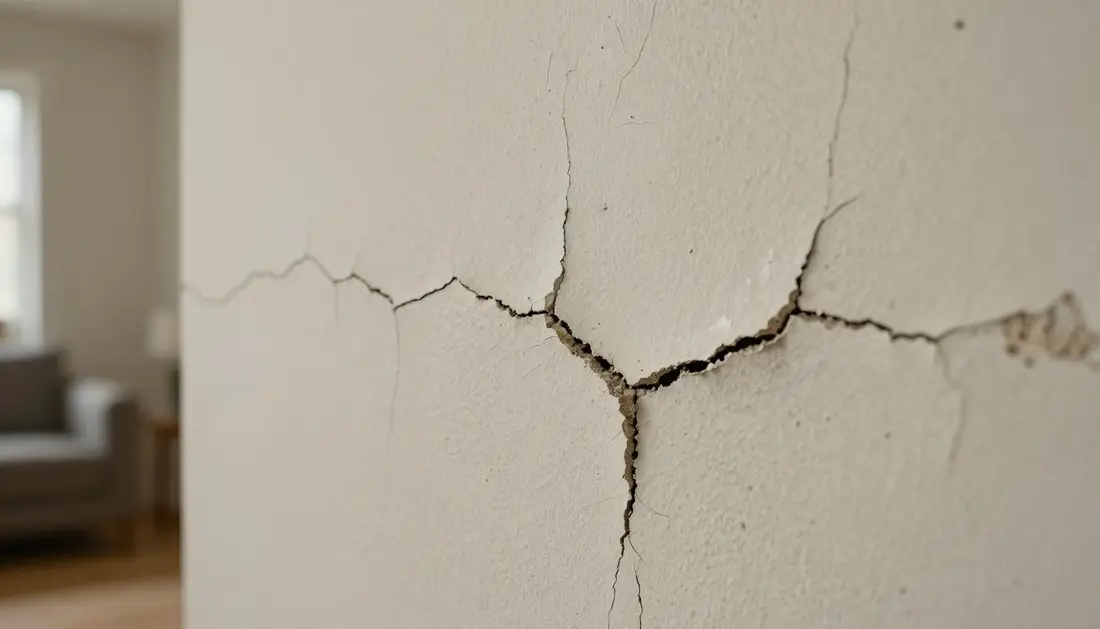
Key point: early visual checks save cost. Record width, length and location so quotes from contractors or engineers are accurate and comparable.
The impact of South African soil and environmental conditions
Local ground and weather make a big difference to your property’s stability.
Reactive clay soils expand when wet and shrink when dry. This regular change in soil volume is a common cause of wall movement and can lead to visible cracks and ongoing settlement.
The role of clay soils and settlement
South African homes built on reactive soil often show repeat movement after heavy rain or prolonged drought. Poor construction or inadequate soil compaction makes uneven settling more likely.
Water management is critical. Leaking pipes, blocked gutters or poor drainage let water pool near the foundation. Saturated soil increases pressure on concrete foundations and speeds up damage.
- Reactive soil expands and contracts with moisture and temperature changes.
- Poor drainage or leaking services can saturate soil and increase pressure on foundations.
- Good foundation design and regular maintenance reduce settling and future issues.

Monitoring techniques for property owners
Regular checks are a low-cost way to spot active movement early.
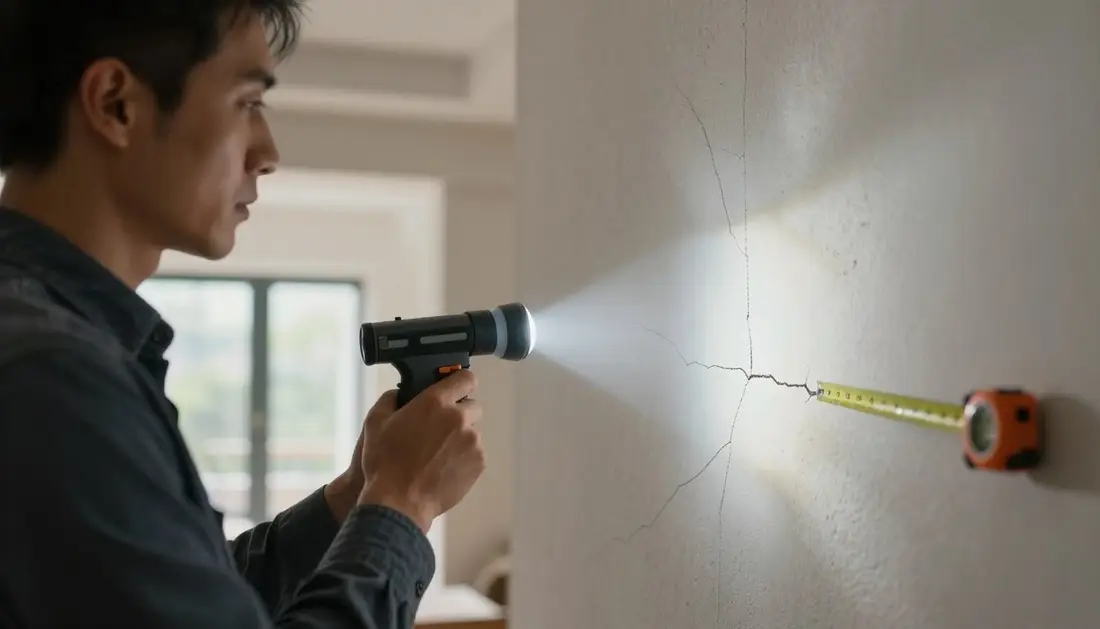
Start simple and keep notes. Mark the ends of a hairline cracks with a pencil and write the date. Check weekly and note any growth over time.
Use a coin to estimate width. Place the coin beside the crack and photograph it. Record the millimetre estimate in your log so contractors can compare later.
If you find moisture or damp near a crack, treat this as a warning sign. Moisture can mean a deeper issue that needs more than a plaster repair.
- Mark ends and date them weekly to track movement.
- Photograph with a coin for a simple width estimate.
- Keep a log of when cracks appear to spot seasonal changes.
Cracks usually respond well to simple fixes if stable. Wait until plaster is fully dry before cosmetic repair. Consistent monitoring protects your property and keeps repair quotes accurate.
When to seek professional structural advice
If you see multiple, widening or sudden lines on load-bearing parts of a building, arrange an inspection promptly.
Early professional checks save money and avoid unsafe outcomes. A qualified assessor can tell if the fault starts at the foundation, in concrete elements or within masonry.
Signs of foundation failure
Watch for diagonal cracks, horizontal cracks that open quickly, or long, spreading lines near footings. These often mean ground movement or stress under the foundations.
Doors and windows jamming
If doors or windows begin to stick, bind or no longer square up, treat this as a sign of building movement. These symptoms commonly point to uneven settlement of the foundations and need an engineer’s assessment.
Assessing crack width
Measure and record width and date it. Any crack wider than 5mm should prompt an urgent professional inspection. Multiple large cracks across walls are a serious concern and may compromise your property.
| Feature | When to act | Suggested action |
|---|---|---|
| Cracks wider than 5mm | Immediate | Structural inspection (engineer) |
| Diagonal or sudden horizontal cracks | Urgent | RICS Level 3 building survey recommended |
| Doors/windows jamming | Prompt | Engineer assessment and monitoring |
Excessive moisture or water pooling near the base can weaken soil and trigger further movement. A full inspection will identify the cause and outline any repair path, from targeted underpinning to drainage fixes.
Common causes of plaster and masonry damage
Most cracks in homes follow common patterns tied to moisture, movement or poor work.
Understanding causes helps you pick the right repair and avoid repeat costs.
- Plaster shrinkage is common in new homes as surfaces dry; this usually needs a cosmetic fix rather than structural work.
- Temperature changes force materials to expand and contract, which can stress mortar and concrete and cause visible damage in walls.
- Moisture ingress from leaking pipes, blocked gutters or poor drainage weakens plaster and concrete and accelerates decay.
- Termites quietly eat timber beams and can produce stress that shows up as cracks and sagging ceilings.
- Poor construction or poorly compacted soil at build time leads to foundation settling and ongoing movement of the ground beneath the building.
Key action: note the type and location of the crack, then decide if a simple repair is enough or if foundation inspection is needed.
“Record pattern, width and moisture signs. That helps trades give accurate quotes and avoid extra work.”
How our platform assists with your repair journey
Getting a few independent quotes lets you compare prices and plan your home repair with confidence.
Paintingpricepersquaremeter.co.za connects you with independent local contractors who can inspect a wall and advise whether the issue needs simple redecoration or further action.
Request up to three painting quotes through the platform. Compare itemised pricing for labour, materials and surface prep so you can budget accurately for plaster work or repainting.
Whether you are managing a small crack from wear or addressing water damage, our service shows multiple options for your property. You decide which contractor suits your timeline and cost expectations.
- Independent professionals for on-site assessments and clear written quotes.
- Transparent pricing guidance to compare labour, access and material costs.
- Quotes that separate preparatory plaster repairs from finishing and paint work.
Preparing for professional assessments and quotes
Documenting damage clearly helps professionals assess the true scope of repair work.
Before the inspection: measure each crack’s width and note its location on a simple sketch of the room. Photograph the wall with a coin or ruler for scale. Record any signs of moisture or water near the base or behind skirtings.
Gather copies of past maintenance records and recent construction work on the foundations or concrete slabs. This background saves time and helps the assessor spot recurring causes.
- Ask for an itemised quotation that separates surface preparation, plaster or skimming, paint type and labour.
- If you suspect the foundations are affected, request a professional engineer’s report before any major repair.
- Confirm start dates, completion time and written warranties for both materials and workmanship.
On inspection day: be present if possible. Point out any damp, past water incidents or areas where doors and windows have changed level. Clear access so contractors can inspect concrete walls and nearby footings.
“Always get an itemised quotation and an engineer’s report for major works.”
Final thoughts on maintaining your property integrity
Spotting early movement in a wall keeps repair bills low and predictable. Carry out simple checks every few months and note any new or widening cracks. Small splits often follow shrinkage or temperature changes, but monitoring stops minor issues becoming major.
Not every crack signals a serious problem. Many are cosmetic and need only surface work. Still, if you see repeated change, doors sticking or lines near the foundation, arrange an inspection for peace of mind.
Consistent care protects your property value and keeps your homes safe. When in doubt, get professional advice so you can plan repairs accurately and avoid unnecessary costs.
FAQ
What is the difference between hairline cracks and structural cracks?
Hairline damage are fine surface fissures in plaster or paint, usually less than 1 mm wide and caused by shrinkage, temperature change or minor settlement. Structural faults are wider, often diagonal or horizontal, and indicate movement in foundations, load-bearing walls or major settlement. Measure width, note pattern and monitor change over time to decide.
What visual signs show a problem with wall movement?
Look for diagonal splits at corners, horizontal lines through brickwork, widening gaps, or long runs that cross floor and ceiling lines. Fresh mortar loss, bulging plaster and repeated repair failure also signal movement rather than just surface blemishes.
How do South African soils affect building movement?
Many areas in South Africa have expansive clay soils that swell when wet and shrink when dry. This causes seasonal heave and settlement, which can open joints, lift slabs and stress foundations. Local rainfall patterns and nearby trees increase risk.
Why do clay soils and settlement cause cracks?
Clay changes volume with moisture. When soil beneath a foundation dries, it contracts and the structure can settle unevenly, producing diagonal or stepped separations in masonry. Excess moisture can cause uplift or softening that undermines footings.
How should I monitor a crack to see if it’s getting worse?
Mark the ends with a pencil and date it, measure width with a ruler or feeler gauge, and photograph weekly or monthly. Note changes after heavy rain or hot, dry spells. Increasing length, width over months, or sudden changes need prompt attention.
When should I get professional structural advice?
Seek an engineer when cracks are more than 3 mm wide, when you see horizontal or stair-step patterns, sloping floors, or if doors and windows start to jam. Also call a professional if you spot foundation exposure, bulging walls, or sudden rapid movement.
What are common signs of foundation failure?
Persistent, widening gaps at wall junctions; large vertical displacement; cracked or separated chimneys; severe differential settlement; and multiple failing repairs across the building are key indicators of foundation distress.
Why are doors and windows jamming a concern?
Jamming often shows frames have moved relative to the structure. That points to differential settlement or twisting of load-bearing elements. It’s a functional problem and a diagnostic clue to deeper movement that may need engineering input.
How do I assess crack width quickly at home?
Use a ruler or a set of feeler gauges. Less than 1 mm is typically cosmetic, 1–3 mm needs monitoring, over 3 mm should prompt professional assessment. Always compare measurements over several weeks or after seasonal changes.
What commonly causes plaster and masonry damage besides soil movement?
Moisture ingress from leaking gutters, rising damp, thermal expansion and contraction, poor workmanship, and impact damage. Recurrent moisture softens mortar and plaster, leading to detachment and surface failure.
How can the platform help with repairs and quotes?
Our platform helps you request up to 3 competitive painting and repair quotes from local independent contractors. Contractors handle site visits, final scope, pricing per square metre, timelines and warranties. Use the platform to compare costs, confirm inclusions and choose a licensed specialist.
What should I prepare before a professional assessment or quote?
Take dated photos, note when cracks first appeared and any patterns you’ve logged. Provide site access, show original plans if available, and list recent landscaping or tree works. Confirm whether the quote includes structural inspection, remedial work, plaster replacement, paint and warranty.
How are repair costs and pricing usually structured in South Africa?
Quotes typically break down into inspection fees, remedial labour, materials (cement, waterproofing, structural anchors), plaster and paint work priced per square metre, and access costs for scaffolding. Ask for a written scope, realistic timelines and any guarantees before accepting an offer.
When is a cosmetic repair sufficient and when is structural repair needed?
Cosmetic repair suffices for stable, fine surface lines under 1 mm that haven’t changed for months. Structural repair is required when you have widening gaps, repeating failures, sloping floors or evidence of foundation distress. If in doubt, get an engineer’s report before cosmetic works.
Related painting cost guides
Ready to compare?