

Painting Terms Glossary for South Africa
From sugar soap to snag list – the words on your quote, translated into plain English
Quick answer
A South African painting glossary – sugar soap, plaster primer, cutting in, two-coat system, snag list and the other words on your painter's quote.
15 min read
On this page
Curious how a simple list of phrases can change the price you pay for a home refresh? Our painting terms glossary for South Africa opens the door to clearer budgets and smarter choices, starting with realistic cost factors like surface prep, access and labour.
We help you decode industry language so you can talk confidently with contractors. By visiting paintingpricepersquaremeter.co.za you can compare quotes, check local pricing and see what influences the final figure.
Understanding this language is a practical step in property maintenance and the art of finishing. Whether you plan interior or exterior work, our guide highlights what to confirm in writing and how to assess paint type, substrate condition and prep requirements.
Ready to get accurate, independent quotes? Request up to 3 options via paintingpricepersquaremeter.co.za and feel confident discussing price per square metre with any contractor.
Understanding the Painting Terms Glossary for South Africa
This list explains the specialist words you will hear during a local site visit; browse all our cost guides for the figures behind them. It focuses on vocabulary often used by contractors across South Africa to describe scope, access and labour needs.
Every entry clarifies a term used to remove confusion when you compare quotes. Clear language helps you match expectations to cost and finish.
We curated definitions so you can follow the art of professional communication; our painting guides go deeper on each. Knowing the right words helps you assess prep work, paint type and warranty items.
“Clear definitions turn contractor talk into actionable checks for your quote and contract.”
Use this section to demystify industry language and make decisions with confidence.

| Phrase | What it describes | Why it matters |
|---|---|---|
| Surface prep | Cleaning, sanding, priming | Directly affects final cost and longevity |
| Access | Scaffolding, ladders, confined areas | Impacts labour hours and safety measures |
| Coating system | Primer, midcoat, finish | Defines durability and aesthetic result |
- Mastering these concepts lets you evaluate workmanship and price.
- It also ensures your brief to contractors is precise and measurable.
Essential Surface Preparation Terminology
A reliable finish begins with careful cleaning, sanding and sealing before any paint is applied. Proper surface work sets the cost and quality for the whole job.
Deglossing and Sanding
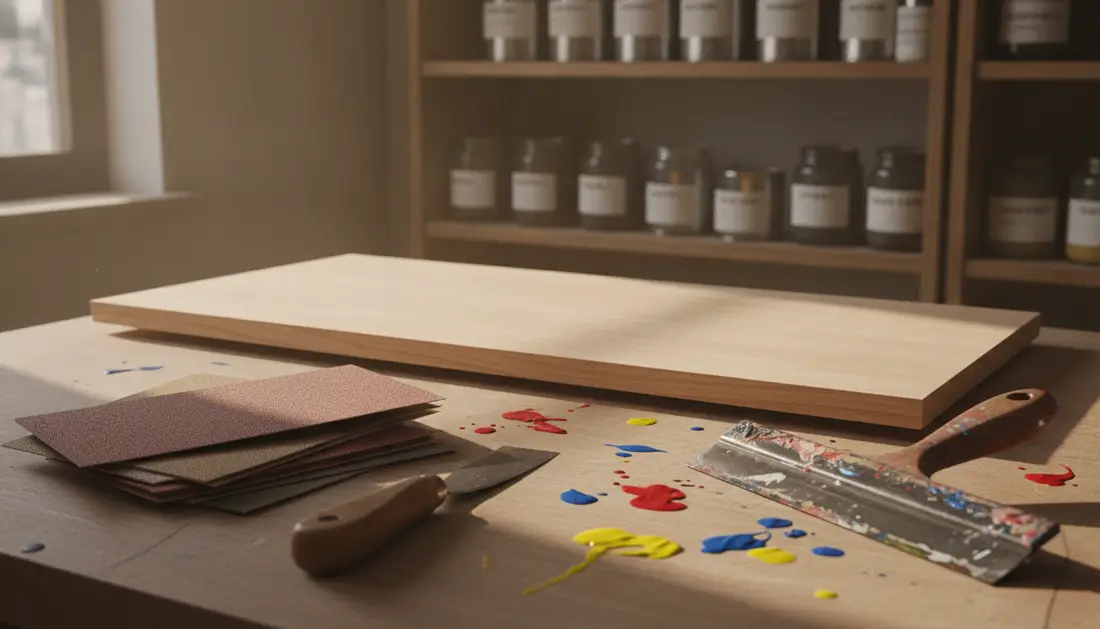
Deglossing removes old sheen so new paint can bond. Light sanding follows to smooth defects and create a keyed surface.
Using sandpaper or sanding sponges is often used to make surface painting uniform. These materials reduce the risk of peeling when the coating is applied.
Caulking and Sealing
Caulking seals gaps in wood, masonry and around frames. Proper sealing prevents water ingress and protects structural timbers and plaster.
The art of sealing matters most for exterior work in South Africa’s varied climate. Use high-quality fillers on cracks before any paint is applied to ensure a neat, long-lasting finish.
- Key point: Prepare thoroughly — it is the most important phase of the whole process.
- Ask contractors to list prep steps and materials so you can compare quotes accurately.
Decoding Paint Composition and Binders
Understanding what your paint is made of helps you pick products that last in South Africa’s climate.
At its core, paint is a complex mixture where pigment suspended in a binder creates colour and body. The binder is the non-volatile material that holds pigment together and forms the film on the surface.
Modern paints often use a polymer or acrylic emulsion. This allows faster drying times and easier clean-up with water compared with traditional oil options.

Choose a type based on exposure and traffic. Oil paint offers durability for high-wear items, while acrylic paint keeps colour longer and suits most homes.
- The art of paint chemistry balances resins and solvents so the coating performs over time.
- Each layer contributes to protection — primer, midcoat and finish must match in content and compatibility.
- Knowing the material and binder helps you decide what paints to use for walls, trim and exterior work.
| Component | Role | Practical note |
|---|---|---|
| Pigment | Provides colour and opacity | Higher quality pigments resist fading in strong sun |
| Binder | Forms the film and holds pigment | Polymer binders suit humid conditions; oil binders add robustness |
| Solvent / Vehicle | Adjusts viscosity and drying time | Water-based emulsions dry faster; solvent-based take longer but can level better |
The right binder choice has a bigger effect on lifetime cost than the initial price of the tin.
Common Application Techniques and Methods
How paint is applied affects finish, cost and long-term durability on your surface. The right technique helps contractors deliver even coverage and reduces rework risk.
Alla Prima
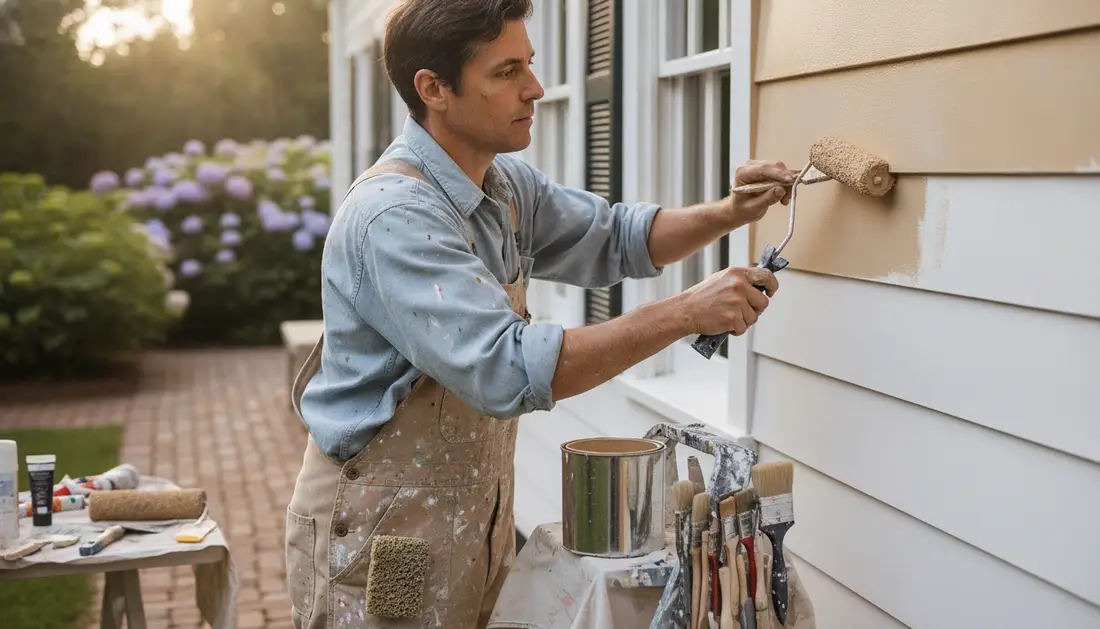
Alla prima is a wet-on-wet method where an artist or pro completes a section in one sitting.
This approach suits small areas and oil work because it blends while the paint is still workable. It saves time but relies on skilled hands to avoid streaks and uneven texture.
Feathering and Blending
Feathering uses a thin layer of paint and lighter pressure to merge two colours smoothly.
When paint is applied with a brush or roller, good blending prevents visible joins. Contractors use this to hide transitions at door frames and architectural details.
Scumbling and Glazing
Scumbling drags a semi-opaque coat over a dry surface to add depth and subtle tonal change.
Glazing uses a transparent film to adjust colour without heavy material build-up. Both methods need proper materials and control of drying time, especially in hot or humid conditions.
Quick method comparison
| Method | Best for | Practical note |
|---|---|---|
| Alla Prima | Small works, rapid coverage | Requires skill; ideal with oil paints for immediate blending |
| Feathering | Edges and transitions | Use thin layers and quality brushes to avoid marks |
| Scumbling / Glazing | Textural depth and colour modulation | Work in thin layers; control drying time and substrate moisture |
_Discuss these techniques with your contractor_so the selected method matches your aesthetic goals and the condition of the surface.
Navigating Sheen and Finish Levels
A surface’s sheen controls light reflection and plays a key role in your interior design choices.
The sheen of a paint determines how much light a wall throws back. A dead flat finish absorbs light and hides imperfections.
High-gloss reflects more light and can make small rooms feel larger. It also cleans easily, so it suits kitchens and bathrooms.
Practical note: when you apply a thin layer of finish, the resin content helps the coating resist moisture and daily wear.
Whether you select oil paint or an acrylic paint, the finish will change how colour looks at different times of day. Test samples under your room light before you commit.
Confirm the finish level in writing with your contractor so the final result matches your brief.
| Finish | Light effect | Best use |
|---|---|---|
| Dead flat | Absorbs light; low sheen | Ceilings, low-traffic walls |
| Eggshell / Satin | Soft reflection | Living rooms, bedrooms |
| Semi-gloss / Gloss | High reflection | Doors, trim, kitchens, bathrooms |
- Pick a finish that matches room function and traffic level.
- Ask contractors to list the finish type and the coating layers in your quote.
Understanding Colour Depth and Light Reflectance
Colour depth and how a shade reflects light directly shapes how a room feels and performs. Think of depth as the way a hue holds or gives back light; that balance affects mood, space perception and your lighting bill.
Light Reflectance Value Explained
Light Reflectance Value (LRV) measures the percentage of visible light a colour reflects. A high LRV brightens rooms and reduces the need for extra lamps during the day.
Deep, saturated tones absorb more light. Use them to make a room feel intimate, but expect lower apparent space and higher reliance on artificial light.
- LRV basics: higher number = more reflected light.
- The art of colour selection means weighing pigment strength against how much natural light a room receives.
- Review the composition of your chosen colour so it complements the existing light at different times of day.
Test samples on walls and view them across morning, midday and evening light. Professional painters can advise which paint and colour combo will deliver the look you want while keeping spaces functional and economical.
Professional Brush and Roller Anatomy
A professional brush and roller are precision tools — each detail in their design affects finish and efficiency.
The metal ferrule is the small but vital part that clamps bristles into the handle. A secure metal ferrule prevents wobble and gives you control when you work on wood trim or delicate metal fixtures.
The size of your roller nap governs how much paint the cover holds and how it lays onto the surface. Choose a short nap for smooth plaster and a longer nap for textured walls or uneven wood grain.
Materials matter: natural bristles suit oil work and certain artist methods, while synthetic fibres resist solvents and last longer on common materials.
Contractors invest in durable brushes and rollers because good equipment cuts time and waste. A well-maintained tool is a sign of professional care and improves the final colour and coverage.
“Ask your contractor what brushes, nap sizes and ferrules they plan to use — the answers affect speed, cost and the quality of the work.”
- Check for: tight metal ferrules, appropriate nap size, and bristle type for oil or water-based paint.
- Discuss tool choice for wood trim versus large wall areas to align budget and finish expectations.
Identifying Paint Defects and Surface Issues
Knowing how to identify cracking, bubbling and lost adhesion helps you decide when to call a pro.
Crocodiling and alligatoring describe a patterned cracking that looks like reptile skin. This defect usually appears when a topcoat is applied before the base layer has dried or when incompatible coatings are used.
Blistering and bubbling occur when moisture or solvents force the coating away from the substrate. Often you will see raised pockets or small bubbles across the surface.
Why these happen
Common causes include trapped moisture in plaster, incorrect primer choice, or a water-sensitive substrate under a non-breathable topcoat.
What to do
- Inspect regularly — early detection reduces repair cost and time.
- Test a small area: sand back to sound material, check for moisture and assess adhesion.
- Fix correctly: careful sanding, re-priming with a compatible product, then recoat in matched layers.
The art of spotting issues early saves money. Always ask your contractor about warranty coverage and the paint content they will use.
Professional work should be free from these common defects for a reasonable period; confirm what that covers in writing.
Architectural and Structural Painting Concepts
Architectural coating work sits where design intent meets material performance, so choices you make now affect a building for decades.
Historic movements shaped how we think about structure and finish. In 1919 Walter Gropius and the Bauhaus championed honest use of material and functional design. In 1967 Germano Celant’s Arte Povera challenged commercial art by using humble materials in structural contexts. More recently, Mark Derry’s 1993 idea of afrofuturism influences contemporary architectural design and composition.
The practical side is simple: coat wood, masonry and metal correctly to stop water ingress and decay. Consider how the building’s lines interact with colour and finish; a poor selection can highlight faults and raise maintenance costs.
Proper coating of structural elements is an art that requires knowing how each material responds to environmental stress. Consult professionals who understand substrate preparation, compatible systems and expected lifespan so your property stays structurally sound and visually coherent.
“Treat design and protection as one brief: the right colour and coating protect value and reduce long-term expense.”
- Ask for: material-specific recommendations for wood and masonry.
- Confirm in writing: coating layers, expected life, and any warranty details.
Material Standards and Archival Quality
Standards for materials tell you which products will keep colour and structure over time.
ASTM and Permanence Standards
ASTM International provides independent benchmarks so you can compare materials objectively.
Look for products tested for lightfastness and resistance to yellowing. Every pigment suspended in a high‑quality binder should pass these checks.
Archival quality depends on the pigment, resin and binder system. When paint is made to high standards it often uses a stable polymer or acrylic emulsion that resists environmental breakdown.
Quality materials matter whether you choose oil paint or an acrylic paint. Proper selection reduces fading and the need for early rework.
- Choose certified products: ASTM marks or equivalent local standards mean tested durability.
- Check lightfastness: long‑term colour retention is a key metric for pigment choice.
- Verify with your contractor: insist on brand names and datasheets for the materials they plan to use.
“Selecting tested materials is the best way to protect your finish and your investment over time.”
Leveraging Your Knowledge for Accurate Painting Quotes
Turn this knowledge into action by checking quotes for scope, prep and material specifics. Use plain checklists so each contractor bids the same work and size of job.
Our platform and our pricing guidance help you see that final costs depend on scope, surface condition, paint type, prep work, access, labour and region. Compare the coating and the time estimate as closely as you compare the price.
Request up to 3 quotes through our quote request process and make contractors list warranties, timelines and what they will put on paper. Confirm everything in writing to protect your project and avoid surprises.
Please visit paintingpricepersquaremeter.co.za to begin and connect with professionals who can bring your design to life with care and precision.
FAQ
What is covered in the “Painting Terms Glossary for South Africa”?
The glossary explains common paint and surface words used in local projects — for example types of paint (oil, acrylic, enamel), surface materials (plaster, timber, metal, masonry), preparation steps (deglossing, sanding, caulking), application methods (roller, brush, spray, alla prima), and finish levels (matt, silk, gloss). It helps homeowners, landlords and investors understand quotations and material lists.
Why is understanding surface preparation terminology important for cost estimates?
Surface preparation affects labour and material costs directly. Tasks such as deglossing, sanding, filling cracks, caulking and sealing add time and products. If a surface needs primer, rust treatment or resin repair, quotes rise. Knowing these terms lets you compare like‑for‑like quotes and avoid hidden extras.
What does deglossing and sanding mean and when are they needed?
Deglossing removes sheen from previously painted surfaces so new coats adhere. Sanding evens rough areas and removes loose coating. Both are common on timber, metal and old emulsion walls; they’re usually included in a professional quote when surfaces show gloss, flaking or imperfections.
What are caulking and sealing used for?
Caulking fills gaps at skirtings, window frames and joints to prevent moisture ingress and create neat lines. Sealing uses a primer or specialised sealant on porous or stained surfaces to stop bleed‑through and ensure uniform paint coverage. Both reduce future defects and are often charged separately in quotes.
What does “decoding paint composition and binders” mean for my choice of paint?
It means recognising the binder type (alkyd/oil, acrylic/polymer, epoxy/resin) which dictates durability, drying time, and cleaning method. For example, acrylic emulsion is cost‑effective and easy to clean; oil or alkyd is harder wearing on trim but pricier. Choose by location, expected wear and budget.
What is alla prima and when would a contractor use it?
Alla prima is a wet‑on‑wet technique usually used by artists for single‑session works, rather than typical property painting. Contractors rarely quote for it; however, understanding it helps when discussing specialist finishes or artistic commissions where speed and blending matter.
What are feathering, blending, scumbling and glazing in application?
Feathering and blending create smooth transitions between colours or repaired spots. Scumbling applies a thin, opaque layer to soften tones. Glazing uses transparent layers to alter colour depth without hiding undercoats. These methods affect labour time and may be priced as speciality finishes.
How do sheen and finish levels change pricing and performance?
Sheen levels (matt, low‑sheen, silk, satin, gloss) alter appearance and scrub‑resistance. Higher sheen costs more but cleans easier and resists marks on doors and trims. Specify finish levels in writing so quotes reflect product and labour differences.
What is Light Reflectance Value (LRV) and why does it matter?
LRV measures how much light a colour reflects, on a 0–100 scale. Low LRV colours absorb light and may show surface flaws more; high LRV brightens rooms and can reduce the number of coats. Accurate LRV helps contractors estimate paint quantity and labour.
What should I know about professional brush and roller anatomy?
Brush filaments (natural or synthetic), head shape and handle length influence finish and speed. Roller nap (short to long) suits smooth to textured surfaces; microfibre rollers give fine finishes. Contractors factor tool choice into labour efficiency and end result quality.
What are common paint defects like crocodiling, alligatoring, blistering and bubbling?
Crocodiling/alligatoring are cracking patterns from incompatible layers or ageing. Blistering/bubbling occur when moisture or heat lifts the coating. Remedies include removing failed layers, proper drying, using primers and correct paint systems — all of which add cost and time.
Which architectural and structural painting concepts affect quotes?
Factors include substrate type (concrete, timber, steel), access (scaffolding, lifts), complexity of trims and mouldings, protection of fixed fittings, and specified warranties. Structural coatings like anti‑corrosive systems for metal or waterproof membranes for roofs increase material and labour costs.
What are ASTM and permanence standards, and are they used in South Africa?
ASTM and permanence standards set performance benchmarks for pigments, binders and coatings. South African suppliers and contractors may reference these or SANS standards to select long‑lasting materials for high‑value projects. Confirm standards in your quote if longevity is essential.
How does knowledge of these terms help when requesting painting quotes?
Knowing terms helps you check that quotes include the same scope: surface prep, primer, paint brand and type (oil, acrylic), number of coats, access costs and warranty. Request up to 3 quotes, or up to 5 where available, from independent contractors and ask for written breakdowns to compare accurately.
What specific items should I confirm in writing before work starts?
Confirm paint brands and product names, colour codes or LRV, number of coats, surface prep steps (sanding, deglossing, caulking), access requirements and any scaffold or lift charges, start and finish dates, warranty terms and final cost including VAT. This reduces disputes and unexpected extras.
Related painting cost guides
Ready to compare?